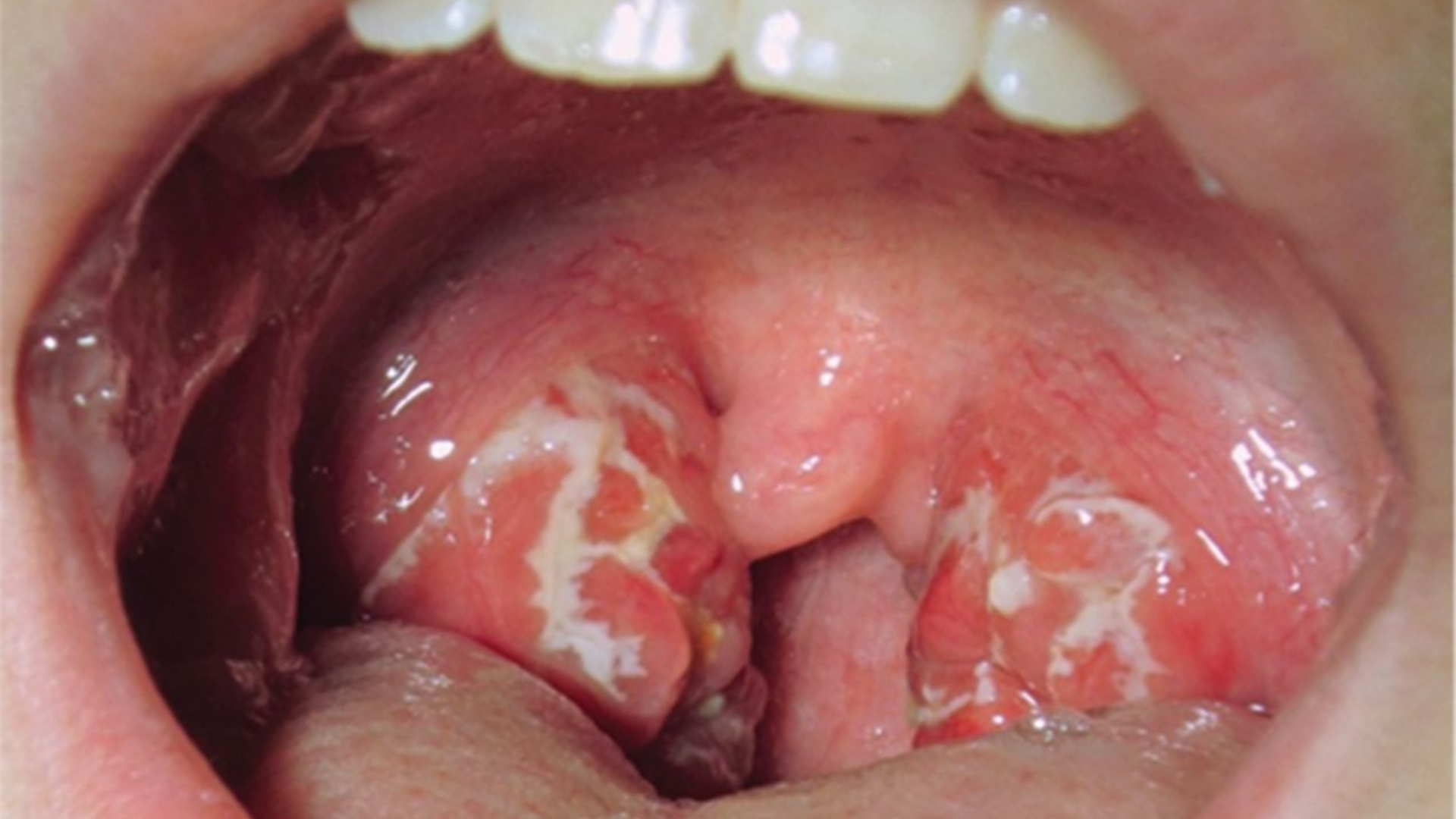
What is Oropharyngeal Cancer (Throat Cancer)?
Oropharyngeal Cancer (Throat Cancer) is an aggressive cancer type originating in the tissues of the oropharynx—the middle part of the throat encompassing the tonsils, soft palate, base of tongue, and the walls of the pharynx. This cancer primarily involves malignant changes in squamous cells lining these structures. Each year, thousands worldwide receive a diagnosis of Oropharyngeal Cancer (Throat Cancer), profoundly impacting their quality of life and emotional wellbeing. Understanding this disease can empower patients and families, fostering hope through informed treatment choices and early detection.
The Biology Behind Oropharyngeal Cancer (Throat Cancer)
Biologically speaking, oropharyngeal malignant cells uniquely exhibit a high rate of glucose metabolism. This metabolic dependency, widely recognized as the “Warburg effect,” shows cancer cells consuming glucose at approximately 200 times the normal cellular rate. Due to this aggressive nutrient consumption, targeted therapies exploiting these metabolic vulnerabilities have shown promise. Renowned Nobel laureates like Dr. James Allison and Dr. Gregg Semenza have described cancer’s metabolic shifts extensively, underscoring these metabolic pathways for pioneering therapeutic developments, shaping transformative treatments for conditions such as Oropharyngeal Cancer (Throat Cancer).
- Aggressive glucose metabolism (Warburg effect), essential for tumor growth.
- Metabolic vulnerabilities including glutamine dependency, essential for nucleotide synthesis.
- Emerging therapeutic strategies targeting these unique metabolic pathways.
Learn more about the identification of metabolic vulnerabilities by prominent figures such as Dr. Li Guohua (Metabolic Oncology Pioneer) on our dedicated cancer biology page.
Global and Local Prevalence
Oropharyngeal Cancer (Throat Cancer) is increasingly prevalent, particularly among adults aged 40 to 70 years, with higher incidence among males. Globally, according to the World Health Organization (WHO 2024 report), approximately 185,000 new cases are diagnosed annually. In Asia, including Hong Kong, rapid urbanization, lifestyle changes, and demographic aging contribute significantly to this morbidity. Notably, oropharyngeal cancers have seen a rise in association with viral exposures such as HPV infections, particularly types 16 and 18. Hong Kong statistics indicate a steady annual increase, emphasizing critical early detection and innovative therapeutic requirements amongst Asian populations.
- Global incidence: ~185,000 new cases annually (WHO, 2024).
- Predominant age group: adults aged 40–70 years, primarily male.
- High prevalence in Asia, exacerbated by viral infections (HPV types 16, 18).
Emotional and Physical Impacts on Patients
Diagnosis profoundly affects patients both physically and emotionally. Symptoms commonly experienced include persistent throat discomfort, difficulty swallowing, unexplained weight loss, hoarseness of voice, chronic fatigue, and significant pain. Beyond these physical effects, psychological impacts can often include anxiety, depression, and emotional distress, deeply influencing patients’ quality of life. Compassionate care, combining psychological support and advanced treatment, dramatically enhances patient outcomes and emotional recovery.
- Physical discomfort: pain, dysphagia, chronic fatigue.
- Psychological stresses: anxiety, depressive episodes, emotional burden.
- Importance of integrated supportive care for enhancing quality of life.
Experiencing these symptoms? Schedule a compassionate consultation today and explore our revolutionary 4D Metabolic Therapy approach.
Causes and Risk Factors of Oropharyngeal Cancer (Throat Cancer)
Identifying and understanding the diverse causes and risk factors associated with Oropharyngeal Cancer (Throat Cancer) is essential for preventative strategies and early intervention. These causes are often multifactorial, comprising genetic predispositions, environmental exposures, lifestyle choices, and specific viral infections prevalent in certain regions.
Genetic and Molecular Factors
Certain genetic mutations significantly enhance the risk of developing cancers, including Oropharyngeal Cancer (Throat Cancer). While less common than in breast (BRCA1/2 mutations) or lung cancers (EGFR mutations), familial susceptibility and alterations in DNA repair genes have implications for throat malignancies. Ongoing studies aim to unravel genetic markers linked explicitly to oropharyngeal carcinoma, facilitating predictive genetic screening for at-risk populations.
- Familial predisposition and genetic inheritance.
- Ongoing research for genetic markers specific to throat malignancies.
Environmental and Lifestyle Factors
Environmental exposures strongly influence cancer development. Tobacco use and alcohol consumption remain leading risk factors, substantially increasing the likelihood of carcinogenic transformation in the oropharynx’s mucosal linings. In addition, exposure to secondhand smoke, chemical irritants, and certain workplace environments contributes further to disease risk.
- Major risks: tobacco use, excessive alcohol intake.
- Environmental irritants: secondhand smoke, chemical exposures.
Metabolic Vulnerabilities and Viral Influences
Additionally, metabolic vulnerabilities such as cancer cells’ pronounced reliance on glucose and glutamine utilization create distinct risk-mediated metabolic profiles reviewed extensively by experts like Prof. Liu Guolong. Viral factors significantly impact risk profiles, particularly Human Papillomavirus (HPV). HPV-positive cancers are increasing rapidly, especially types 16 and 18.
- High metabolic dependency on glucose and glutamine.
- Predominance of HPV types 16 & 18 in throat carcinoma.
Asian-specific Factors—Hong Kong Context
Regionally, factors tied to Hong Kong’s lifestyle and health patterns amplify risks. Higher incidence rates observed in Hong Kong and neighboring Asian regions correlate significantly with HPV prevalence and unique dietary factors such as frequent consumption of salted-preserved fish, pickled and processed foods, common in traditional diets.
Concerned about your risk? Early detection saves lives—schedule routine screenings and explore our FDA-recognized diagnostic tools for precise, early Oropharyngeal Cancer (Throat Cancer) detection in Hong Kong.
Symptoms of Oropharyngeal Cancer (Throat Cancer)
Recognizing the early signs of Oropharyngeal Cancer (Throat Cancer) ensures timely diagnosis, increasing the chances of successful treatment outcomes. Symptoms can vary significantly, depending upon the disease stage and tumor location within the throat or oropharyngeal structure.
Early-stage symptoms of Oropharyngeal Cancer (Throat Cancer)
- Painful or painless persistent sore throat lasting more than two weeks
- Feeling a lump in the throat or neck that does not resolve naturally
- Difficulties swallowing (dysphagia), particularly solid food
- Distinct voice changes or persistent hoarseness
- Chronic cough, sometimes with subtle blood-tinged sputum
- Ear pain due to shared nerve pathways (referred otalgia)
- Unexplained weight loss and loss of appetite
Experiencing one or more of these signs merits a prompt medical evaluation to rule out Oropharyngeal Cancer (Throat Cancer) or seek effective treatment in early stages. Early detection and immediate interventions are crucial for ensuring optimal patient outcomes and long-term recovery.
Late-stage symptoms of Oropharyngeal Cancer (Throat Cancer)
- Continuous and severe throat pain that interferes with daily activities
- Inability to swallow liquids, leading to significant nutritional impairment
- Larger noticeable lumps or growth in the neck area, which may be firm and fixed
- Coughing up significant amounts of blood (hemoptysis)
- Severe voice impairment or long-term hoarseness due to vocal cord involvement
- Breathing difficulties from airway obstruction or mass effect
- Marked fatigue and general frailty resulting from cancer cachexia
Biologically, these late symptoms reflect advanced tumor proliferation and increased metabolic aggression, including excessive glucose consumption (Warburg effect), rapid tumor growth, and extensive tissue involvement resulting in noticeable clinical deterioration.
Stages of Oropharyngeal Cancer (Throat Cancer) and Survival Rates
Understanding the stage at which Oropharyngeal Cancer (Throat Cancer) is diagnosed provides valuable insight into prognosis and optimal treatment decisions. Survival and clinical strategies depend heavily upon the disease advancement and anatomical involvement at initial diagnosis.
Stage 1 – Oropharyngeal Cancer (Throat Cancer)
At this early stage, cancer is typically confined to the primary oropharyngeal site without lymphatic involvement or distant metastasis. According to the latest regional data from Hong Kong and Asia:
- Tumors are usually ≤2 centimeters, clearly localized.
- Treatment widely involves surgical resection and possible postoperative radiotherapy.
- Survival rates have been promising, with 85–95% five-year survival noted, according to recent studies from hospitals in Hong Kong and regional Asian databases.
Stage 2 – Oropharyngeal Cancer (Throat Cancer)
Stage 2 typically represents slightly larger tumors or limited lymph node involvement. Key characteristics include:
- Tumors approximately 2–4 centimeters in diameter or small lymph node involvement is measurable.
- A multimodal therapeutic approach often involves surgery followed by radiation or chemoradiotherapy.
- Five-year survival rates range between 70–85%, reflective of localized advancement yet manageable conditions when thoroughly addressed.
Stage 3 – Oropharyngeal Cancer (Throat Cancer)
Stage 3 indicates significant local-regional advancement, with one or more prominent lymph nodes involved:
- Greater tumor invasion or extensive regional lymph node involvement without distant metastatic disease.
- Treatment typically involves multi-method protocols such as more extensive surgical interventions, chemoradiation, immunotherapy integration, and targeted metabolic therapies.
- Reported five-year survival rates commonly range between 50–70%, demonstrating the need for more aggressive and innovative therapeutic strategies.
Stage 4 – Oropharyngeal Cancer (Throat Cancer)
Stage 4 oropharyngeal cancers represent advanced diseases, frequently indicated by significant lymph node metastasis or distant organ spread (lungs, liver, bones). Treatment goals transition from curative intent to chronic disease management and life quality maintenance:
- Therapeutic strategies include systemic oncology therapies, targeted therapies, advanced immunotherapies, and specialized metabolic interventions targeting cancer cell vulnerabilities (Warburg effect and glutamine dependency).
- Advanced treatments focusing on cancer cell metabolic disruptions have showcased notable improvements in quality of life and prolonged survival, turning previously terminal malignancies into manageable chronic conditions.
- Notably, treated patients receiving advanced targeted metabolic therapies record survival improvements, regional data highlighting approximately 20–35% five-year survival rate improvement amongst patients benefiting from innovative therapies at centers collaborating regionally (e.g., Shenzhen Qianhai Taikang collaborations).
Regional data from authoritative sources, including health institutions in Hong Kong, South China, Singapore, and other Asian countries, demonstrate growing efficacy and accessibility with cutting-edge therapies like metabolic oncology practices. Promising research advancements advocated by Dr. Li Guohua, Prof. Liu Guolong, and Nobel Laureates James Allison and Gregg Semenza offer significant optimism in overcoming the traditional limitations observed in Stage 4 Oropharyngeal Cancer (Throat Cancer).
Emphasizing proactive cancer awareness and consistent national screening and assessment programs supported by partnerships with reputed organizations such as MD Anderson Cancer Center and AllCancer’s forward-thinking policies (“Cure First, Pay Later”), these survival figures continue to rise significantly within Asian communities.
Treatment Options for Oropharyngeal Cancer (Throat Cancer)
Surgical Treatment Methods
Surgical interventions form the foundation of treatment in many cases of Oropharyngeal Cancer (Throat Cancer). Procedures depend significantly on tumour location, stage, and patient condition.
- Transoral Robotic Surgery (TORS): An innovative minimally invasive procedure significantly enhancing precision and reducing recovery time.
- Open Surgery Procedures: Traditional surgical methods are sometimes necessary for extensive cancers. These surgeries involve tumor removal along with surrounding lymph nodes to prevent metastasis.
- Reconstructive Surgery: Often integrated into open surgery, reconstructive techniques rebuild structures removed during extensive surgery, enhancing life quality after operation.
Patients in Hong Kong prefer minimally invasive options due to quicker recuperation periods and lower complications. However, advanced-stage cancers often mandate extensive surgical intervention, where multidisciplinary cooperation is essential.
Chemotherapy Treatments
Chemotherapy is often employed for locally advanced or metastatic Oropharyngeal Cancer (Throat Cancer). Chemotherapeutic choices frequently involve platinum-based regimens, amongst others:
- Cisplatin-Based Regimens: Widely utilized and have high efficacy but are associated with considerable nephrotoxicity, ototoxicity, and emetogenic side effects.
- Carboplatin and Paclitaxel Combination: This is somewhat less nephrotoxic than cisplatin alone; ideal for patients with renal impairment.
Despite effectiveness, chemotherapy often exhibits adverse effects ranging from nausea, vomiting, fatigue to severe myelosuppression, significantly impacting patients’ quality of life.
Radiation Therapy
Radiation therapy remains central, particularly in cases unsuitable for surgery. Advanced techniques have emerged, reducing collateral damage significantly:
- Intensity-modulated Radiotherapy (IMRT): This precisely targets tumors, minimizes surrounding tissue damage, reducing side effects significantly in Hong Kong patients.
- Proton Beam Therapy: Offers improved tumor targeting precision, further safeguarding sensitive structures, reducing long-term morbidity, and is gaining popularity across Asia.
Radiotherapy is effective but can lead to complications, such as mucositis, dysphagia, xerostomia, and risk of secondary malignancies, underscoring the importance of developments in radiation dosing and delivery methodologies.
Targeted Therapy and Immunotherapy Approaches
Modern medicine emphasizes personalized treatment leveraging targeted therapy and immunotherapy, significantly altering the landscape of Oropharyngeal Cancer (Throat Cancer) therapy:
- EGFR Inhibitor (Cetuximab): Proven effective in HPV-negative cases, albeit displaying skin-related toxicities. It is frequently employed alongside traditional radiation therapy.
- Immune checkpoint inhibitors (Pembrolizumab, Nivolumab): Recent clinical trials (KEYNOTE-048, CHECKMATE-141) reported significant survival benefits in recurrent or metastatic Oropharyngeal cancer, improving patient longevity and quality of life.
Emerging Metabolic Therapy
Groundbreaking new research is exploring metabolic therapies that expoit cancer cells’ unique glucose and glutamine dependencies, related explicitly to the “Warburg effect”. These therapies offer promising approaches, especially valuable in drug-resistant cases common in Hong Kong and Asia:
- GLUT1 and GLUT3 inhibitors: These reduce the cellular glucose uptake tumour cells rely on, thus limiting their growth and enhancing cancer cell vulnerability.
- Targeting glutamine metabolism: Therapeutics targeting glutaminase inhibitors are currently under rigorous clinical investigation, with early studies highlighting reduced tumor progression rates.
Ongoing collaborations in regions like Hong Kong aim to bring these innovative approaches into standard clinical practices, tailored to the metabolic characteristics of the patient’s tumor.
Limitations of Traditional Therapies for Oropharyngeal Cancer (Throat Cancer)
Chemotherapy Limitations and Toxicities
Although chemotherapy effectively reduces tumor sizes in many patients, it involves substantial adverse effects severely impacting patients’ treatment experiences:
- Bone Marrow Suppression: Chemotherapeutics such as cisplatin often result in 78% cases of bone marrow suppression, causing anemia, thrombocytopenia, and infection susceptibility. This presents severe challenges, particularly for elderly patients common in Hong Kong hospital settings.
- Cardiac and Renal Toxicities: Approximately 23% exhibit cardiac and nephrotoxic effects limiting treatment duration and dosages.
- Gastrointestinal Symptoms: Severe nausea, vomiting, mucositis often leads to considerable weight loss and malnutrition in Asian populations.
Radiation Therapy Side-effects
Radiotherapy significantly impacts daily life, especially evident in Hong Kong patients treated through traditional settings:
- Radiotherapy often induces tissue damage, mucositis, radiation-induced xerostomia, and unintended damage to surrounding critical anatomical landmarks such as salivary glands and swallowing muscles.
- Secondary malignancies emerge as severe concerns, with reports indicating upwards of a 300% increased risk (JAMA Oncology, 2023).
- Persistent fatigue reduces productivity and patient morale, profoundly affecting quality of life physically and psychologically.
Surgical Risks and Limitations
- Surgical interventions, especially extensive ones, pose risks including wound infections, postoperative complications, and substantial functional impairments like dysphagia, vocal disruptions, and reduced airway functions.
- Psychological effects from disfigurement often lead to social withdrawals, depression, anxiety, significantly hindering patients’ emotional recovery.
Tumour Resistance and Metabolic Adaptations
Tumours dynamically adapt, developing resistance mechanisms hindering successful treatments. Cancer cells often exhibit:
- Increased DNA repair enzyme activity (upwards of 400%), making them resistant to radiation and chemotherapy-induced DNA damage.
- Enhanced metabolic plasticity, significantly hampering therapeutic success and reducing overall patient outcomes in Hong Kong hospitals.
- Adaptation to tumor microenvironment stressors, driving treatment failures and disease progression.
These resistance mechanisms underscore the necessity for innovative treatments, highlighting the immense potential of emerging therapies like metabolic approaches to outmaneuver cancer metabolism.