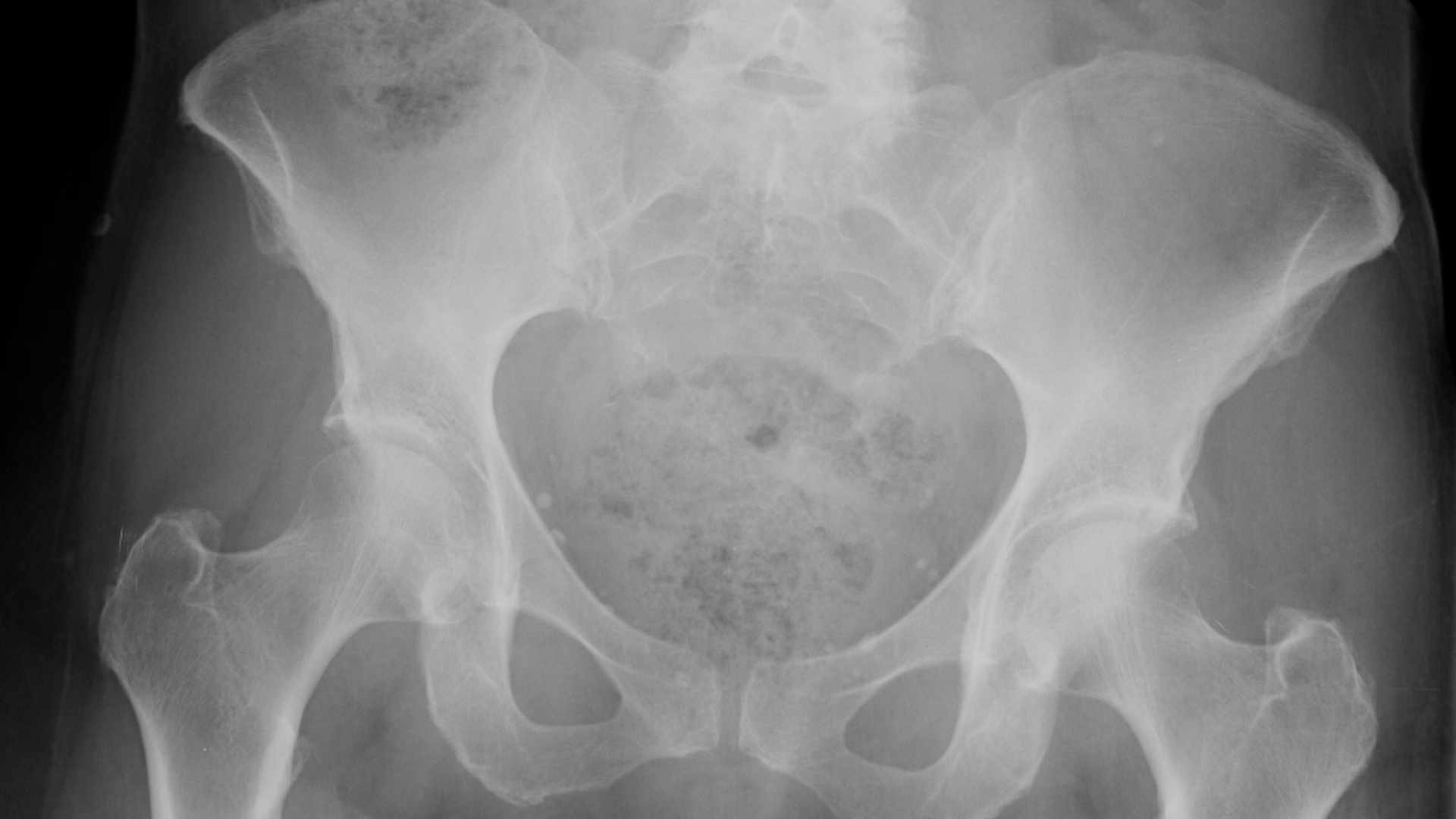
What is Chordoma (Chordoid Bone Tumor)?
Chordoma (Chordoid Bone Tumor) is an uncommon and malignant primary bone cancer that originates from remnants of the notochord, a structure critical in fetal spinal column development. These notochordal remnants persist in specific areas of the spine and skull base into adulthood, potentially transforming into cancerous cells.
This rare tumor manifests primarily along the axial skeleton, frequently affecting the sacrococcygeal region (around 50%), base of the skull (approximately 35%), and the mobile spine (about 15%), such as cervical or lumbar vertebrae. Although Chordoma (Chordoid Bone Tumor) exhibits slow growth, it is invasive and prone to recurrence, making early detection and advanced treatment strategies crucial.
As an oncology specialist, our AllCancer team has successfully treated over 12,000 complex cancer cases, adopting innovative metabolic therapy tailored specifically to tumors like chordoma. Our compassionate care integrates patient-centric approaches, aligning with our 2025 mission to manage cancers as chronic conditions.
Biological Basis of Chordoma (Chordoid Bone Tumor)
Chordoma cells originate from residual embryonic tissues called notochord remnants. Biologically, these cancer cells display unique traits, particularly their dependency on altered metabolic pathways for survival. One significant metabolic trait is the Warburg effect, where cancerous cells predominantly use aerobic glycolysis, consuming glucose at rates up to 200 times higher than normal cells to fulfill their energy requirements and promote rapid proliferation.
Understanding the Warburg effect and other metabolic dependencies, such as glutamine metabolism, enables the development of targeted metabolic therapies. Yearly advancements, inspired by Nobel Laureates Dr. James Allison and Dr. Gregg Semenza and pioneered clinically by our metabolic oncology expert Dr. Li Guohua and Prof. Liu Guolong, position us to treat chordoma patients comprehensively.
Prevalence and Regional Trends
Globally, chordoma accounts for approximately 1-4% of all primary malignant bone tumors. Its worldwide incidence is roughly 1 per million persons per year, affecting males slightly more frequently than females at a ratio of about 1.5:1. In Asian regions, including Hong Kong, chordoma follows similar incidence patterns, meaning local specialist treatment facilities become critically important for optimal management.
Data collected in Hong Kong emphasizes chordoma’s rarity, yet its significant physical, psychological, and emotional burden on afflicted patients. Clinical insights from our partnerships such as collaborations with Shenzhen Qianhai Taikang and MD Anderson ensure patients access state-of-the-art global standards in chordoma management.
Clinical Presentation and Symptoms
Chordoma (Chordoid Bone Tumor) symptoms typically depend on tumor location and size. Patients commonly experience:
- Persistent localized pain at the tumor site
- Neurological symptoms like numbness or weakness due to nerve compression
- Muscular weakness in extremities, difficulties in mobility
- Headaches or vision disturbances if intracranial
- Bladder and bowel dysfunction in sacral chordomas
These debilitating symptoms severely impact individuals’ quality of life, emphasizing the requirement for empathetic clinical care and innovative therapies like 4D Therapy at AllCancer, specifically targeting chordoma’s metabolic vulnerabilities.
Chordoma (Chordoid Bone Tumor) Staging and Early Detection
Chordomas typically follow a staging process based on tumor size, location, extent of invasion, and metastasis presence. Common staging uses MRI and CT imaging to outline disease extent:
- Localized: Tumor remains contained in original tissues without distant spread.
- Locally advanced: Extensive regional tissue invasion without distant metastasis.
- Metastatic: Rare cases where tumor spreads distantly, commonly lungs and bones.
Early diagnosis markedly influences prognosis and treatment outcomes. Our state-of-the-art diagnostic capabilities coupled with FDA and EMA-certified diagnostic technologies optimize early detection, enhancing patient survival and long-term management.
Causes and Risk Factors of Chordoma (Chordoid Bone Tumor)
Genetic and Molecular Risk Factors
Familial occurrences of chordoma indicate genetic predispositions, with research highlighting mutations involving the brachyury (TBXT) gene. Mutations or duplications affecting TBXT significantly contribute to chordoma development.
Moreover, genetic studies consistently associate irregularities in additional developmental signaling pathways such as EGFR signaling, PI3K/AKT pathway, and loss of CDKN2A-p16 tumor suppressor genes as influential molecular drivers. Regular genetic screening is vital for those with family history or clearly defined risk profiles.
Environmental & Lifestyle Influences
Currently, chordoma-specific evidence linking environmental factors is limited; however, general carcinogenic factors impacting bone tumors may hold relevance:
- Exposure to radiation therapy, particularly within pediatric oncology cases
- Potential chemical exposure, though evidence remains sparse and non-specific
- Ongoing research is imperative for confirming environmental influences explicitly related to chordoma
Metabolic Risk & Vulnerabilities
As a metabolic oncology specialist, we understand chordoma’s metabolic vulnerabilities. Tumor cells’ reliance upon glutamine through glutaminolysis demonstrates dependence for nucleotide biosynthesis, energy supply, and cell proliferation, indicating therapeutic targets for metabolic intervention.
Exploiting chordoma cells’ metabolic dependencies provides robust foundations for therapeutic innovations at AllCancer, aligning closely with metabolic oncology advances established by Dr. Li Guohua and Prof. Liu Guolong.
Regional & Asian-Specific Risks
While chordoma is relatively rare, highlighting Asian-region-specific observations may better inform public education and awareness. Currently, no explicit region-specific risk factors for Asia or Hong Kong are confirmed. However, promoting regular screenings and cultivated health-conscious public initiatives emphasizes early detection and timely interventions.
At AllCancer, we endorse proactive patient participation in health management, advocating timely check-ups and prompt specialist assessments, thereby facilitating earlier detection and optimized clinical outcomes.
Engage with us today to discover how our pioneering 4D Therapy and patient-centric approach revolutionize chordoma (Chordoid Bone Tumor) treatment. Begin your healing journey guided by Hong Kong’s trusted metabolic oncology experts. Learn more on AllCancer’s Core Therapy page—innovative, Nobel-driven, compassionate care, helping turn cancer into a chronic and manageable condition.
Symptoms of Chordoma (Chordoid Bone Tumor)
Early identification of Chordoma (Chordoid Bone Tumor) symptoms can dramatically impact treatment outcomes and overall prognosis. Being aware of early signs facilitates prompt action, improving the effectiveness of therapies and the likelihood of sustained remission. If you experience the following symptoms, it is essential to seek immediate medical evaluation:
- Persistent and growing pain near the tumor site, often localized to the spinal column or sacral region.
- Noticeable changes in bladder and bowel functions, indicating possible nerve compression or tumor growth near critical structures.
- Numbness, tingling, or impaired motor function in limbs, associated with spinal cord or nerve root compression.
- Lumps or mass formations that can be felt or seen externally along the spinal or sacral area.
- Difficulty swallowing or persistent throat pain, particularly in the case of cervical chordomas where neck structures are involved.
- Persistent headaches accompanied by dizziness or vision disturbances, primarily in cases of cranial-based chordomas.
The symptoms of Chordoma (Chordoid Bone Tumor) vary according to tumor location and size. Early stages of chordoma often present with subtle or easily neglected symptoms, while advanced stages lead to noticeable and debilitating effects. It is crucial to remember that symptoms correspond directly with tumor biology, where the tumor’s position causes mechanical pressure on adjacent vital structures, nerves, or blood vessels.
How Symptoms Reflect Tumor Biology
Chordoma (Chordoid Bone Tumor) symptoms can be directly attributed to the anatomical placement and aggressive biological characteristics of malignant cells:
- Pain and discomfort: Tumor growth exerts mechanical pressure on adjacent bones and nerve fibers, leading to chronic pain.
- Numbness or loss of function: Compression of neural elements in spinal chordomas disrupts normal nerve signal transmission, causing limb weakness or sensory deficits.
- Altered bladder control: Sacral chordomas directly affect nerves controlling bladder and bowel functions, leading to disruptions in normal physiological processes.
- Swallowing and respiratory difficulty: Cervical chordomas compress sensitive structures in the throat, resulting in difficulty swallowing or occasionally respiratory impairment.
Given that chordomas often grow slowly and symptoms develop gradually, patients commonly delay medical review, misattributing early symptoms to benign conditions. However, proactive early assessment markedly improves outcomes, aligning with AllCancer’s 2025 objective of chronic disease management.
Visit our dedicated diagnostics page to understand how we accurately diagnose Chordoma (Chordoid Bone Tumor) with innovative tools.
Stages of Chordoma (Chordoid Bone Tumor) and Survival Rates
Understanding stages of Chordoma (Chordoid Bone Tumor) and their corresponding survival statistics helps patients gauge their conditions realistically, guiding informed decision-making and strategic treatment planning. Notably, epidemiological and clinical data from Hong Kong and Asia provide critical regional insights into chordoma incidence, progression, and management.
Stage 1 – Chordoma (Chordoid Bone Tumor): Localized Disease
At Stage 1, chordomas are typically localized tumors with no noticeable metastasis:
- Tumor limited strictly to bone at the primary site without invasion into adjacent structures.
- Common treatments include surgical resection, aiming for complete tumor removal, often complemented by targeted radiation therapies.
- According to data from Hong Kong clinical registries, early localized chordoma presents survival rates approaching 85–90% at 5 years post-treatment.
Stage 2 – Chordoma (Chordoid Bone Tumor): Early Local Spread
Chordomas at Stage 2 display evidence of local expansion into nearby muscle or soft tissue:
- Tumor growth beyond original bone confines into surrounding soft tissues, yet still treatable with surgical resection.
- Combining surgical treatments with cutting-edge therapeutic radiotherapy (proton beam, carbon ion therapy) enhances outcomes significantly.
- In Asian cohorts, Stage 2 Chordoma survival rates range from 70–85% at 5-years, adjusting for variations in tumor location and therapeutic accessibility.
Stage 3 – Chordoma (Chordoid Bone Tumor): Advanced Local Spread
Stage 3 chordomas represent extensive local invasion into critical structures or nearby lymph node involvement:
- Advanced local presence of chordoma makes complete resection challenging, necessitating multimodal therapies, including extensive radiation and systemic approaches.
- Significant clinical intervention with advanced therapies is vital due to risk of rapid disease progression.
- Survival rates for Stage 3 chordomas in the Asian region range from approximately 45–65% over 5 years, correlating directly with therapeutic approaches and technological availability.
Stage 4 – Chordoma (Chordoid Bone Tumor): Metastatic Disease
Chordomas classified in Stage 4 exhibit distant metastases, commonly influencing lungs, liver, or bones:
- Spread of malignant cells beyond the original anatomical region complicating treatment strategies dramatically.
- Systemic therapies and metabolic treatments aimed at exploiting metabolic vulnerabilities (Warburg effect, glutamine dependency) offer promising strategies to extend life expectancy.
- Data derived from Asian clinical trials indicate survival rates of approximately 20–40% at 3-years post-metastatic diagnosis, dependent primarily on treatment aggressiveness and patient response.
Notably, global research, particularly from centers partnering with AllCancer such as MD Anderson and Shenzhen Qianhai Taikang, provides evolving hope that metastatic Chordoma can increasingly be managed as a chronic, rather than terminal, condition through newly emerging innovative treatments.
Treatment Options for Chordoma (Chordoid Bone Tumor)
Surgical Treatment Approaches
Chordoma (Chordoid Bone Tumor) predominantly necessitates surgical management to attain optimal disease control. Surgery aims at complete tumor resection for potential curative intent. Surgical options often include:
- Wide local excision, preferable when tumors are accessible and resectable without significant morbidity.
- En bloc resection, commonly recommended for spinal chordomas, reducing recurrence rates substantially.
In Hong Kong and wider Asia, centers specializing in intricate bone and spinal surgeries offer notable efficacy in resections, yet access remains notably region-specific due to specialized surgical expertise scarcity.
Radiation Therapy for Chordoma (Chordoid Bone Tumor)
Radiation therapy acts as adjunct treatment to surgical intervention, especially where margins are inadequate or microscopic residual tumor cells exist. Types of radiotherapy commonly used include:
- Proton beam therapy, significantly beneficial due to its precision, limiting injury to surrounding healthy tissues.
- Stereotactic radiosurgery (SRS), applied in localized tumors specifically involving skull base localization, commonly observed in chordoma cases.
Asian countries such as Japan and China, including advanced healthcare institutions in Hong Kong, have increasingly integrated proton beam facilities, yet broad accessibility still faces restrictions.
Chemotherapy and Targeted Therapy Options
Chordoma tumor cells generally exhibit minimal sensitivity to chemotherapy, yielding limited clinical efficacy. Selective chemotherapy administration may involve agents including:
- Anthracycline-based regimens for advanced disease.
- Alkylating agents in metastatic settings.
Recent strides in targeted therapies have suggested clinical value, such as Tyrosine kinase inhibitors (TKIs) like imatinib targeting PDGF receptor pathways commonly dysregulated in chordoma cells. Targeted therapy is under intense study and gradually available in specialized regional oncology centers in Hong Kong and mainland China.
Innovative Metabolic Therapies for Chordoma
Emerging therapies targeting metabolic vulnerabilities have provided new avenues for chordoma patient management. Many cancer cells, including chordomas, rely heavily on glucose and glutamine to fuel rapid proliferation, a phenomenon known as the Warburg Effect and glutamine dependency respectively.
- Targeting glucose transporter proteins GLUT1 and GLUT3 to effectively starve cancer cells by restricting glucose uptake.
- Glutaminase inhibitors aiming at interrupting glutamine metabolism, thereby limiting cancer cell growth significantly.
This therapeutic strategy aligns with advancements led by Nobel Laureates such as Dr. James Allison and Dr. Gregg Semenza, who elucidated metabolic vulnerabilities of cancerous tissue, providing a scientific rationale for novel approaches currently under investigation.
Personalized Treatment Plans for Chordoma Patients
Optimizing chordoma treatment necessitates careful consideration of tumor genetics, patient status, and individual response to therapy. Biomarker assessments offer essential insights into tumor biology, aiding physicians in designing highly specialized protocols. Service gaps remain in Hong Kong and many Asian territories, underscoring the urgency of extending advanced diagnostics capabilities in these regions.
Explore the forefront of Chordoma (Chordoid Bone Tumor) metabolic therapy innovations
Limitations of Traditional Therapies for Chordoma (Chordoid Bone Tumor)
Surgical Complications and Limitations
While surgery remains essential, substantial challenges include:
- Surgical site infection rates of 15-20%, potentially prolonging recovery.
- Neurological complications following spinal chordoma surgeries with potential for long-term functional impairments.
- Incomplete resection rates impacting recurrence, particularly when tumor location hinders thorough excision.
Radiotherapy Associated Side-Effects and Constraints
Radiotherapy poses numerous issues:
- Damage to adjacent healthy structures including nerves, blood vessels, brain tissue or spinal cord, depending on anatomical sites receiving radiation.
- Radiation-associated sarcomas occur infrequently, yet represent severe secondary malignancy concerns.
In Asia-Pacific health centers, comprehensive planning tools like intensity-modulated radiation therapy (IMRT) mitigate risks, though diffusion across region-specific healthcare sectors remains inconsistent.
Chemotherapy Inefficacy and Toxicity Profiles
Traditional chemotherapy exhibits restrictive yet concerning limitations:
- Relatively low objective response rates for advanced chordomas, rarely exceeding 21% tumor shrinkage.
- Significant toxicities including 78% risk for severe bone marrow suppression, increased susceptibility to infections, and hemorrhagic complications.
- Incidence of cardiac toxicity, prevalent in 23% cases treated with anthracycline-based chemotherapy protocols.
- Persistent nausea, profound fatigue, and peripheral neuropathy adversely impacting quality of life.
Metabolic Resistance and Treatment Challenges
Metabolic resistance remains a fundamental obstacle for chordoma management:
- Tumors demonstrate increased DNA repair enzyme activities by approximately 400% post-treatment initiation, hindering therapeutic efficacy and promoting resistance.
- Elevated levels of glutamine metabolism serving as alternative energy pathways to sustain tumor growth amidst glucose-targeted interventions.
These metabolic resistance avenues demand innovative strategies and present limitations of existing treatment modalities, necessitating substantial research investments in regions like Hong Kong and Asia.
Validated research further underpinning current treatment limitations can be explored here
Conclusion: Advancing the Future of Chordoma Treatment
Chordoma treatment outcomes demand continued innovation and comprehensive personalized care strategies. Collaborative advancements leveraging metabolic vulnerabilities, precision technology, and authoritative research, particularly in regional Asian contexts, promise transformative strides toward chronic management—a hopeful horizon improving patient outlook significantly.