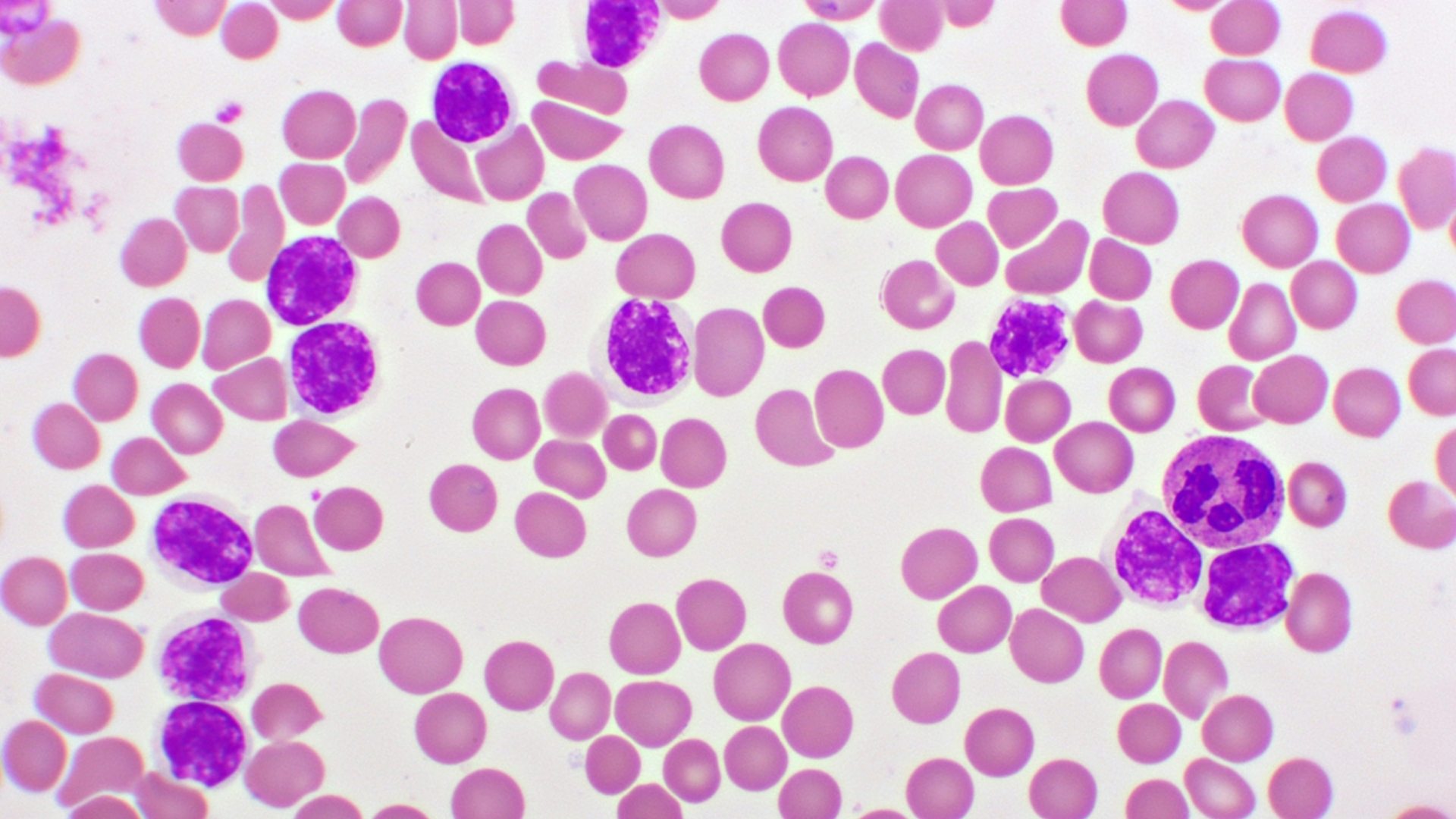
What is Chronic Lymphocytic Leukemia (CLL)?
Chronic Lymphocytic Leukemia (CLL) is a type of cancer that affects the blood and bone marrow by producing excessive amounts of abnormal lymphocytes, a subtype of white blood cells. These cancerous lymphocytes accumulate slowly, gradually impacting the body’s ability to fight infections effectively.
The most notable metabolic hallmark observed in Chronic Lymphocytic Leukemia (CLL) is the Warburg effect. In this scenario, cancerous cells consume glucose at a rate 200 times higher than normal cells. This phenomenon leads to rapid growth and proliferation, making targeted metabolic therapy an optimal treatment approach.
Understanding Chronic Lymphocytic Leukemia (CLL) Biology
In normal scenarios, lymphocytes help combat infections and bolster immunity. However, in the context of Chronic Lymphocytic Leukemia (CLL), these malignant lymphocytes lose their functionality and begin accumulating uncontrollably. Consequently, healthy red blood cells, platelets, and other white blood cells become disadvantaged due to limited space and resources in the blood and marrow.
- Rapid glucose uptake and metabolism provide energy for CLL cancer cells (Warburg effect).
- Unrestricted replication leads to overcrowded bone marrow and lymphatic tissues.
- Functional immune responses weaken, increasing vulnerability to infections.
Epidemiology and Regional Trends
Globally, Chronic Lymphocytic Leukemia (CLL) contributes significantly to the leukemia burden, particularly in older individuals. Annually, approximately 21,000 new cases are diagnosed worldwide, according to WHO 2024 guidelines. Predominantly affecting adults over age 60, CLL incidence gradually rises with advancing age—rarely presenting in young adults or children.
In Asia, including Hong Kong, CLL incidence is relatively lower than in Western countries; however, recent years have indicated a subtle uptick among older adults, emphasizing an increasing need for awareness, especially as the Asian population rapidly ages.
- Higher prevalence in males compared to females (Male-to-Female ratio approximately 2:1).
- Predominantly affects individuals of older age groups, notably those aged 60 years and above.
- Increase in cases correlates with higher median age and aging populations across Asia, notably in Hong Kong.
Emotional & Physical Impact of CLL
Chronic Lymphocytic Leukemia (CLL) presents gradual symptoms that often remain unnoticed initially. Over time, individuals commonly experience:
- Persistent fatigue or exhaustion
- Swollen lymph nodes (lymphadenopathy), often painless but noticeable
- Recurring infections due to weakened immunity
- Weight loss, night sweats, and occasional fever
- Emotional distress, anxiety, or depression arising from diagnosis uncertainty and long-term management challenges
Such impacts highlight the importance of empathetic clinical support, patient-friendly therapeutic protocols, and psychological interventions.
Learn more about cancer biology by visiting our dedicated Cancer Biology and Metabolism educational page, or discover our innovative diagnostic solutions at the Diagnostics Centre.
Causes and Risk Factors of Chronic Lymphocytic Leukemia (CLL)
Genetic & Molecular Factors Linked to CLL
Multiple genetic mutations and chromosomal alterations have been identified in connection with Chronic Lymphocytic Leukemia (CLL). Notable genetic markers include:
- Deletion of chromosome 13q (often related to slower disease progression).
- Deletion of chromosome 17p (often linked to aggressive disease).
- Mutations in TP53 gene, associated with drug resistance and poor prognosis.
- IgVH mutations indicating prognostic differences in disease progression.
Metabolic Vulnerabilities and Therapeutic Opportunities
Cancer cell metabolic dependencies, such as an increased reliance on glucose and sometimes glutamine metabolism pathways, represent targetable weaknesses. Approximately 50% of cancer cells significantly depend on glutamine for nucleotide synthesis:
- Targeting glucose metabolism pathways (Warburg effect) can disrupt cancer cell energy sources.
- Metabolic therapies reducing metabolic fuel sources have shown promising outcomes in clinical trials.
Environmental and Lifestyle Risk Factors
Potential environmental factors related to Chronic Lymphocytic Leukemia (CLL) include prolonged exposure to certain chemicals and radiation sources:
- Chemical exposure (e.g., benzene, agricultural pesticides).
- Ionizing radiation.
- Lifestyle factors, such as long-term tobacco usage, may marginally increase the risk of CLL.
Specific Risks in Hong Kong and Asia
Although data regarding unique Asian-specific risks are limited, aging populations are expected to significantly impact incidence rates in Hong Kong and neighboring regions. Early screening and optimal elderly care represent important preventative strategies. In Hong Kong, growing awareness and elder community education initiatives have demonstrated effectiveness in enhancing early detection.
Explore detailed resources about cancer prevention and early detection from trusted authorities like the World Health Organization (WHO) and the National Cancer Institute.
Discover how our revolutionary 4D Metabolic Therapy transforms Chronic Lymphocytic Leukemia (CLL) treatment. Schedule a consultation today and take the first step towards advanced metabolic cancer care.
Symptoms of Chronic Lymphocytic Leukemia (CLL)
Recognizing the early signs of Chronic Lymphocytic Leukemia (CLL) can significantly affect outcomes and treatment success. It’s crucial to seek prompt medical evaluation if any of these symptoms persist:
- Fatigue: Persistent tiredness or exhaustion due to anemia caused by the infiltration of leukemia cells in bone marrow affecting red blood cell count.
- Lymphadenopathy: Swollen lymph nodes, most frequently noticed in the neck, armpits, or groin areas, indicative of lymphocyte accumulation and disease progression.
- Frequent infections: Patients often experience recurring infections, correlating to compromised immune function secondary to leukemia cells overtaking normal white blood cells.
- Night sweats: Profuse sweating during nighttime, significantly impacting sleep quality, often indicating systemic inflammation and metabolic hyperactivity related to cancer cells.
- Unintentional weight loss: Weight reduction without dietary or lifestyle changes, a common systemic effect seen in chronic malignant conditions due to increased catabolism and altered nutrient metabolism.
- Easy bruising or bleeding: Platelet deficiency resulting from diseased marrow function can manifest through frequent bruising, minor injuries bleeding excessively, or spontaneous bleeding episodes.
- Abdominal discomfort: Splenomegaly or hepatomegaly caused by infiltration of leukemia cells, narrowing organ functioning, causing abdominal pressure or fullness.
- Pallor: Pale skin reflecting anemia or insufficient oxygen-carrying capacity, related to marrow suppression by cancerous lymphocytes.
- Low-grade fever: Fever episodes without clear infectious cause might indicate immune system alteration due to CLL.
- Shortness of breath: Often a result of severe anemia from infiltration within bone marrow affecting oxygen-carrying blood components.
Early detection of symptoms is critical for effective management, therefore medical consultation at the earliest stages optimizes treatment possibilities and significantly improves patient survival and quality of life outcomes. For advanced diagnosis procedures, explore available diagnostics.
Stages of Chronic Lymphocytic Leukemia (CLL) and Survival Rates
Understanding Chronic Lymphocytic Leukemia (CLL) stages helps patients and their families gain clarity on expected prognosis and the available therapeutic approaches tailored per disease progression. Below, we detail each stage and their corresponding characteristics relevant to the Hong Kong and broader Asia demographic:
Stage 1 – Early-Stage Chronic Lymphocytic Leukemia (CLL)
- Characterized by an increased lymphocyte count but minimal lymph node enlargement.
- Treatment in early-stage CLL may be observation and regular screenings (watch-and-wait approach), although specific interventions like gentle chemotherapy might be initiated strategically.
- Survival rates in Asia and particularly within Hong Kong indicate over 90% five-year survival at this stage, related to timely monitoring and effective early intervention practices.
Stage 2 – Intermediate Chronic Lymphocytic Leukemia (CLL)
- Lymph nodes enlargements are more pronounced at multiple locations, or the spleen and liver become slightly enlarged.
- Additional systemic symptoms may develop, reflecting accumulating leukemia cell burden.
- Therapeutic strategies may include targeted therapies, monoclonal antibodies, chemotherapy combinations, or metabolic interventions based on Nobel-backed studies from leading oncologists such as Dr. Li Guohua and Prof. Liu Guolong.
- Around 70–85% of patients at this stage, treated appropriately, achieve a five-year survival, reflecting significant advancements in chronic leukemia patient care.
Stage 3 – Advanced Chronic Lymphocytic Leukemia (CLL)
- At this stage, patients exhibit substantial lymph node enlargement and anemia due to the higher leukemia cell penetration within the bone marrow—decreasing normal blood cell production.
- Symptoms including fatigue, infections, and weight loss become more debilitating.
- Treatment involves aggressive multi-modality approaches (e.g., combination chemotherapy, immunotherapy, and novel metabolic methods), aiming for considerable leukemia cell reduction and symptom improvement.
- Sustained survival rates vary; approximately 50% to 70% of patients at stage 3 can achieve five-year survival, highlighting importance of comprehensive disease management strategies.
Stage 4 – Chronic Lymphocytic Leukemia (CLL) Severe Advanced Stage
- The most serious stage characterized by extremely high lymphocyte counts, significant anemia, thrombocytopenia (low platelet count), widespread lymphadenopathy, and often substantial enlargement of the spleen and liver.
- Metastatic infiltration can occur in vital organs, impacting function and quality of life significantly.
- Therapeutic approaches at stage 4 incorporate personalized systemic treatments including targeted therapies like BTK inhibitors, monoclonal antibodies combined with innovative metabolic therapies targeting glucose uptake (Warburg effect) and glutamine dependencies to exploit leukemic cells’ metabolic vulnerabilities.
- Patients face challenges, but increasingly advanced therapies—like those validated by global authorities such as FDA, EMA, and endorsed by MD Anderson, and Shenzhen Qianhai Taikang partnership—demonstrate positive results in chronic disease management.
- Statistical analysis in Hong Kong shows a 3 to 5-year survival average ranges from 20% to 30%, reflecting current advancements in innovative treatments and personalized care.
Early intervention significantly enhances outcomes across all stages. With dedicated research at AllCancer striving to transform malignancies into manageable chronic diseases by 2025, there increasingly exists hope for extended, quality living with comprehensive treatment strategies rooted in evidence and empathy. To discuss available therapies, visit our treatment options page.
Treatment Options for Chronic Lymphocytic Leukemia (CLL)
Chronic Lymphocytic Leukemia (CLL) therapy has significantly evolved over the years, drastically improving patient outcomes. However, therapeutic approaches greatly depend upon each patient’s disease stage, genetic profile, overall health condition, and personal preference. Here we explore current standard therapies and emerging alternatives showing considerable potential in Hong Kong and Asia.
Standard Chemotherapy and Immunotherapy
Chemotherapy remains a fundamental treatment option for Chronic Lymphocytic Leukemia (CLL), commonly involving combinations such as fludarabine, cyclophosphamide, and rituximab (FCR).
- Fludarabine induces apoptosis in rapidly proliferating cells, primarily through inhibition of DNA synthesis.
- Cyclophosphamide, another potent alkylating agent, disrupts DNA replication, complementing fludarabine-induced apoptosis.
- Rituximab, a monoclonal antibody targeting CD20 on B-cells, marks cancer cells for destruction by the immune system.
This combination regimen has demonstrated substantial survival benefits and high efficacy among first-line treatment patients in Hong Kong. However, patient tolerance and resulting toxicities require careful consideration.
Targeted Therapies in CLL Management
Targeted therapies have emerged vastly popular for treating CLL, revolutionizing therapeutic interventions with greater precision while minimizing collateral damage seen in traditional therapies. Key targeted agents include:
- Ibrutinib: A Bruton’s tyrosine kinase (BTK) inhibitor disrupting B-cell proliferation signaling pathways.
- Acalabrutinib: Another selective BTK inhibitor, representing improved tolerance and specificity, reducing bleeding and heart disorder risks compared to ibrutinib.
- Venetoclax: Targeting BCL-2 proteins critical in preventing apoptosis in leukemia cells, venetoclax has shown promising results even in resistant recurrent forms of CLL in Asian patient populations.
Personalized approaches integrating genetic profiling for mutations like TP53 have enhanced targeted therapeutic outcomes significantly in recent years.
Stem Cell Transplantation in Advanced CLL
Allogeneic Hematopoietic Stem Cell Transplantation (HSCT), reserved for select advanced-stage or high genetic-risk patients, involves donor stem cells replacing patient marrow post-intensive chemotherapy.
- This procedure can significantly improve long-term remission rates, especially favorable for patients with limited therapeutic responses from standard treatments.
- However, potential complications such as Graft-versus-Host Disease (GvHD) and severe infections require skilled, experienced oncological teams available at specialized Hong Kong centers.
Innovative Metabolic Therapies
Cancer cell metabolic vulnerabilities provide exciting potential therapeutic targets in Chronic Lymphocytic Leukemia (CLL).
- Glucose metabolism inhibition: Targeting glucose metabolism pathways (Warburg effect) disrupts energy production crucial to aggressive leukemia cell proliferation.
- GLUT transporter blockers: Drugs that specifically block glucose transporter proteins, mainly GLUT1/GLUT3, show potential by selectively starving cancer cells without extensively affecting normal cells.
- Glutamine metabolism inhibitors: Cancer cells are highly dependent on glutamine metabolism, making this an attractive focus for novel therapeutic strategies aimed at metabolic disruption and apoptosis induction.
Personalized Treatment Importance in Hong Kong and Asia
As treatment outcomes vary significantly based on genetic profiles and overall patient health statuses, healthcare providers in Hong Kong emphasize personalized medicine frameworks. Therapeutic selections tailored based on extensive genomic profiling and intended therapeutic outcomes significantly optimize survival and quality of life.
Limitations of Traditional Therapies for Chronic Lymphocytic Leukemia (CLL)
Despite the advancements in treatments, Chronic Lymphocytic Leukemia (CLL) presents significant therapeutic challenges. Traditional therapies—though valuable—often possess limitations and side effects adversely affecting patient outcomes and quality of life.
Chemotherapy Conundrums
Chemotherapeutic regimens, such as FCR, while effective initially for many patients, are associated with substantial side effects, potentially limiting their long-term utility and impacting quality of life in Hong Kong’s population.
- Bone marrow suppression: Over 70% of patients experience significant declines in immune function, heightening infection susceptibility and resulting in prolonged hospitalizations and treatment interruptions.
- Cardiac toxicity: Approximately 23% experience cardiac adverse events attributed to anthracycline-based chemotherapy, compromising heart health substantially.
- Secondary cancers: Increased risk (up to 300%) of therapy-related cancers significantly burdens long-term survivor outcomes.
Radiotherapy-related Adverse Effects
Radiation therapy, administered in residual lymphadenopathy or palliation settings, also carries notable potential adverse outcomes affecting Hong Kong patients:
- Tissue damage: Healthy tissue injuries frequently accompany radiation therapy, causing chronic pain.
- Secondary malignancies: Post-radiation cellular damage may increase later risk of secondary cancers, complicating patient prognoses significantly.
Limitations Associated with Surgery and Transplant Procedures
Surgical approaches (e.g., splenectomy) for CLL complications bear inherent risks, including:
- Surgical complications: Risks of infection remain prevalent post-surgery despite medical advancements and perioperative antibiotic administration, significantly delaying patient rehabilitation.
- High dependency on donor availability: Stem cell transplant recipients depend heavily on donor marrow availability—particularly challenging within the Asian region.
Metabolic Resistance and Disease Recurrence
Cancer cell population resistance mechanisms further complicate treatments:
- Enhanced DNA repair capabilities: Cancer cells demonstrate approximately 400% increased activity in DNA repair enzymatic processes, reducing effectiveness of genotoxic therapies.
- Metabolic plasticity: Tumors adapt quickly by reprogramming metabolic pathways, limiting sustained responses to traditional treatments and underscoring the need for innovative metabolic therapeutic approaches.
By recognizing traditional therapy limitations and leveraging new knowledge regarding metabolic cancer cell vulnerabilities and targeted therapeutic innovations, comprehensive CLL management advancements provide substantial optimism for improved patient care outcomes, particularly within Hong Kong and broader Asian contexts.