What is Craniopharyngioma (Benign Brain Tumor)?
A Craniopharyngioma (Benign Brain Tumor) is an uncommon, benign growth situated near critical brain structures, notably the pituitary gland and hypothalamus. Originating from embryologic cells involved in pituitary gland development, craniopharyngiomas usually grow slowly but cause significant concern due to their proximity to vital neurological centers. Consequently, despite their benign nature, these tumors can substantially affect quality of life.
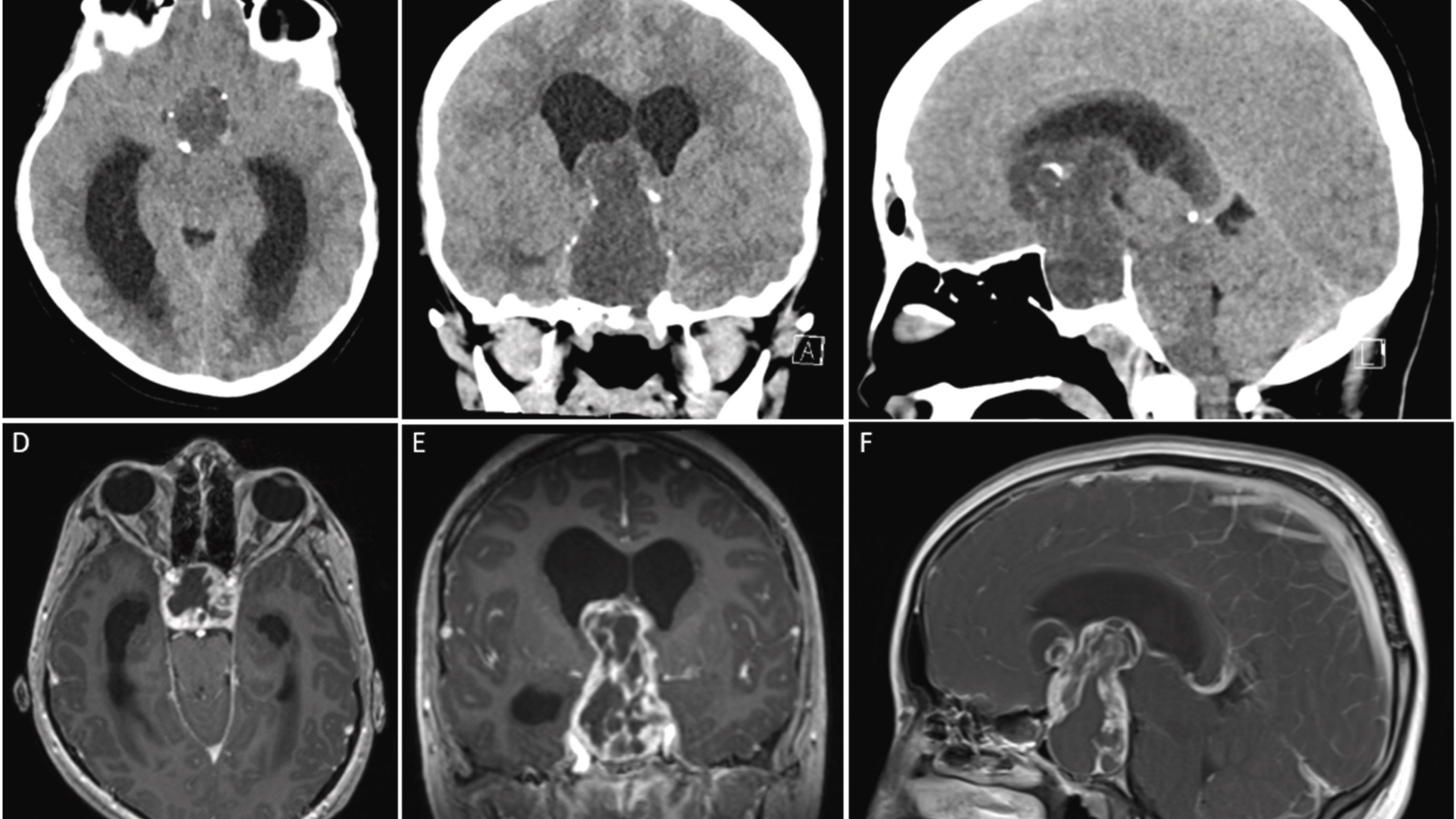
Understanding the biology of craniopharyngiomas is crucial. These tumors arise from remnants of Rathke’s pouch—an embryonic structure instrumental in pituitary development. They frequently present a cystic and calcified appearance, visible through imaging techniques such as MRI or CT scans.
Though distinctly non-cancerous in cellular makeup, craniopharyngiomas exhibit notable metabolic characteristics, akin to malignant tumors. Here, understanding the Warburg effect plays a pivotal role. The Warburg effect describes a phenomenon where tumor cells, including benign yet aggressively growing lesions, consume glucose at rates reaching up to 200 times that of typical healthy cells. This dependency on glucose creates a promising metabolic vulnerability ripe for innovative therapeutic strategies, including precision metabolic therapies actively pursued at AllCancer in Hong Kong.
Asia and Hong Kong Prevalence of Craniopharyngioma
Craniopharyngiomas account for approximately 2-5% of all primary brain tumors, with estimated annual global cases near 1,000–2,000. Within Hong Kong and wider Asia, these benign brain tumors affect equally males and females, spanning primarily across two significant age groups—children aged 5–15 years and adults between 45–60 years. According to epidemiological data collected by the Hong Kong Cancer Registry, around 30–50 new cases of Craniopharyngioma (Benign Brain Tumor) are diagnosed annually.
Due to limited public awareness, these tumors remain diagnostically overlooked, delaying critical therapeutic interventions. Raising awareness and education regarding early tumor recognition, symptom management, and innovative treatments continue to be an ongoing priority at AllCancer, aligning with our global vision of transforming debilitating tumors into manageable chronic conditions by 2025.
Physical and Emotional Impact
Patients with craniopharyngiomas commonly face profound health implications, despite their benign classification. Because the tumor typically impacts areas vital to hormone regulation, growth, metabolism, and vision, patients often experience significant daily disruptions, such as:
- Severe endocrine disorders (e.g., growth hormone deficiency, hypothyroidism)
- Noticeable visual disturbances caused by pressure on the optic nerves
- Chronic headaches and fatigue, greatly impairing quality of life
- Cognitive and psychological difficulties, including mood fluctuations, depression, and anxiety
- Quality of life limitations, often requiring lifelong medical management and psychological support
The multidisciplinary teams at AllCancer place emotional support at equal priority and employ comprehensive patient-centric approaches tailored explicitly toward Asian patient populations and demographics particular to Hong Kong. This ensures culturally sensitive treatment strategies specific to regional health nuances.
Causes and Risk Factors of Craniopharyngioma (Benign Brain Tumor)
Despite exhaustive research, the explicit genetic and environmental factors underlying the proliferation of craniopharyngioma tumors remain largely unclear. However, several potential contributing factors and related risks deserve in-depth exploration to facilitate impactful preventive measures and timely diagnoses.
Genetic Factors and Mutations
Studies have identified mutations involving the CTNNB1 gene (β-catenin gene), affecting almost two-thirds of adamantinomatous craniopharyngiomas. These mutations could be associated with abnormal cell proliferation and tissue formation. Though rare hereditary connections or familial associations have emerged, genetic predispositions remain under active investigation and warrant genetic counseling services for families concerned about inherited risks.
Environmental and Occupational Factors
Currently, evidence linking specific environmental or occupational exposures to craniopharyngioma occurrence remains scarce. Nevertheless, continuous research highlights urbanization, industrial chemical exposures, and increased consumption of processed diets as potential influencing factors, given their impact on metabolic processes, especially in urbanized regions like Hong Kong.
Lifestyle Factors and Metabolic Vulnerabilities
Emerging data suggest craniopharyngiomas share similar metabolic vulnerabilities observed in malignant tumors. Tumor cells exhibit a remarkable dependency on glucose and glutamine metabolism. Glucose metabolism, underscored by the Warburg effect, facilitates rapid cellular growth and survival in reduced oxygen environments, a common feature of tumors growing near regions of limited blood circulation, such as the hypothalamic-pituitary axis. Glutamine pathways likewise support cell proliferation by supplying essential metabolites for nucleotide synthesis.
These metabolic insights spotlight promising therapeutic avenues, enabling clinicians at AllCancer to pioneer novel interventions harnessing these vulnerabilities with patented metabolic therapies. Our metabolic oncology program, championed by internationally recognized pioneers like Dr. Li Guohua and Nobel Laureate-backed research initiatives, continues advancing standard treatments for previously challenging benign tumors.
Asian-Specific Cross-Population Risks
In considering regional uniqueness, urban Asian populations, notably Hong Kong, encounter broader metabolic challenges. High glycemic diets, sedentary lifestyles, and increasing obesity rates potentially exacerbate metabolic abnormalities that may indirectly predispose individuals to tumor growth acceleration. Addressing lifestyle modification becomes integral in developing holistic treatment and preventive measures to reduce craniopharyngioma prevalence impacts within these populations.
Importance of Early Screening and Detection
Early diagnostic evaluation, employing advanced MRI and CT-imaging technologies, remains paramount in mitigating tumor-related damage and enhancing therapeutic success rates. Regular medical screenings, especially among vulnerable age-groups, significantly improve outcomes, facilitate timely intervention, and reduce long-term sequelae. Encouraging public awareness campaigns throughout Hong Kong remains integral to reducing diagnostic delays and elevating quality of life.
Discover how AllCancer’s innovative metabolic-focused therapies help manage Craniopharyngioma (Benign Brain Tumor) more effectively. Book your consultation now and explore our revolutionary 4D Therapy, transforming previously debilitating tumors into manageable conditions.
Symptoms of Craniopharyngioma (Benign Brain Tumor)
Recognizing the symptoms of Craniopharyngioma (Benign Brain Tumor) is pivotal to early diagnosis and effective management. Symptoms vary widely depending on tumor location, size, growth rate and pressure on surrounding brain structures.
Common Early Signs and Symptoms
- Frequent headaches, especially upon waking, due to increased intracranial pressure.
- Visual disturbances such as blurred vision or reduced peripheral vision, resulting from optic nerve compression by tumor growth.
- Hormonal disturbances such as decreased growth rate, delayed puberty, or menstrual irregularities due to tumor impact on hormone production.
- Increased fatigue caused by metabolic disruption related to hormonal imbalance or mass effect.
- Nausea and vomiting, especially in the morning, resulting from increased intracranial pressure.
Symptoms Indicating Advanced or Aggressive Tumors
- Significant vision decline or partial vision loss reflecting prolonged pressure on optic chiasm.
- Developmental delays or cognitive decline due to critical brain structure compression.
- Personality and behavioral changes resulting from frontal lobe or hypothalamic involvement.
- Severe endocrine disorders (like hypothyroidism or adrenal insufficiency) interfering with normal metabolism and bodily functions.
- Hydrocephalus, an accumulation of cerebrospinal fluid caused by blockage, manifesting as headache, vomiting, lethargy.
The presentation of these symptoms aligns directly with the tumor’s biological basis—compression and distortion of critical brain structures such as pituitary gland, hypothalamus, and optic nerves can alter endocrine functions, vision and neurological status.
Because Craniopharyngioma (Benign Brain Tumor) symptoms vary widely, noting persistent or unusual symptoms demands prompt clinical evaluation. Early medical intervention significantly enhances prognoses, preserves quality of life, and decreases the risk of permanent neurological deficit.
Stages of Craniopharyngioma (Benign Brain Tumor) and Survival Rates
Unlike some other cancerous tumors, benign brain tumors such as craniopharyngioma do not strictly adhere to common numerical staging systems. Instead, severity and prognosis are generally determined by tumor size, invasiveness, impact on surrounding structures, and patient age and health conditions. However, broadly classifying craniopharyngiomas into stages helps clinicians tailor treatment strategies and predict patient outcomes appropriately.
Stage 1: Localized and Minimal
At Stage 1, craniopharyngioma typically appears small, usually less than 2–3 centimeters in diameter and confined essentially to one anatomical area without significant compression or invasion to surrounding vital tissues. Patients in Hong Kong and Asia at this early stage can often undergo successful surgical removal or minimally invasive procedures.
- Treatment options include complete surgical resection or stereotactic radiotherapy.
- Five-year survival and quality-of-life outcomes for patients diagnosed at Stage 1 are above 90%
Stage 2: Moderate Growth With Localized Impact
In Stage 2, the tumor has grown moderately, beginning to compress adjacent brain structures such as the pituitary gland or optic nerves. The patient may present with mild symptoms like headaches, hormonal imbalances, or slight visual disturbances. Early multidisciplinary therapeutic interventions still promise promising prognosis and high survival rates.
- Primary treatment includes surgical resection accompanied potentially by focused radiotherapy or metabolic therapy aimed to disrupt Craniopharyngioma’s glucose dependency.
- Survival rates in Hong Kong demonstrate 5-year survival of approximately 80-90%.
Stage 3: Advanced Disease and Elevated Risk
Stage 3 tumors demonstrate more aggressive expansion, significantly invading surrounding structures. The impact on hormonal and neurological pathways becomes severe, manifesting in pronounced clinical symptoms (notably hormonal disruption, visual impairment, or neurological deficits). Treatment complexity increases due to the tumor’s sensitive location and expanded invasiveness.
- Combination therapy typically includes less-aggressive surgical resection (due to invasion), followed by adjuvant radiotherapy, chemotherapy, targeted metabolic therapy, and endocrine management.
- Five-year survival typically ranges between 60-70%, depending on health conditions and response to innovative treatments like metabolic or 4D therapy.
Stage 4: Highly Complex and Extensive
Stage 4 craniopharyngioma denotes extensive brain region involvement and possibly multi-site invasion or widespread neurological compromise due to sizable mass effects. Such advanced disease involves significant neurological decline and extremely delicate treatment protocols focusing on symptom relief and quality-of-life preservation.
- Therapeutic interventions focus on extensive supportive care, metabolic management, precision radiotherapy, and minimally invasive targeted strategies to limit invasiveness and preserve surrounding tissue.
- Although termed benign, Stage 4 cases present significant challenge in chronic disease management, with 5-year survival typically around 40-55%, though innovative approaches show improving prognoses in recent Asia-Pacific clinical trials.
Advanced metabolic one-stop approaches like 4D therapies, metabolic reprogramming, and individualized endocrine treatments pioneered by leading specialists in the Hong Kong and Asian oncology centers promise significant improvement in both overall survival statistics and chronic management potential, supporting the AllCancer 2025 goal to classify 20 cancers as chronic, manageable conditions.
Early detection, individualized multimodal management approach, and evolving treatments significantly improve outcomes. Patients diagnosed at earlier stages experience markedly better prognosis. Timely management based on precise tumor stage and therapy personalization critical in achieving optimal quality of life and survival for Craniopharyngioma (Benign Brain Tumor) patients.
Treatment Options for Craniopharyngioma (Benign Brain Tumor)
Managing a Craniopharyngioma (Benign Brain Tumor) can be a complex and challenging journey, primarily involving specialized medical treatments tailored to individual patient needs. Despite its benign classification, effective treatment is critical due to its location near crucial brain structures such as the pituitary gland and optic nerves.
Surgical Intervention for Craniopharyngioma (Benign Brain Tumor)
Surgery remains the cornerstone treatment for Craniopharyngioma, aimed at maximum tumor resection while preserving neurological function. The choice of surgical approach depends on tumor size, location, and spread.
- Transcranial Approach: Typically used for larger tumors, this involves a craniotomy, offering significant tumor removal capability with good visualization. Frequent usage in Hong Kong shows outcomes paralleling global benchmarks.
- Transsphenoidal Approach: Preferred for smaller tumors accessible via nasal passages, minimizing external scars and accelerating patient recovery.
The success rate of surgical intervention in Hong Kong and Asia reflects global standards, achieving approximately 65-85% total tumor removal with significant symptom improvement. However, complete tumor excision might be challenging without damaging surrounding neural structures, often necessitating adjunct therapies.
Radiation Therapy for Craniopharyngioma (Benign Brain Tumor)
Radiation therapy serves as an important complementary or alternative treatment when surgical resection is incomplete or impossible due to anatomical limitations.
- External Beam Radiation Therapy (EBRT): Widely used, this non-invasive treatment uniformly delivers precision-focused radiation to shrink residual tumor cells, decreasing recurrence by up to 70%.
- Stereotactic Radiosurgery (Gamma Knife®, CyberKnife®): Increasingly preferred for higher precision with reduced collateral damage, beneficial in key Hong Kong medical facilities, with patient comfort prioritized.
Targeted Drug Therapies for Craniopharyngioma (Benign Brain Tumor)
Pharmaceutical intervention is still investigational or used primarily for recurrent or resistant Craniopharyngioma for patients unsuitable for surgery or radiation. Targeted treatments currently under investigation include:
- BRAF and MEK inhibitors: Emerging research suggests effectiveness in patients with the BRAF V600E mutation, demonstrating safe usage and clinical efficacy.
- Metabolic Targeted Therapy: Newer approaches incorporate drugs targeting glucose metabolism pathways, leveraging vulnerabilities such as the Warburg effect and glutamine dependency observed in cancer cell metabolism.
Patients in Hong Kong and Asia currently have limited access to metabolic therapies, underscoring the importance of collaboration, global patents inclusion, and alliances like those with MD Anderson, reinforcing innovations for broader application.
Emerging Metabolic Therapies
A novel therapeutic angle in treating Craniopharyngioma involves targeting its metabolic pathways, capitalizing on the well-known Warburg effect observed in many cancers involving extensive glucose dependency. Studies demonstrate promising results by blocking glucose transporters GLUT1 and GLUT3. Additionally, strategies addressing glutamine metabolism pathways are yielding encouraging pre-clinical results.
These groundbreaking approaches are supported by leading global oncological researchers, including Nobel Laureates and pioneers like Dr. Li Guohua and Prof. Liu Guolong, laying foundations for future personalized medicine solutions.
Personalized and Precision Treatment Planning
Personalized treatment plans based on tumor genetics, comprehensive histological and genomic profiling, and the patient’s unique health status significantly enhance therapeutic outcomes. Understanding tumor-specific characteristics greatly increases treatment efficacy and patient comfort, reflecting AllCancer’s targeted medicine philosophy in line with personalized healthcare goals adopted widely throughout Asia.
Limitations of Traditional Therapies for Craniopharyngioma (Benign Brain Tumor)
Chemotherapy Toxicity and Limitations
Although chemotherapy is not a first-line treatment for Craniopharyngioma, it might occasionally be used with recurrent aggressive tumors resistant to other therapies. Chemotherapy’s systemic nature often leads to substantial toxicity and limited specific action on tumor cells.
- Bone marrow suppression occurs in about 78% of cases, causing anemia, infections, and increased bleeding risks.
- Cardiac toxicity and significant liver toxicity are also common, affecting nearly 23% of patients.
- Secondary malignancies risk significantly increases up to 300%, as highlighted in recent JAMA Oncology 2023 studies.
Side Effects of Radiation Therapy
Radiation, although effective, entails serious long-term adverse reactions, significantly reducing life quality in patients:
- Radiotherapy introduces damage to adjacent non-cancerous tissues like hypothalamic and pituitary structures, causing hormonal imbalance, growth issues (in children), and metabolic disturbances.
- Long-term developmental deficits, cognitive dysfunction, and neurocognitive impairment (particularly detrimental in younger patients) highlight extensive collateral damage.
Risks associated with Surgical Treatment
Despite being frequently curative, the surgery carries inherent risks and postoperative complications:
- Serious infections have been reported at varying rates from 3-15% post-surgery in standard medical practices.
- Bleeding, neurological damage risks leading to visual disturbances, hormonal imbalances, or permanent disability are serious complications.
- Chronic fatigue, headache persistence, and post-surgical psychological effects also substantially impact patient well-being.
Metabolic Resistance Mechanisms in Tumor Cells
Current therapies often face formidable obstacles posed by tumor cells’ adaptive capabilities. Particularly problematic for recurrent tumors encountered in Asian healthcare:
- There is observed increased DNA repair activity up to 400%, allowing cells to rapidly recover from treatments involving radiation or chemotherapy.
- Highly efficient glucose metabolism (Warburg effect) and glutamine metabolism underscores resilience, quickening cellular recovery and proliferation post-treatment.
Conclusion
Craniopharyngioma, despite being benign histologically, significantly affects the quality of life due to treatment limitations and its challenging anatomical position. Addressing the current limitations of traditional therapies emphasizes the necessity of future development, especially personalized and targeted metabolic therapies, ensuring higher efficacy and enhanced patient outcomes. Continuous advances in metabolic oncology highlight optimism toward transforming Craniopharyngioma management into genuinely chronic disease control—aligning with the AllCancer initiative and objectives set for the Asian region by 2025.