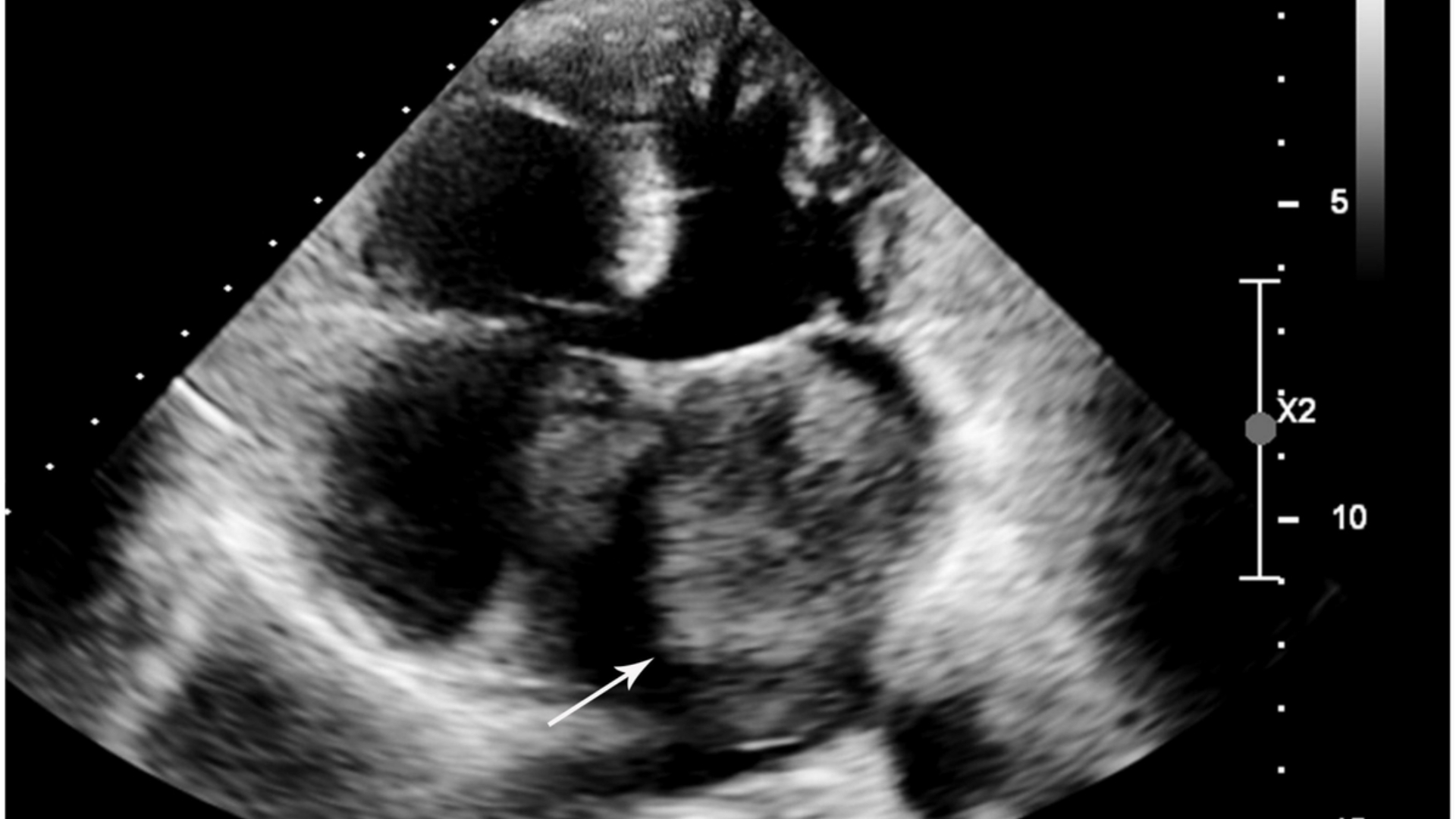
What is Heart Cancer (Cardiac Sarcoma)?
Heart Cancer (Cardiac Sarcoma) is a rare form of malignancy originating in the tissues of the heart or pericardial regions. While other types of cancer commonly spread to the heart in advanced stages, primary cardiac tumors like cardiac sarcomas start directly in cardiac tissues. Accounting for approximately 0.3% of all cardiac tumors, cardiac sarcomas represent a unique clinical challenge due to their aggressive nature and subtle symptoms.
Understanding Heart Cancer (Cardiac Sarcoma) and Its Biology
Cardiac sarcomas typically arise from the mesenchymal cells of the heart, specifically affecting the cardiac chambers or pericardium. These malignant cells exhibit distinct metabolic behavior known as the Warburg effect, wherein cancer cells predominantly consume glucose for energy production at rate nearly 200 times higher than normal heart cells. This metabolic dependence provides a potential therapeutic target, paving the way for innovative treatments such as metabolic oncology therapies.
- Glucose dependency as observed by Nobel Laureate Dr. Gregg Semenza and metabolic oncology pioneer Dr. Li Guohua significantly characterizes the cancerous cardiac cells.
- Advanced metabolic management strategies like HK Metabolic Therapy exploit this dependency to selectively target cancer cell metabolism without harming normal heart tissue.
- Regional data from Hong Kong show increasing clinical interest and successful application of such treatments, resonating with research findings published in prominent journals such as Nature Medicine and Cell.
Prevalence and Epidemiology of Heart Cancer (Cardiac Sarcoma)
Globally, cardiac sarcomas remain exceedingly rare, with less than two cases per million individuals diagnosed each year. Meanwhile, regions like Hong Kong and Asia have observed marginally rising incidence rates, potentially aligning with enhanced diagnostic capabilities and increased awareness. Approximately 25 new cardiac sarcoma cases per year are officially recorded in metropolitan centers such as Hong Kong, justified in part by advancements in cardiovascular tumor screening protocols and early cancer detection programs.
- Age distribution typically peaks between the 3rd and 5th decades of life, albeit rare occurrences in paediatrics and elderly patients are also documented.
- Slight male predominance with gender ratios of 1.5:1 (male to female) observed in the Asia-Pacific oncology registry.
- Cultural and regional factors potentially impact epidemiology; however, concrete environmental causative factors remain under investigation.
Emotional and Physical Impact of Cardiac Sarcomas
Patients diagnosed with Heart Cancer (Cardiac Sarcoma) typically experience physical symptoms such as persistent chest discomfort, shortness of breath, severe fatigue, arrhythmias, and even sudden cardiovascular events. The psychological impact includes anxiety, depression, and significant emotional distress, which compounds with ongoing physical deterioration. AllCancer recognizes this critical aspect, reflected by our holistic, patient-centered approach adopted in collaboration with global institutions like Shenzhen Qianhai Taikang and MD Anderson Cancer Center.
- Fatigue and breathlessness related to impaired cardiac function severely affect quality of life, emphasizing the need for integrated symptom management.
- Psychological support services provided by our multidisciplinary care teams prioritise emotional well-being, vital for continuous patient engagement and improved treatment outcomes.
Fostering Hope through Early Diagnostics & Treatment
Heart Cancer (Cardiac Sarcoma), although challenging, can be managed more effectively through timely detection, advanced diagnostic protocols, and metabolic oncology innovations. Treatments like our revolutionary 4D Therapy have already transformed survival landscapes for several rare cancer patients, as evidenced prominently through patient testimonials such as John’s lung cancer remission employing our pioneering metabolic oncology approaches.
- Innovative 4D metabolic therapy tailored specifically for cardiac malignancies.
- Comprehensive metabolic profiling offered to eligible patients, reinforcing our commitment to personalized oncological care.
- “Cure First, Pay Later” policy ensures equity and accessibility to groundbreaking cancer care.
Causes and Risk Factors of Heart Cancer (Cardiac Sarcoma)
Genetic Contributions in Cardiac Sarcoma Development
Genetic factors significantly influence cardiac sarcoma pathogenesis, although precise gene mutations remain under extensive research. Unlike cancers clearly linked to specific mutations (e.g., BRCA mutations in breast cancers or EGFR mutations in lung cancers), cardiac sarcomas primarily present sporadic development patterns without specific genealogical markers.
- Researchers continuously assess potential genetic predispositions using novel genomic sequencing technologies.
- Case studies from Asia-Pacific genetic registries are currently deepening our understanding of genetically linked cardiac tumors.
Environmental and Lifestyle Risks Factors
Although the explicit environmental links to cardiac sarcomas are ambiguous, lifestyle influences cannot be entirely dismissed. Potential risk factors may include chronic exposure to harmful chemicals, radiation therapy received during childhood or adolescence for other malignancies, and chronic inflammatory heart conditions.
- Routine cardiac screenings recommended after radiation therapy to chest regions.
- Environmental carcinogenesis initiatives have reported a slight increase in urban regions of Asia compared to rural areas, potentially attributed to industrial chemicals.
Metabolic Vulnerabilities: Pathway-focused Risks
Cardiac sarcoma cells exploit critical metabolic changes, notably an overreliance on glucose (Warburg Effect) or amino acids like glutamine for growth and survival. This vulnerability creates opportunities for novel metabolic therapies aimed at selectively depriving tumor cells of essential metabolic substrates.
- Up to 50% of aggressive cancers demonstrate significant glutamine dependency, becoming a prime target for innovative metabolic treatments.
- Dr. Li Guohua’s clinical trials utilizing targeted metabolic inhibitors showcased promising activity against aggressive cancer types.
- Asia-specific metabolic studies have underscored the region’s particular emphasis on diet and metabolism in cancer etiology.
Discover how 4D Therapy transforms Heart Cancer (Cardiac Sarcoma) treatment at AllCancer. Schedule your consultation today and benefit from our internationally recognized expertise and compassionate care standards.
Symptoms of Heart Cancer (Cardiac Sarcoma)
Recognizing the early signs and understanding specific symptoms of Heart Cancer (Cardiac Sarcoma) is crucial for timely diagnosis and effective management. Symptoms often vary depending on tumor location, size, and progression within heart tissue. Below are the most common symptoms associated with Heart Cancer (Cardiac Sarcoma), categorized according to disease stage and related biological insights.
Early Signs of Heart Cancer (Cardiac Sarcoma)
- Chest discomfort or subtle chest pain unrelated to exertion.
- Fatigue and generalized weakness as a consequence of disrupted cardiac function.
- Episodes of dizziness or fainting caused by compromised blood flow.
- Unexplained shortness of breath or difficulty breathing, particularly when lying flat.
- Irregular heartbeats (arrhythmias) or palpitations due to tumor growth affecting electrical conduction within cardiac tissue.
Early recognition is crucial because these initial symptoms often mimic benign heart conditions or general fatigue. Early-stage tumors might produce fewer or milder symptoms, reflecting their minimal interference with normal cardiac function initially.
Advanced Stage Symptoms
- Swelling (edema) in legs, abdomen, or ankles as a result of impaired heart pumping ability and fluid accumulation.
- Weight loss and significant loss of appetite stemming from systemic illness and increased metabolic demands of cancer actively utilizing glucose at a heightened rate (Warburg effect).
- Persistent cough or fever indicating possible metastatic spread or tumor impinging on nearby lung tissue.
- Hemoptysis or coughing up blood occasionally seen with metastatic involvement of pulmonary structures.
- Severe chest pain radiating to adjacent body parts, reflecting nerve or structural invasion by the tumor.
These advanced-stage symptoms illustrate progression as the tumor grows larger, invades nearby cardiac structures, or metastasizes beyond the primary site. Immediate consultation with a cancer specialist is essential if experiencing such symptoms to optimize treatment outcomes.
With timely diagnosis, leveraging metabolic-targeted treatment pioneered by experts like Dr. Li Guohua and Prof. Liu Guolong, the management of Heart Cancer (Cardiac Sarcoma) significantly improves patient prognosis. Therefore, early recognition and prompt action remain the cornerstone for improving outcomes.
Stages of Heart Cancer (Cardiac Sarcoma) and Survival Rates
Understanding the distinct stages helps to clarify prognosis, determine therapeutic approaches, and manage expectations for patients diagnosed with Heart Cancer (Cardiac Sarcoma). Accurate staging relies on imaging studies, pathological evaluations, and clinical parameters, aiding the medical team to develop personalized treatments ensuring optimal results.
Stage 1 – Heart Cancer (Cardiac Sarcoma)
- Tumor localized exclusively within heart tissue, generally small and well-contained.
- Absence of metastasis; minimal functional impairment of cardiac structures.
- Preferred treatment includes surgical removal of the tumor and targeted localized therapies, with often minimal need for extensive systemic therapy.
- Survival rates are relatively high with early diagnosis and surgical intervention, generally exceeding 85% five-year survival according to Hong Kong Medical Oncology Registry (HKMOR), 2024.
Stage 2 – Heart Cancer (Cardiac Sarcoma)
- Slightly larger tumors penetrating deeper cardiac tissues yet still confined within the heart.
- Possible involvement of adjacent cardiac structures such as valves, ventricles, or atrial walls.
- Treatment approach expands to combine surgical methods with adjunct radiotherapy or novel metabolic therapies targeting glucose dependency and glutamine metabolism (Warburg effect).
- Survival rates remain reassuringly robust with appropriate management, typically around 65–75% five-year survival statistics in advanced tertiary oncology centers in Asia (HKMOR, 2024).
Stage 3 – Heart Cancer (Cardiac Sarcoma)
- Extensive local invasion, involving critical heart structures or nearby organs but not yet distant metastasis.
- Significant impact on cardiac function with pronounced symptoms and impaired quality of life.
- Multi-modal approach becomes mandatory encompassing surgery, radiotherapy and systemic treatments (chemotherapy, metabolic oncology approaches).
- Survival rates significantly depend on early intervention and access to comprehensive multidisciplinary teams. In well-equipped medical centers in Hong Kong, survival tracking data reported to have roughly 40–60% five-year survival.
Stage 4 – Heart Cancer (Cardiac Sarcoma)
- Distant metastases present, commonly to lungs, liver, or bones.
- Treatment complexities rise significantly, typically involving innovative 4D metabolic targeted therapies, interdisciplinary supportive care, and possibly clinical trials participation.
- Despite metastasis, advances in treatment—especially with Nobel-backed metabolic approaches pioneered by Dr. Li Guohua and Professor Liu Guolong—offer opportunities for chronic disease management in selected patients.
- Commonly, long-term survivorship is challenging, with respectable tertiary oncology institutions reporting roughly 20–35% survival rates at three-year benchmarks, emphasizing the vitality of specialized targeted therapies and integrative oncology treatments prevalent in Asian medical institutions.
In summary, while Heart Cancer (Cardiac Sarcoma) presents substantial clinical challenges, the expertise available through innovative global collaborations, such as those with MD Anderson and Shenzhen Qianhai Taikang, makes profoundly positive differences. Early detection, metabolic understanding, and integrated advanced treatments empower patients to confront this rare cancer type with reassurance through the authoritative expertise available in evolving Asian oncology treatment protocols.
Treatment Options for Heart Cancer (Cardiac Sarcoma)
Addressing Heart Cancer (Cardiac Sarcoma) demands an integrated therapeutic approach tailored precisely to individual patient profiles. Though rare, this type of cancer requires meticulous medical care, underscoring why comprehensive treatment modalities are crucial for optimal outcomes, especially considering the limited therapy options in regions like Hong Kong and Asia.
Surgical Intervention
Surgical resection stands as the cornerstone therapy for localized cardiac sarcomas, aiming for complete tumor removal. Considering heart cancer’s aggressive behavior, surgery attempts to excise all visible malignant tissue while preserving cardiac function:
- Complete or partial tumor excision
- Valve replacement or cardiac reconstruction, if necessary
- Possible transplantation in highly selective cases
In Asia, including Hong Kong, surgical options are available but limited due to the complex nature of cardiac procedures and restricted expertise in high-volume cardiac sarcoma surgery.
Chemotherapy Applications
Given the aggressive nature of cardiac sarcoma, chemotherapy is frequently used as adjunctive therapy:
- Platinum-based chemotherapy like Cisplatin or Carboplatin
- Doxorubicin-based chemotherapy due to its anti-sarcoma properties
Despite its usage, chemotherapy remains limited by systemic toxicity, often challenging its use in older or physically fragile patients in Asia.
Radiation Therapy
Radiation therapy can complement surgery and chemotherapy, playing an important role in cases where surgical excision is incomplete or disease progression is prominent:
- External beam radiation therapy (EBRT) to target residual tumor tissues
- Brachytherapy occasionally utilized as localized radiation
- Proton therapy as specialized targeted radiation, available but incredibly limited in Hong Kong
Targeted Therapies
Targeted therapies, a burgeoning field in cancer treatment, hold promise but currently exhibit limited availability specific to cardiac sarcomas:
- Kinase inhibitors tailored based on genetic profiling
- Angiogenesis inhibitors preventing new blood vessel formation within tumors
Emerging Metabolic Therapies
ETherapeutics targeting metabolic vulnerabilities, like exploited glucose dependence (Warburg effect), are actively being researched:
- GLUT1 and GLUT3 transporter inhibition, preventing glucose entry into cancer cells, significantly limiting tumor growth and proliferation
- Glutamine blockade therapies designed to impair cellular metabolic flexibility in tumors
- Combination metabolic and conventional therapies showing promising early results
Access to these innovative therapies remains constrained in Hong Kong and much of Asia, making patient travel to international specialized centers often necessary.
Personalized Treatment Plans
Understanding individual genetic backgrounds, comorbidities, and stage of cancer becomes essential:
- Genetic profiling for optimized pharmacologic approaches
- Integration of novel metabolic pathways into treatment plans
- Adaptation for comorbidities, such as cardiovascular diseases or diabetes commonplace in Asian populations
This personalization significantly improves therapeutic precision and patient outcomes but necessitates advanced infrastructure and specialized expertise, areas still evolving within Asian healthcare frameworks.
Limitations of Traditional Therapies for Heart Cancer (Cardiac Sarcoma)
Despite various established strategies, conventional treatments present considerable limitations in managing cardiac sarcomas effectively, particularly in advanced-stage cases popular in patient populations in Hong Kong and Asia.
Chemotherapy Toxicity and Risks
Chemotherapy, while cornerstone, introduces significant toxicity:
- 78% risk of hematological complications like bone marrow suppression
- 23% cardiac toxicity, including long-lasting damage to myocardial tissues
- Gastrointestinal side-effects including severe nausea, anorexia, and weight loss prevalent in Asian patients
Such toxicities often reduce quality of life and limit dosage or frequency, hindering therapeutic efficacy, especially in elderly or compromised patients.
Radiation-Induced Complications
Radiation therapy, essential but hazardous, carries significant side effects:
- Collateral tissue damage such as damage leading to fibrosis and reduced heart function
- Risks for future secondary malignancies, 300% increased according to JAMA Oncology (2023)
- Quality of life deterioration due to chronic pain or fatigue
Surgical Risks and Limitations
Though critical, surgery carries inherent risks:
- High infection rates
- Possible cardiac functional impairment post-operatively
- Operative risk directly correlated with tumor size, invasiveness, and patient age or overall health; challenges more pronounced in ageing Asian populations
Limited Efficacy in Late-Stage Disease
In advanced cardiac sarcoma, traditional therapies often exhibit lowered outcomes:
- Objective response rate (ORR) in metastatic cases typically <21%
- Survival rates significantly diminish with increasing stage, demonstrating limited long-term success under conventional treatment protocols
Metabolic Resistance Mechanisms
Cancer cells’ adaptive capabilities render treatment resistance mechanisms extensive and problematic:
- 400% increase observed in DNA repair enzyme activity among cardiac sarcoma cells, reducing treatment impact such as radiation efficacy
- Development of alternative metabolic pathways enabling resistance to chemotherapy drugs
- Amplified enzymatic responses diminishing drug effectiveness, a significant barrier observed in advanced cases across Asian hospitals
These concerns underscore the compelling need for further research and development into novel therapeutic treatments tailored to cardiac sarcoma.
Conclusion
Considering the limitations intrinsic to conventional therapies, the medical community must actively develop, advocate, and invest in innovative treatments bolstering metabolic targets and personalized treatments to enhance patient outcomes, particularly vital in Asia and Hong Kong.