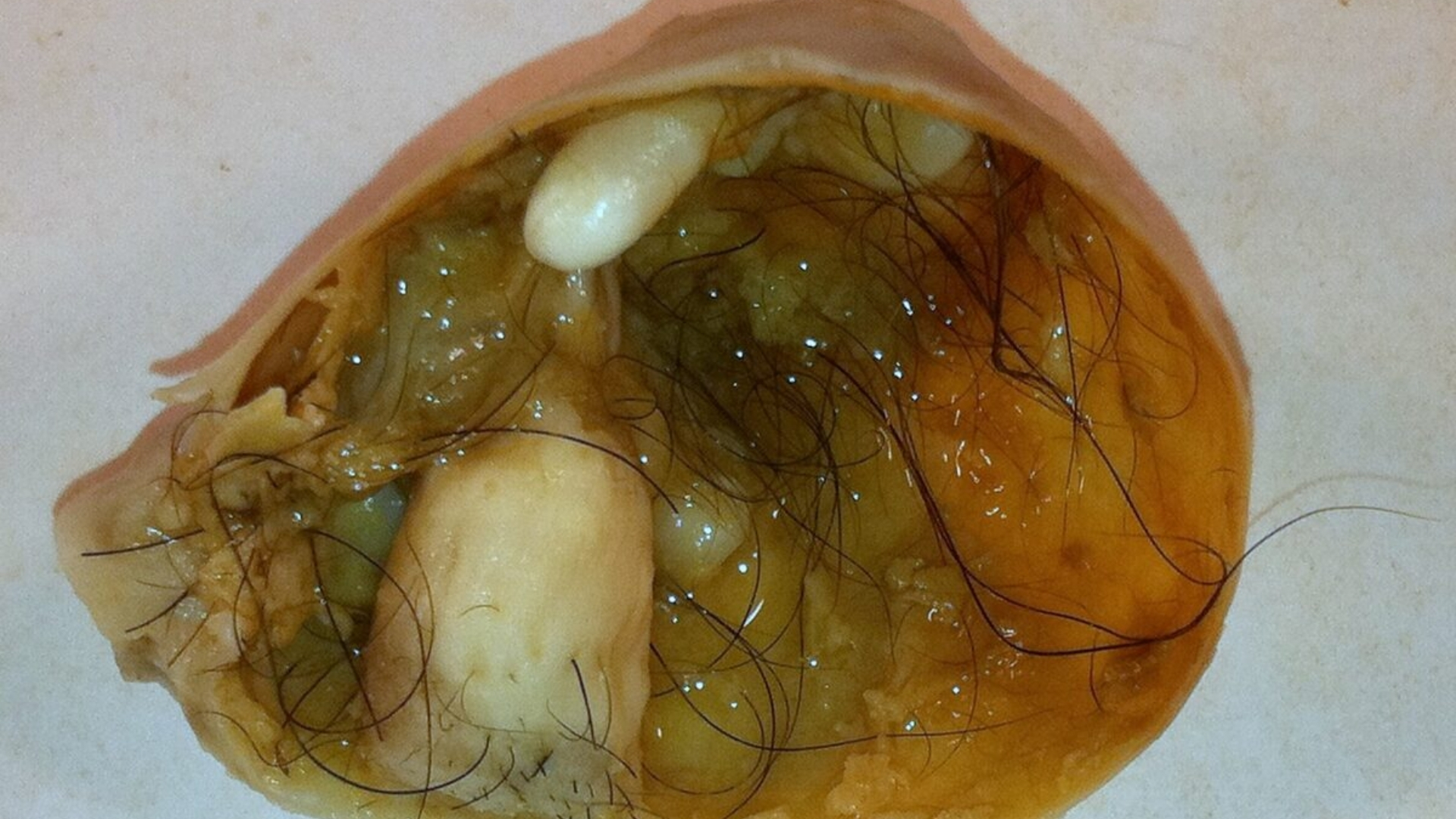
What Is Ovarian Germ Cell Tumor?
Ovarian Germ Cell Tumor is a rare malignancy that originates from the reproductive cells of the ovaries. These tumors can be highly aggressive and require a profound understanding of their biological underpinnings to effectively treat them. A critical aspect of understanding Ovarian Germ Cell Tumor lies in its metabolic behavior; specifically, its reliance on the Warburg effect, where cancer cells exhibit increased glucose consumption at up to 200 times the rate of normal cells. This peculiarity can be a potential target for new therapeutic strategies.
The prevalence of Ovarian Germ Cell Tumor is relatively low compared to more common cancers such as breast or lung cancer, which affect millions globally each year (e.g., lung cancer affects 2.2 million people annually according to WHO 2024). However, the physical and emotional toll it takes on those affected is significant. It predominantly affects younger women, often those in their teens and twenties, leading to unique challenges not only in treatment but also in the psychological impact due to concerns about fertility and body image.
In Hong Kong and broader Asia, where cultural and demographic factors diverge from Western countries, these tumors present specific challenges. Regional data suggest an increasing need for awareness of this disease, considering Asia’s rapidly aging population and varying demographic dynamics. Resources that discuss general aspects of cancer biology and diagnostics can provide additional insights.
Causes and Risk Factors of Ovarian Germ Cell Tumor
The causes of Ovarian Germ Cell Tumor are an active area of research, with genetic, environmental, and lifestyle factors all playing potential roles. Key genetic factors include mutations that are similarly notorious in other cancers; for instance, BRCA1 and BRCA2 mutations, which are common in breast cancer, may also play a role. While specific genetic predilections for Ovarian Germ Cell Tumor are still being elucidated, family history remains an important component in assessing risk.
Environmental factors contributing to overall cancer risk, such as smoking and UV exposure linked to other types of cancers, are less defined for Ovarian Germ Cell Tumor. However, lifestyle factors, including obesity and alcohol consumption, cannot be ignored. These factors contribute to systemic metabolic changes that may enhance or exacerbate the vulnerabilities of cancer cells.
From a metabolic standpoint, these tumors often exhibit dependence on glutamine, similar to nearly 50% of all cancers known for utilizing this amino acid as a primary source for nucleotide synthesis. This knowledge uncovers potential therapeutic targets focused on metabolic pathways.
In regions like Hong Kong and across Asia, cultural and genetic factors related to diet and environmental exposures further redefine these risks. For instance, the prevalence of hepatitis B is a specific concern for liver cancer in Hong Kong, illustrating the need for targeted strategies and early intervention through screening.
Early detection through meticulous screening and a proactive approach in managing potential risks are vital components in reducing the burden of Ovarian Germ Cell Tumor. Emphasizing prevention, together with robust scientific inquiry into its causes, can lead to long-term success in managing this challenging disease.
Symptoms of Ovarian Germ Cell Tumor
Ovarian Germ Cell Tumors (OGCTs) represent a rare subset of ovarian cancers, primarily occurring in younger women. While symptoms might seem non-specific initially, early recognition can greatly enhance treatment outcomes. Understanding key signs and obtaining timely medical evaluations significantly improves prognosis, ensuring personalized and effective treatment plans.
Common Symptoms of Ovarian Germ Cell Tumor
- Abdominal discomfort or pain, often vague and intermittent initially
- Bloating or swelling in the abdominal area, frequently mistaken for digestive issues
- Sudden changes in bowel habits, such as constipation or diarrhea
- Changes in urinary frequency and urgency
- Feeling full quickly after meals, related to mass effect from tumor growth
- Significant unexplained weight gain or loss over a short duration
- Fatigue and decreased physical stamina
Ovarian Germ Cell Tumor-Specific Symptoms
- Irregular menstrual cycles or amenorrhea (absence of menstruation), particularly in adolescent and reproductive-aged women
- Elevated human chorionic gonadotropin (hCG) levels causing hormonal symptoms like nausea, breast tenderness, early puberty in younger girls, or signs reminiscent of early pregnancy
- Recent-onset acne or increased facial hair due to hormonal changes (seen primarily in endocrine-active tumors)
- Mass detection upon physical pelvic exam or imaging studies for unrelated complaints
- Painful swelling or lumps palpable during self-examination of the abdomen or pelvis
Symptoms Variation by Stage
- Stage 1 (Early-stage): Generally vague, often confused with benign gynecological conditions. Small tumors may not produce noticeable symptoms apart from mild lower abdominal discomfort.
- Stage 2: Symptoms become clearer with pelvic discomfort, more notable abdominal swelling, and increased urinary urgency due to localized tumor growth pressing on surrounding organs.
- Stage 3 & Stage 4 (Advanced stages): Symptoms intensify, with clear abdominal swelling (ascites development), significant digestive disruptions, notable weight changes, and fatigue. Metastasis might result in additional symptoms such as breathlessness if the lungs are affected.
These symptoms closely reflect the biology of the tumor cells. Rapidly growing OGCTs exhibit notable metabolic activity, significantly proliferating and displaying the Warburg effect (accelerated glucose uptake), consequently manifesting generalized symptoms like fatigue and metabolic disruptions.
Early medical evaluation of abnormal symptoms increases treatment options and ultimately, significantly improves survival outcomes. Consulting specialized oncology centers promptly upon symptomatic detection aligns with best practice recommendations and greatly enhances prognosis, especially vital among young patients.
Stages of Ovarian Germ Cell Tumor and Survival Rates
Recognizing the different stages of OGCT is imperative in crafting precise treatment regimens and accurately forecasting patient prognosis. Regional data from Hong Kong and broader Asia indicates variations in survival outcomes based on staging and timely intervention.
Stage 1 – Ovarian Germ Cell Tumor
Stage 1 tumors are confined within the ovarian tissue and typically measure under 2 cm. Early detection at this stage greatly improves therapeutic efficacy and outcomes.
- Common characteristics: Localized to one or both ovaries, without metastasis to surrounding tissues.
- Treatment options: Primarily encompass surgical resection to maintain fertility coupled with limited or no chemotherapy, depending on tumor histology and malignancy degree.
- Survival rate: Generally high, with approximately 90-95% patients reporting a 5-year survival rate when effectively managed early, reflecting data from oncology registries derived through Hong Kong and East Asian studies.
Stage 2 – Ovarian Germ Cell Tumor
Stage 2 OGCT spreads beyond ovaries to pelvic structures. This stage requires meticulous evaluation to ensure treatment incorporates comprehensive surgical and medical oncology approaches.
- Common characteristics: Tumor has expanded beyond ovaries, potentially affecting nearby organs like uterus, fallopian tubes, or pelvic lining but remains limited within the pelvis.
- Treatment options: Involve surgical resection achieving optimal tissue removal, supported by platinum-based chemotherapy regimens, closely following localized therapy.
- Survival rate: In Asian cohorts, patients demonstrate 70–85% 5-year survival, contingent on surgical success and patient adherence to recommended chemotherapy regimens.
Stage 3 – Ovarian Germ Cell Tumor
Stage 3 depicts significant local advancement, extending beyond pelvic limitations to abdominal cavity regions. Such advancement mandates aggressive and meticulous interventions focused on comprehensive disease control and symptom relief.
- Common characteristics: Presence of metastatic nodules within abdominal regions such as liver capsule, intestinal coverings, or other peritoneal structures.
- Treatment options: Surgical operations for maximum cytoreduction (tumor mass removal), paired with more intensive chemotherapy schedules, often employing novel therapeutic innovations (metabolic-based targeted therapies).
- Survival rate: Mid-range survival rates between 50–70% over 5 years are anticipated, greatly influenced by completeness of surgical intervention and effectiveness of subsequent systemic treatments, based on Asian oncology facility outcomes.
Stage 4 – Ovarian Germ Cell Tumor
In Stage 4, Ovarian Germ Cell Tumors exhibit distant spread, affecting organs beyond the abdomen — commonly the lungs or liver parenchyma. Prognostic challenges persist, necessitating evolving strategies beyond standard care, including progressive therapies aiming for chronic disease management.
- Common characteristics: Distant metastatic sites notably lung tissues or liver parenchyma showing tumor implantation.
- Treatment options: Systematic chemotherapy forms cornerstone treatments, supplemented by surgical interventions addressing complications. Implementation of innovative precision oncology techniques increasingly offers opportunities for chronic disease site-management.
- Survival rate: Survival ranging around 20–30% at three years are observed typically; however, innovative treatments and combined therapeutic protocols increasingly enhance chronic disease management potentials within developed Asian oncology programs.
Patients are encouraged to maintain realistic optimism as advancements in metabolic oncology and institutions like AllCancer continually push boundaries, redefining Ovarian Germ Cell Tumor care from acute disease management towards viewing OGCT as a chronically manageable condition.
Limitations of Traditional Therapies for Ovarian Germ Cell Tumor
Traditional therapies for Ovarian Germ Cell Tumor have been the mainstay of treatment for decades. However, these approaches come with significant limitations and side effects that impact patients’ quality of life. Chemotherapy, one of the most common treatments, presents a host of toxicities. For example, it carries a 78% risk of bone marrow suppression, a serious condition that can leave patients vulnerable to infections and anemia.
Chemotherapy Limitations
The toxicity of chemotherapy is not limited to bone marrow suppression. Patients often experience a 23% risk of cardiac toxicity, which can lead to heart health complications later in life. Nausea and fatigue are other frequent side effects that severely affect day-to-day life. These side effects can be particularly debilitating and may require additional medication to manage.
- 78% risk of bone marrow suppression
- 23% risk of cardiac toxicity
- Common side effects include nausea, fatigue, hair loss
- Increased risk of secondary cancers by 300% according to JAMA Oncology 2023
Radiation Therapy Risks
Radiation therapy is another traditional approach that presents its own set of challenges. This treatment can cause significant tissue damage surrounding the tumor site, leading to lasting impairment. In some cases, patients experience permanent side effects such as dryness, fibrosis, or loss of function in affected areas. These are major considerations when treating patients with Ovarian Germ Cell Tumor.
- Tissue damage in and around the tumor site
- Potential for permanent side effects
- Increased risk of secondary malignancies
Surgical Risks
Surgery, although often necessary, is not without its own risks. Patients undergoing surgery for Ovarian Germ Cell Tumor face the potential for serious infections, especially when immune systems are already compromised from other treatments. Post-surgical recovery can be prolonged and challenging, risking further complications and delaying overall recovery.
- Risk of infection
- Prolonged recovery times
- Potential complications and need for additional surgeries
Late-Stage Efficacy Issues
In late-stage Ovarian Germ Cell Tumor, the efficacy of these traditional treatments diminishes. For metastatic disease, the objective response rate drops below 21%, leaving patients with few options and less hope. Metastatic diseases are notoriously hard to treat with traditional means, necessitating innovative approaches to improve outcomes.
Moreover, one of the biggest challenges is the development of tumor resistance. This is often a result of cancer cells’ increased metabolic flexibility and enhanced DNA repair capabilities—up to 400% increase in DNA repair enzyme activity. Cancer cells adapt to survive despite cytotoxic therapies, indicating a significant hurdle in traditional treatment success rates.
Metabolic Resistance Mechanisms
These resistance mechanisms are particularly challenging in regions like Hong Kong and Asia due to limitations in resources and access to newer therapies. Local healthcare systems often still rely on these traditional approaches, despite the increasing understanding that these resistant mechanisms contribute significantly to treatment failures.
- 400% increase in DNA repair enzyme activity in cancer cells
- Adaptations leading to resistance against conventional therapies
Conclusion
In summary, while traditional therapies for Ovarian Germ Cell Tumor have saved many lives, their limitations are increasingly apparent. High toxicity, low efficacy in late stages, and the emergence of metabolic resistance necessitate a shift towards innovative treatments. As global health systems evolve, the focus is on developing therapies that not only target the tumor but also improve quality of life and manage cancer as a chronic disease. For patients in Hong Kong and across Asia, this means prioritizing access to cutting-edge treatments and supportive care strategies. Link to JAMA Oncology.
For additional information on alternative treatments and advances in oncology, visit the cancer biology page. To explore our innovative therapy solutions, check out our Core Therapies section where breakthroughs in metabolic oncology are detailed.