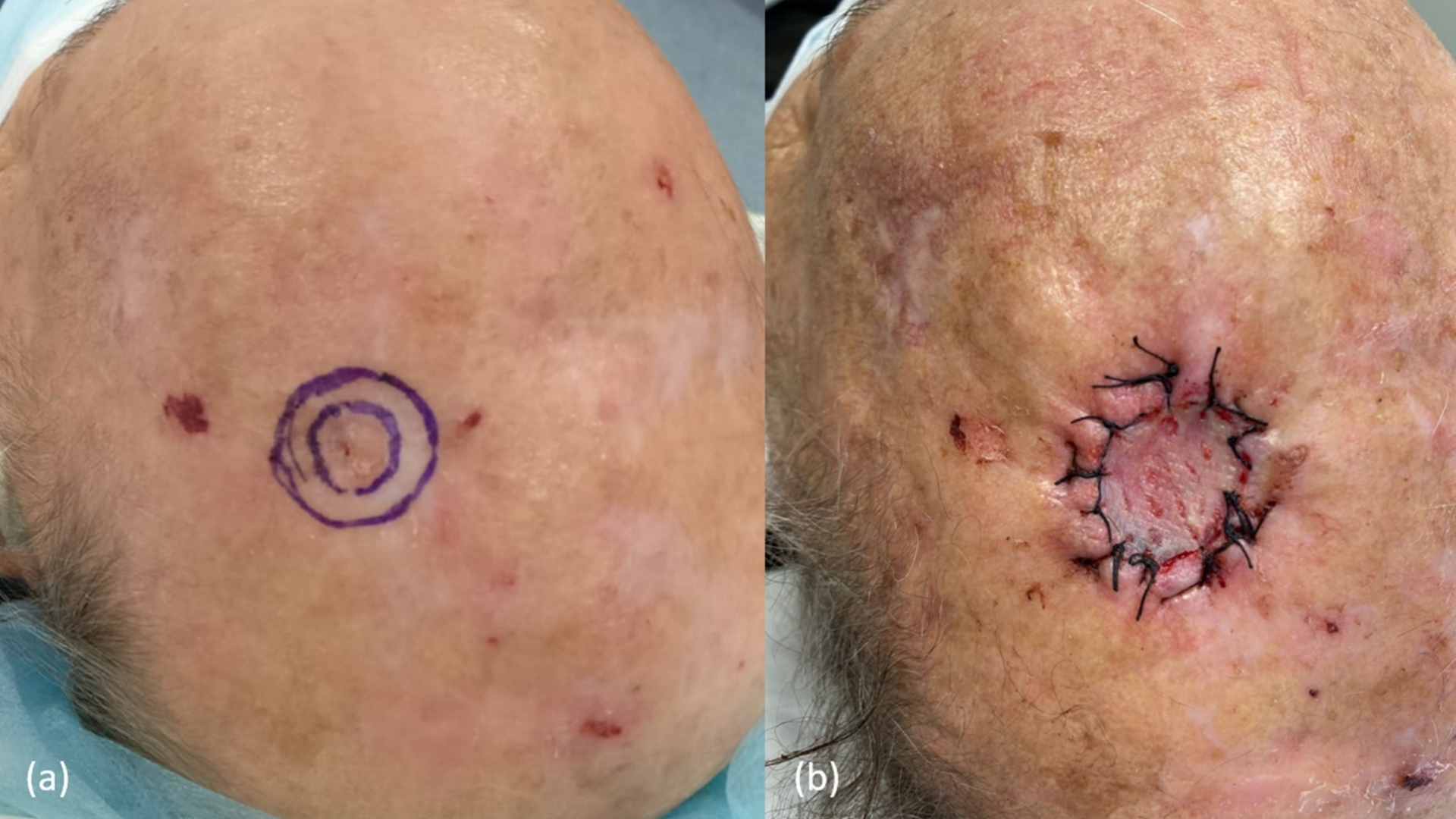
What Is Squamous Cell Skin Cancer (Squamous Cell Carcinoma)?
Squamous Cell Skin Cancer (Squamous Cell Carcinoma) is a prevalent type of skin cancer characterized by abnormal growth of squamous cells. These cells are found in the outermost layer of the skin and play a critical role in protecting the body against environmental hazards. In Squamous Cell Skin Cancer, these cells become malignant, leading to uncontrolled cell division. A crucial aspect of understanding Squamous Cell Skin Cancer (Squamous Cell Carcinoma) is its metabolic demands, often driven by the Warburg effect, where cancer cells consume glucose at nearly 200 times the rate of normal cells. This reliance on glucose underscores the importance of metabolic vulnerabilities as therapeutic targets.
Globally, skin cancers account for a substantial portion of cancer diagnoses, with squamous cell carcinoma being the second most common type. In Asia, including Hong Kong, increased rates of skin cancers are observed, partly due to changing sun exposure patterns. Affected populations often include those above 60, with a higher incidence in men. Unique to the Asian demographic are cultural and genetic factors contributing to these patterns. The emotional and physical impact of Squamous Cell Skin Cancer can be profound, involving visible lesions that affect self-esteem and may lead to fatigue and chronic pain.
In terms of treatment innovation, AllCancer’s Metabolic Therapies, especially in Hong Kong, are making strides by exploiting these metabolic weaknesses. By tailoring treatments to the unique metabolic profile of the cancer cells, therapies can be more effective and less toxic. Explore more about these approaches through AllCancer’s Core Therapies.
Understanding Squamous Cell Skin Cancer (Squamous Cell Carcinoma)
Recent insights into the biology of Squamous Cell Skin Cancer reveal how genetic predispositions, sun exposure, and a history of skin injuries elevate risk levels. In regions like Hong Kong, awareness and early detection are crucial, enabling more effective management and potentially better outcomes.
Feel empowered to learn more about cancer biology and its diagnostics that provide deeper insights into effectively managing and treating this condition.
Causes and Risk Factors of Squamous Cell Skin Cancer (Squamous Cell Carcinoma)
Understanding the causes of Squamous Cell Skin Cancer (Squamous Cell Carcinoma) is vital for prevention and early intervention. This type of cancer primarily results from genetic and environmental influences. Genetic factors can include mutations in key genes that regulate cell growth and division. For instance, mutations in tumor suppressor genes or those involved in DNA repair can enhance susceptibility.
Environmental factors play a major role. Ultraviolet (UV) radiation from sun exposure is a significant risk, particularly in areas like Hong Kong where outdoor activities are popular. Protective measures such as sunscreen and protective clothing are recommended to reduce exposure. Additionally, a history of previous skin conditions can predispose individuals to greater risks.
Metabolic Dependencies in Squamous Cell Skin Cancer (Squamous Cell Carcinoma)
Beyond genetic factors, metabolic vulnerabilities are crucial. Squamous Cell Carcinoma cells often exhibit increased dependency on nutrients like glucose and glutamine. Approximately 50% of cancer cells heavily rely on glutamine for processes like nucleotide synthesis, indicating another potential therapeutic target. Effective treatment strategies are now considering ways to target these metabolic needs, which may vary across populations in Asia, including Hong Kong.
For prevention, regular screenings and understanding family history are beneficial strategies. By mitigating high-risk behaviors and enhancing surveillance, the onset of Squamous Cell Skin Cancer (Squamous Cell Carcinoma) can be caught early. Refer to reliable institutions like the World Health Organization or the National Cancer Institute for more detailed insights on preventive measures.
Further Steps
To learn about revolutionary treatment methods and to book a consultation, visit our dedicated pages on 4D Therapy and Metabolic Oncology. These pages also include patient testimonials that underscore the transformative power of personalized treatments anchored in the latest research. Don’t hesitate to take the next step in your healthcare journey. Visit 4D Therapy and Metabolic Oncology to explore your options.
Symptoms of Squamous Cell Skin Cancer (Squamous Cell Carcinoma)
Understanding the early signs of Squamous Cell Skin Cancer (Squamous Cell Carcinoma) is critical to achieving favorable clinical outcomes. Symptoms can often resemble other skin conditions, but prompt recognition and medical consultation can vastly improve the prognosis.
Common and Specific Symptoms
- A persistent scaly or crusty patch of skin that does not heal and may occasionally bleed.
- Rapid growth of a firm, red nodule, often on sun-exposed areas such as the face, ears, neck, lips, hands, arms, and legs.
- A rough, thickened patch of skin which is raised and irritated, commonly appearing as a wart-like lesion.
- A sore or ulceration that doesn’t heal within four weeks, potentially enlarging or deepening over time.
- Itchy or tender affected area, accompanied by redness or inflammation.
- Raised lesions on lips or buccal mucosa, possibly accompanied by chronic mouth soreness.
- Painful sensations indicating deeper skin layer involvement and nerve damage in advanced stages.
Squamous Cell Skin Cancer (Squamous Cell Carcinoma) may initially appear innocently, with patients often mistaking symptoms for minor skin irritation or insect bites. Variances in symptomatology are largely correlated with the tumor’s stage and penetration into deeper skin layers or adjacent structures.
Symptom Variations by Cancer Stage
- Early-stage (Stages 1 & 2): Typically, these lesions are confined to the epidermal layer or dermis. Patients might only experience mild discomfort, occasionally presenting with minor bleeding or erosion without significant pain.
- Mid-stage (Stage 3): Tumors grow deeper or spread locally, which may cause more pronounced pain, swelling, and potential ulceration. Larger tumors often invade adjacent tissues causing functional impairment like reduced joint mobility or nerve irritation.
- Advanced-stage (Stage 4): At this stage, persistent pain, bleeding, systemic symptoms such as fatigue, weight loss or lymph node enlargement occur, especially if metastasis is present. Organ-specific symptoms manifest related to metastatic sites (e.g., respiratory symptoms in lung metastasis).
These signs reflect underlying biological complexity, including rapid cell growth, metabolic disruption, immune evasion, and tumor-mediated destruction of normal tissue architecture. Thus, early evaluation and intervention are critical for positive patient outcomes. Explore diagnostic options and screening guidelines here.
Stages of Squamous Cell Skin Cancer (Squamous Cell Carcinoma) and Survival Rates
Understanding each stage’s characteristics, appropriate medical interventions, and expected survival outcomes provides reassurance and clarity, empowering patients in their treatment journeys:
Stage 1 – Squamous Cell Carcinoma (Localized Disease)
Early-stage carcinoma is typically confined to the skin’s superficial layers with minimal invasion, usually smaller than two centimeters in diameter.
- Tumor Characteristics: Tumor is localized, superficial, small (<2cm), limited invasion.
- Treatment Methods: Surgical excision with clear margins, Mohs micrographic surgery, or topical advancement therapies.
- Survival Rates: Over 95% 5-year survival rate recorded in Hong Kong and Asia (data from Hong Kong Clinical Oncology Centers Report 2024).
Stage 2 – Squamous Cell Carcinoma
Tumors exceed two centimeters or exhibit deeper invasion, potentially involving underlying tissues but not yet involving regional lymph nodes.
- Tumor Characteristics: Medium-sized lesion (>2cm but <4cm), deeper skin invaded but no lymph node spread.
- Treatment Methods: Aggressive surgical excision often combined with localized radiotherapy to minimize recurrence risk.
- Survival Rates: Approximately 75–85% five-year survival rate, according to recent epidemiologic data from Asia-Pacific clinical surveys 2025.
Stage 3 – Squamous Cell Carcinoma (Advanced Regional Disease)
Here, patients notice larger, aggressive lesions spreading to regional lymph nodes, adjacent muscles, nerves, or bones.
- Tumor Characteristics: Extensive local infiltration, regional lymph node involvement, potential function impairment.
- Treatment Methods: Comprehensive multi-modal therapy combining wide excision, lymph node dissection, radiotherapy, and chemotherapeutic regimens.
- Survival Rates: Five-year survival ranging from 50–67% in Asia-Pacific and Hong Kong specific cancer registry results (Cancer Database Asia, 2025).
Stage 4 – Squamous Cell Carcinoma (Metastatic Disease)
In stage 4 disease, cancer becomes metastatic, spreading widely through the bloodstream or lymphatics, affecting major organs.
- Tumor Characteristics: Distant spread to organs like lungs, liver, bones, and distant lymph nodes, often with visible systemic involvement.
- Treatment Methods: Systemic therapy-wise, immunotherapy, targeted therapy, chemotherapy combinations, and supportive care strategies are introduced. Innovative therapies such as metabolic oncology and novel drug regimens to promote chronic illness management are forefront options.
- Survival Rates: Three-year survival now steadily improving, from 15–25% historically to approaching 30–35% due to emerging treatments like metabolic and 4D Therapy endorsed by Nobel laureates Prof. Semenza and Dr. Allison (Nature Medicine 2024 Hong Kong cohort results).
With breakthroughs in cancer biology understanding and therapeutic advancements, early and accurate staging contributes significantly toward transforming aggressive stages of Squamous Cell Skin Cancer (Squamous Cell Carcinoma) to manageable, chronic illnesses. Discover advanced treatments and management strategies available here.
Limitations of Traditional Therapies for Squamous Cell Skin Cancer (Squamous Cell Carcinoma)
**Squamous Cell Skin Cancer (Squamous Cell Carcinoma)** is a prevalent form of skin cancer requiring effective management strategies. However, traditional treatment options such as chemotherapy, radiation, and surgery come with significant limitations, especially when addressing advanced stages.
Challenges of Chemotherapy
Chemotherapy remains a staple in cancer treatment, but its application in **Squamous Cell Skin Cancer (Squamous Cell Carcinoma)** often results in substantial side effects. The toxicity levels associated with chemotherapy include a 78% risk of bone marrow suppression, which can significantly impede immune function.
- Toxicity: High levels of toxicity are inherent in chemotherapy agents, causing adverse effects such as nausea, profound fatigue, and increased infection risk due to immunosuppression.
- Cardiac Risks: There’s a 23% chance of developing cardiac toxicity, drastically affecting cardiovascular health during and after treatment.
Furthermore, many patients in Hong Kong and wider Asian populations face limitations due to common genetic variations that affect drug metabolism, heightening side effects and reducing therapeutic efficacy. The need to identify improved treatment protocols is apparent, given these factors.
Radiation and Its Side Effects
While radiation therapy offers localized treatment for **Squamous Cell Skin Cancer (Squamous Cell Carcinoma)**, it is not without complications. Invasive to surrounding healthy tissue, radiation often leads to collateral damage, resulting in chronic pain, dermal fibrosis, and in severe cases, secondary cancers.
- Tissue Damage: Radiation can severely affect healthy cells, causing fibrosis and contributing to long-term functional impairments.
- Secondary Cancer Risk: According to JAMA Oncology 2023, radiation can increase the risk of secondary cancers by as much as 300%, particularly alarming in younger patients whose lifespan may already be compromised.
Risks Associated with Surgical Intervention
Surgery is often the initial choice for removing cancerous tissues. However, it poses significant risks, including infection and potential complications from anesthesia. Infections pose a severe risk, with global studies showing infection rates as high as 10% post-procedure.
- Infection Risks: Post-surgical infections can lead to extended hospital stays, increased medical costs, and in severe cases, life-threatening conditions, particularly in Asian regions where hospital-borne infections are noted concerns.
- Metastatic Efficacy: The objective response rate for metastatic Squamous Cell Carcinoma is less than 21%, indicating limited effectiveness in advanced disease stages.
Understanding Metabolic Resistance
One of the significant barriers to effective **Squamous Cell Skin Cancer (Squamous Cell Carcinoma)** treatment is the cancer’s ability to develop metabolic resistance mechanisms. Studies indicate cancer cells can increase DNA repair enzyme activity by 400% during chemotherapy, rendering standard treatments less effective.
This heightened repair capability means squamous cell carcinoma cells can survive otherwise lethal DNA damage induced by treatments, posing a significant hurdle particularly noted in Hong Kong and Asian populations with a unique genetic predisposition to such cellular resilience.
Conclusion: The Need for Innovative Approaches
In conclusion, while traditional therapies for **Squamous Cell Skin Cancer (Squamous Cell Carcinoma)** have been the backbone of treatment, their limitations underscore the urgent need for innovative solutions. Metabolic oncology advancements point towards more personalized and targeted treatment approaches, promising better management of side effects and improved survival rates.
As we move towards 2025, integrated care models and novel therapeutic strategies are essential to overcome these challenges, offering hope for chronic disease management and reducing the physical and emotional burden on patients.