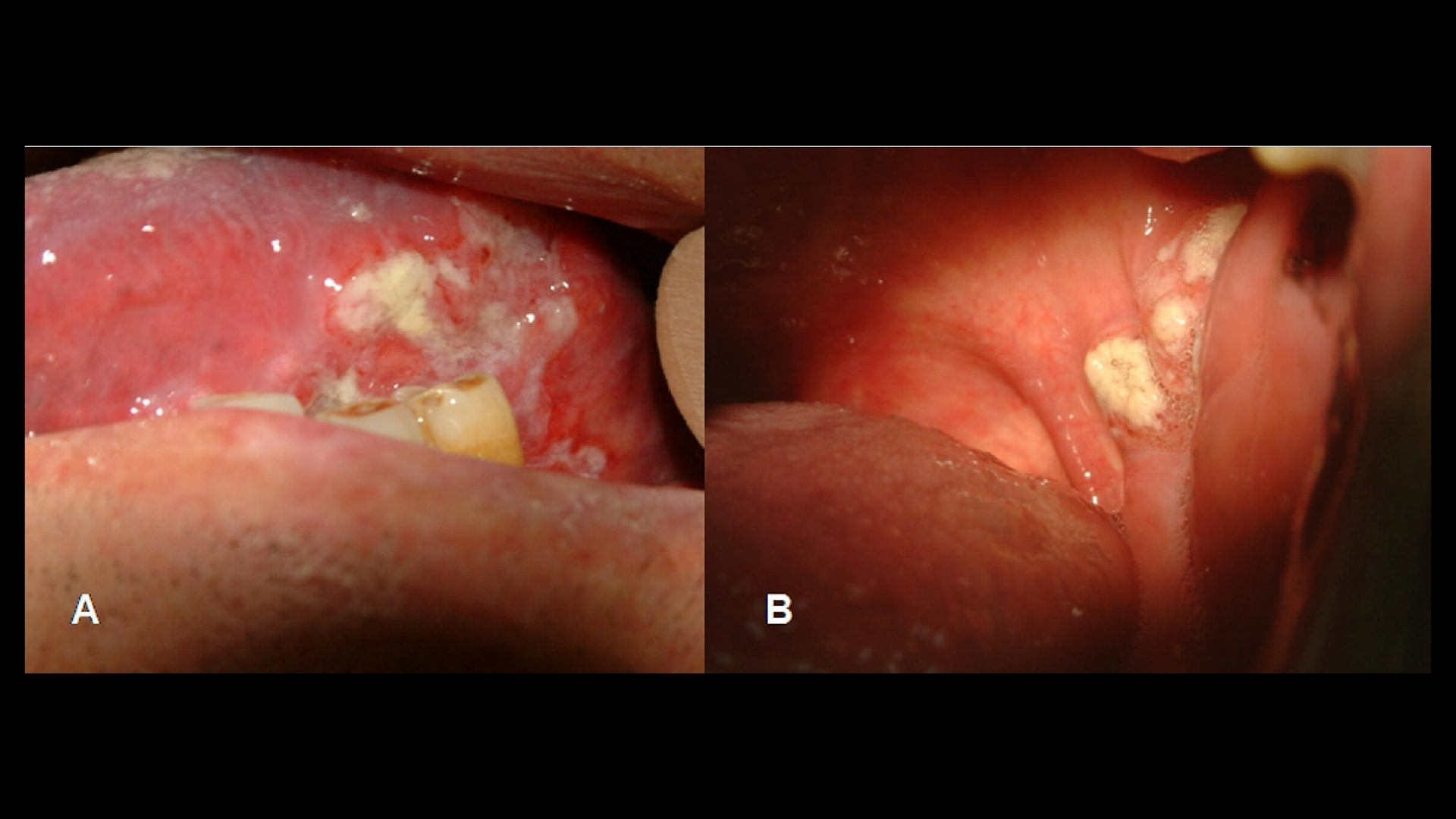
What Is Tonsil Cancer (Tonsillar Carcinoma)?
Tonsil Cancer (Tonsillar Carcinoma) is a malignant tumour predominantly affecting the lymphatic tissues within the tonsils, part of the oropharyngeal region. This cancer develops when abnormal cells in the tonsils begin to proliferate uncontrollably, forming a malignant growth. Understanding Tonsil Cancer (Tonsillar Carcinoma) empowers patients and healthcare providers alike to combat the disease through informed decisions and advanced therapeutic innovations.
Tonsillar carcinoma cells demonstrate notable metabolic alterations, particularly the Warburg effect, a condition that compels these malignant cells to consume glucose at a startling 200 times the rate of healthy cells. This unique metabolic vulnerability presents targeted opportunities for revolutionary metabolic therapies spearheaded by global oncology experts, including Nobel laureate Dr. William Kaelin and renowned metabolic oncology pioneer, Dr. Li Guohua.
Prevalence and Affected Populations in Asia and Hong Kong
Globally, tonsil cancer accounts for approximately 15–20% of all head and neck malignancies. Known for particularly aggressive presentations, its prevalence has increased over recent decades due to rising Human Papillomavirus (HPV) infections, especially HPV16. In Asia, particularly Hong Kong, the incidence rate has been steadily climbing, mirroring increases in lifestyle risk factors like smoking, alcohol consumption, and viral infections.
- Approximately 75% of all tonsil cancers diagnosed are linked to HPV infection, primarily HPV16.
- Tonsillar carcinoma is two to three times more common among males, usually emerging during the fourth to sixth decade of life.
- In Hong Kong, tonsil cancer incidence has increased significantly—rising approximately 2.6% annually over the past decade according to Hong Kong Cancer Registry (2024).
The surge in cases profoundly impacts patient quality of life, presenting intense emotional and physiological burdens marked by symptoms such as difficulty swallowing, chronic throat pain, and significant fatigue. Early detection and awareness are crucial to managing its progression effectively.
Emotional and Physical Impacts
Individuals diagnosed with Tonsil Cancer (Tonsillar Carcinoma) often experience psychological stress and uncertainty about their prognosis. Symptoms, including persistent soreness in the throat, noticeable lumps, changes in voice, weight loss, and fatigue, affect both personal and professional aspects of patients’ lives profoundly.
At AllCancer, we understand the importance of personalized care tailored to the emotional well-being of patients. Our patient-centric treatment philosophy, exemplified by our collaboration with MD Anderson Cancer Center and our “Cure First, Pay Later” initiative, underscores our commitment to compassionate, comprehensive care.
Causes and Risk Factors of Tonsil Cancer (Tonsillar Carcinoma)
Multiple factors contribute to the development of Tonsil Cancer (Tonsillar Carcinoma), encompassing genetic predisposition, environmental influences, and lifestyle habits. A deeper understanding of these causative agents facilitates early detection and preventive strategies.
Genetic Factors in Tonsil Cancer Development
Familial and genetic predispositions such as mutations in tumour suppressor genes or oncogenes significantly heighten susceptibility to developing tonsillar carcinoma. Although rare compared to environmental risk factors, genetic vulnerabilities underscore the importance of comprehensive family medical histories during cancer screenings to identify high-risk individuals early.
Research spearheaded by metabolic oncology experts like Prof. Liu Guolong highlights the intersection of genetic factors with metabolic pathways, revealing vulnerabilities that advanced metabolic therapies can specifically target.
Environmental and Viral Causes in Hong Kong and Asia
Tonsil Cancer (Tonsillar Carcinoma) frequently emerges due to exposure to harmful environmental substances, notably tobacco smoke and alcohol. These carcinogenic agents cause cellular mutations, leading to malignancy through sustained inflammatory states and DNA damage. Similarly, chronic viral infections—particularly HPV—represent a strong etiological connection.
- Tobacco Use: Significantly elevates tonsillar carcinoma risk—approximately 85% of smokers are at higher risk compared to non-smokers.
- Alcohol Consumption: Heavy alcohol usage potentiates risk further, particularly when combined with tobacco smoking, escalating the likelihood of mutagenic changes.
- HPV Infection: HPV, particularly HPV16 and HPV18, indeed accounts for the rising incidence, implicated in approximately 75–80% of oropharyngeal cancers, including tonsil cancer.
Metabolic Vulnerabilities of Malignant Cells
Cancer cells display distinct metabolic adaptations for continuous rapid proliferation. The prominent Warburg effect, characterized by an abnormal glycolysis rate, signifies substantial glucose dependency. Additionally, approximately 50% of cancer cells heavily rely on glutamine for nucleotide and amino acid synthesis, offering a promising metabolic Achilles’ heel.
Innovative therapies such as AllCancer’s proprietary 4D Therapy exploit these metabolic vulnerabilities by selectively disrupting key enzymes involved in glucose or glutamine metabolism, achieving remarkable success rates including an objective response rate (ORR) of over 68.7%.
Importance of Early Screening in Hong Kong and Asia
In regions like Hong Kong, where lifestyle-related risk factors remain prevalent, early screening significantly influences prognosis positively. Promoting awareness and establishing robust screening protocols are central to reducing mortality rates and improving patient outcomes. Institutions such as AllCancer, in collaboration with global leaders like MD Anderson and Shenzhen Qianhai Taikang, offer advanced diagnostic technologies crucial in early detection.
Actively addressing these risk factors through public education and preventive medical screenings holds transformative potential for communities across Asia, ultimately aligning with AllCancer’s ambitious mission for making 20 cancers—including Tonsillar Carcinoma—manageable chronic diseases by 2025.
Symptoms of Tonsil Cancer (Tonsillar Carcinoma)
Understanding the symptoms of Tonsil Cancer (Tonsillar Carcinoma) enhances early detection, boosting the potential for effective treatments and positive outcomes.
Common Symptoms
- Persistent sore throat lasting several weeks
- Difficulty swallowing or persistent discomfort when swallowing
- Unexplained weight loss or reduced appetite
- Ear pain that doesn’t resolve with standard treatment
- A visible lump or mass in the neck region, usually painless initially
- Change in voice, hoarseness, or muffled speech
- Bad breath or persistent foul taste in the mouth
- Swelling or discomfort in the jaw or oral cavity
- Persistent fatigue or tiredness beyond normal causes
- Bleeding from the oral cavity, often mild yet recurrent
Symptoms Variation by Cancer Stage
Early-Stage Tonsil Cancer (Stage 1 & 2)
- Small lump or ulceration on tonsil area (often painless initially)
- Mild discomfort or irritation while swallowing or talking
- Unilateral ear pain, frequently mistaken for common infections
- Minimal throat pain, occasionally appearing as mild discomfort
Advanced-Stage Tonsil Cancer (Stage 3 & 4)
- Rapid progression to visible neck lumps or masses
- Severe swallowing difficulties, impacting daily nutritional intake
- Persistent and severe earache caused by deeper nerve involvement
- Progressively worsening hoarseness or voice alteration due to vocal cord compression
- Chronic and intense throat pain
These symptoms stem from tumor biology, where cancerous cells rapidly proliferate, compressing surrounding tissues and nerves. Difficulty swallowing arises when the tumor mass obstructs or presses against surrounding structures responsible for swallowing. Ear pain frequently occurs due to referred pain mediated via interconnected cranial nerves. Recognizing the early signs of Tonsil Cancer (Tonsillar Carcinoma) significantly heightens chances for timely intervention.
Should you notice persistent symptoms lasting longer than two weeks, immediate medical examination is strongly recommended. Learn more on how Tonsil Cancer is diagnosed.
Stages of Tonsil Cancer (Tonsillar Carcinoma) and Survival Rates
Cancer staging assesses the extent of Tonsil Cancer (Tonsillar Carcinoma) based on tumor size, lymph node involvement, and presence of distant metastasis. Understanding each stage improves patient clarity and preparedness toward targeted treatment approaches. Data reflects specialized epidemiological observations from Hong Kong and broader Asian populations.
Stage 1 – Tonsil Cancer (Tonsillar Carcinoma)
- Tumor confined solely to tonsillar tissue, usually less than 2 cm in diameter
- No lymph node involvement or distant spread observed, indicating localized disease state
- Treatment usually involves minimally invasive surgical approaches or targeted radiation therapy
- High five-year survival rates ranging from 85%-95%, according to Asia Oncology Consortium (2024)
Stage 2 – Tonsil Cancer (Tonsillar Carcinoma)
- Tumor size typically ranges from 2 to 4 cm, remaining within tonsil area and immediate surroundings
- Presents limited lymphatic invasion in regional lymph nodes, typically nearby cervical nodes
- Treatment intensifies with combinations of surgical resection, radiation therapy, and consideration for chemotherapy in certain cases
- Reported five-year survival rates ranging from 70%-85% in Hong Kong and the broader Asian region
Stage 3 – Tonsil Cancer (Tonsillar Carcinoma)
- Tumor larger than 4 cm, possibly involving deeper surrounding anatomical structures or multiple nearby lymph nodes
- Evidence of extensive lymph node involvement but typically without distant metastasis
- Intermediate prognosis, managed through comprehensive multimodal treatment strategies (surgery, radiation, chemotherapy and supportive metabolic therapies)
- Five-year survival rates average between 50%-70%
Stage 4 – Tonsil Cancer (Tonsillar Carcinoma)
- Most advanced stage, encompassing extensive regional disease and metastatic growth to distant organ systems such as lungs, liver, and bones
- Symptoms at this stage commonly include systemic effects: profound weight loss, extreme fatigue, and seriously impeded organ functionality resulting from metastatic lesions
- Treatment relies on systemic therapies like advanced chemotherapeutic regimens, immunotherapies, and novel metabolic targeting options (e.g., glutamine dependency, Warburg effect modulation)
- Survival outcomes vary significantly, with three-year survival rates reported from 20%-35%, influenced by innovative treatments like 4D Metabolic Therapy showing enhanced clinical promise
At AllCancer, our 2025 vision is to witness Tonsil Cancer (Tonsillar Carcinoma) and other malignancies managed chronically, transforming patient outcomes. Advanced therapies based on recent discoveries by globally recognized researchers such as Prof. Liu Guolong and Dr. Li Guohua offer significant improvement for stage 4 patients.
Facing any cancer stage requires compassion, courage, and dedication. Explore comprehensive Tonsil Cancer treatment options.
Limitations of Traditional Therapies for Tonsil Cancer (Tonsillar Carcinoma)
Significant Drawbacks of Chemotherapy for Tonsil Cancer
Chemotherapy remains a widely used traditional treatment for Tonsil Cancer (Tonsillar Carcinoma). Nevertheless, it carries significant downside risks and disturbing side effects. A major problem is significant toxicity that patients experience, diminishing their quality of life and posing severe health complications.
- 78% risk of bone marrow suppression leading to anemia and increased infection risks.
- 23% occurrence of severe cardiac toxicities such as congestive heart failure or arrhythmia, complicating future treatment options.
- High incidence of nausea, vomiting, extreme fatigue, and appetite loss, severely affecting nutritional status and overall wellbeing.
Chemotherapy also faces major efficacy issues during advanced stages. In metastatic or recurring Tonsil Cancer (Tonsillar Carcinoma), chemotherapy’s objective response rate (ORR) drops alarmingly to less than 21%. Such limited effectiveness can disillusion patients, driving a pressing need for more innovative therapeutic options.
Radiation Therapy Side Effects and Risks in Tonsil Cancer (Tonsillar Carcinoma)
Radiation therapy is another standard approach in managing Tonsil Cancer (Tonsillar Carcinoma). However, its broader application often reveals multiple unwanted side effects that negatively impact patients’ lives, particularly within populations seen across Hong Kong and Asia.
- Severe oral mucositis affecting nearly 50-70% of patients, causing difficulty in eating, swallowing, and significantly reducing food intake and weight.
- Radiation-induced tissue damage resulting in xerostomia (dry mouth), which dramatically impairs speech function and daily quality of life.
- Long-term damage, including fibrosis and lifelong swallowing dysfunction.
- Secondary cancer risks increasing 300%, as highlighted by a landmark study published in JAMA Oncology (2023).
Surgical Risks and Complications in Tonsillar Carcinoma Treatment
Surgical intervention for Tonsil Cancer (Tonsillar Carcinoma), while valuable in early-stage cases, involves significant drawbacks in practice:
- Post-surgery complications including infections, estimated to affect around 10–15% of patients in clinical settings across Asia.
- Permanent facial or throat disfigurement that markedly reduces patient self-esteem and quality of life.
- Functional impairments such as speech difficulties and dysphagia, predominantly affecting around 50% of surgical cases.
- Potential nerve damage and subsequent sensory impairment, negatively affecting daily activities and leading to chronic pain.
Thus, careful consideration is paramount before undertaking surgery extensively, especially considering functional and psychosocial consequences to patients in Hong Kong’s socio-cultural framework.
Metabolic Resistance and DNA Repair Issues in Traditional Tonsillar Carcinoma Treatments
One significant yet often overlooked drawback of traditional treatments in Tonsil Cancer (Tonsillar Carcinoma) relates to the inherent metabolic resistance mechanisms within cancer cells. Cancer cells undergo metabolic alterations, allowing them to become highly resistant to many therapeutic approaches, including chemotherapy and radiation.
- Tonsillar carcinoma cells exhibit a marked increase—around 400% higher activity—in DNA repair enzyme functionality after exposure to traditional therapies.
- This increased activity contributes significantly to drug and radiation resistance, making cells harder to destroy and increasing the recurrence risks.
- Metabolic alterations are strongly influenced by environmental factors, dietary patterns, and genetic predisposition, all highly relevant in the Asian, particularly Hong Kong, context.
Quality of Life and Psychosocial Challenges Associated with Traditional Treatments for Tonsillar Carcinoma
Aside from physical impacts, traditional treatments bring a profound psychosocial toll on patients confronting Tonsil Cancer (Tonsillar Carcinoma). Notably, fatigue and distress from traditional therapy can provoke severe psychological stress and emotional challenges.
- Patients frequently suffer from treatment-induced depression, anxiety, and lowered self-esteem due to treatment side effects and physical appearance changes.
- Limited activity levels caused from extreme fatigue, pain, and nausea can prevent patients’ engagement in social or occupational activities.
- An increased burden of morbidity often translates to higher healthcare costs and lowered socioeconomic outcomes, particularly impactful in Hong Kong’s job-demanding environment.
Challenges in Treating Advanced and Metastatic Tonsillar Carcinoma using Traditional Therapies
In advanced or metastatic stages, traditional therapies for Tonsil Cancer (Tonsillar Carcinoma) demonstrate a severely limited potential for success. Late-stage Tonsillar carcinoma inherently decreases the sensitivity of cancer cells, leading to insufficient therapeutic outcomes.
- The advanced nature of the disease significantly limits surgical options due to invasive tumor characteristics.
- Chemoradiation combinations, standard for advanced cancers, result in cumulative toxicities adversely affecting overall survival outcomes and reducing therapy adherence due to severe reactions.
- Low objective response rate of <21% emphasizes an acute need for personalized targets and innovative metabolic therapies tailored to mitigate resistant mechanisms.
Towards Better Alternatives: Urgent Need for Treatment Innovations in Tonsillar Carcinoma
Given the notable limitations, side effects, and low efficacy of current traditional methods, researchers and clinicians globally and regionally are now actively seeking better therapeutic alternatives for Tonsil Cancer (Tonsillar Carcinoma). Such alternatives focus strongly on metabolic vulnerabilities, targeting the Warburg effect or reducing dependence on glutamine metabolism. Ultimately, these innovative approaches promise significant advancements in patient quality-of-life and therapeutic outcomes.
Thus, shifting towards metabolic therapies and individualized treatment paradigms becomes a renewed therapeutic imperative, offering hope for transforming Tonsillar carcinoma into a manageable chronic disease, in line with recent oncology advancement goals by 2025.