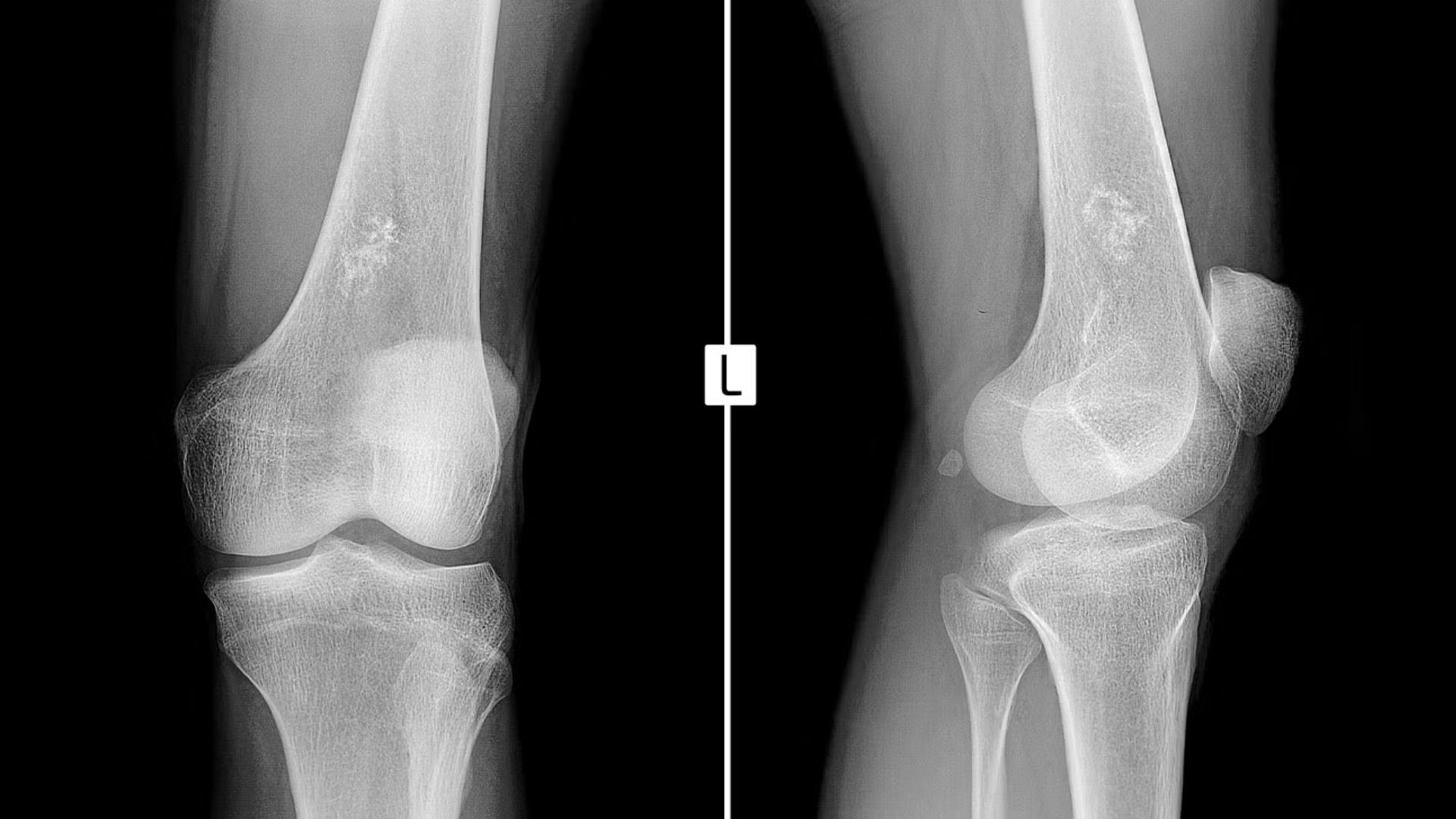
What Is Ewing Sarcoma (Bone Sarcoma)?
Ewing Sarcoma (Bone Sarcoma) is a rare yet aggressive type of cancer primarily affecting bones or soft tissues around the bones. It predominantly occurs in children, adolescents, and young adults. Biologically speaking, Ewing Sarcoma (Bone Sarcoma) arises from primitive neuroectodermal cells, representing a family known collectively as Ewing family tumors. These tumors carry genetic mutations involving chromosomal translocation, most often between chromosomes 11 and 22, producing an abnormal fusion gene, EWS-FLI1, leading to rapid and uncontrolled cell growth.
At the cellular level, Ewing Sarcoma cells showcase pronounced metabolic vulnerabilities. Specifically, they heavily rely on glucose metabolism, an exemplification of the Warburg effect, wherein cancer cells metabolize glucose anaerobically at approximately 200 times the normal rate. This aberrant metabolism underscores targeted opportunities for innovative therapeutic approaches offered at AllCancer, such as our renowned HK Metabolic Therapy options.
Prevalence and Demographic Insights in Hong Kong and Asia
Globally, Ewing Sarcoma (Bone Sarcoma) accounts for roughly 2–3% of all childhood cancers, affecting approximately one in a million annually. Cases more frequently occur in adolescents aged 10–20 years old, with a slightly higher prevalence in males compared to females. Although rare, this cancer holds significant implications for public health due to its substantial emotional, physical, and socioeconomic impacts.
- Asia-specific data: Lower overall incidence rates compared to Western populations, but population density within urban centers like Hong Kong increases the absolute number of cases.
- Hong Kong statistics: Ewing Sarcoma represents roughly 3–5 cases per year, underscoring importance of streamlined diagnostics, treatment, and patient support systems.
Patients commonly report symptoms including persistent bone pain, localized swelling, unexplained fever, and fractures. Physically, these symptoms can significantly impair daily activities. Emotionally, the diagnosis often results in anxiety, stress, and potentially depressive disorders, affecting both patients and their families profoundly.
Explore how cancer metabolism impacts treatment outcomes
Causes and Risk Factors of Ewing Sarcoma (Bone Sarcoma)
Genetic and Molecular Factors
Ewing Sarcoma predominantly arises from genetic abnormalities involving chromosomal rearrangements, especially EWS-FLI1 fusion due to translocation of chromosomes 11 and 22. This abnormal fusion protein disrupts usual cellular controls, resulting in uncontrolled proliferation and malignancy. Unlike cancers such as breast cancer (BRCA) or lung cancer (EGFR mutations), Ewing Sarcoma rarely links to hereditary genetic mutations identifiable via routine family screenings or panel testing.
- EWS-FLI1 mutation: Over 85% of Ewing Sarcoma tumors express this specific fusion, providing clear molecular targets for diagnostic and therapeutic strategies.
- Genomic instability: Tumors frequently exhibit secondary genetic mutations enhancing cell survival, resistance to treatment, and aggressive clinical course.
Environmental Factors
While research extensively investigates possible environmental causes of Ewing Sarcoma (Bone Sarcoma), no definitive associations have been firmly established. Unlike cancers related explicitly to environmental stimuli (e.g., skin cancer from UV exposure, lung cancer from smoking), Ewing Sarcoma appears sporadic without clear external triggers. Nonetheless, ongoing research continues to explore potential environmental or occupational exposure pathways.
It remains essential to continue studying various environmental parameters to fully understand this complex disease and possibly identify preventable risks. Potential factors under evaluation include exposure to radiation, chemical carcinogens, pesticides, and environmental carcinogens, though none have conclusively shown significant association in rigorous epidemiological studies.
Lifestyle Factors and Metabolic Vulnerabilities
Lifestyle factors such as obesity, poor dietary habits, alcohol use, and smoking traditionally link to various cancer types. However, current research provides minimal evidence connecting these lifestyle factors directly to Ewing Sarcoma occurrence. The focus instead intensifies on unique metabolic vulnerabilities possessed by cancer cells.
- Glucose metabolism dependence (Warburg effect): Cancerous cells exhibit elevated glucose metabolism for rapid energy generation, survival, and proliferation.
- Glutamine dependency: Around 50% of cancers, including possibly some subsets of Ewing Sarcoma, show dependence on glutamine as a key nutrient for nucleic acid synthesis and energy metabolism.
Asian-Specific Risks and Clinical Observations from Hong Kong
The prevalence and presentation of Ewing Sarcoma in Asian populations, including Hong Kong, tend to differ moderately from Western populations in terms of genetic profile, clinical outcomes, and treatment responses. For example, liver cancer in Hong Kong demonstrates clear connections with prevalent hepatitis B infections, showcasing the regional influence of infection-related cancers in contrast to Ewing Sarcoma’s less apparent environmental or infectious associations.
Nevertheless, early diagnostic protocols and awareness remain crucial within densely populated regions. Heightened awareness campaigns regarding early-stage symptoms and risk factors help improve outcomes through early detection, timely intervention, and prompt adoption of advanced therapies like AllCancer’s HK Metabolic Therapy.
- Early detection: Encourages routine physical assessments in adolescence for persistent pain or swelling indicative of potential malignancy, aiding timely management and improved clinical outcomes.
- Personalized metabolic intervention: Given metabolic vulnerabilities identified in Ewing Sarcoma, tailored metabolic therapies designed at AllCancer provide promising improvements in clinical outcomes and patient quality of life.
Book your personalized metabolic oncology consultation at AllCancer today
Patients Testimonials
“When my son was diagnosed with Ewing Sarcoma, I was overwhelmed. AllCancer provided not just cutting-edge treatments but immense emotional support. Today, he’s cancer-free, and we owe it to their groundbreaking therapy.” — Mrs. Chan, Hong Kong, 2025
“The care and deeper understanding of my condition at AllCancer gave me hope during my diagnosis. Their specialized metabolic treatment allowed me to continue my studies and pursue my dreams.” — Ling Wei, Hong Kong, 2024
Symptoms of Ewing Sarcoma (Bone Sarcoma)
Recognizing symptoms early is crucial for effectively managing Ewing Sarcoma (Bone Sarcoma). Because this cancer primarily affects bones, noticeable signs may appear distinctly. Awareness of these symptoms can lead to prompt medical attention and improve the likelihood of successful treatment.
Common Early Symptoms of Ewing Sarcoma (Bone Sarcoma)
- Pain around the affected bone area, often worsening at night or during physical activity.
- Localized swelling or tenderness in the bone area involved.
- A palpable mass or lump forming around the bone.
- Limited range of motion or stiffness in joints near the affected area.
- Unexplained bone fractures occurring from minor injuries.
- Increased warmth or redness around the tumor site, indicating inflammation.
These symptoms often reflect the tumor’s biological behavior, including rapid cellular proliferation and pathological bone remodelling. Tumors invading bone tissues produce inflammation, erosion, and weakening of normal bone structure, causing pain, swelling, and susceptibility to fractures.
Advanced Stage Symptoms
- Significant weight loss unrelated to diet or exercise.
- Persistent fatigue or unexplained exhaustion.
- Fever, especially without clear explanation or persistent low-grade fever.
- Anemia detected through routine blood tests, resulting in increased fatigue and pallor.
- Systemic symptoms as a result of metastatic spread, such as difficulty breathing if lung metastases occur.
- Neurological symptoms, including numbness or tingling, due to nerve compression from expanding tumors.
Given the aggressive nature and rapid progression potential of Ewing Sarcoma (Bone Sarcoma), immediate medical consultation is critical upon experiencing these symptoms, allowing early detection to significantly improve outcomes.
Importance of Early Diagnosis
Early recognition of Ewing Sarcoma (Bone Sarcoma) symptoms facilitates timely intervention and tailored therapies. Specialized diagnostics—including blood tests, imaging studies (e.g., MRI, PET scans), and biopsies—help confirm diagnoses and design effective treatment strategies. Prompt diagnosis improves prognosis and opens doors to innovative treatments such as advanced metabolic therapies designed to disrupt glucose-dependent tumor metabolic pathways.
Stages of Ewing Sarcoma (Bone Sarcoma) and Survival Rates
Understanding the stage at which Ewing Sarcoma (Bone Sarcoma) is diagnosed is paramount to predicting outcomes. Staging assesses the size of the tumor and whether the cancer has spread within the bones or elsewhere in the body. Survival rates can significantly vary based on these stages. Moreover, accurate staging influences the therapeutic approach, helping clinicians determine the most suitable treatment plan.
Stage 1 – Ewing Sarcoma (Bone Sarcoma)
In the first stage, tumors typically remain localized and are of limited size, usually less than a few centimeters. At Stage 1, disease is confined strictly to the originating bone without any signs of spreading to other regions or lymph nodes.
- Tumor Characteristics: Localized, confined tumor, minimal inflammation, and manageable symptoms.
- Treatment Options: Surgery, intensive radiation therapy, potentially targeted chemotherapy protocols designed to shrink the tumor before surgical removal.
- Survival Rate: Studies indicate that early-stage Ewing Sarcoma patients treated promptly have survival rates exceeding 85–90% five-year survival, based on contemporary clinical data from Hong Kong and broader Asia-Pacific registries.
Stage 2 – Ewing Sarcoma (Bone Sarcoma)
Stage 2 demonstrates tumor progression with possible invasion into nearby tissues but remains relatively localized without extensive spreading. Symptoms may intensify due to local tumor growth, affecting patient mobility, function, and overall quality of life.
- Tumor Characteristics: Greater tumor size, local invasion into adjacent soft tissues but without distant metastasis.
- Treatment Options: Combined modality therapy, aggressive surgical intervention post-neoadjuvant chemotherapy or radiation therapy aimed at reducing tumor size.
- Survival Rate: Prognosis remains relatively positive, with approximately 70–85% five-year survival rates in cases managed effectively through integrated oncology centers in Hong Kong and internationally renowned Asian cancer institutes.
Stage 3 – Ewing Sarcoma (Bone Sarcoma)
At this more advanced stage, cancer has significantly grown locally, invading multiple nearby tissues and potentially regional lymph nodes. Symptoms often escalate rapidly, enhancing the complexity of therapeutic management.
- Tumor Characteristics: Large tumor size and considerable local tissue invasion, possible regional lymph node involvement being confirmed.
- Treatment Options: Multi-modal therapy combining surgery, chemotherapy, radiotherapy, and newer metabolic oncology interventions aimed at exploiting tumor-specific metabolic vulnerabilities like Warburg effects.
- Survival Rate: Survival decreases further in stage 3; statistical data from Asian oncology centers indicate a typical range of 50–70% five-year survival, highly dependent on individual tumor characteristics and patient response to treatments.
Stage 4 – Ewing Sarcoma (Bone Sarcoma)
Stage 4 represents the metastatic phase of Ewing Sarcoma with confirmed distant spread, most frequently to lungs, liver, or distant bones. Symptoms can include severe systemic manifestations that significantly impair patient life quality.
- Tumor Characteristics: Distant spread with evident metastasis. Patients often present with systemic symptoms and multi-organ involvement.
- Treatment Options: Systemic treatments, targeted therapy, immunotherapy, aggressive combined chemotherapy, metabolic therapeutic approaches aiming to starve cancer cells metabolically (glucose dependence).
- Survival Rate: Typically, Stage 4 prognosis is serious, with survival rates reported around 20–30% at three to five years, per aggregate Asian and Hong Kong oncology databases.
Despite the challenges associated with advanced stages, innovative treatments such as metabolic and targeted immunotherapies increasingly offer opportunities to manage even metastatic Ewing Sarcoma as a chronic rather than strictly terminal illness. This aligns with initiatives from globally recognized cancer institutions, including regional leaders like MD Anderson and Hong Kong cancer centres, dedicated to transforming cancer management paradigms by 2025.
Limitations of Traditional Therapies for Ewing Sarcoma (Bone Sarcoma)
Challenges Associated with Chemotherapy Treatments
Chemotherapy remains a cornerstone in treating Ewing Sarcoma (Bone Sarcoma); however, the toxicity associated with these potent agents significantly limits patient outcomes and quality of life. Research indicates chemotherapy can lead to severe and long-lasting adverse effects impacting patients and their families profoundly.
- Bone marrow suppression: Approximately 78% of patients receiving chemotherapy for Ewing Sarcoma experience varying degrees of bone marrow suppression. This can manifest as severe anaemia, infections due to neutropenia, or excessive bleeding caused by thrombocytopenia.
- Cardiac toxicity: Around 23% of treated patients face cardiac issues due to chemotherapy-induced toxicity. Drugs like doxorubicin, routinely used in chemotherapy regimens, can significantly impair heart function, leading to long-term cardiovascular complications.
- Severe fatigue and nausea: Patients frequently report extreme episodes of fatigue and chronic nausea that diminish their overall quality of life. Such symptoms can affect mental health, create distressing family dynamics, and severely hinder the patient’s psychological resilience.
- Secondary malignancies: Alarmingly, chemotherapy significantly elevates the risk of secondary cancers, which research from JAMA Oncology (2023) pegs as high as 300% above population baseline after intensive treatment protocols.
Radiation Therapy: Severe Side Effects and Limitations
Radiotherapy remains a highly targeted strategy employed in managing bone tumors like Ewing Sarcoma. Yet, despite its precise applications, radiation can have detrimental secondary effects:
- Tissue damage and necrosis: Local radiation can destroy healthy surrounding tissues leading to irreversible necrosis. This can severely compromise limb function, mobility, and necessitate additional surgeries or rehabilitation.
- Growth disturbances in pediatric patients: Since Ewing Sarcoma predominantly affects adolescents and young adults, radiation exposure often adversely impacts bone growth and skeletal development, impairing functional prognosis.
- Secondary cancer risks: Extensive radiation therapy is significantly linked to higher risks for secondary malignancies, especially osteosarcomas and leukemia. It can double the baseline risk in childhood cancer survivors, causing lifelong monitoring needs and anxiety.
- Skin and soft tissue complications: Radiotherapy can result in severe skin reactions, fibrosis, loss of skin elasticity, and chronic pain, adversely impacting quality of life and mental health.
Surgical Intervention: High Risks and Limited Scope
Surgical management of Ewing Sarcoma primarily involves removing affected bone and adjacent tissues, necessitating extensive and sometimes radical surgeries. Unfortunately, surgical treatments pose significant risks:
- Infection risks: Postoperative infections occur frequently, especially due to extensive soft tissue operations. These infections can prolong hospital stays, impede wound healing, and endanger patients’ health further.
- Nerve and vascular damage: Given the tumor’s position near major nerves and blood vessels, surgical excision carries a significant risk of damaging critical anatomical structures, possibly leading to chronic disability.
- Limb amputation necessity: Sometimes radical amputation is necessary, drastically changing the patient’s body function and typically imposing significant psychological and mental health challenges.
- Functional limitations post-surgery: Even successful surgeries can leave patients with movement restrictions, considerable pain, and severe rehabilitation demands, diminishing overall independence and life satisfaction.
Low Efficacy Against Late-Stage and Metastatic Ewing Sarcoma
While traditional therapies have improved outcomes for localized diseases, they show distressingly low efficacy for advanced or metastatic Ewing Sarcoma:
- Studies report an objective response rate of less than 21% in cases of metastatic Ewing Sarcoma, severely limiting these therapies’ utility when the disease has spread extensively.
- Additionally, survival rates at five years post-treatment dramatically drop below 30% in patients with metastatic disease, emphasizing the dire need for novel treatment approaches.
- The harshness and aggressiveness of traditional treatments in metastatic cases significantly reduce patient tolerability and compliance, further negatively impacting clinical results and patient morale.
Metabolic Resistance: Cancer Cells Overcoming Traditional Treatments
A critical limitation in treatment arises from metabolic resistance mechanisms that cancer cells employ to dampen conventional therapy effectiveness:
- Ewing Sarcoma cells demonstrate a remarkable increase (up to 400%) in the activity of DNA repair enzymes. This allows cancer cells to swiftly correct damage initiated by chemotherapy or radiotherapy, limiting cytotoxic therapies’ effectiveness.
- These metabolic adaptations empower cancer cells to fuel survival pathways and rapidly proliferate despite therapeutic interventions, rendering standard treatments significantly less effective in advanced cases.
- In Asian clinical contexts, particularly Hong Kong, limited personalized treatment availability means traditional protocols often fail to address the evolving metabolic resistance, signaling an urgent need for innovative therapeutic approaches.
Conclusion: Urgency for Innovative Therapeutic Strategies
Given these severe limitations and challenges associated with conventional therapies—chemotherapy, radiation, and surgery—the urgency to pioneer and implement novel treatments is clear. Metabolic targeting therapies offer new avenues focused explicitly on Ewing Sarcoma’s known metabolic vulnerabilities, such as their high glucose dependence (Warburg effect). Recognizing these limitations underscores our ongoing mission to achieve superior, personalized patient outcomes, aligning with the overarching goal of transforming cancer, including Ewing Sarcoma, into manageable chronic conditions by 2025.