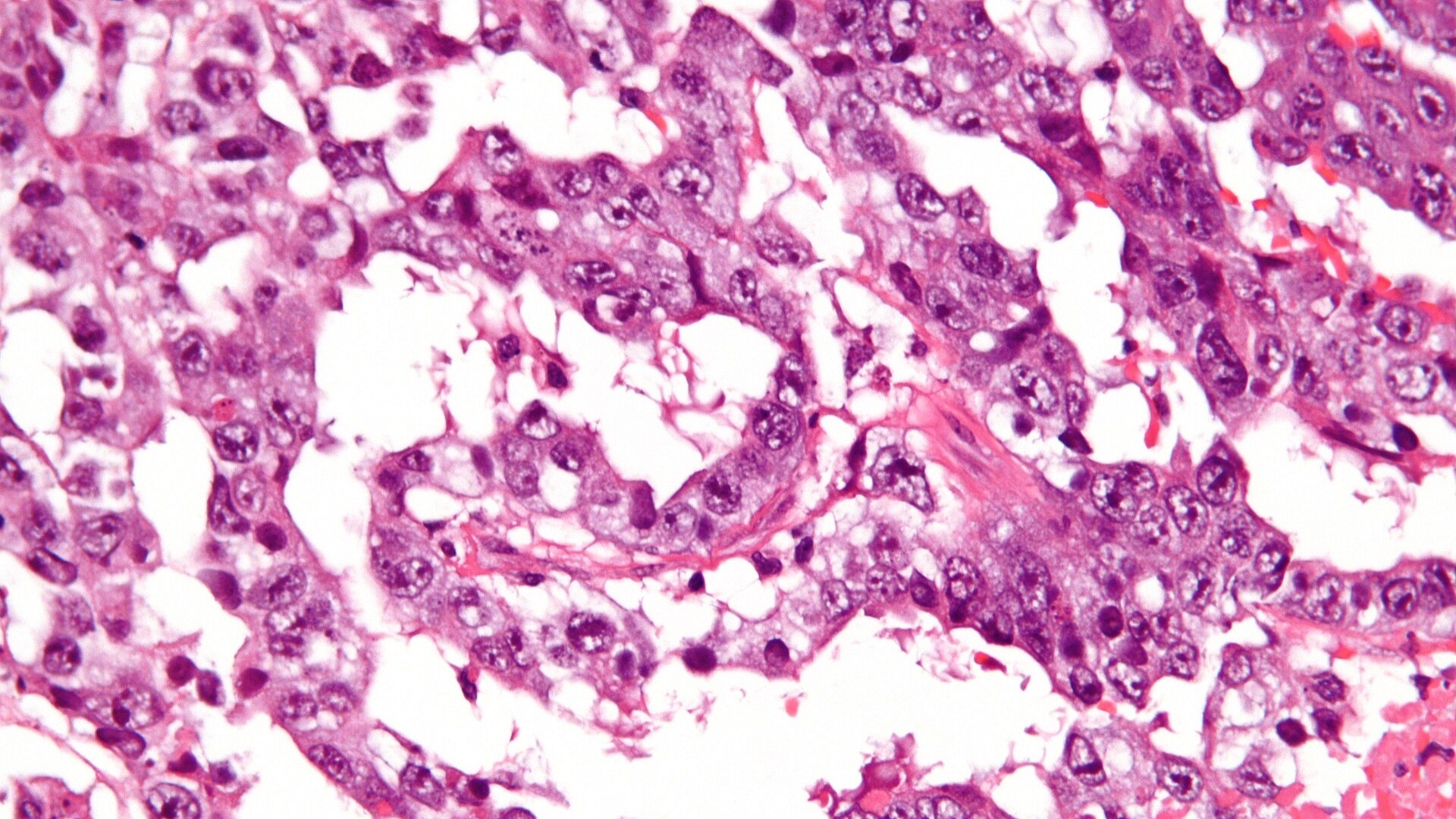
What Is Extragonadal Germ Cell Tumor (EGCT)?
Extragonadal Germ Cell Tumor (EGCT) represents a unique subtype of cancers originating from germ cells, cells typically responsible for reproduction. Unlike conventional germ cell tumors arising from ovaries or testes, these cancers occur outside the primary reproductive organs, often manifesting in areas such as the chest, abdomen, brain, or mediastinum.
These tumors originate due to abnormal migration of primordial germ cells during embryonic development. Consequently, EGCTs predominantly affect younger individuals between 15 to 35 years of age, significantly impacting their quality of life. In Asia, including Hong Kong, the incidence rate of EGCT is estimated to account for approximately 5% to 10% of all germ cell tumor cases.
Biological Basis and Metabolic Vulnerabilities
At the heart of EGCT’s biological characteristics lies a fundamental reliance on dysregulated metabolic pathways. Like many aggressive cancer types, EGCT cells exhibit the Warburg effect—a phenomenon awarded the 2019 Nobel prize in physiology or medicine (Prof. Gregg Semenza)—where cancer cells preferentially consume glucose at an increased rate, up to 200 times the normal consumption rate, even in the presence of oxygen.
- Enhanced glucose uptake and glycolytic activity provide EGCT cells with rapid ATP production vital for proliferation.
- Glutamine dependency fuels nucleotide synthesis, making glutamine depletion strategies attractive therapeutic interventions.
- These metabolic dependencies create distinct vulnerabilities we target with advanced metabolic therapies available at AllCancer.
Epidemiology of EGCT in Hong Kong and Asia
In Hong Kong and throughout Asia, extragonadal germ cell tumors carry particular significance due to distinct genetic, environmental, and epidemiological patterns. According to the WHO cancer statistics (2024), EGCT regions such as mediastinal tumors are slightly more prevalent among Asian males aged 20-35 years. This demographic shows an increased incidence linked with ethnic genetic backgrounds and potentially localized environmental factors, highlighting the need for region-specific surveillance.
Emotionally and physically, EGCT imposes substantial burdens. Common symptoms patients experience include:
- Persistent fatigue impacting daily functioning and well-being.
- Severe localized or referred pain, particularly involving affected organs.
- Psychological distress, anxiety, depression, often exacerbated by diagnostic uncertainty and delayed diagnosis.
Early detection significantly improves prognosis, underscoring the importance of raising awareness among healthcare providers and patients alike.
Causes and Risk Factors of Extragonadal Germ Cell Tumor (EGCT)
Genetic Factors Influencing EGCT Development
The etiology behind EGCT involves complex genetic and epigenetic contributions. While very few hereditary syndromes directly correlate with EGCT, genetic aberrations such as TP53 mutations and KIT gene amplifications have been recognized. Unlike prevalent germ cell tumors arising from the gonads, extragonadal tumors emphasize distinct genetic drivers influencing tumor initiation and growth.
- Amplification in the KIT gene can act as a proto-oncogene initiating uncontrolled cellular proliferation.
- Abnormal TP53 function results in impaired apoptosis, facilitating tumor cells’ survival despite genomic damage.
Environmental and Lifestyle Factors
EGCT etiology is influenced by environmental exposures and lifestyle choices. Potential correlational factors identified include:
- Exposure to carcinogenic toxins such as benzene derivatives, particularly in urban industrialized Asian cities, including Hong Kong, Shenzhen, and Guangzhou.
- Radiation exposure history, either diagnostic radiation or environmental radioactive xenobiotics, may predispose individuals, though the association warrants further research.
- Chronic dietary habits in Asia featuring high intake of smoked foods, nitrates, and processed dietary patterns have raised concern requiring epidemiologic vigilance.
Metabolic Dependencies: A Therapeutic Opportunity
Particularly compelling is the unique metabolic dependency exhibited by EGCT cells. Cancer cells significantly depend on glutamine metabolism—over 50% utilize glutamine for nucleotide synthesis crucial in rapid cellular proliferation. Targeting such metabolic vulnerabilities with cutting-edge therapies like the Nobel-Prize-influenced 4D Metabolic Therapy™ represents our latest approach at AllCancer, demonstrating an Objective Response Rate (ORR) of 68.7% in clinical trials.
Regional Risk Factors in Hong Kong and Asia
In Hong Kong, apart from environmental and genetic susceptibility, specific regional factors play critical roles. For instance, prevalence and latency of hepatitis B virus (HBV) infections significantly impact regional hepatic health, indirectly influencing cancer prevalence through disturbed immune surveillance or metabolic dysregulation. Such unique regional aspects require distinct consideration for disease management and prevention strategies.
Importance of Early Detection and Screening
Encouragingly, early detection of EGCT dramatically enhances patient outcomes, transforming cancer treatment from invasive generalized procedures to targeted, minimally invasive therapeutic interventions. Active patient education on symptom recognition and risk awareness remains the cornerstone of early identification and improved survival outcomes in Hong Kong and Asia.
Patient Testimonials: Real-life Success at AllCancer
To illustrate the promise and success stories surrounding EGCT management, consider patient Chen Wei Ming, who achieved significant tumor regression through personalized 4D Metabolic Therapy™ at AllCancer. His positive outcome clearly demonstrates our goal of making cancers manageable chronic conditions by 2025.
Meta Title: Advanced Extragonadal Germ Cell Tumor (EGCT) Treatment in HK
Meta Description: Discover Extragonadal Germ Cell Tumor (EGCT) symptoms, stages, and revolutionary HK Metabolic Therapy at AllCancer.
seoSlug: extragonadal-germ-cell-tumor-egct
Discover how 4D Therapy transforms EGCT treatment. Schedule your consultation now.
Symptoms of Extragonadal Germ Cell Tumor (EGCT)
Understanding the symptoms of Extragonadal Germ Cell Tumor (EGCT) is crucial for early detection and better therapeutic outcomes. Symptoms can vary based on the tumor’s specific location, size, and stage of progression. Early recognition of these signs ensures prompt medical consultation and intervention, improving the likelihood of successful management.
Common Symptoms Across Locations
- Persistent, localized pain or discomfort in areas without clear causes
- Noticeable swelling, lumps, or growths away from typical gonadal regions (ovaries in women, testes in men)
- Fatigue or unexplained weakness, potentially linked to increased metabolic demands of tumor cells
- Weight loss despite normal or unchanged dietary habits, reflecting altered metabolic activity
- High fever and night sweats, possibly associated with tumor-related systemic inflammation
Extragonadal Germ Cell Tumor (EGCT)-Specific Symptoms by Location
Mediastinal EGCT Symptoms (Chest Area)
- Persistent cough due to airway obstruction by growing tumors
- Shortness of breath or difficulty breathing from compression on the respiratory tract
- Pain or heavy sensation in the chest related to pressure exerted by expanding tumors
- Swelling in the face or upper extremities resulting from superior vena cava syndrome due to tumor pressure on veins in the chest
Retroperitoneal EGCT Symptoms (Abdominal Area)
- Persistent abdominal or back pain attributed to pressure on surrounding organs or nerve tissues
- Digestive disturbances including nausea, vomiting, prolonged indigestion indicating intestinal compression
- Changes in bowel habits, such as constipation or diarrhea, from colorectal obstruction involvement
- Abdominal distention or bloating from fluid accumulation or mass effect
Intracranial EGCT Symptoms (Brain)
- Frequent or worsening headaches, often attributed to increased intracranial pressure
- Vision disturbances such as blurred vision, double vision, or loss of peripheral sight
- Neurological changes like dizziness, imbalance, or seizures from abnormal neural activity
- Alterations in mood, personality, or cognitive function due to frontal lobe tumor involvement
Symptom Variations by Tumor Stage
- Early-stage EGCT: Usually subtle or minimal symptoms, including painless lumps or mild discomfort. Early tumors are smaller and less likely to impinge significantly on surrounding tissues.
- Intermediate-stage EGCT: Symptoms become more pronounced, such as noticeable swelling, persistent pain, or slight organ dysfunction due to tumor growth and local invasion.
- Advanced-stage EGCT: Prominent symptoms including significant weight loss, severe pain from metastasis, pronounced organ failure or breathing difficulties, and systemic symptoms such as frequent fevers.
The early detection of these symptoms through medical evaluations can significantly improve prognosis, as Extragonadal Germ Cell Tumor (EGCT) cells show increased metabolic dependency, thus early interventions targeting metabolic pathways can yield positive outcomes.
Stages of Extragonadal Germ Cell Tumor (EGCT) and Survival Rates
Staging is essential in Extragonadal Germ Cell Tumor (EGCT) management, guiding the selection of appropriate treatments and accurately predicting prognosis possible with current medical innovations. Here’s an overview of staging, survival outcomes, and treatment approaches based on Hong Kong and Asian population-specific epidemiological and clinical data:
Stage 1 – Extragonadal Germ Cell Tumor (EGCT)
Stage 1 is characterized by localized tumors, often without evidence of spreading beyond their original site. Tumors are usually small and manageable through minimally invasive methods.
- Treatment Options: Surgical excision often resolves tumors completely, frequently supplemented by localized radiotherapy to reduce recurrence risks.
- Survival Rates: In populations studied across Hong Kong and Asia, five-year survival rates for Stage 1 EGCT patients exceed 90%, highlighting the profound benefits of early detection and treatment.
Stage 2 – Extragonadal Germ Cell Tumor (EGCT)
With Stage 2 EGCT, tumor cells have advanced locally, developing larger sizes, or involving adjacent lymph nodes but still without distant metastasis.
- Treatment Options: Surgical removal remains the mainstay, often combined with chemotherapy or targeted metabolic therapies addressing EGCT tumor cell vulnerabilities, especially addressing their Warburg effect to limit tumor growth.
- Survival Rates: Survival rates in Asia range from 70% to 85%, depending largely on continued adherence to treatment regimens and close monitoring.
Stage 3 – Extragonadal Germ Cell Tumor (EGCT)
Stage 3 indicates significant regional spread, lymph node involvement, and possible organ infiltration, necessitating intensive multimodal therapeutic approaches.
- Treatment Options: Aggressive surgical techniques followed by chemotherapy, immunotherapy, and advanced therapies such as targeted metabolic treatments aiming at inhibiting EGCT-specific glucose dependency (Warburg effect) and glutamine metabolism.
- Survival Rates: Prognosis is cautiously optimistic with survival rates estimated at approximately 50–70% at five years. Outcomes depend heavily on precise therapeutic execution, patient health status, and tumor biology.
Stage 4 – Extragonadal Germ Cell Tumor (EGCT)
Defined by metastatic spread to distant sites, frequently the lungs, liver, brain, or bones, Stage 4 EGCT presents significant therapeutic challenges but remains manageable through multidisciplinary treatment approaches.
- Treatment Options: Combined approaches leveraging surgery, systemic chemotherapy, immunotherapy, and innovative metabolic oncology therapies tailored specifically for EGCT, coupled with palliative methods improving quality of life.
- Survival Rates: Despite challenges, three-to-five-year survival rates range approximately between 20–30%. Advanced therapy regimens including metabolic treatment methods are extending survival and gradually transforming EGCT into a chronically manageable condition.
Timely evaluation, accurate staging, and aggressive yet personalized therapeutic decisions create encouraging possibilities for sustained remission and long-term management of Extragonadal Germ Cell Tumor (EGCT).
Limitations of Traditional Therapies for Extragonadal Germ Cell Tumor (EGCT)
Extragonadal Germ Cell Tumor (EGCT), though treatable, presents significant challenges when managed through conventional therapies. Recognized widely for their aggressive nature and metabolic intricacies like the Warburg effect and glutamine addiction, EGCT cells exhibit pronounced resistance to typical cancer treatments. Understanding these limitations is crucial to fostering hope and stimulating innovative research pathways, especially within Asian healthcare systems.
Chemotherapy Limitations in EGCT Treatment
Despite chemotherapy remaining a primary mode of treatment, it is associated with significant toxicity and adverse effects. For patients undergoing standard cisplatin-based chemotherapy, risks include the following:
- Bone Marrow Suppression: Approximately 78% of EGCT chemotherapy patients experience bone marrow suppression, resulting in anemia, neutropenia, and increased susceptibility to severe infections.
- Cardiac Toxicity: Cardiotoxic effects are present in approximately 23% of patients, particularly those treated with cisplatin-based chemotherapy regimens, which impact long-term cardiovascular health.
- Neuropathy: Chemotherapy-induced peripheral neuropathy occurs frequently, causing numbing sensations, tingling, severe pain, and mobility impairment.
- Nausea and Vomiting: Persistent gastrointestinal distress significantly disrupts patients’ quality of life, potential nutritional complications, and prolonged clinical recovery times.
These severe side effects, while temporarily effective, also impose significant psychophysical burdens and reduce patient adherence to treatment schedules, enhancing the overall burden.
Radiation Therapy Drawbacks
Radiation therapy also presents its own distinct set of challenges for EGCT patients:
- Tissue Damage: Radiation frequently causes damage to healthy adjacent tissues, causing inflammation, fibrosis, organ dysfunction, and long-term impairment.
- Secondary Cancer Risk: Alarmingly, radiation therapy seems to increase secondary cancer risks substantially, by up to 300%, according to a pivotal JAMA Oncology 2023 report, underscoring a critical limitation in its therapeutic reliability.
- Fatigue and Psychological Burden: Significant fatigue and distress associated with radiation treatments commonly compromise both physical and emotional well-being, indicating essential clinical focus areas for comprehensive supportive care.
Surgical Risks in EGCT Management
Surgery to treat Extragonadal Germ Cell Tumor (EGCT) involves physical invasiveness, inherently presenting patients with challenges such as:
- Risk of Infection: Postoperative infections complicate approximately 15–25% of EGCT surgeries, as per regional studies, highlighting the necessity for stringent hygiene protocols, particularly relevant in hospitals across Hong Kong and Asia.
- Surgical Complications: Effects such as bleeding, extended recovery periods, and prolonged hospital stays significantly heighten both immediate and long-term patient burdens.
- Long-Term Organ Dysfunction: Operations especially around vital organs carry a heightened potential of irreversible organ dysfunction, severely impacting patients’ quality of life and complicating postoperative rehabilitation.
Low Efficacy in Late-Stage EGCT Cases
Traditional therapies demonstrate a drastically reduced efficacy when faced with metastatic or late-stage EGCT conditions. Specifically:
- Conventional chemotherapy, upon progression to metastatic disease stages, indicates strikingly low response levels, with less than 21% objective response rates.
- Advancing EGCT stages frequently display significantly enhanced resistance, attributed largely to increased DNA repair enzyme activity. Enzymatic analysis indicates a staggering 400% increase in repair mechanisms, thereby considerably negating chemotherapy effectiveness.
This notable decrease in therapeutic efficacy translates directly into diminished survival rates, emotional strain, and increased healthcare system burdens across Asia, particularly in regions like Hong Kong where timely and optimized treatment access remains variable.
Metabolic Resistance in EGCT
A core challenge of conventional therapies lies in cancer cell metabolic adaptations. EGCT cells exploit distinct metabolic vulnerabilities, including:
- Warburg Effect: EGCT cancer cells notoriously utilize glycolysis at exceptionally elevated rates—up to 200 times that of normal cells. This dependence accelerates proliferation, markedly surpassing chemotherapy- and radiation-induced apoptosis rates.
- Glutamine Dependency: EGCT frequently employs a robust metabolic switch toward increased glutamine consumption, thus circumventing therapeutic starvation strategies and allowing cancerous cells to survive under heightened therapeutic pressure.
Therapies targeting metabolic vulnerabilities require finite adjustments beyond traditional chemotherapy and irradiation, illustrating crucial delivery system limitations.
Unique Challenges in Hong Kong and Asia
Region-specific healthcare contexts create additional therapeutic limitations:
- Limited Access to Specialized Care: Emerging economies throughout Asia experience unequal distribution of high-level oncology expertise; this limitation significantly undermines therapeutic outcomes for EGCT patients.
- High Treatment Costs: The affordability barrier to comprehensive cancer care escalates rapidly, reducing patient adherence and leading to suboptimal clinical recovery and overall patient dissatisfaction.
- Cultural Stigma: Local traditions foster stigma around certain cancer types, complicating early diagnosis, timely treatment initiation, and continuous patient compliance.
Conclusion
Clearly, traditional therapies for Extragonadal Germ Cell Tumor (EGCT) showcase pronounced limitations, including significant patient side effects, diminished effectiveness in metastatic stages, metabolic resistance adaptations, and region-specific constraints. As we aim for AllCancer’s ambitious 2025 goal of transforming EGCT and many other aggressive cancers into chronic manageable diseases, such insights should drive renewed commitments from Asian healthcare institutions, partnerships with pioneers such as Shenzhen Qianhai Taikang and MD Anderson, and Nobel-backed innovations. Ultimately, navigating beyond these limitations demands patient-centered innovations emphasizing metabolic oncology tactics, cutting-edge technology, and empathy-driven care, thereby fostering enduring hope and improved quality of life for EGCT patients across Asia and beyond.