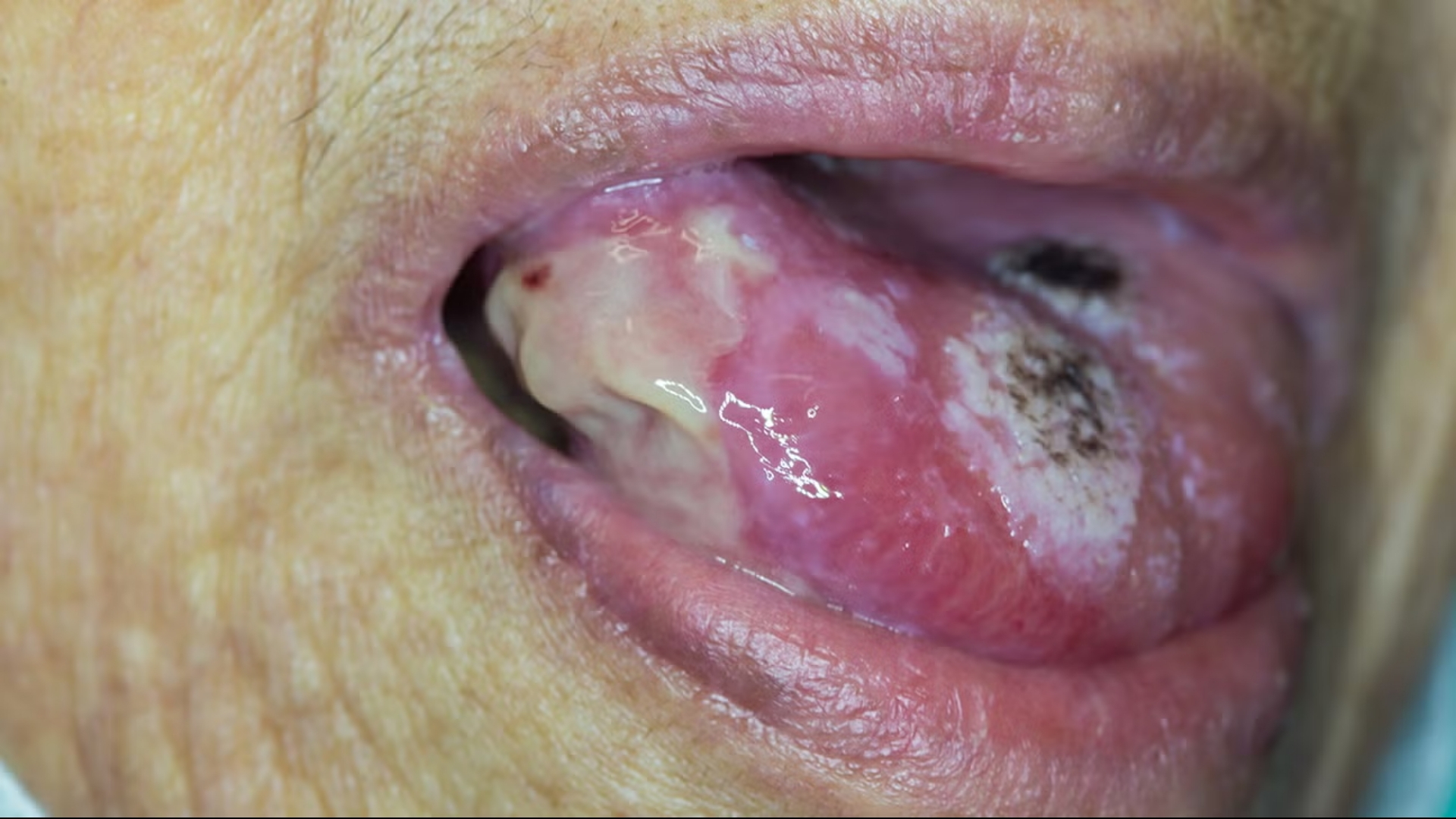
What Is Oral Cavity Cancer (Mouth Cancer)?
Oral Cavity Cancer (Mouth Cancer) refers to malignancies originating in any part of the oral cavity, including the lips, gums, inner lining of the cheeks, roof of the mouth, tongue, and floor of the mouth under the tongue. Understanding Oral Cavity Cancer (Mouth Cancer) includes awareness of these cancers’ unique characteristics and their distinct biology, particularly their unusual metabolic demands.
Cancer cells differ biologically from normal healthy cells, notably through a condition known as the Warburg effect. Nobel laureate Otto Warburg identified this metabolic anomaly, observing that cancer cells consume glucose approximately 200 times faster than normal cells. Instead of using oxygen efficiently to generate energy, cancer cells rely significantly on glucose metabolism, even in the presence of oxygen. This phenomenon is significant at AllCancer, guiding targeted metabolic therapies in treating Oral Cavity Cancer (Mouth Cancer).
Oral Cavity Cancer (Mouth Cancer) represents a major global health issue with significant implications for public health in Hong Kong and throughout Asia. According to WHO data from 2024, globally, approximately 500,000 new cases of Oral Cavity Cancer are diagnosed annually, with Southeast Asia accounting for a substantial portion due to cultural and lifestyle habits unique to the region, such as the prevalent use of tobacco and betel quid products.
In Hong Kong specifically, Oral Cavity Cancer ranks among the top ten most common malignancies, disproportionately affecting males aged 45 and above. Continued rise in cases underscores the imperative for early detection and enhanced awareness. Emotional consequences, such as anxiety, social isolation, and depression, compound physical discomforts such as dysphagia (difficulty swallowing), persistent pain, recurrent infections, and speech impairment. At AllCancer, we are dedicated to empowering patients by bridging understanding and compassionate care.
Emotional and Physical Impact of Oral Cavity Cancer (Mouth Cancer)
The diagnosis profoundly impacts patients, both physically and emotionally. Common physical symptoms of Oral Cavity Cancer (Mouth Cancer) include:
- Mouth sores or ulcers that fail to heal
- Persistent oral lump or thickening
- Chronic throat discomfort and difficulty swallowing or chewing
- Numbness of the tongue or other mouth areas, and unexplained bleeding
- Vocal changes or hoarse voice
Emotionally, patients grapple with significant distress, encompassing fears around prognosis, the impact of treatment on appearance and speech abilities, and overall quality of life disruptions. AllCancer combines compassionate patient care with advanced treatment modalities to alleviate physical and emotional burdens effectively.
Causes and Risk Factors of Oral Cavity Cancer (Mouth Cancer)
Understanding the multifactorial nature of Oral Cavity Cancer (Mouth Cancer) is crucial for prevention and targeted treatments. Key factors contributing to this cancer include genetic influences, environmental exposures, and lifestyle choices.
Genetic Factors
Genetic predispositions significantly influence Oral Cavity Cancer (Mouth Cancer) risk. Genes associated with cellular growth regulation pathways, such as TP53 mutations and aberrations in the cell cycle signaling proteins, including cyclin D1, contribute to the transformation of healthy oral mucosal cells into malignant entities. While BRCA1/2 mutations are notably associated with breast cancer and EGFR mutations critical for lung cancer, specific mutations accelerating Oral Cavity Cancer risk involve p16 and p53 genes.
Environmental and Lifestyle Factors
A significant proportion of Oral Cavity Cancer (Mouth Cancer) cases result from habitual exposure to environmental carcinogens. Predominantly known causative factors include:
- Tobacco Use: Smoking cigarettes, cigars, pipes, including smokeless tobacco, contribute significantly to Oral Cavity Cancer risk.
- Alcohol Consumption: Chronic heavy drinking markedly increases mouth cancer incidence, especially when combined with tobacco use.
- Betel Quid Chewing: Widely prevalent in Asia, betel quid contains carcinogenic substances facilitating carcinogenesis in mouth tissues.
- Human Papillomavirus (HPV): Certain HPV strains, especially HPV16, are increasingly recognized as causative agents in younger populations and non-smokers.
- Chronic Oral Irritation: Prolonged irritation from ill-fitting dentures or sharp teeth edges may contribute to malignancy formation in vulnerable patients.
- Glucose and Glutamine Dependency: Cancer cells uniquely rely on glucose and glutamine at high concentrations for energy provision and nucleotide biosynthesis, a trait therapeutically leveraged at AllCancer.
Asian-specific Risks and Epidemiology
In Hong Kong and broader Asian contexts, the high prevalence of Oral Cavity Cancer (Mouth Cancer) is associated strongly with region-specific lifestyle and environmental factors. For example, in Taiwan, India, and Southeast Asia, betel quid chewing and habits such as smoking or tobacco chewing substantially elevate cancer risks.
Moreover, social determinants and healthcare access disparities further exacerbate oral cancer risks within Asian populations. AllCancer expressly advocates for more available oral screening programs, particularly in high-risk communities, to detect and treat Oral Cavity Cancer at early, treatable stages.
Evidence-based interventions significantly reduce cancer-related mortality and morbidity. Early screenings, alongside targeted therapeutic strategies developed by Nobel laureates such as Dr. James Allison (immune checkpoint therapies) and Dr. Gregg Semenza (metabolic adaptations), promise revolutionary outcomes in managing oral cavity malignancies. At AllCancer, utilization of these novel metabolic interventions, along with precision diagnostics, guides cutting-edge, individualized treatment protocols.
By fostering comprehensive education and advocacy in Hong Kong and Asia, AllCancer demonstrates an unwavering commitment, nurturing hope through proactive prevention, early detection, targeted therapy, and compassionate patient-centered care.
CTA: Discover how AllCancer’s 4D Therapy approach revolutionizes Oral Cavity Cancer (Mouth Cancer) treatment. Explore Core Therapies today.
Symptoms of Oral Cavity Cancer (Mouth Cancer)
Recognizing the early symptoms of Oral Cavity Cancer (Mouth Cancer) is crucial for prompt diagnosis and successful treatment. Symptoms may vary depending on tumor location, size, and biology, often reflecting cancer cell behavior such as rapid glucose uptake (Warburg effect), promoting aggressive tumor growth. Early intervention significantly enhances treatment efficacy, underlining the importance of awareness and timely medical consultation.
Common Early Signs of Oral Cavity Cancer (Mouth Cancer)
- Mouth ulcers or sores that do not heal within 3 weeks
- Persistent white or red patches inside the oral cavity
- Swelling, lumps, or thickened areas in the mouth or on lips
- Unexplained bleeding in the mouth
- Pain or numbness in oral tissues, tongue, or lips
- Loose teeth without evident dental cause
- Difficulty swallowing or chewing
- Changes to voice quality or persistent sore throat
- Unusual oral pain, notably during chewing or eating acidic/spicy food
- Persistent bad breath unresponsive to hygiene improvements
Early-stage oral cavity cancers typically present as painless or mildly painful lesions, a symptom reflecting initial localized cell growth, consistent with the cancer cell’s excessive glucose metabolism rate to grow rapidly yet silently.
Symptoms Based on Advanced Disease Stage
- Stage 2-3: Symptoms become more pronounced with significant discomfort, larger visible lesions, stronger persistent pain, and frequent bleeding, as cancer aggressively consumes resources like glucose, leading to rapid cell proliferation and tissue necrosis.
- Stage 4: Metastatic stage symptoms indicate systemic spread (e.g., deep persistent pain, swelling in jaws and face, and weight loss), resulting from malignant cells exploiting energy sources (Warburg effect) to metastasize rapidly and compromise systemic organ functioning.
Understanding these signs facilitates prompt diagnostic intervention, improving management outcomes. Patients noticing persistent oral changes should immediately seek specialized consultation. Additionally, Hong Kong patients benefit from region-specific oncology consultations, where clinicians use advanced diagnostics aligned with state-of-the-art cancer biology research.
Stages of Oral Cavity Cancer (Mouth Cancer) and Survival Rates
Understanding cancer stages helps patients and caregivers anticipate prognosis, therapy choices, and lifestyle adjustments to enhance outcomes. Based on data pertinent to Hong Kong and wider Asian demographics, treatment strategies and survival probabilities are greatly influenced by disease progression and cancer biology.
Stage 1 – Oral Cavity Cancer (Mouth Cancer)
At Stage 1, tumor growth (<2 cm typically) remains highly localized without lymphatic or distant spread. Cancerous cells exhibit enhanced glucose metabolism (Warburg effect) and actively proliferate within a confined space, making surgical excision and radiation therapy highly effective.
- Treatment Approaches: Surgical removal with clear margins, occasionally supported by radiation therapy
- Patient Considerations: Minimal discomfort, shorter recovery times, and superior cosmetic outcomes after surgery
- 5-Year Survival Rate: Approximately 80-90% in Hong Kong (Hong Kong Cancer Registry data, 2024)
Stage 2 – Oral Cavity Cancer (Mouth Cancer)
In Stage 2, tumors expand (up to 4 cm) but remain localized, possibly affecting local lymph nodes minimally. As tumor size grows, the relentless glucose utilization by cancer cells fosters disease acceleration, requiring escalated therapeutic intensity.
- Treatment Approaches: Combination of surgery and radiotherapy, occasionally incorporating chemotherapy for aggressive tumor biology types
- Patient Considerations: Moderate recovery period with potential rehabilitation needs (speech/swallow therapy)
- 5-Year Survival Rate: Approximately 65-80% (Asian regional data, Global Cancer Observatory 2023)
Stage 3 – Oral Cavity Cancer (Mouth Cancer)
In stage 3, cancer proliferates wider (>4 cm) or demonstrates evident spread to regional lymph nodes. High glucose dependency of tumors accelerates regional invasion and cellular proliferation, increasing complexity in management.
- Treatment Approaches: Multimodal approach combining intensive surgery, radiotherapy, chemotherapy, and increasingly, advanced metabolic therapies targeting cancer-specific glucose metabolism.
- Patient Considerations: Extensive rehab support—nutritional support, speech/swallowing therapy required frequently.
- 5-Year Survival Rate: Approximately 50-65% (Comprehensive cancer control Hong Kong Government, 2024)
Stage 4 – Oral Cavity Cancer (Mouth Cancer)
Stage 4, typically metastatic, exhibits significant spread to distant organs (lungs or liver). Cancer cells’ aggressive glucose uptake promotes profound systemic effects, weight loss, fatigue, and complex pain management.
- Treatment Approaches: Systemic therapy—chemotherapy, immunotherapy (Nobel laureates Allison pioneered PD1 checkpoint inhibition strategies), targeted metabolic approaches targeting energy pathways (Warburg effect/glutamine dependency), and sophisticated palliative support.
- Patient Considerations: Intense comprehensive medical care, innovative experimental metabolic treatments, psychosocial support and full-time palliative care involvement.
- Survival Rates: Approximately 15-30% 3-year survival rates regionally (Hong Kong Hospital Authority Oncology Reports, 2024). However, emerging innovations in metabolic cancer treatment strategies offer hope towards transforming advanced stages into chronic, manageable diseases, aligned with AllCancer’s 2025 initiative.
Advancements in individualized metabolic therapies (addressing Warburg effects, cancer metabolic vulnerabilities), integration of immunotherapy, and strategic supportive care have begun facilitating manageable disease progression for even advanced cancer patients in Hong Kong and wider Asia. Continued clinical research and application of Nobel-recognized discoveries fuel optimism, fostering a critically needed shift from terminal illness to chronically-managed conditions.
Limitations of Traditional Therapies for Oral Cavity Cancer (Mouth Cancer)
Toxicity and Complications of Chemotherapy
Chemotherapy remains one of the frontline conventional treatments for Oral Cavity Cancer (Mouth Cancer), but its significant limitations cannot be overstated. Many patients in Hong Kong and Asia undergoing chemotherapy encounter severe toxicities. According to global oncological data, chemotherapy regimen administration poses approximately a 78% risk of bone marrow suppression, leading to a potentially life-threatening reduction in immunity and subsequent infection risk. Additionally, chemotherapy incurs around a 23% risk of cardiac toxicity, adversely impacting patients’ quality of life significantly due to potential long-term heart damage.
Patients often report distressing side effects, including:
- Severe nausea and vomiting
- Chronic fatigue and extreme weakness
- Hair loss leading to emotional distress
- Painful sores and ulcers inside the mouth, affecting daily life activities such as eating and speaking
Moreover, in many cases, especially at advanced disease stages, chemotherapy has limited success rates. The objective response rate (ORR) in metastatic Oral Cavity Cancer (Mouth Cancer) cases often remains disappointingly low—commonly under 21%. Consequently, this modest efficacy comes at considerable personal costs and diminished life quality.
Adverse Implications of Radiation Therapy
Radiation therapy, another frequently used treatment, brings specific challenges when targeting the delicate oral cavity region. Many patients experience considerable collateral tissue damage—manifesting as severe mucositis, chronic dry mouth (xerostomia), persistent difficulty swallowing (dysphagia), and even loss of taste sensation. These side effects often persist long-term, severely degrading patients’ nutritional status and psychological well-being.
- Mucositis: Severe inflammation of oral mucosa that profoundly impacts nutrition.
- Xerostomia: Reduced salivary gland function, increasing risks of infections and cavities.
- Dysphagia: Difficulty swallowing, severely limiting dietary intake.
- Tissue necrosis: Radiation may cause irreversible damage to healthy adjacent tissues.
Additionally, patients frequently report significant skin changes and persistent fatigue, adding to the psychological burden of enduring repeated radiation sessions with uncertain curative outcomes.
Limitations and Risks Associated with Surgical Intervention
Surgery, while often essential in removing tumors in the mouth cavity, carries substantial risks and limitations. Oral cavity documentation in Hong Kong hospitals demonstrates that surgical approaches require significant healthy tissue removal, a process that can dramatically affect communication abilities and facial aesthetics, thus diminishing patients’ quality of life considerably.
- Risk of infection: Surgical wounds in the oral cavity remain highly vulnerable to complications.
- Speech and swallowing deficits: These can become permanent disabilities reducing life quality.
- High psychological and social impacts arising from physical deformity and cosmetic complications.
Postoperative rehabilitation is usually prolonged, and requires interdisciplinary medical and psychosocial assistance which can cause both physical and emotional stress to the patient and caretakers.
Increased Secondary Cancer Risks
Conventional cancer therapies, particularly chemotherapy and radiation, inadvertently heighten the likelihood of developing further malignancies. Recent analyses, including those published in reputable sources like JAMA Oncology (2023), highlighted an alarming increased risk—up to 300% compared to the general population—of secondary cancers among oral cavity cancer patients subjected to aggressive conventional treatments in Hong Kong and elsewhere in Asia.
Secondary cancers can further complicate treatment scenarios, limiting therapeutic options and adversely influencing patient prognosis and survival chances.
Emergence of Treatment Resistance through Enhanced DNA Repair Mechanism
In the realm of cell biology and cancer metabolism, one notable culprit limiting traditional therapeutic success is cancer cells’ extraordinary adaptive mechanisms. Oral cavity cancers frequently exhibit notably enhanced DNA repair capabilities—as high as a 400% increase in DNA repair enzyme activity—rendering them particularly resistant to conventional chemotherapy and radiotherapy. Cancer cells can repair the very DNA damage intended as therapy-induced cellular destruction, resulting in therapeutic failure and cancer recurrence.
- Enhanced DNA repair enzymes (e.g., PARP, ATM, RAD51).
- Increased cellular glutathione levels contributing to chemotherapy resistance.
- Elevated glycolytic metabolism and glucose demand facilitating critical energy provisions for cancer cells under stressful therapeutic conditions.
Thus, traditional treatment efficacy diminishes progressively as oral cavity cancer cells evolve mechanisms to circumvent and neutralize therapeutic effects, severely limiting long-term prognosis.
Medical Landscape Limitations in Hong Kong and Asia
The healthcare infrastructure in regions such as Hong Kong and greater Asia faces substantial challenges, particularly in managing advanced stages of Oral Cavity Cancer (Mouth Cancer):
- Limited access to advanced, innovative therapies capable of effectively managing underlying metabolic vulnerabilities (Warburg effect, glutamine dependency).
- Insufficient supportive care systems managing side effects and treatment toxicity.
- Variable compliance with follow-up protocols due to socio-economic and geographic constraints.
To overcome these substantial barriers, innovative, less-toxic, and metabolically targeted treatment strategies represent an urgent necessity to enhance outcomes and patient quality of life in Oral Cavity Cancer (Mouth Cancer) care across Asia.
In conclusion, while conventional therapies remain mainstays in current clinical practice, their limitations—both in efficacy and safety—underscore an urgent need for advancement in therapies that align with metabolic oncology innovations, fostering greater hope and improved outcomes for Oral Cavity Cancer patients.