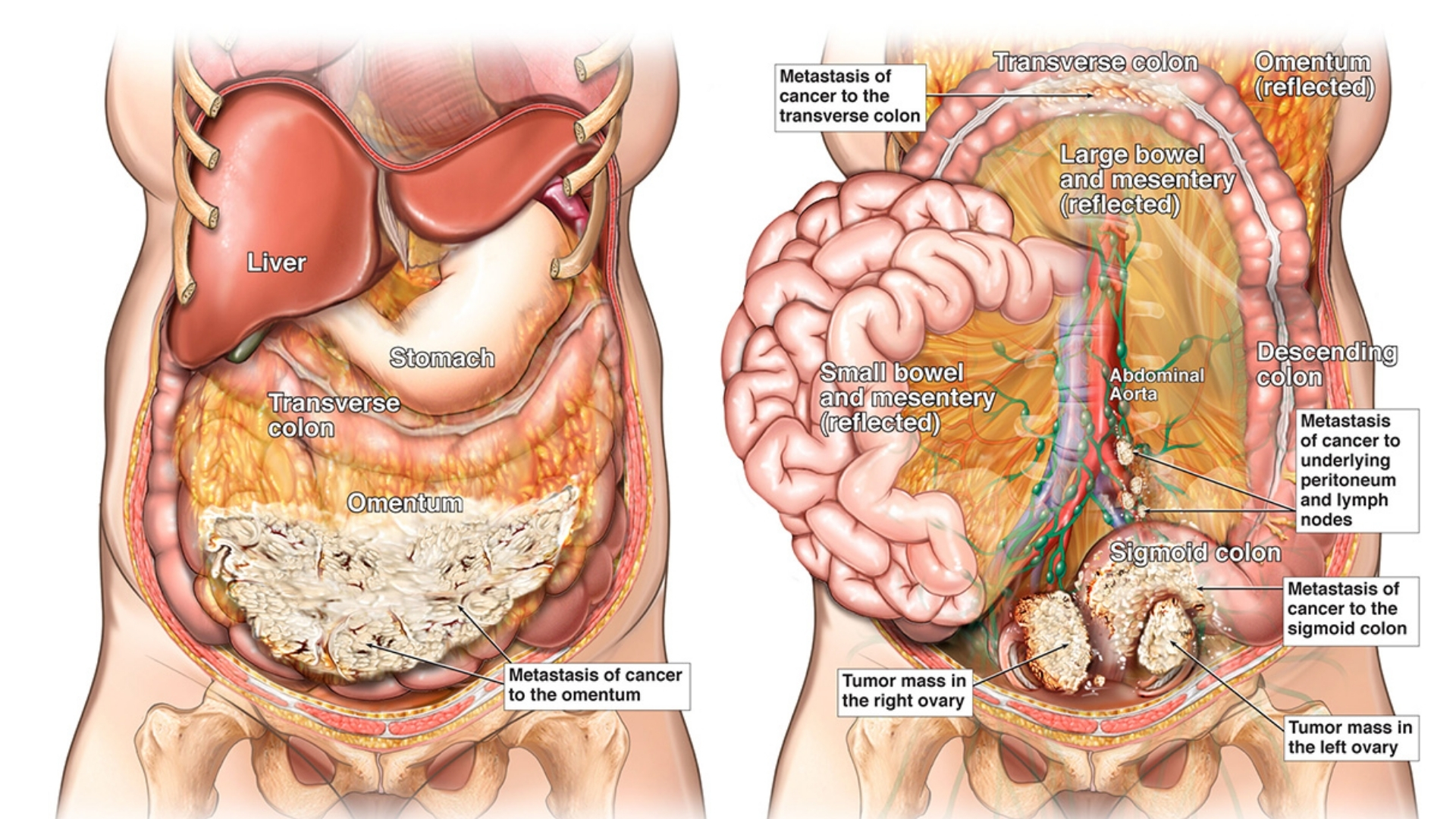
What Is Ovarian Cancer (Ovarian Carcinoma)?
Ovarian Cancer (Ovarian Carcinoma) is a malignant growth originating in the ovaries, a pair of female reproductive organs producing eggs and vital hormones such as estrogen and progesterone. The disease occurs when ovarian cells mutate and proliferate uncontrollably, forming tumours which may spread to surrounding tissues and distant organs.
Understanding Ovarian Cancer (Ovarian Carcinoma) means examining its unique cellular metabolism. A hallmark of cancer cells is the Warburg effect—increased glucose metabolism, even when oxygen is present. Ovarian cancer cells often consume glucose at rates nearly 200 times higher than normal ovarian cells, fueling rapid and uncontrolled growth. This metabolic vulnerability presents innovative opportunities for therapy at AllCancer, uniquely harnessing metabolic oncology to target these cancer cells selectively.
Globally, about 314,000 women are diagnosed annually with ovarian carcinoma, causing 207,000 deaths (WHO, 2024). Within Asia-Pacific, the disease is increasingly significant, reflecting aging populations and lifestyle changes coupled with unique genetic susceptibilities prevalent among women in Hong Kong and broader Asia. Ovarian cancer tends to occur predominantly in women above age 50, especially post-menopausal. However, hereditary ovarian carcinomas linked with BRCA gene mutations may affect younger age groups, necessitating awareness across all demographics.
The emotional toll of an ovarian carcinoma diagnosis profoundly affects mental health, introducing anxiety, depression, and feelings of isolation. Physically, patients may experience abdominal bloating, pain, fatigue, urinary urgency or frequency, and weight fluctuations. In Hong Kong, surveys report increased patient stress and anxiety post-diagnosis due to limited public knowledge and perceived stigma surrounding gynecological cancers.
- Early detection significantly increases treatment effectiveness, with nearly 90% five-year survival if diagnosed at stage I.
- However, typical late-stage diagnosis (Stage III or IV) significantly lowers survival rates, highlighting the critical need for early screening.
To understand the biology of cancer better and how metabolic strategies provide new treatments, you can explore more from our detailed cancer biology overview page.
Causes and Risk Factors of Ovarian Cancer (Ovarian Carcinoma)
Determining the precise causes behind Ovarian Cancer (Ovarian Carcinoma) involves unraveling a complex interplay between genetic predisposition, environmental elements, and lifestyle choices. Identifying these factors empowers women to understand their risk profiles and actively adopt preventive measures.
Genetic Factors
Genetic predispositions significantly contribute to ovarian carcinoma risk. Notably, inherited mutations in BRCA1 and BRCA2 genes drastically elevate lifetime ovarian cancer risk—BRCA1 conferring approximately a 39–44% risk and BRCA2 around 11–17%.
- Lynch Syndrome (associated with mutations in MLH1, MSH2, MSH6, PMS2) elevates ovarian cancer risk to approximately 10–12%.
- Family history plays a crucial role, with risk increasing significantly if first-degree relatives (mother, sister, daughter) previously diagnosed.
Given these genetic considerations, genetic counseling and testing remain invaluable, especially for Hong Kong’s families with strong cancer histories.
Environmental Factors
Although precise environmental factors remain challenging to pinpoint for ovarian carcinoma, exposure to specific endocrine-disrupting chemicals (EDCs) in industrialized urban areas, such as those in several Asian regions, may subtly impact hormonal balance and cancer risk.
Lifestyle Factors
- Obesity: Increased BMI directly correlates with a higher ovarian cancer risk.
- Childbearing and contraceptive use: Pregnancy history and prolonged use of oral contraceptives lower ovarian cancer risk due to reducing total ovulatory cycles across a woman’s lifetime.
- Smoking and alcohol: Smoking increases the risk particularly of mucinous ovarian carcinoma, though alcohol impacts are less clear.
Metabolic Vulnerabilities of Cancer Cells
Cancer cells exhibit unique metabolic behaviors, providing promising insights for targeted therapies:
- Glucose Dependency (Warburg Effect): Ovarian carcinoma cells rely heavily on glycolysis pathways, enabling rapid proliferation under hypoxic conditions.
- Glutamine Metabolism: Approximately 50% of ovarian carcinoma cells leverage glutamine for nucleotide synthesis and energy production, representing another therapeutic opportunity.
Asian-Specific Risks and Trends in Hong Kong
Research highlights region-specific factors influencing ovarian cancer rates across Asian populations:
- Cultural Practices: Dietary patterns, including increased fat and animal protein intake due to Western lifestyle adoption, contribute to increasing ovarian carcinoma rates in Asia.
- Population Aging: Given Hong Kong’s rapidly aging population, ovarian carcinoma incidence is projected steadily upward, emphasizing the urgency of preventive interventions.
Early screening remains incredibly beneficial, especially for genetically predisposed individuals. Regular health check-ups—including pelvic ultrasound scans, CA-125 blood tests, and genetic assessment—substantially improve outcomes, raising awareness and empowering proactive choices.
For detailed risk assessment and early screening options, access our comprehensive Ovarian Cancer (Ovarian Carcinoma) Screening Guidelines.
To explore how AllCancer’s pioneering 4D metabolic therapy targets ovarian carcinoma cells, discover more about our revolutionary HK Metabolic Therapy today.
As we advance toward 2025, AllCancer pledges to transform Ovarian Cancer (Ovarian Carcinoma) from a fatal disease into a manageable chronic condition for numerous patients across Asia. Join us in our unwavering commitment to making cancer manageable and treatable.
Symptoms of Ovarian Cancer (Ovarian Carcinoma)
Early recognition of ovarian carcinoma symptoms dramatically improves prognosis. While early-stage signs can be subtle, being vigilant and consulting medical experts promptly can significantly enhance outcome success. Here are symptoms of ovarian cancer, clearly detailed according to disease progression:
Common Early Symptoms of Ovarian Cancer (Stage I and II)
- Abdominal bloating: Persistent or frequent instance not easily attributed to diet or menstrual cycle.
- Pelvic or abdominal pain: Mild discomfort that gradually intensifies, often unexplained by another medical condition.
- Urinary urgency or frequent urination: Urination habits that noticeably change, including sudden urgency or increased frequency.
- Difficulty eating or feeling full quickly (early satiety): Consistently feeling full after small quantities of food unrelated to digestion issues.
Symptoms in Advanced Stages of Ovarian Cancer (Stage III and IV)
- Significant weight loss or weight gain: Unintentional, often associated with changed eating habits or loss of appetite.
- Fatigue and generalized weakness: Chronic and unrelenting fatigue not correlating to physical activity.
- Persistent gastrointestinal disturbances: Nausea, constipation, or persistent abdominal discomfort without obvious causes.
- Swelling or abdominal distension due to ascites: Fluid accumulation leading to noticeable abdominal swelling or changes in abdomen shape.
- Respiratory difficulties: May include shortness of breath or coughing due to pleural effusion when cancer has metastasized.
These symptoms occur due to tumor growth impacting surrounding organs and tissues, reducing the space available and obstructing normal function. For instance, ovarian carcinoma’s abdominal pain and bloating arise from tumor-induced inflammation and fluid accumulation.
If you experience persistent or unusual symptoms described above, immediately seek medical assistance for screening and detailed diagnostics. Remember, early detection can transform ovarian carcinoma prognosis significantly. Visit our diagnostics page to learn more about effective ovarian cancer detection.
Stages of Ovarian Cancer (Ovarian Carcinoma) and Survival Rates
Effectively determining the ovarian carcinoma stage guides the treatment approach and influences prognosis. Below are detailed explanations of the progressive disease stages, therapy options, and regional survival rates specific to Hong Kong and broader Asia.
Stage 1 – Ovarian Cancer (Ovarian Carcinoma)
At stage 1, ovarian carcinoma remains localized to the ovaries or fallopian tubes without spreading to neighbouring organs.
- Tumour size generally limited and confined strictly to ovarian tissue.
- Surgical procedures involving tumour removal (oophorectomy or salpingo-oophorectomy) often first-choice treatments.
- Additional chemotherapy might follow surgery to eradicate microscopic cancer cells.
Hong Kong and Asian specific survival data indicate approximately 90-95% survival over 5-years for stage 1 ovarian cancer, underscoring the immense benefit of early stage detection and timely intervention.
Stage 2 – Ovarian Cancer (Ovarian Carcinoma)
At stage 2, ovarian carcinoma extends to nearby pelvic organs or tissues, including the uterus, bladder, or rectum, without distant spread.
- Surgical removal of affected tissues remains the initial course of action.
- Chemotherapy frequently follows surgery, targeting residual cancerous cells and reducing recurrence risk.
- Generally reported 5-year survival rates at this stage range between 70-85% across Asian regions, as outlined in regional health research.
Stage 3 – Ovarian Cancer (Ovarian Carcinoma)
Stage III involves cancer spread beyond pelvic organs to abdominal lining or nearby lymph nodes.
- Comprehensive cytoreductive surgery followed by aggressive chemotherapy protocols represents standard treatment approach.
- In certain cases, targeted therapy and advanced metabolic oncology approaches (targeting Warburg effect and glutamine dependency) are increasingly beneficial.
- The respective 5-year Asian survival rate varies between 50-70%, significantly benefited by sophisticated tertiary care centres commonplace in Hong Kong and broader Asian territories.
Stage 4 – Ovarian Cancer (Ovarian Carcinoma)
Stage IV ovarian carcinoma entails extensive metastatic progression, involving distant sites like the liver, lungs, or distant lymph nodes.
- Treatments predominantly suggest systemic chemotherapy, emerging immunotherapies, and combination multi-modal regimes combining metabolic oncology and targeted treatments.
- Hong Kong and Asian healthcare innovations, especially 4D Therapy integrating metabolic and immune-modulating therapies, promise chronic management potential even at advanced stages.
- Survival statistics indicate approximately 20-30% survival rate over three years. Despite advanced stages’ seriousness, current innovations increasingly enable chronic disease management and significantly prolonged quality living.
Understanding ovarian carcinoma stages urges prompt diagnosis and initiation of tailored treatment strategies optimised to the patient’s specific clinical scenario. To explore personalized therapeutic options, visit our comprehensive treatment options page, featuring our globally acclaimed 4D Therapy specific capabilities.
Limitations of Traditional Therapies for Ovarian Cancer (Ovarian Carcinoma)
Overview of Conventional Treatments for Ovarian Cancer (Ovarian Carcinoma)
Ovarian Cancer (Ovarian Carcinoma) treatment traditionally comprises surgery and chemotherapy, frequently supplemented by radiotherapy. While these approaches have provided some benefit, significant limitations remain, particularly evident in late-stage diseases. Consequently, a deeper exploration into these traditional treatments reveals substantial areas for improvement, pinpointing why innovative methods, like metabolic oncology interventions, are urgently needed.
High Toxicity and Risks Associated with Chemotherapy
Chemotherapy remains the cornerstone of traditional Ovarian Cancer (Ovarian Carcinoma) management; however, its effectiveness comes at a considerable health cost:
- Bone Marrow Suppression: Chemotherapy agents like paclitaxel and carboplatin, commonly used in Hong Kong and globally, carry approximately a 78% risk of significant bone marrow suppression leading to immunosuppression, anemia, bleeding complications, and infection susceptibility.
- Cardiac Toxicity: Data indicates around 23% occurrence of cardiac toxicity following chemotherapy treatment, which manifests as arrhythmias, cardiomyopathy, or congestive heart failure.
- Neuropathy and Sensory Loss: Peripheral neuropathy affects up to 50% of patients undergoing standard chemotherapy cycles, severely impacting daily quality of life by limiting mobility and causing chronic pain.
- Nausea and Fatigue: Chemotherapy-induced nausea and chronic fatigue significantly reduce patient adherence to treatment protocols, negatively influencing long-term clinical outcomes and overall patient survival.
In Hong Kong, increased hospitalization from chemotherapy complications has escalated healthcare resource demand, underscoring the need for less toxic alternatives.
Radiation Therapy Side Effects and Limitations
Radiation therapy, often reserved for symptom relief or localized control, is limited by several substantial drawbacks:
- Tissue Damage and Scarring: Healthy tissues surrounding the targeted cancer commonly suffer collateral damage, causing fibrosis and scarring, affecting bladder, bowel, and reproductive organ functions.
- Secondary Malignancy Risk: Radiation exposure significantly increases secondary cancer risks, with reports from JAMA Oncology (2023) revealing up to a 300% increase in secondary malignancies post-radiation.
- Fatigue and Psychological Burden: Prolonged fatigue and psychological effects stemming from radiation contribute significantly to decreased patients’ life quality, demanding psychological support.
Efforts to mitigate radiation side effects limit dosage, thus compromising its efficacy, particularly in advanced or metastatic Ovarian Cancer (Ovarian Carcinoma).
Risks and Limitations of Surgical Treatment for Ovarian Cancer (Ovarian Carcinoma)
Surgery, while critical for localized disease, presents inherent risks:
- Infection Risk: Postoperative infection incidence remains high, primarily in older or immunocompromised patients, translating into prolonged hospital stays and increased cost.
- Surgical Complications: Risks include thrombosis (deep vein thrombosis incidence at 15%), organ damage, excessive bleeding leading to transfusions, and prolonged recovery periods substantially disrupting patients’ lives.
- Incomplete Resection: Complete cancer removal during surgery can be challenging, especially in advanced cases, often necessitating aggressive follow-up treatment with its own set of risks and side effects.
Low Efficacy in Advanced-Stage Cases
A significant limitation of conventional treatments is their reduced efficacy against advanced or metastatic disease. Recent research demonstrates that typical chemotherapy regimens provide less than a 21% objective response rate (ORR) in advanced Ovarian Cancer (Ovarian Carcinoma), highlighting a critical gap in current therapeutic effectiveness.
Moreover, survival outcomes remain modest, with five-year survival rates plummeting sharply at advanced stages, underscoring the vital necessity for innovative treatment modalities that improve both ORR and patient survival.
Metabolic Resistance Mechanisms in Ovarian Cancer (Ovarian Carcinoma)
A pivotal challenge to the efficacy of traditional treatments is cancer cell resistance mechanisms, including enhanced metabolic adaptations. Ovarian Cancer (Ovarian Carcinoma) cells exhibit striking metabolic flexibility and substantial resistance mechanisms such as:
- Enhanced DNA Repair: Cancer cells demonstrate around a 400% increase in DNA repair enzyme activity, enabling rapid recovery and growth even after chemotherapy-induced damage, ultimately reducing therapeutic efficacy.
- Metabolic Adaptation and Resistance: The Warburg effect, a hallmark of cancer cell metabolism, allows ovarian carcinoma cells to consume glucose at around 200 times the rate of normal cells. Such metabolic versatility contributes notably to chemotherapy and radiation resistance.
- Glutamine Dependency: Beyond glucose metabolism, ovarian carcinoma cells heavily depend on glutamine pathways to maintain growth and survival, further complicating traditional treatment responses and underscoring the necessity of targeted metabolic therapies.
Thus, conventional treatments inadequately address this aggressive and adaptable biology, highlighting a pressing unmet need for innovative therapeutic approaches in metabolic oncology.
Relevance to Hong Kong and Asia
The limitations of traditional ovarian cancer therapies have a distinct impact on Asian populations, including Hong Kong, where genetic predisposition, such as BRCA mutations prevalence and unique metabolic profiles, may further diminish response rates to chemotherapy, radiation, and surgical interventions. Strained healthcare systems in densely populated regions like Hong Kong also amplify treatment complications, affecting timely access to supportive care.
Conclusion
Collectively, these significant limitations present compelling reasons for shifting paradigms toward more precise, less toxic, and metabolically oriented treatments. Discover how 4D Therapy transforms Ovarian Cancer (Ovarian Carcinoma) treatment by addressing these fundamental barriers and providing life-changing alternatives, significantly enhancing patient quality of life and survival rates.