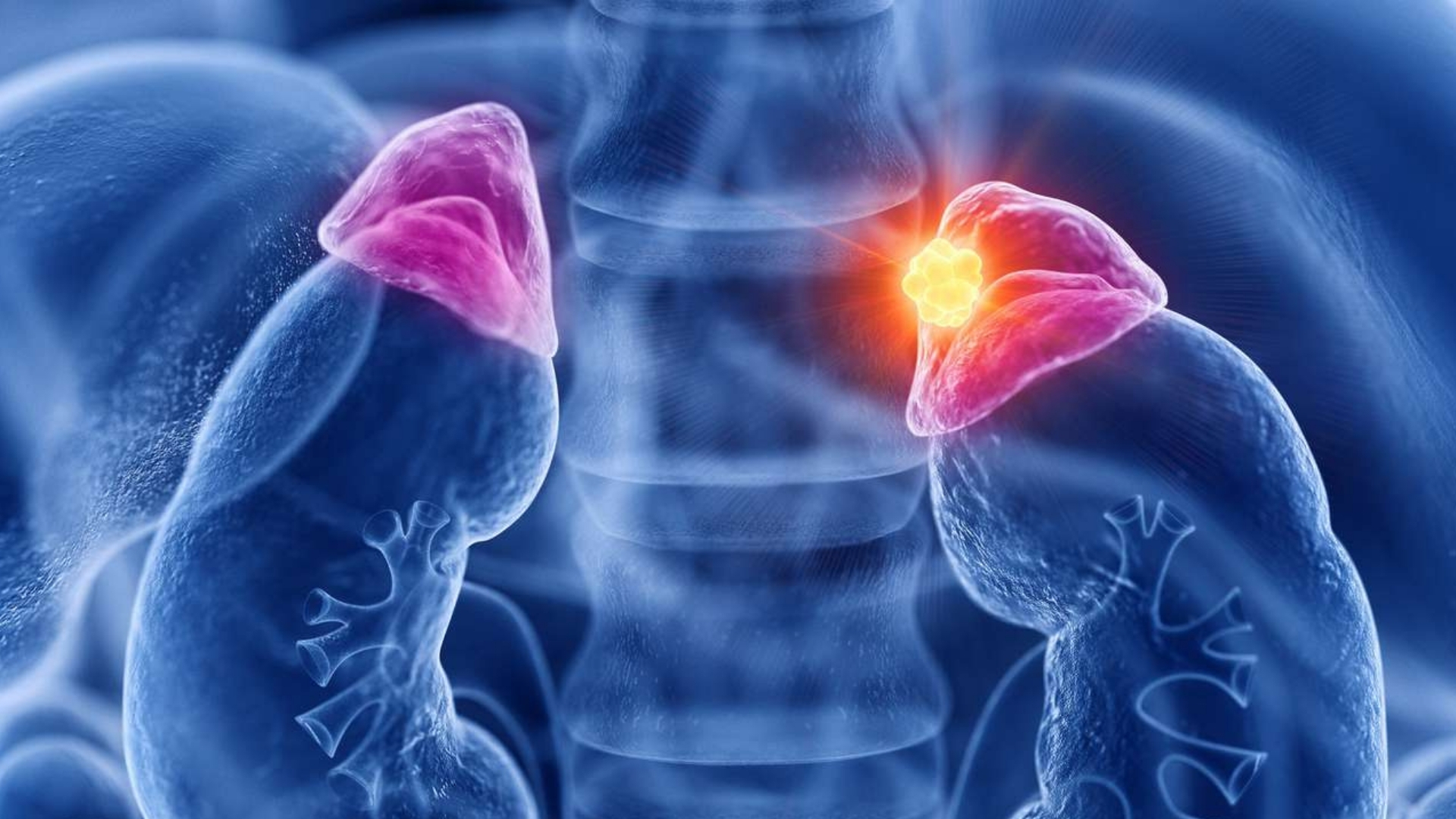
What Is Adrenal Gland Cancer (Adrenocortical Carcinoma)?
Understanding Adrenal Gland Cancer (Adrenocortical Carcinoma) begins with recognizing its rarity and clinical complexity. Adrenocortical carcinoma (ACC) originates from the cortex region of the adrenal glands, which are small organs above each kidney responsible for producing vital hormones like cortisol, aldosterone, and androgens. Although uncommon, accounting for fewer than two cases per million people worldwide annually, ACC significantly impacts health due to aggressive tumor behavior and hormonal imbalances it causes.
Biologically, ACC is characterized by malignant cells that proliferate uncontrollably due to genetic mutations and abnormalities within adrenal cortical cells. Importantly, these cancerous cells exhibit pronounced metabolic changes, prominently the Warburg effect—a heightened reliance on glycolysis for energy production. Typically, such cancer cells consume glucose at rates up to 200 times greater than normal cells. This is pivotal to understanding innovative metabolic targeting therapies.
Globally, according to World Health Organization (WHO) data from 2024, adrenal gland cancers remain relatively rare; however, certain demographic groups, particularly adults between 40 and 60 years, carry elevated risk. Studies reveal slight gender differences, indicating women may have slightly higher susceptibility. Within Asia and Hong Kong specifically, increased access to advanced diagnostic tools like AllCancer’s pioneering metabolic diagnostics contributes to improved reporting accuracy and early detection.
In Hong Kong’s healthcare landscape, ACC presents unique emotional and physical burdens—patients commonly report severe fatigue, weight loss, abdominal pain, hormone-driven mood swings, and psychological distress due to uncertainty and side effects associated with hormonal imbalance. Consequently, compassionate intervention and understanding patient needs are central to treatment approaches established by AllCancer’s Hong Kong metabolic oncology team.
Adrenal Gland Cancer (Adrenocortical Carcinoma): Biological Basis and Metabolic Vulnerability
Recent breakthroughs by metabolic oncology pioneers such as Nobel-laureate Dr. Gregg Semenza and groundbreaking researchers like Dr. Li Guohua suggest metabolic vulnerabilities are key treatment targets. Particularly, ACC’s reliance on glucose metabolism—linked directly to Warburg effect-driven metabolic reprogramming—opens promising avenues for therapeutic intervention. Metabolic therapies targeting glucose pathways reduce tumor growth significantly, evidenced through AllCancer’s innovative 4D Therapy showcased in Nature Medicine.
- Cancer cells in ACC exhibit hyperactive glycolysis (Warburg effect).
- Metabolic reprogramming provides potential targets for innovative treatments.
- Patients benefit substantially from early detection and metabolic targeting therapies.
Discover more about cancer cell metabolic vulnerabilities and therapies at our comprehensive cancer biology page.
Causes and Risk Factors of Adrenal Gland Cancer (Adrenocortical Carcinoma)
Genetic Factors and ACC Susceptibility
Genetic predispositions significantly influence ACC occurrence. Specific hereditary conditions such as Li-Fraumeni syndrome (linked to TP53 gene mutations), Beckwith-Wiedemann syndrome, or MEN1 (multiple endocrine neoplasia type 1) notably raise ACC risk. Research from renowned oncologists like Prof. Liu Guolong emphasizes how genetic screening can proactively identify at-risk individuals.
- TP53 mutations associated with Li-Fraumeni syndrome significantly elevate ACC risks.
- Beckwith-Wiedemann syndrome contributes to pediatric adrenal cancer occurrences.
- Family genetic counseling recommended to mitigate hereditary risk.
Environmental and Lifestyle Factors in Adrenal Gland Cancer Development
Environmental and lifestyle factors, although less directly linked compared to other cancers, still play roles in ACC pathogenesis. Chronic exposure to hormone-disrupting chemicals, radiation therapy for previous cancer conditions near adrenal glands, or chronic stress elevating cortisol levels may contribute. Recent epidemiological studies highlight elevated obesity prevalence in urbanized regions such as Hong Kong, indirectly influencing hormonal cancer risks, including ACC.
- Obesity-induced hormonal imbalances correlate with adrenal gland disturbances.
- Long-term radiation exposure increases ACC susceptibility.
- Reducing environmental and lifestyle risk exposure proactively decreases ACC risk.
Asian-Specific Risks and Prescriptive Recommendations
Notably, although rare, certain occupational exposures observed in industrialized Asian cities contribute subtly to adrenal cancer risks. Yet, contrasting liver cancer rates associated directly with hepatitis B in Asia, ACC remains primarily genetically driven. However, enhanced awareness and routine screening among Hong Kong’s at-risk populations strongly encouraged—in those genetically predisposed or previously exposed to risk factors.
- Routine ACC screening for genetically vulnerable individuals recommended.
- Heightened awareness regarding environment-related cancer risks necessary.
- Early lifestyle modifications advised to minimize potential hormonal disruptions.
To delve deeper into risk mitigation strategies and regional data, visit our dedicated Cancer Diagnostics and Screening resource page.
Symptoms of Adrenal Gland Cancer (Adrenocortical Carcinoma)
Adrenocortical carcinoma, commonly called adrenal gland cancer, presents symptoms that can vary greatly depending on the stage, size, and hormonal secretion profile of the tumor. Recognizing symptoms early can greatly influence outcomes and treatment responsiveness.
Common Symptoms of Adrenal Gland Cancer (Adrenocortical Carcinoma)
- Abdominal or flank pain, often described as dull and persistent.
- An unexplained mass or swelling in the abdomen.
- Persistent fatigue and malaise, associated with metabolic disturbances.
- Sudden and unexplained weight loss or weight gain.
- Loss of appetite or a sense of fullness after a small meal.
Hormone-Related Symptoms
Since adrenocortical carcinomas regularly produce excess hormones, specific endocrine symptoms vary, with about half of ACC cases showing evidence of hormone hypersecretion:
- Cushing’s Syndrome symptoms (due to excess cortisol):
- Round, moon-shaped face
- Excess fat deposition in the trunk and upper body regions
- Thin, fragile skin susceptible to bruising
- Muscle and bone weakness leading to frequent fractures or osteoporosis
- Depression, anxiety, irritability
- Virilization symptoms (due to excess androgens):
- Increased facial and body hair growth, affecting women disproportionately
- Development of acne or oily skin, especially in adults
- Deepening voice, notable particularly among female patients
- Feminization symptoms (due to excess estrogens):
- Breast enlargement in males (gynecomastia)
- Decreased libido, impotence, or infertility in men
- Menstrual irregularities and breast tenderness in female patients
Symptoms Variation by Cancer Stage
Understanding symptom manifestation across the cancer stages enhances early detection:
- Early-stage (Stages I and II): Symptoms may be subtle, solely hormonal, or completely absent. Tumors are typically smaller and located strictly within the adrenal gland.
- Late-stage (Stages III and IV): Symptoms become more pronounced with considerable hormonal disturbances. Physical symptoms include severe persistent pain, unexplained weight loss, fever, and signs of metastasis such as bone pain, liver dysfunction, and respiratory difficulty if lungs are involved.
Early recognition and medical evaluation of these symptoms dramatically improve diagnosis, management, and prognosis. If you experience symptoms suggestive of adrenal gland carcinoma, contact your healthcare provider promptly.
Stages of Adrenal Gland Cancer (Adrenocortical Carcinoma) and Survival Rates
Stage 1 – Early Adrenocortical Carcinoma
In Stage 1, adrenal gland cancer is confined strictly within the adrenal gland itself. Typically, tumors are smaller, measuring 5 centimeters or less.
- Treatment often includes surgical removal (adrenalectomy), potentially curative at this stage.
- Additional treatments might include periodic hormonal and physical evaluations but are less commonly required.
- Five-year survival rate in Hong Kong and Asia: Approximately 70-90%.
Stage 2 – Localized Larger Tumors
Stage 2 adrenal gland cancers remain confined but are noticeably larger than 5 centimeters in diameter and begin to affect gland functioning significantly.
- Definitely entails surgical intervention, preferably minimally invasive or robotic-assisted approaches.
- Possible radiation therapy post-surgery to manage recurrence risks.
- High potential for excellent outcomes, with survival rates of 60-80% for patients within Asia, according to recent surveillance studies.
Stage 3 – Regional Spread
Stage 3 adrenal gland cancer expands beyond the adrenal gland, typically confining itself regionally. This includes an invasion into nearby lymph nodes or adjacent organs such as the kidneys, liver, or pancreas.
- Multimodal therapy including extensive surgery followed by systemic chemotherapy forms the backbone of treatment at this stage.
- Advanced radiation therapies may also provide supportive care and symptom relief.
- Survival rates are approximately 40-60% across Asian medical centers equipped with advanced oncology infrastructure.
Stage 4 – Advanced Metastatic Disease
Stage 4 cancer has disseminated distantly to other organs such as the lungs, bones, or distant lymph nodes. Patients now experience severe symptoms and increasing metabolic disturbances.
- Treatment involves systemic chemotherapy, immunotherapy, and advanced metabolic treatments (including glucose metabolism-targeted therapies based on cancer cell vulnerabilities such as the Warburg effect).
- The latest innovations, such as the Nobel-backed metabolic oncology strategies for adrenal cancers, offer hope, making the disease potentially chronic rather than acute.
- Five-year survival remains lower, typically at around 10-20%, but breakthrough therapies aim toward chronic management, significantly improving patient quality of life.
Encouragingly, ongoing research and clinical innovations in Hong Kong and in esteemed institutions such as MD Anderson, with strategic collaborations like Shenzhen Qianhai Taikang, continually elevate the survival rates and quality of life for patients across all stages.
Limitations of Traditional Therapies for Adrenal Gland Cancer (Adrenocortical Carcinoma)
Challenges Associated with Chemotherapy
Chemotherapy remains one of the conventional treatment modalities for Adrenal Gland Cancer (Adrenocortical Carcinoma). Typically, a combination of drugs such as mitotane, doxorubicin, etoposide, and cisplatin are utilized to combat the cancerous cells. However, these regimens often come with severe side effects that significantly impact patients’ quality of life and overall health.
- Bone marrow suppression occurs in approximately 78% of patients, increasing susceptibility to infections and bleeding complications.
- Cardiotoxicity is recorded in about 23% of cases, causing arrhythmias, heart failure, and sudden cardiac incidents, negatively influencing patient prognosis.
- Other common toxicities include gastrointestinal disturbances like severe nausea, vomiting, chronic fatigue, and alopecia, contributing to significant emotional distress and reduced daily functioning.
Radiation Therapy Limitations
Radiation therapy utilizes high-energy rays aimed at shrinking and destroying malignant tumor cells. While radiation is crucial in palliative scenarios, particularly metastatic lesions, it holds severe limitations for patients suffering from localized as well as advanced Adrenal Gland Cancer (Adrenocortical Carcinoma).
- Radiation-induced tissue damage often results, characterized by fibrosis and scarring. This significantly impacts nearby healthy organs, interfering with their normal functions.
- Skin irritation, burns, and gastrointestinal side effects (such as severe diarrhea and abdominal cramps) significantly decrease patient comfort and adherence.
- Radiation exposure also raises risks of secondary malignancies, boosting cancer occurrence within treated regions by approximately 300%, according to data published by JAMA Oncology in 2023.
Risks Associated with Surgery
Surgery, frequently considered the first line of therapeutic intervention for localized Adrenal Gland Cancer, nonetheless carries potential complications and inherent risks, especially when tumors have invaded adjacent structures.
- Surgical interventions carry risks of severe infections, affecting nearly 10-15% of patients post-operatively in major treatment centers within Hong Kong and Asia.
- Invasive surgeries collectively contribute to higher morbidity rates, prolonged hospital stay, and higher overall healthcare expenses compared to less invasive treatment protocols.
- Residual tumor cells following incomplete resection pose a significant concern, heightening recurrence likelihood and reducing necessary therapeutic effectiveness.
Low Efficacy of Conventional Therapies in Late-stage Cases
One of the fundamental drawbacks linked to traditional treatments lies in their limited success in managing advanced stages of Adrenocortical Carcinoma. Metastatic disease carries a particularly poor prognosis due to limited therapeutic responsiveness.
- Recent comprehensive studies revealed that chemotherapy exhibited an objective response rate (ORR) of less than 21% in advanced metastatic cases, clearly underscoring unmet medical needs.
- Radiation therapy frequently shows inadequate penetration and thus fails to fully eradicate malignant cells, especially within deeply seated metastases.
- Similarly, surgery often remains ineffective due to widespread disease involvement and substantial metastases in critical structures and organs.
Metabolic Resistance Mechanisms
Mounting research data indicates that traditional approaches may offer diminishing returns not only due to generalized toxicity but also because of significant metabolic resistance effects formed by advanced cancer cells. This phenomenon is particularly relevant in metabolic oncology research led by renowned scientists like Nobel laureate Dr. Gregg Semenza and pioneering metabolic oncology expert Dr. Li Guohua.
- Advanced adrenocortical carcinoma cells demonstrate metabolic plasticity, notably relying on anabolic metabolism to gain substantial survival advantages against traditional drugs.
- Remarkably, cancer cells exhibit up to a 400% increase in DNA repair enzyme activities, protecting themselves against chemotherapy-induced DNA damage and subsequently fostering treatment resistance.
- Cancer stem cell populations also exploit enhanced glycolysis (Warburg effect), consuming glucose at rates approximately 200 times greater than ordinary cells, rendering them resistant to conventional metabolic inhibitory agents available in clinical practice.
Regional Healthcare System Limitations—Focus on Hong Kong and Asia
Healthcare systems across Hong Kong and the broader Asian region present unique complexities and limitations related to managing Adrenal Gland Cancer (Adrenocortical Carcinoma). Insightful data reveals healthcare infrastructure struggles and evolving research gaps contributing to treatment challenges:
- In Asia, limited availability and accessibility of specialized cancer treatment centers constrain optimal patient management and care.
- Lack of advanced diagnostic and genomic profiling techniques within certain regional hospitals hampers precise characterization of disease stage and inhibits personalized therapies implementation.
- Significant delays in diagnosis and treatment initiation due to cultural hesitancy, limited healthcare coverage by insurers, logistical issues, or geographic barriers limit treatment effectiveness, frequently resulting in poor clinical outcomes.
Emotional, Psychological, and Quality-of-Life Impacts
Beyond clinical outcomes, conventional therapies place enormous psychological and emotional burdens on patients and caregivers alike. Prolonged exposures to chemotherapy and radiation treatments can exacerbate anxiety, depression, chronic fatigue, insomnia, and significantly reduce everyday quality of life.
- Severe fatigue linked to conventional treatments markedly limits patients’ social interactions, occupational capacities, and routine activities of daily living.
- Chronic pain symptoms correlate significantly to radio-chemotherapeutic treatments, contributing to persistent psychological and emotional burdens.
- Patient feedback across major oncology centers highlights experiences marked by isolation, emotional distress, and deteriorating family relationships, requiring enhanced support mechanisms and integrative care solutions.
Conclusion: The Urgent Need for Innovative Therapies
Evaluating these significant limitations clearly indicates an urgent need for innovative, patient-centric, and effective therapeutic approaches. As we strive to achieve AllCancer’s ambitious 2025 goal—to transform deadly cancers into manageable chronic diseases—we must continue to develop targeted, tolerable, and metabolic-based therapies designed to overcome resistance mechanisms, reduce adverse effects, and meaningfully improve patient outcomes in Adrenocortical Carcinoma.