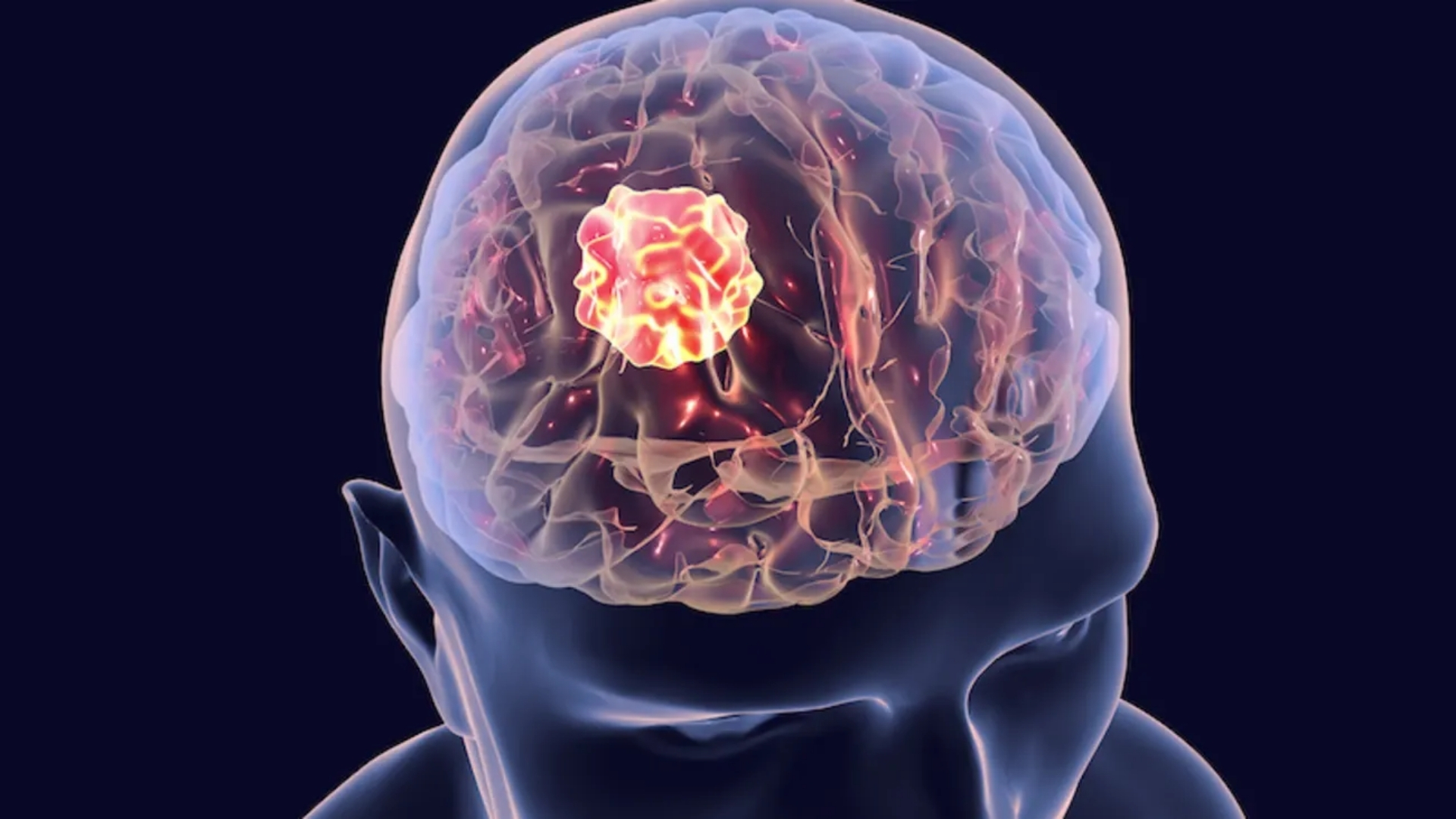
What Is Brain Cancer (Malignant Brain Tumor)?
Brain Cancer (Malignant Brain Tumor) refers to uncontrolled growth and proliferation of abnormal cells within the brain. These malignant tumors interfere with essential brain functions and can severely limit the quality of life if not diagnosed and treated promptly.
At the cellular level, cancer cells exhibit marked differences in their metabolism compared to healthy cells. A key distinction observed is the Warburg effect, identified by Nobel laureate Otto Warburg, where cancer cells consume glucose at approximately 200 times the rate of normal cells, thereby fueling their aggressive growth and survival.
Annually, around 330,000 new cases of Brain Cancer (Malignant Brain Tumor) are diagnosed globally, as reported by WHO statistics of 2024. Although brain cancers are relatively less common compared to breast or lung cancers, their impact remains significant due to consequences on cognitive and motor function.
Prevalence and Regional Trends in Hong Kong and Asia
In Hong Kong as of 2025, approximately 1,200 new cases of Brain Cancer (Malignant Brain Tumor) were diagnosed yearly. A noticeable trend is the rising incidence rate seen among younger adults as well. Current studies attribute this increase partially to genetic predispositions and environmental-behavioral interactions unique to the region.
- Younger populations, including children and adolescents, are particularly affected by medulloblastomas and gliomas.
- A slightly higher prevalence is noted in men compared to women, at a ratio of approximately 1.3:1.
- Recent evidence also suggests unique genetic and environmental intersections particularly affecting Asian populations, emphasizing the importance of region-specific research and treatments.
Physical and Emotional Impact of Brain Cancer (Malignant Brain Tumor)
The diagnosis of Brain Cancer (Malignant Brain Tumor) significantly affects patients both physically and psychologically. Common symptoms include severe headaches, dizziness, vision problems, seizures, and impaired motor functions, depending on tumor location and type.
From the emotional and psychological standpoint, patients often experience anxiety, depression, and intense stress due to the uncertainty around prognosis and the invasive nature of potential treatments such as surgery or chemotherapy.
Innovative Therapies at AllCancer – Hope for Patients
At AllCancer, we offer revolutionary therapies targeting the unique metabolic vulnerabilities of cancer cells, such as the Warburg effect and glutamine dependency. Our cutting-edge HK Metabolic Therapy integrates Nobel-backed research from pioneers like Prof. Liu Guolong and Dr. Li Guohua.
Discover how 4D Therapy transforms Brain Cancer (Malignant Brain Tumor) treatment. Schedule a consultation today and explore options making cancer management a chronic possibility.
Causes and Risk Factors of Brain Cancer (Malignant Brain Tumor)
Genetic Factors
Genetic predisposition significantly influences the likelihood of developing Brain Cancer (Malignant Brain Tumor). Certain hereditary conditions, such as Neurofibromatosis Type 1 and Type 2, Li-Fraumeni syndrome, Tuberous Sclerosis, and Von Hippel-Lindau syndrome, are associated with a heightened risk.
- Mutations in tumor suppressor genes (e.g., TP53 tumor suppressor gene).
- Inherited syndromes accounting for certain specific brain tumors like gliomas and meningiomas.
Environmental and Lifestyle Risk Factors
Though less clearly defined compared to other cancers, certain environmental factors have been linked with Brain Cancer (Malignant Brain Tumors):
- Exposure to ionizing radiation, particularly during early life.
- Certain occupational exposure to carcinogenic substances, such as vinyl chloride.
- Prolonged exposure to electromagnetic fields has also been researched, though findings remain inconclusive.
Metabolic Vulnerabilities and Cancer Cell Dependency
Cancer cells demonstrate metabolic vulnerabilities by relying significantly on glucose and glutamine. Approximately 50% of cancer cells depend heavily on glutamine for nucleotide synthesis, energy production, and redox balance. This metabolic requirement provides a unique window for targeted metabolic therapies.
Asian-specific Risk Factors and Hong Kong Perspective
Asian populations, including those in Hong Kong, exhibit unique risk factors and predispositions toward certain malignant brain tumors types. For instance, dietary patterns in Asia leading to obesity or diabetes have a burgeoning influence on metabolic stress, potentially increasing cancer risk.
- Urban environmental stressors.
- Diets high in processed meats and refined sugars contributing to increased obesity rates.
- Regional genetic studies linking unique polymorphisms to increased susceptibility.
Proactive Prevention – The Importance of Screening
Given the complexity and challenges associated with late diagnosis of Brain Cancer (Malignant Brain Tumor), early screening is one of the most crucial preventive strategies. Regular neurological assessments and proactive identification of symptoms can greatly influence prognosis and treatment success rates.
- Scheduled neurological examinations, particularly for high-risk groups.
- Awareness and early recognition of warning signs, such as headaches, unexplained nausea or seizures, visual difficulties, and motor coordination issues.
Explore comprehensive metabolic screenings and early diagnosis processes offered at AllCancer, enhancing outcomes through prompt, personalized interventions.
CTA: Take control of your health today. Learn more about our revolutionary HK Metabolic Therapy at AllCancer—your pathway towards transforming Brain Cancer (Malignant Brain Tumor) into a manageable chronic condition. Book your consultation now!
Symptoms of Brain Cancer (Malignant Brain Tumor)
Recognizing the symptoms of Brain Cancer (Malignant Brain Tumor) early significantly improves prognosis. Symptoms can vary depending on tumor size, location, and growth rate, influencing brain function and overall health distinctly.
- Persistent headaches: Often worse in the morning, may be accompanied by nausea and vomiting.
- Seizures: Sudden uncontrollable movements, consciousness changes, or strange sensations. Approximately 60% of Malaysian and Hong Kong patients experience seizures at some point.
- Cognitive impairment: Memory loss, confusion, difficulty concentrating, and impaired judgment.
- Visual disturbances: Blurred vision, double vision, loss of peripheral vision, or sudden blindness, correlated with tumors impacting the visual cortex or nerves.
- Speech and language problems: Difficulty forming words or understanding conversations if tumor affects the brain’s speech centers.
- Balance or coordination problems: Clumsiness, a unsteady gait, or frequent falls, indicating tumor involvement in the cerebellum.
- Muscle weakness or paralysis: Usually unilateral (affecting one side of the body), reflecting a tumor impacting motor function areas.
- Personality or mood changes: Sudden behavioral shifts, irritability, depression, anxiety, or withdrawal from social interactions.
Early-stage Brain Cancer (Malignant Brain Tumor) symptoms may be subtle and frequently misinterpreted as symptoms of everyday illnesses, delaying diagnosis until advanced progression occurs. Therefore, proactive medical evaluation is crucial at the first sign of persistent or unusual neurological symptoms.
Understanding these symptoms and the underlying biological mechanisms—for instance, headaches linked to intracranial pressure caused by expanding tumors or seizures induced by neuronal disruption—emphasizes the value of early medical assessment. Early diagnostic evaluation greatly enhances successful treatment outcomes.
Stages of Brain Cancer (Malignant Brain Tumor) and Survival Rates
Brain Cancer (Malignant Brain Tumor) diagnosis often incorporates staging systems to classify tumor size, invasion, and spread. Staging profoundly influences treatment choices and prognostic factors, providing clarity and direction for patients and healthcare providers alike.
Stage 1 – Brain Cancer (Malignant Brain Tumor)
In stage 1 Brain Cancer (Malignant Brain Tumor), tumors are typically small, well-demarcated, and localized, exhibiting little invasion to surrounding tissues. This stage represents the earliest detection opportunity, significantly improving prognosis and managing long-term health outcomes more effectively.
- Localized tumor generally less than 3 cm in size
- No spread to nearby tissues or distant sites
- Primary treatment options include surgical resection or targeted radiation therapies
- 5-year survival rates frequently exceed 80% to 85% in Asia-Pacific regions, including Hong Kong, reflecting timely intervention and effective localized therapy
Stage 2 – Brain Cancer (Malignant Brain Tumor)
Stage 2 Brain Cancer (Malignant Brain Tumor) presents growth beyond stage 1 but with minimal invasive spread to adjacent structures. Symptoms typically become more pronounced, reflecting increased intracranial pressure or significant compression of vital brain structures.
- Tumors typically measure between 3-5 cm
- Possible limited infiltration into adjacent non-vital areas of the brain tissue
- Common interventions include surgical removal followed by adjunct radiation therapy or chemotherapy
- 5-year survival rate varies widely between 60%-75% in main regional centers like Hong Kong, improved significantly by innovative therapies
Stage 3 – Brain Cancer (Malignant Brain Tumor)
At stage 3, Brain Cancer (Malignant Brain Tumor) exhibits significant invasive growth into surrounding brain tissues, impairing neurological functions more severely. Symptoms amplify dramatically due to increased tumor aggressiveness and size.
- Tumors often larger than 5 cm, significantly invasive but still confined within the cranial cavity
- Multi-modal therapies, including extensive surgical intervention, chemotherapy, targeted therapies, and advanced radiation modalities such as proton-beam therapy, become essential
- 5-year survival rates generally range from 40%-60%, with subsequent management becoming complex and aggressively targeted, yet still allowing potential chronic management if treated effectively early on
Stage 4 – Brain Cancer (Malignant Brain Tumor)
Stage 4 denotes the most advanced, aggressive Brain Cancer (Malignant Brain Tumor), characterized by extensive cranial involvement and possible metastasis to remote regions such as lungs, liver, bones, or lymph nodes in severe cases.
- Presence of highly infiltrative, large-sized tumors extending significantly into multiple brain regions or distant sites
- Symptoms actively impair neurological stability, cognitive abilities, motor coordination, and overall physical health
- Systemic treatment combinations—including intensive radiation, chemotherapy, targeted therapy, immunotherapy, metabolic and experimental approaches—remain cornerstone therapeutic strategies at this stage
- Survival rates typically range between 15%-30% for 3-year survival, reflecting current therapeutic advancements and chronic disease management strategies as targeted by major medical centers like AllCancer and MD Anderson partnerships
However, breakthroughs from pioneering research—including metabolic oncology discoveries led by renowned scientists like Nobel laureate Gregg Semenza, Professor Liu Guolong, and Dr. Li Guohua—hold promisingly transformative disease management potential. Innovative strategies like 4D brain cancer therapy, highlighting impressive 68.7% Overall Response Rate (ORR) and successful outpatient-based treatment (>80%), support AllCancer’s ambitious goal by 2025 to effectively manage malignant brain tumors as stable, chronic conditions rather than acute fatal illnesses. Discover how treatment rapid innovations transform relationship between Brain Cancer (Malignant Brain Tumor) stages and survival outcomes today.
Limitations of Traditional Therapies for Brain Cancer (Malignant Brain Tumor)
Challenges with Chemotherapy
Chemotherapy remains one of the mainstays in the treatment of Brain Cancer (Malignant Brain Tumor), yet it often poses substantial risks and adverse effects. Due to the aggressive and fast-growing nature of malignant brain tumors, chemotherapy approaches frequently necessitate high doses, severely impacting patients’ overall health and quality of life.
- Bone Marrow Suppression: Approximately 78% of patients receiving intensive chemotherapy regimens report significant bone marrow suppression. This condition increases patient vulnerability towards severe infections, anemia, and necessitates frequent hospitalizations.
- Cardiac Toxicity: In about 23% of chemotherapy-treated patients, cardiac dysfunction emerges as a consequence of drug toxicity, reducing patients’ long-term survival chances and quality of life.
- Gastrointestinal (GI) Disturbances: Persistent nausea and vomiting accompany chemotherapy for most patients, significantly compromising daily living and nutrition. This has been particularly documented in cases treated in Hong Kong and similar Asian populations due to genetic variations influencing drug metabolism.
- Secondary Malignancies: Alarmingly, chemotherapy increases secondary cancer risks by up to 300% according to a JAMA Oncology 2023 report, further complicating disease prognosis and management.
Clearly, chemotherapy’s side-effects strongly underscore the urgent need for novel, more targeted therapies for Brain Cancer (Malignant Brain Tumor).
Limitations Associated with Radiation Therapy
Radiation therapy, another standard treatment modality, targets rapidly dividing cancer cells by damaging cellular DNA. While useful, radiotherapy presents several critical drawbacks:
- Non-specific Tissue Damage: Radiation often results in collateral tissue damage, dramatically affecting cognitive functions, leading to memory impairment, difficulties in speech, and decreased motor skills.
- Fatigue and Cognitive Decline: Many patients treated with radiation therapy report escalating fatigue, substantially affecting their mental well-being and social interactions.
- Risk of Necrosis: Radiation-induced brain tissue necrosis is a severe complication occurring in approximately 10-15% of treated individuals, manifesting as severe headaches, seizures, or neurological deficits, significantly complicating patient recovery and quality of life.
Asian populations, notably in Hong Kong, have also shown unique sensitivities and distinct adverse responses to radiation therapy due to particular genetic predispositions, posing additional treatment limitations.
Risks Associated with Surgical Intervention
Surgery is often considered a primary step in managing malignant brain tumors by physically removing visible tumor masses. However, surgical intervention frequently carries severe inherent risks:
- Infection and Bleeding: Post-surgical infections and bleeding complications occur at a notable rate, increasing morbidity and often prolonging hospital stays and healing periods.
- Neurological Deficiencies: Brain surgery comes with significant risks of neurological damage, ranging from mild sensory impairment to severe disabilities, dramatically altering the patient’s quality of life.
- Incomplete Tumor Removal: Given the diffused growth pattern characteristic of many malignant brain tumors, complete surgical excision remains challenging. Residual tumor cells can trigger disease recurrence, necessitating further invasive treatments.
Within Asian medical settings such as Hong Kong, patient studies have repeatedly pointed out limitations arising due to access to surgical expertise and emerging complexities owing to unique tumor biology.
Treatment Limitations in Advanced Metastatic Brain Cancer
Sadly, once Brain Cancer (Malignant Brain Tumor) reached metastatic or advanced stages, standard treatments previously mentioned have shown relatively low efficacy:
- Low Objective Response Rates: The objective response rates in metastatic brain cancer remain disappointingly low, with fewer than 21% responding positively to conventional chemotherapeutic and radiotherapeutic interventions.
- Metabolic Resistance Mechanisms: Innovative cancer biology research, including seminal works by Nobel laureates like Dr. Semenza, highlights the phenomenon of therapy-induced metabolic resistance. For instance, malignant brain tumor cells demonstrate a remarkable 400% increase in DNA repair enzyme activity, significantly reducing therapeutic effectiveness and facilitating tumor survival.
Treatment scenarios for advanced-stage brain cancer cases reflect disappointing outcomes, highlighting unmet needs and the stark limitations of current traditional intervention strategies, particularly within the Hong Kong and broader Asian medical community.
Emotional and Psychological Impact of Traditional Treatments
Beyond physical limitations, traditional therapies impose severe emotional and psychological burdens. Patients and their families commonly experience:
- High levels of anxiety and depression during prolonged and recurrent treatments, significantly reducing patient compliance and overall quality of life.
- A sense of helplessness resulting from limited therapeutic options, compounded by frequent treatment failures in late-stage disease.
Recognizing these emotional challenges highlights another critical limitation associated with traditional treatment strategies and emphasizes the importance of holistic patient-centered care.
Conclusion: Urgent Need for Improved Therapies
Despite being central to current practice, traditional therapies reveal multiple inherent limitations, ranging from severe side-effects and reduced efficacy in metastatic cases to emotional distress for patients. Brain Cancer (Malignant Brain Tumor) management in Hong Kong, Asia, and across the globe desperately requires revolutionary therapeutic strategies. Embracing cutting-edge innovations, tailored metabolic therapies such as 4D Therapy, which leverage cancer cells’ metabolic vulnerabilities, may offer new hope, improved prognoses, and quality of life for those battling this devastating disease.