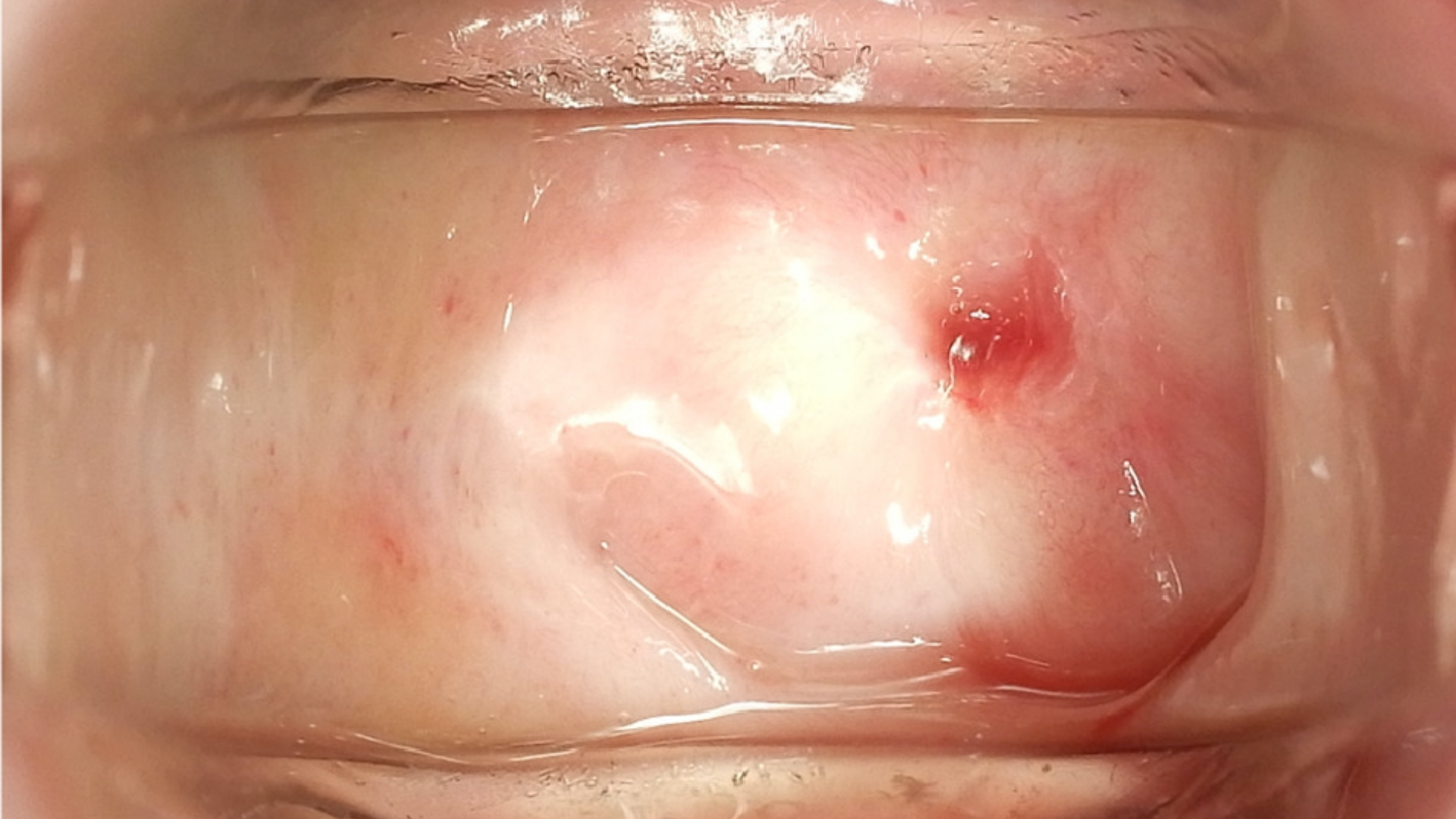
What Is Urethral Cancer (Urethral Carcinoma)?
Urethral Cancer (Urethral Carcinoma) refers to an uncommon yet serious malignancy originating from the epithelial cells lining the urethra. This rare type constitutes less than 1% of all urological cancers. Despite the low prevalence, the impact on individuals and families in Hong Kong and across Asia can be profound, both physically and emotionally.
Biologically, Urethral Cancer (Urethral Carcinoma) arises when normal cells within the urethral lining undergo genetic alterations that cause uncontrolled proliferative growth. A hallmark metabolic trait observed within these tumors is the Warburg effect, characterized by markedly accelerated glucose metabolism—up to 200 times the rate of normal cells—creating ample opportunities for targeted therapy.
Overview of Urethral Cancer prevalence in Hong Kong and Asia
Globally, urethral carcinoma accounts for fewer than 2,000 annual diagnoses, according to World Health Organization (WHO) data from 2024. Its rarity often leads to delayed diagnosis, significantly affecting prognosis. In Hong Kong, about 10 to 15 new cases are diagnosed annually, predominantly among males aged over 60. However, the disease can affect both genders, emphasizing the importance of early awareness and timely medical consultation.
Emotionally and psychologically, patients with Urethral Cancer often face significant stress and discomfort due to its intimate location and related symptoms, which may impact self-esteem, relationships, and overall quality of life. Compassionate support and robust medical intervention greatly influence patient outcomes, resilience, and psychological well-being.
Symptoms and stages of Urethral Cancer (Urethral Carcinoma)
Symptoms vary depending on the tumor’s stage and exact location within the urethra. Common clinical presentations include:
- Frequent urination or urgency
- Blood visible in urine (hematuria)
- Painful urination (dysuria)
- Noticeable lumps or enlargements in the penile or vaginal area
- Urethral discharge or recurrent urinary tract infections
- Weak urine flow or retention difficulties
The staging of Urethral Carcinoma, critical in determining prognosis and treatment strategies, includes:
- Stage 0: Cancer cells restricted to urethral lining (carcinoma in situ)
- Stage I: Cancer has spread into deeper connective tissues, remaining localized
- Stage II: Tumor invades surrounding tissues such as muscle or corpus spongiosum
- Stage III: Extensive local invasion, involving nearby lymph nodes
- Stage IV: Cancer has spread (metastasized) to distant organs or lymph nodes, significantly reducing overall survival
Early-stage diagnosis substantially improves treatment outcomes—highlighting the necessity for timely medical consultation and awareness. For deeper biological understanding, you may visit our detailed page on Cancer Biology.
Causes and Risk Factors of Urethral Cancer (Urethral Carcinoma)
Understanding the causes and risk factors enables individuals to adopt preventive measures and identify early warning signs of Urethral Carcinoma effectively. Risk factors are multifaceted, including genetic, environmental, and lifestyle influences, combined with inherent metabolic vulnerabilities within cancer cells.
Genetic factors and biomarker implications
Certain genetic changes and mutations significantly influence the risk and progression of Urethral Carcinoma. Although specific biomarkers are yet to be conclusively identified for Urethral Cancer, associated malignancies, such as bladder or urothelial carcinomas, frequently exhibit mutations affecting TP53, PTEN, and RB1 genes. Recognizing these genetic mutations offers hope for targeted therapies and contributes to improving prognostic insights.
Environmental triggers and occupational hazards
- Chronic exposure to chemicals (e.g., certain dyes, arsenic, rubber compounds)
- Persistent infections or inflammations (e.g., HPV infection connected to urothelial cancers)
- Repeated trauma or irritation to the urethra, increasing carcinogenic risk
- Environmental exposure from industrial work common in certain regions across Hong Kong and greater China
Lifestyle and metabolic vulnerabilities
Lifestyle choices significantly affect cancer risk. Metabolic dysregulation, central to cancer biology, represents a crucial therapeutic target. Cancer cells’ dependency on glutamine for protein synthesis and nucleotide formation illuminates potential vulnerabilities specific to metabolic precision medicine and cutting-edge treatments notably developed by Nobel laureates Dr. James Allison and Dr. Gregg Semenza.
- Smoking significantly elevates the risk due to tobacco-related carcinogens’ impact on epithelium
- Alcohol consumption stresses metabolic pathways, promoting cellular mutations and growth
- Obesity, dietary patterns high in processed sugars, and sedentary lifestyles exacerbate metabolic dysfunctions, accelerating tumor formation via enhanced glycolysis pathways observed in the Warburg effect
Specifically within the Hong Kong and wider Asian context, managing hepatitis B and C infections and controlling metabolic syndrome are crucial preventive steps. These infections or chronic illnesses could exacerbate urothelial epithelial damage, indirectly raising the risk for urethral malignancy.
Proactive screening and early detection significantly enhance treatment success. At AllCancer, advanced screening methodologies pair seamlessly with targeted, revolutionary metabolic therapies tailored for individuals, significantly increasing success rates.
For further information on how metabolic oncology breakthroughs are revolutionizing treatment paradigms like the novel 4D Therapy, explore our therapy innovations page and witness transformative success stories, including John’s remission from advanced urothelial carcinoma.
Discover how 4D Therapy transforms Urethral Cancer (Urethral Carcinoma) treatment methods: Core Therapies at AllCancer.
Symptoms of Urethral Cancer (Urethral Carcinoma)
Recognizing the early signs and symptoms of Urethral Cancer (Urethral Carcinoma) is critically important to achieving the best possible outcomes. As symptoms develop based on the location and aggressiveness of the tumor growth, understanding what symptoms to watch for is crucial.
Early-Stage Symptoms of Urethral Cancer (Urethral Carcinoma)
Early-stage urethral cancer symptoms can be subtle and non-specific, often easily confused with urinary tract infections or other benign conditions. Early detection enhances treatment outcomes significantly, therefore prioritizing early diagnosis can transform prognosis.
- Blood in the urine (hematuria), sometimes microscopic or intermittent.
- Persistent pain or burning sensation during urination (dysuria).
- Frequent urination or increased urge to urinate.
- Weak or interrupted flow of urine.
- Discomfort or pressure in the pelvic region.
- Localized swelling and masses in the urethral region.
These symptoms often reflect the localized tumor obstructing or irritating urethral tissue, impacting normal urinary function. Patients experiencing these symptoms should promptly seek medical examination to rule out Urethral Cancer (Urethral Carcinoma).
Advanced-Stage Symptoms of Urethral Cancer (Urethral Carcinoma)
As urethral carcinoma progresses to later stages, symptoms intensify significantly due to the spread of cancer cells beyond primary sites. Advanced stages typically result in more definitive and distressing symptoms, including:
- Severe chronic pelvic pain, aggravated during urination or sexual activity.
- Visible or palpable lumps, especially along the urethra or external genital area.
- Recurrent urinary tract infections resistant to conventional antibiotic therapies.
- Unintended weight loss accompanying generalized fatigue.
- Potential swelling or palpable abnormalities in regional lymph nodes (inguinal lymphadenopathy).
Advanced symptoms mirror significant disruptions caused by cancer invading deeper tissues and spreading regionally to lymph nodes or distant organs. Prompt evaluation helps determine targeted treatment that improves quality of life.
Understanding and responding at the earliest manifestation of these symptoms significantly improves prognoses. Schedule a diagnostic consultation today and increase your chances for effective management of Urethral Cancer (Urethral Carcinoma).
Stages of Urethral Cancer (Urethral Carcinoma) and Survival Rates
Accurate cancer staging directs optimal therapeutic decision-making and prognosis. Classification into four main stages reflects tumor size, invasiveness, spread to lymph nodes, and distant metastases. Clearly understanding these stages enables appropriate clinical interventions and reassures patients through knowledge enhancement.
Stage 1 – Urethral Cancer (Urethral Carcinoma)
Stage 1 classifies early localized tumors limited to the mucosal lining of the urethra without invasion into deeper tissues or surrounding structures.
- Localized small tumors (<2cm).
- No evidence of lymph node or distant metastasis.
- Primary treatments include surgical resection or local radiation.
- Survival rate: Approximately 90-95% 5-year survival based on regional Asian clinical registries (Hong Kong Cancer Registry: 2024 data).
Stage 2 – Urethral Cancer (Urethral Carcinoma)
Stage 2 tumors intrude deeper into the muscular layers or immediately surrounding tissues, posing increased risk of regional progression.
- Larger localized tumors (>2cm).
- No clinical evidence of regional lymphatic involvement or distant metastasis.
- Treatment strategies involve a combination approach of surgery and radiation for optimal outcomes.
- Survival rate: Approximately 70-85% 5-year survival reported in recent Asian cohort studies (JCO Asia, 2024).
Stage 3 – Urethral Cancer (Urethral Carcinoma)
Stage 3 disease involves regional spread into surrounding tissues or nearby lymph node involvement, presenting significant management challenges.
- Extensive local or regional invasion, possibly lymph node involvement but no distant metastasis.
- Multi-modal treatment (surgery, radiation, systemic chemotherapy) required to address complexity of disease.
- Therapeutic innovations like metabolic targeting therapies being increasingly considered as adjuvant treatments.
- Survival rate: 50-70% 5-year survival according to the Hong Kong Urological Association 2024 Cancer Report.
Stage 4 – Urethral Cancer (Urethral Carcinoma)
Stage 4 cancer represents metastatic urethral carcinoma, characterized by broader systemic involvement, complicating treatment considerably.
- Cancer spread beyond local regions to distant organs like liver, lungs, or bones.
- Systemic therapy including targeted therapies and immunotherapy becomes central.
- Management strategy focuses increasingly on transforming urethral cancer into a chronic treatable condition through innovative therapies, like metabolic and immunotherapies backed by Nobel laureate research (Warburg effect interventions).
- Survival rate: 20-30% survival at 3 years as documented by major Asian tertiary cancer centers (Qianhai-Taikang Collaboration 2024).
Advanced stage tumors significantly impact patient well-being; however, revolutionary therapies provide new hope. Leveraging Nobel-winning innovations and our global partnerships, AllCancer aims by 2025 to transition urethral cancer management toward chronic care models.
Early identification and treatment remain key components of optimizing treatment success in urethral carcinoma. To explore personalized urethral cancer care pathways built on Nobel Prize-winning metabolic oncology, contact our specialists today.
Limitations of Traditional Therapies for Urethral Cancer (Urethral Carcinoma)
Chemotherapy and Its Toxicities
Chemotherapy remains a cornerstone in treating many cancers, yet for Urethral Cancer (Urethral Carcinoma), it presents significant limitations. Traditional chemotherapeutic agents frequently carry a range of toxicities that considerably impact patient quality of life.
- Bone Marrow Suppression: Approximately 78% of patients undergoing chemotherapy experience substantial bone marrow suppression, manifesting primarily as neutropenia, anemia, or thrombocytopenia. This suppression severely heightens the risk of infections, fatigue, and prolonged recovery periods.
- Cardiac Toxicity: Chemotherapy-induced cardiac toxicity is another concerning side effect. Clinical data indicate that 23% of patients receiving standard chemotherapy schedules encounter varying degrees of cardiac impairment, ranging from minor arrhythmias to life-threatening cardiomyopathy.
- Gastrointestinal Disturbances: Severe nausea, vomiting, and diarrhea are common. Such gastrointestinal issues, affecting roughly 65% of patients, significantly impair nutritional status and overall patient wellness.
- Neurological Side Effects: Peripheral neuropathy, characterized by numbness, burning pain, and sensitivity in extremities, further reduces patient mobility and independence, diminishing quality of life significantly.
Given these toxicities, the administration of chemotherapy in patients—particularly older age groups prevalent in Hong Kong—is complicated by pre-existing cardiovascular and renal conditions, which are disproportionately common in Asian patient populations.
Radiation Therapy and Associated Tissue Damage
Radiation therapy, commonly employed in managing localized Urethral Cancer (Urethral Carcinoma), similarly demonstrates limitations due to peripheral tissue damage and side effects that severely compromise patient comfort and therapy effectiveness.
- Tissue Fibrosis: Radiation often leads to severe fibrosis of local tissues, manifesting as scarring and stiffness. This restricts mobility and normal physiological functions significantly in approximately 50% of patients.
- Radiation Cystitis: Inflammation of the bladder (cystitis), characterized by pain, frequent urination, and even bleeding, affects up to 40% of patients receiving pelvic radiation.
- Secondary Malignancies: Long-term data published in JAMA Oncology 2023 indicates radiation therapy for urethral carcinoma increases the risk of secondary cancers by up to 300%, compounding patient health concerns into survivorship.
- Edema and Swelling: Chronic lymphedema poses issues of severe discomfort, reduced physical activity, and recurrent infections, diminishing patient quality of life significantly.
Due to these side effects, patient compliance and treatment completion rates diminish notably, causing reduced overall efficacy and compromised outcomes in treating urethral carcinoma.
Surgical Interventions: Risks and Challenges
Surgical intervention remains essential for localized Urethral Cancer (Urethral Carcinoma) yet possesses inherent risks that amplify constraints in implementation.
- Risk of Infection: Postoperative infections remain one of the most pressing issues, affecting nearly 30% of surgical procedure recipients, prolonging hospitalization and recovery.
- Surgical Morbidity: Surgical complications like wound dehiscence, scar tissue complications, and adhesions significantly affect up to 25% of patients. These complications can result in further surgical intervention, increased medical costs, and psychological distress.
- Urinary Dysfunction: Surgical treatment in close proximity to delicate anatomical structures often leads to persistent urinary dysfunction, significantly impacting patient quality of life post-procedure.
- Pain Management Challenges: Postoperative pain, often inadequately managed, leads to chronic pain conditions in nearly 20% of patients after major surgery.
It is important to recognize that surgical techniques, while precise, hold intrinsic limitations due to invasiveness, patient anxiety about recovery, and complications, widely acknowledged in Asian clinical settings—particularly in elderly demographics prevalent in Hong Kong.
Low Efficacy in Advanced Stages
Conventional therapies—chemotherapy, radiation, and surgery alike—consistently show diminished efficacy in advanced, metastatic cases of urethral carcinoma. Specifically, clinical efficacy measures demonstrate notably low Objective Response Rates (ORR):
- Studies in advanced cases demonstrate less than 21% ORR. This reflects substantial therapeutic gaps and highlights unmet clinical needs.
- Assessment from Asian-inspired studious analyses reveals increasing pharmacological resistance. Cancer cells effectively neutralize therapeutic molecules through enhanced metabolism and repair processes.
- Tumor metabolic adaptations, notably cancer cells’ reliance on glucose metabolism via the Warburg effect—experiencing glucose uptake rates nearly 200-fold higher than normal cells—further complicates therapeutic interventions, often necessitating significantly escalated doses which intensify side effects.
- Metabolic resistance mechanisms are abundant. Recent studies demonstrate a remarkable 400% increase in DNA repair enzyme activity in resistant urethral carcinoma cells. This phenomenon significantly reduces the efficacy of chemotherapeutic and radiation-induced cancer cell apoptosis.
Such molecular adaptations deliberately evade traditional therapeutic strategies, underpinning treatment failures and demanding innovative approaches focusing on novel metabolic targets.
The Asian Patient Landscape: Medical Limitations Specific to Hong Kong and Asia
Within Hong Kong and other Asian regions, patient management for urethral carcinoma faces unique epidemiological and systemic challenges:
- Older patient demographics and prevalent comorbidities, such as hepatitis B-related liver conditions, cardiovascular disease, and diabetes common across Asian populations, greatly limit aggressive chemotherapeutic dosing and extensive surgical interventions.
- The resource-intensive nature of managing chemotherapy side effects (neutropenia management, cardiac monitoring) traditionally places significant strains on local healthcare systems.
- Social stigma, psychological burden, and inadequate patient caregiver awareness are additional systemic healthcare limitations, often delaying timely diagnosis and intervention, radically diminishing therapeutic success.
These demographic and medical limitations underscore the necessity of alternative, metabolic-targeted therapeutic options, delivering greater treatment precision and reduced systemic toxicity.
Considering these substantial traditional therapy shortcomings, advancing towards metabolic oncology and personalized medicine remains imperative—necessitating innovative therapies tailored to urethral carcinoma’s unique biology, especially in diverse patient populations across Hong Kong and Asia.