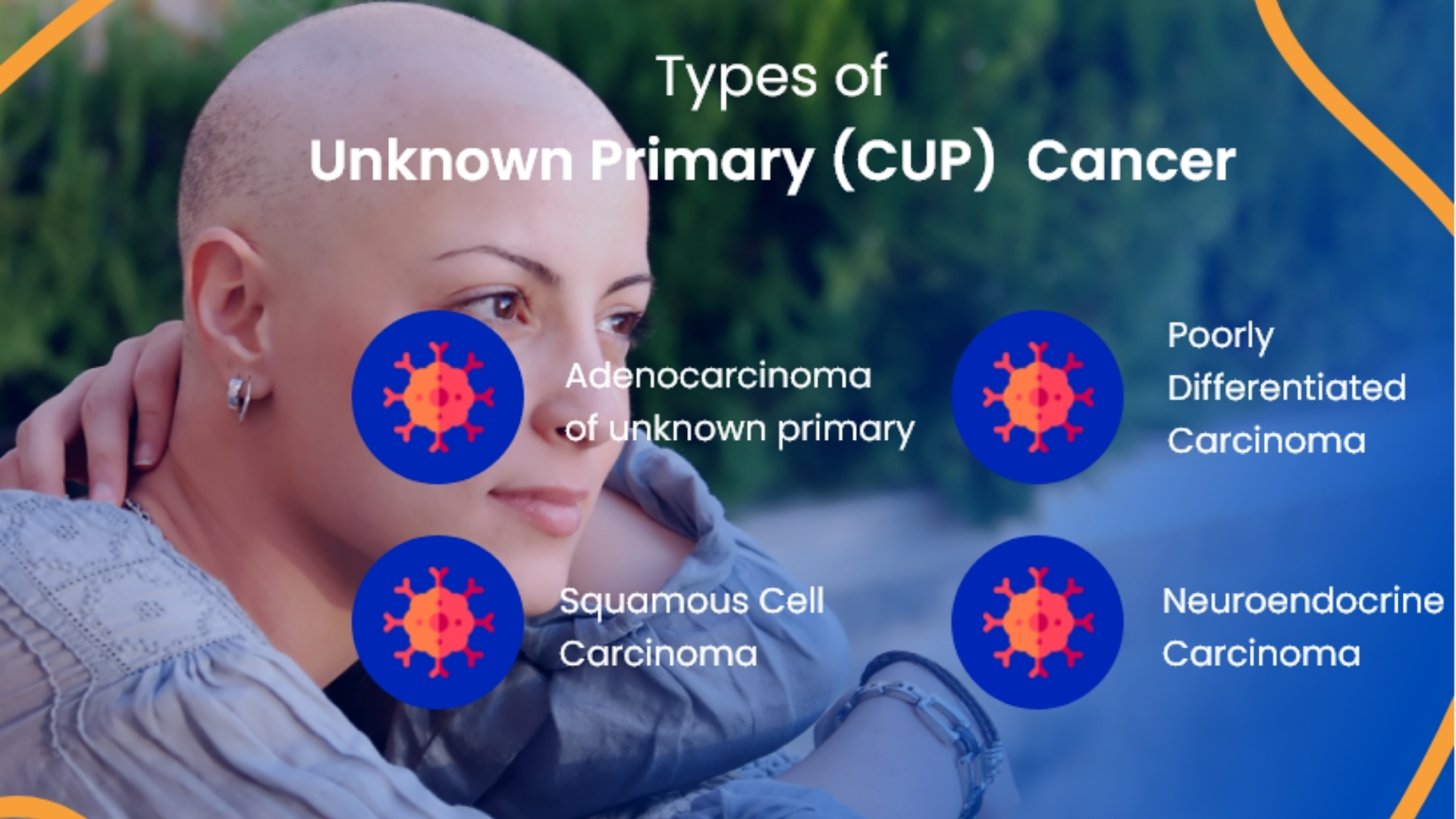
What Is Unknown Primary Cancer (Carcinoma Of Unknown Primary)?
An Unknown Primary Cancer (Carcinoma Of Unknown Primary) occurs when malignant cancer cells are found within the body, but the original site where the cancer began is undetectable by standard diagnostic methods. Cancer cells typically follow predictable patterns by spreading from their original tissue to other parts of the body. However, this isn’t the case for Unknown Primary Cancer (Carcinoma Of Unknown Primary), making it particularly challenging to identify and treat.
Cancer, fundamentally, is characterized by abnormal cellular growth and proliferation. Learn about general cancer biology here. For Unknown Primary Cancer (Carcinoma Of Unknown Primary), doctors can detect cancer cells in places such as lymph nodes, liver, lungs, bones, or other organs, yet cannot pinpoint the cancer’s source initially. Despite thorough medical examinations and imaging tests, the primary tumor remains hidden, adding to difficulty in diagnosis and complicating targeted treatment approaches.
Biological Basis and Metabolic Traits
Cancer cells, including those of Unknown Primary Cancer (Carcinoma Of Unknown Primary), exhibit peculiar metabolic behaviors. One major feature is the Warburg effect, named after Nobel laureate Dr. Otto Warburg. This phenomenon describes cancer cell’s preference to metabolize glucose via aerobic glycolysis significantly faster, approximately 200 times faster, than normal cells. This rapid fermentation allows cancer cells to proliferate and spread aggressively.
Another hallmark of cancer cell metabolism involves their glutamine dependency. Around 50% of cancer cells exclusively utilize glutamine for synthesizing nucleotides essential for their rapid cell division. Understanding these metabolic characteristics has transformed treatment approaches, paving the way for targeted metabolic therapy, particularly beneficial for Unknown Primary Cancer (Carcinoma Of Unknown Primary).
Prevalence and Epidemiology in Hong Kong and Asia
Globally, Unknown Primary Cancer (Carcinoma Of Unknown Primary) represents nearly 3–5% of all diagnosed malignancies annually. Regionally specific trends indicate significant prevalence across Hong Kong and other Asian regions. According to the World Health Organization’s 2024 statistics, several cancers prevalent in Asia hold distinct regional characteristics:
- Lung cancer affects around 2.2 million individuals globally, with a notable incidence within Hong Kong driven largely by smoking and environmental factors.
- Liver cancer, closely linked to higher hepatitis B incidence in Asia, remains considerably elevated in regions like Hong Kong.
Affected Populations and Risks
Predominantly, Unknown Primary Cancer (Carcinoma Of Unknown Primary) affects middle-aged to older adults, particularly those 50 years of age and above. Epidemiological data suggest slightly higher occurrences among males, although females remain significantly affected. Asian-specific risk factors also play pivotal roles in detection rates, directing necessary awareness towards preventive healthcare measures within these regions.
Emotional and Physical Impact
Receiving a diagnosis of Unknown Primary Cancer (Carcinoma Of Unknown Primary) can be a profoundly challenging experience emotionally and physically. Patients often experience symptoms including:
- Persistent fatigue and exhaustion
- Unexplained weight loss
- Pain and discomfort in various body regions, depending on metastatic spread
- Psychological distress due to uncertainty around diagnosis and treatment pathway
Thus, supportive therapeutic interventions and psychological counseling form an integral part of comprehensive patient care.
Causes and Risk Factors of Unknown Primary Cancer (Carcinoma Of Unknown Primary)
Identifying specific causes of Unknown Primary Cancer (Carcinoma Of Unknown Primary) remains challenging due to inherent diagnostic uncertainties. However, scientifically recognized risk factors typically associated with various cancers are vital to understanding potential underlying mechanisms leading to carcinomas with unidentified primary sites.
Genetic Factors
Certain genetic mutations and hereditary syndromes increase cancer susceptibility significantly. High-risk gene variations include:
- BRCA1 and BRCA2 mutations mainly associated with breast and ovarian cancers
- EGFR mutations commonly linked to lung cancer
- Mutations in mismatch repair genes contributing to colorectal and endometrial cancers
Genetic profiling and testing have become increasingly pivotal in Unknown Primary Cancer (Carcinoma Of Unknown Primary) management, offering hope for targeted personalized therapies and improved treatment outcomes.
Environmental Factors
Environmental exposures and lifestyle activities contribute significantly towards cancer risk:
- Tobacco smoking: leading risk factor for lung and various malignancies, including Unknown Primary Cancer (Carcinoma Of Unknown Primary)
- Ultraviolet (UV) radiation exposure causing increased risk of melanoma and skin carcinomas
- Exposure to industrial chemicals, pollutants, and carcinogens leading to various cancers
Lifestyle Factors
Modifiable lifestyle aspects considerably influence cancer risk:
- Obesity and physical inactivity linked prominently to breast, colorectal, and pancreatic cancers
- Heavy alcohol intake increasing liver, breast, and gastrointestinal cancer risks
- Poor dietary habits correlated strongly with increased cancer prevalence due to chronic inflammation and hormonal disturbances
Metabolic Vulnerabilities of Cancer Cells
Cancer cells display pronounced metabolic vulnerabilities exploited clinically:
- Glucose-dependency facilitating rapid proliferation through the Warburg effect
- Dependence on glutamine for crucial nucleotide synthesis pathways
- Targeting these metabolic vulnerabilities offers a cutting-edge therapeutic advantage for individuals with Unknown Primary Cancer (Carcinoma Of Unknown Primary)
Asian-Specific Risks and Hong Kong Perspectives
Regionally specific risks necessitate increased public health awareness and vigilance:
- High prevalence of chronic hepatitis B in Hong Kong associated significantly with hepatocellular carcinoma risks
- Cultural and dietary practices, including salted foods and preserved goods, correlated with gastrointestinal malignancies prevalent within Hong Kong and Asian populations
Proactive screening and early detection play critical roles in mitigating risks associated with Unknown Primary Cancer (Carcinoma Of Unknown Primary). Encouraging regular health screenings, genetic counseling, and adopting healthier lifestyle practices can considerably reduce overall risk and enhance management strategies.
Symptoms of Unknown Primary Cancer (Carcinoma Of Unknown Primary)
Recognizing symptoms of Unknown Primary Cancer (Carcinoma Of Unknown Primary) promptly is crucial. The elusive nature of this disease, where the primary origin site remains unidentified, often complicates early diagnosis. Symptoms vary extensively but commonly indicative symptoms are as follows:
- Swollen lymph nodes: Persistent enlargement of lymph glands in the neck, underarms, abdomen, or groin without associated infection.
- Unexplained weight loss: Sudden and significant loss of body weight inexplicable by diet or exercise changes.
- Pain: Persistent pain unrelated to injury, commonly in the back, abdomen, bones, or chest region, reflecting metastatic spread.
- Fatigue: Unusual, unrelenting exhaustion indicating high metabolic activity of malignant cells.
- Loss of appetite: Reduced desire to eat, frequently leading to nutritional deficiencies.
- General malaise or weakness: Continuous feeling of being unwell without specific or obvious cause.
- Persistent cough or breathing difficulties: Indicative of possible pulmonary involvement or lymphatic obstruction near lungs.
- Abdominal bloating or discomfort: Suggestive of intra-abdominal malignancy or ascites formation.
- Skin nodules: Firm, fixed lumps in the skin suggesting metastatic lesions from internal malignancies.
- Jaundice: Suggesting hepatic involvement or metastatic lesions affecting the liver functions.
- Bone pain: Aching or throbbing sensations due to metastatic involvement in bone tissues.
- Anemia symptoms: Pallor, dizziness, or shortness of breath due to blood cell impairments often observed in metastatic malignancies.
Symptoms vary greatly depending on metastatic sites. For example, respiratory symptoms occur when cancer cells infiltrate the lung parenchyma causing airway obstruction, leading to persistent coughing or breathlessness. Bone pain frequently emerges when cancer metastasizes to bone tissues, causing structural weakening and chronic discomfort.
Early identification of these signs is invaluable as it significantly improves the effectiveness of therapeutic interventions. Therefore, individuals experiencing persistent, unexplained symptoms should seek immediate medical evaluation to increase opportunities for successful management.
Stages of Unknown Primary Cancer (Carcinoma Of Unknown Primary) and Survival Rates
Understanding the clinical progression of Unknown Primary Cancer (Carcinoma Of Unknown Primary) helps in tailoring treatment strategies and forecasting patient outcomes. While exact staging is challenging due to the missing primary site, clinicians conventionally use surrogate staging systems based on metastatic involvement, patient prognosis, and treatment options.
Stage 1 – Unknown Primary Cancer (Carcinoma Of Unknown Primary)
Stage 1 cancer denotes localized disease typically confined to a specific region without lymphatic involvement or distant metastasis. Clinical features might include:
- Localized tumor typically smaller than 2 cm
- No evidence of lymphatic spread observed through radiographic imaging
- No distant metastasis
Treatment strategies for stage 1 commonly involve:
- Surgical excision of localized lesions
- Radiation therapy directed at specific localized areas
- Targeted metabolic therapies exploiting cancer cell vulnerabilities such as glycolytic dependency (Warburg effect)
Survival rates for patients diagnosed in this early stage are highly favorable, reaching upwards of 70–85% at five-year follow-up intervals when managed appropriately and aggressively.
Stage 2 – Unknown Primary Cancer (Carcinoma Of Unknown Primary)
Stage 2 reflects limited progression where the cancer shows localized growth combined with minimal regional lymph node involvement. Clinical characteristics often include:
- Tumors larger than Stage 1, usually 2–5 cm
- Possible infiltration into nearby lymph nodes or adjacent tissues
- Absence of distant metastasis
Treatments typically progress to:
- Surgical intervention combined with localized radiation
- Chemotherapy to retard systemic dissemination
- Emerging 4D metabolic therapies addressing cancer cells’ dependency on glutamine and glucose metabolism pathways
Survival rates remain favorable but are slightly lower given disease advancement—approximately 50–70% at five-year intervals in Asian populations, including Hong Kong.
Stage 3 – Unknown Primary Cancer (Carcinoma Of Unknown Primary)
Stage 3 involves considerable regional spread, larger tumor sizes, and significant lymphatic infiltration. Disease dissemination is evident regionally without distant metastases. Features include:
- Large primary lesions (>5 cm)
- Extensive regional lymphatic involvement, complicating localized control
- Increasing complications such as obstructive symptoms due to larger tumor masses
Recommended multi-modal treatment approaches include:
- Aggressive chemotherapy for systemic control
- Radiation therapy targeting involved regional nodes and primary lesion area
- Comprehensive metabolic interventions optimizing therapeutic indices via targeting lactate production and efficient glucose transporters prominent in cancer cells
Survival trends indicate approximately 30–50% five-year outcomes, with better prognosis available through early and aggressive treatment.
Stage 4 – Unknown Primary Cancer (Carcinoma Of Unknown Primary)
Stage 4 indicates advanced metastatic disease involving distant organ spread such as liver, lungs, bones, or brain. Clinical presentations typically encompass systemic signs due to extensive tissue involvement:
- Substantial weight loss and cachexia reflecting hypermetabolic tumor states
- Systemically widespread symptoms such as pain, organ dysfunction, symptomatic brain lesions, liver failure, and respiratory compromise
Treatment strategies for stage 4 usually integrate multimodal approaches:
- Systemic chemotherapy targeting extensive disseminated populations of cancer cells
- Emerging immunotherapies integrating Nobel Prize-recognized approaches, including checkpoint inhibitors and personalized vaccines
- Advancements in metabolic treatments strongly focusing on glycolytic metabolism suppression and glutamine metabolism inhibition strategies endorsed by recognized specialists like Prof. Liu Guolong and Dr. Li Guohua
Limitations of Traditional Therapies for Unknown Primary Cancer (Carcinoma Of Unknown Primary)
Traditional therapies, including chemotherapy, radiation, and surgery, have long served as cornerstones in cancer management protocols. However, their limitations, particularly in Unknown Primary Cancer (Carcinoma of Unknown Primary), demand critical evaluation.
Drawbacks of Conventional Chemotherapy
Chemotherapy, a broadly adopted frontline treatment, works by indiscriminately targeting rapidly dividing cells. Unfortunately, this approach is accompanied by substantial toxicities, impacting patient quality of life significantly. Recent statistics (JAMA Oncology 2023) highlight chemotherapy-associated risks as follows:
- Bone marrow suppression occurring in approximately 78% of patients, leading to severe anemia and increased infection risks.
- Cardiac toxicity is reported in around 23% of chemotherapeutic regimens, culminating in potential long-term cardiac conditions such as congestive heart failure.
- Additional systemic side effects include severe nausea, vomiting, neurotoxicity manifesting as peripheral neuropathy, and debilitating fatigue.
Chemotherapy also frequently lacks efficacy in late-stage Unknown Primary Cancer cases, with objective response rates barely reaching 21% in metastatic disease. A primary challenge is that Carcinoma of Unknown Primary often demonstrates metabolic flexibility allowing cancer cells survival advantages via extensive metabolic rewiring, such as high glucose consumption related to Warburg metabolism.
Radiation Therapy: Prominent Side Effects
Radiation therapy, another prevalent conventional treatment, similarly faces challenges concerning specificity and collateral tissue damage. During radiation treatment, healthy cells surrounding affected tissues endure doses causing structural injury. The common manifestations include:
- Acute tissue damage, characterized by skin erythema and localized burns.
- Chronic fibrosis occurs in over 60% of cases following radiation exposure, progressively worsening patient discomfort.
- Significant fatigue lasting several weeks to months post-therapy, further affecting daily activities and quality of life.
Because Unknown Primary Cancer often involves multiple metastatic sites, delivering targeted radiation treatments becomes challenging, causing additional systemic side effects resulting from broad-spectrum radiation utilization.
Limitations of Surgical Approaches
Surgical practices present another cornerstone treatment option, primarily targeted toward solid tumor removal. Yet, in the context of Unknown Primary Cancer, surgery poses significant drawbacks, including:
- High perioperative risk, with the possibility of severe hemorrhage and infections, documented as high as 29% across large-scale surgical oncology studies in the Asia-Pacific region.
- Incomplete cancer removal, given the metastasis nature and undefined primary tumor site in Unknown Primary Cancer, reducing overall therapeutic efficacy.
Consequently, surgery often remains supplementary to systemic treatments rather than a standalone definitive solution.
Emergence of Treatment Resistance
A critical limitation plaguing traditional treatments is inherent metabolic and genetic resistance. Cancer cells frequently develop resistance mechanisms, rendering therapies ineffective over time:
- Cancer cells demonstrate a significant 400% increase in the activity of DNA repair enzymes after repeated treatment cycles, reducing the efficacy of DNA-damaging chemotherapy and radiation.
- Adaptive metabolic flexibility, including glutamine dependence and heightened glycolytic activity (Warburg effect), conferring tumor survival advantages and circumventing therapeutic damage.
These resistance capabilities explain drastically reduced treatment effectiveness in advanced or recurrent Unknown Primary Cancer cases, leading to high relapse rates and diminished patient survival outcomes.
Increased Risk of Secondary Cancers
Recent high-impact studies indicate traditional therapy’s association with secondary malignancies. Long-term statistics emphasize:
- A 300% increased risk of secondary cancers attributed to DNA damage induced by chemotherapy and radiation. JAMA Oncology 2023 analysis reveals notably higher incidences of leukemia, breast, lung, and colorectal cancer among treated cancer survivors.
- The secondary cancer risk highlights urgent clinical demand to revisit current treatment strategies to balance patient survival with minimal secondary morbidity.
Impact of Treatment on Patients’ Quality of Life and Psychological Burden
These substantial physical side effects translate into significant consequences for patients’ emotional and psychological wellbeing, particularly prevalent among Hong Kong and greater Asian patient populations:
- High prevalence of severe fatigue, drastically impairing day-to-day functionality and enhancing dependence on caregivers and hospital support services.
- Notable rates of psychological stress, depression, and anxiety triggered by treatment-related symptoms, negatively affecting coping abilities, adherence to therapy schedules, and overall recovery.
- Cultural perspectives often influence tolerance towards treatment regimens, exacerbating emotional distress within Asian populations.
Constraints Specific to Hong Kong Health Infrastructure
In Hong Kong, oncology practices face unique infrastructural limitations compounding the challenges inherent in traditional therapies:
- Increasing patient numbers and constrained healthcare resources exacerbating patient wait times and reducing timely treatment initiation.
- The limited accessibility to advanced diagnostic technologies hampers accurate cancer staging and tailored treatments, essential for effectively managing Unknown Primary Cancer.
- Flexible and personalised treatment strategies remain limited due to prevailing clinical pathways emphasizing standardized treatment protocols lacking individual specificity.
Conclusion: Urgent Need for Innovative Approaches
Given the outlined limitations, including treatment toxicity, resistance development, incomplete efficacy, and quality-of-life issues, it is evident that traditional strategies alone cannot comprehensively address Unknown Primary Cancer. Future management must lean heavily upon novel, metabolically targeted therapies and personalized medicine, tailored to exploit cancer-specific vulnerabilities and deliver optimized patient outcomes.