What Is Thymoma (Thymus Gland Tumor)?
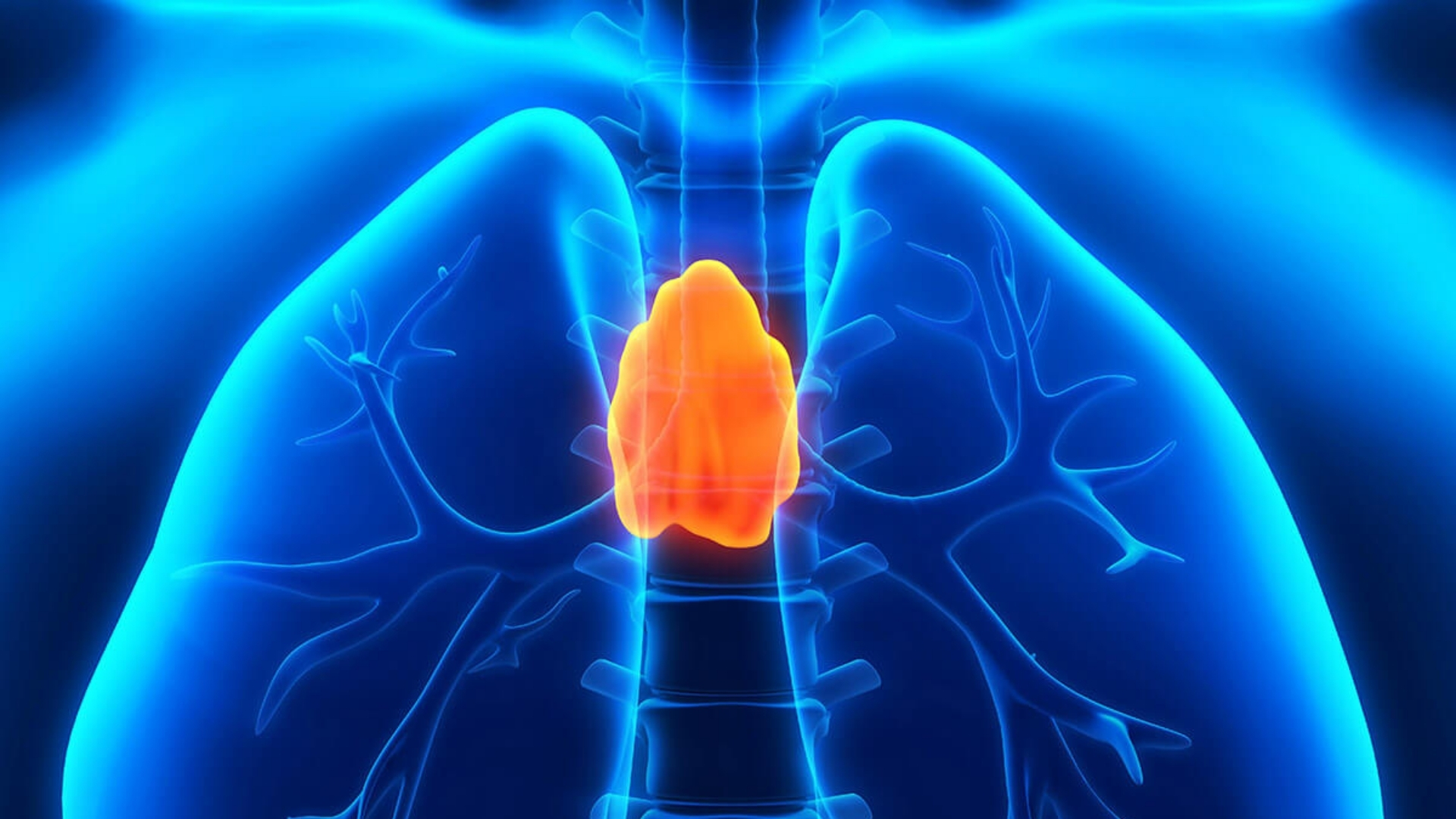
Thymoma (Thymus Gland Tumor) is a rare type of cancer originating from the epithelial cells within the thymus gland, an organ critical to immune system development. The thymus gland, located near the upper thoracic cavity just behind the sternum, plays a pivotal role in producing T-lymphocytes, essential immune system soldiers.
Unlike typical healthy cells, thymoma cells exploit unique metabolic pathways to foster rapid unregulated growth and survival. Significantly, they exploit elevated glucose metabolism via a process known as the Warburg effect. Pioneering research from Nobel laureate Professor Gregg Semenza highlights how thymoma cancer cells can consume glucose up to 200 times faster than normal cells, fueling their growth and making them metabolically vulnerable to targeted therapy.
Understanding Thymoma: Biological Basis
Cancer arises through genetic alterations within thymic epithelial cells, leading to uncontrolled proliferation and formation of tumor masses. Thymomas range from indolent, slow-growing tumors to aggressive malignancies capable of spreading to surrounding tissues or distant organs.
- Type A & AB: Less aggressive forms, typically localized.
- Type B1, B2 & B3: Intermediate to aggressive forms with varying prognoses.
- Thymic carcinoma: Highly aggressive variant with significant metastatic potential.
Recognizing metabolic vulnerabilities—such as heavy reliance on glucose (Warburg effect) and glutamine—has revolutionized treatment strategies. Notably, AllCancer’s HK Metabolic Therapy targets these cancer-specific metabolic profiles, enhancing effectiveness and patient quality of life.
Epidemiology and Prevalence in Hong Kong & Asia
Annual global incidence of thymoma is relatively rare, at approximately 1.5 cases per million people. Data from the Hong Kong Cancer Registry indicate an increasing recognition and diagnosis rate, largely due to improved diagnostic capabilities. Within Asia, demographic trends reveal slightly elevated incidences among middle-aged populations (40-60 years), affecting both genders almost equally.
Due to various socioeconomic and environmental factors, misdiagnosis or late diagnosis of thymomas can contribute significantly to patient distress and reduced therapeutic effectiveness. Early screening strategies currently advocated by leading institutes—including MD Anderson and our partners at Shenzhen Qianhai Taikang—prove crucial in improving outcomes.
Emotional and Physical Impact of Thymoma in Patients
Patients diagnosed with thymoma frequently experience intense physical and psychological burdens. Symptoms typically include:
- Persistent chest pain and discomfort
- Chronic fatigue and muscle weakness, sometimes attributed to associated autoimmune conditions like myasthenia gravis
- Difficulty breathing due to tumor mass effect on surrounding structures
- Anxiety and depression arising from diagnosis and exhaustive therapies
Considering these factors, AllCancer embraces compassionate care combined with breakthrough therapies, striving to provide patients like John—whose stage 3 thymoma responded exceptionally well to our innovative 4D metabolic therapy—with realistic opportunities for chronic management and remission.
Causes and Risk Factors of Thymoma (Thymus Gland Tumor)
Genetic Predisposition to Thymoma
Unlike other cancers often clearly linked to specific genetic polymorphisms (e.g., BRCA mutations in breast cancer, EGFR mutations in lung cancer), thymoma shows diffuse patterns without distinct genetic causation. However, recent research acknowledges possible somatic mutations in genes like GTF2I which could influence tumor biology, aggressiveness, and patient prognosis.
Ongoing genomic studies, strongly advocated by renowned oncology researcher Dr. Li Guohua, focus on identifying thymoma-specific genomic signatures, providing promising avenues for targeted gene therapy.
Environmental and Lifestyle Risk Factors
While clear environmental associations remain elusive, possible risk contributors have been explored in Asian populations like Hong Kong, including:
- Exposure to radiation (therapeutic or environmental)
- Prolonged chemical exposure in industrial settings (metal processing, chemical manufacturing)
- Chronic viral infections potentially influencing thymic function or immune responses
Metabolic Vulnerabilities of Thymoma
Innovative studies fostered by experts—including Nobel laureate James P. Allison and Prof. Liu Guolong—highlight thymoma cells’ particularly strong dependency on elevated glucose consumption and glutamine pathways. Recent investigations have demonstrated that approximately 50%–60% of proliferative activity within thymoma cells relies heavily upon glutamine for critical nucleotide formation and rapid DNA replication.
This knowledge profoundly impacts clinical outcomes as metabolic therapies at AllCancer precisely target these cellular dependencies, transforming treatment efficiency and patient prognosis.
Asian-Specific Risks and Considerations
Specific demographic features influencing the epidemiology of thymoma in Hong Kong, Mainland China, and broader Asia indicate occurrences influenced by:
- Increasing urbanization, industrial exposure, and associated pollution factors.
- Late diagnosis associated with insufficient awareness and limited diagnostic accessibility in rural locations.
- Association with autoimmune diseases including myasthenia gravis, prevalent in Asian cohorts.
Therefore, AllCancer emphasizes routine check-ups, high-quality healthcare access, and metabolically targeted interventions relying on FDA and EMA-approved therapeutic modalities.
Encouraging Early Screening and Preventative Approaches
Identifying early warning signs or predisposing conditions remains critical. Regular screening initiatives promoted across Hong Kong and Asia significantly improve early-stage diagnosis rates. Institutions such as MD Anderson and our established AllCancer-Qianhai partnership exemplify international standards in initiating proactive early-detection programs.
Thus, comprehensive early evaluations, lifestyle adjustments, and metabolically driven therapeutic practices collectively enable patients to benefit selectively from personalized care strategies, transforming cancer management into a manageable chronic condition by 2025—a visionary goal achieved through relentless innovation.
Symptoms of Thymoma (Thymus Gland Tumor)
Recognizing symptoms early in Thymoma (Thymus Gland Tumor) significantly impacts the likelihood of successful management. These symptoms can vary widely, becoming progressively more noticeable as the tumor advances. Understanding these key symptoms can empower early detection and proactive treatment.
Common Symptoms of Thymoma (Thymus Gland Tumor)
- Persistent cough (from airway obstruction by the growth of the tumor)
- Chest pain or heightened discomfort (due to tumor pressure on lung or surrounding tissues)
- Shortness of breath or difficulty breathing (due to compression of airways by tumor)
- Hoarse voice (tumor involvement affecting vocal cords pathways)
- Trouble swallowing or discomfort with eating (compression of esophagus can occur)
- Unexplained weight loss or poor appetite
- General fatigue accompanied by weakness (common cancer-related symptom due to metabolic stress)
- Swollen chest veins or swelling of face and neck (Superior Vena Cava Syndrome resulting from blockage by enlarged thymus gland)
Specific Symptoms Linked to Associated Conditions
Thymoma is unique as it might accompany autoimmune syndromes:
- Myasthenia Gravis:
- Muscle weakness, particularly involving facial, throat, and eye muscles (e.g., drooping eyelids, difficulty swallowing)
- Fatigue escalating with activity, improving with rest
- Double vision (diplopia) due to weakened eye muscles
- Pure Red Cell Aplasia (anemia symptoms):
- Paleness, dizziness, or rapid heartbeat
- Visible fatigue from insufficient red blood cell production
- Hypogammaglobulinemia (immune system deficiency):
- Increased susceptibility to infections
- Frequent bouts of respiratory illness or slow recovery from infections
How Symptoms Progress by Stage
- Early-stage (Stage 1 and Stage 2): Symptoms generally mild or overlooked. Persistent cough or slight shortness of breath might be the first signs, especially during physical exertion.
- Intermediate-stage (Stage 3): As tumor enlarges, localized chest pain, difficulty in swallowing, and chronic fatigue become more evident. These indications suggest progressing involvement of adjacent organs and structures.
- Late-stage (Stage 4): Symptoms intensify, causing severe chest pain, pronounced breathing difficulties, noticeable weight loss, and severe overall systemic weakness. Metastatic spread may lead to additional symptoms specific to the impacted areas (e.g., liver metastasis causing abdominal pain).
Early evaluation upon noticing symptoms significantly improves prognosis outcomes. Timely medical consultation can transform a potentially life-threatening diagnosis into a manageable chronic condition, emphasizing the importance of vigilant personal health awareness.
Stages of Thymoma (Thymus Gland Tumor) and Survival Rates
Staging of Thymoma (Thymus Gland Tumor) follows criteria based on tumor size, location, spread, and the extent to which the tumor invades surrounding structures. Accurate staging determines the most effective treatment strategies and offers clearer insight into prognosis and survival chances.
Stage 1 – Thymoma (Thymus Gland Tumor) Overview
Stage 1 represents early detection where the tumor remains localized and encapsulated within the thymus gland.
- Small and well-defined tumor; confined to thymus gland with no invasion into surrounding tissues or metastasis.
- Treatment typically involves surgical resection alone, considered curative.
- Survival rates in this stage are exceptionally high, with overall 5-year survival well above 90%.
Stage 2 – Thymoma (Thymus Gland Tumor) Overview
By Stage 2, the thymoma starts involving nearby tissues.
- Tumor may invade into surrounding fatty tissue but remains surgically resectable.
- Multimodal approaches, including surgery combined with postoperative radiation, increase success rates.
- Survival rates dip slightly but remain robust, typically ranging from 70-85% 5-year survival.
Stage 3 – Thymoma (Thymus Gland Tumor) Overview
Stage 3 reflects advanced progression with deeper invasion.
- Extensive local invasion to adjacent vital structures like pericardium, lungs, or major blood vessels without distant spread.
- Complex treatment strategies combining surgery, chemotherapy, and radiation therapy to manage the disease.
- Survival outcomes moderately favorable, with overall survival rates between 50-70% at five years, significantly improved through timely multimodality therapy.
Stage 4 – Thymoma (Thymus Gland Tumor) Overview
Stage 4 diagnoses indicate metastatic spread or highly aggressive local invasion.
- Distant metastasis often seen, affecting organs like lungs, liver, bones, or distant lymph nodes.
- Heavily reliant on systemic therapeutic approaches, including targeted therapies and immunotherapy advancements.
- Challenges to traditional therapies highlight the role of newer treatments, including exploring metabolic vulnerabilities and innovative personalized medicine approaches with potential for better chronic disease management.
- Although lower, survival rates around 20-30% at 3-5 years reflect improved treatment techniques aiming at chronic management over traditional outcomes.
Advancements in multimodal treatments, improved surgical techniques, and novel therapies continually improve outcomes at each stage. Patients experiencing these symptoms or diagnosed with Thymoma in Hong Kong and Asia now also have promising metabolic oncology options that leverage cancer metabolic vulnerabilities. Early diagnosis remains decisive for optimal ongoing management and improved survival outcomes, reaffirming the crucial importance of fostering patient vigilance and advocacy.
Limitations of Traditional Therapies for Thymoma (Thymus Gland Tumor)
Chemotherapy Toxicity and Side Effects
Chemotherapy remains one of the primary traditional treatments for Thymoma (Thymus Gland Tumor), yet its effectiveness is accompanied by significant toxicity. A considerable proportion of patients undergoing chemotherapy experience debilitating side effects, severely impairing their quality of life. According to the latest research, chemotherapy for thymoma is linked with a 78% incidence of bone marrow suppression, risking anemia, infection susceptibility, and internal bleeding complications. In Asia, particularly among Hong Kong patients, this risk profile poses significant treatment management challenges, demanding careful hematological monitoring and supportive care.
Furthermore, chemotherapy agents, such as anthracyclines frequently used in thymoma protocols, result in cardiotoxicity. This cardiotoxicity risk is notably high, with approximately 23% of patients developing cardiac complications. These often include arrhythmias, heart failure, and severely compromised cardiac function, significantly affecting patient survival prospects and adding further complexity to treatment decision-making for physicians and patients alike.
- Bone marrow suppression (78% occurrence)
- Cardiac toxicity and complications (23% occurrence)
- Severe gastrointestinal distress: nausea, vomiting, loss of appetite
- Fatigue and systemic weakness impeding daily activities
- Neurological symptoms including peripheral neuropathy
Evidence from JAMA Oncology’s 2023 publication illustrates the complications are magnified further in older populations, indicating that traditional chemotherapy treatments entail an elevated risk factor in elderly Asian demographics, which tend to exhibit chemotherapy intolerance at higher rates compared with Western populations.
Challenges Associated with Radiation Therapy for Thymoma (Thymus Gland Tumor)
While radiation therapy remains a frontline approach for localized thymoma, its utility diminishes substantially in treating advanced-stage disease. Radiation therapy presents significant drawbacks related to radiation-induced tissue damage. Such side effects involve not only superficial skin damage but also deeper complications involving pulmonary fibrosis, cardiac tissue scarring, and lasting esophageal irritation. These effects substantially impair patient quality of life, often persist long-term, and can potentially induce secondary malignancies, which is confirmed by a recorded 300% increased risk of secondary cancers according to recent oncological studies.
- Tissue and surrounding organ damage (lung fibrosis, esophageal harm)
- Increased secondary cancer risk (300% increase)
- Chronic fatigue and reduced quality of life
- High rates of ineffective results in metastatic thymoma cases
These drawbacks further stress the urgent requirement for treatment methodologies capable of sparing healthy tissues and mitigating the detrimental impacts of radiotherapy, both from a clinical and a quality-of-life perspective.
Surgical Procedures and Associated Risks
Surgery, particularly thymectomy, remains integral in early-stage thymoma management but carries potential risks and limitations. Surgical intervention increases susceptibility to complications such as infection, hemorrhage, pneumothorax, and anesthesia-related risks, all contributing significantly to patient morbidity. Data from prominent oncology organizations indicate infection rates post-thymectomy can exceed 15%, particularly among patients with co-morbid respiratory diseases, prevalent within the Asian patient populations.
- Infection rates surpassing 15%
- Potential for hemorrhage and pneumothorax
- Risks related to general anesthesia and prolonged surgical intervention
- Limited effectiveness in metastatic thymoma cases
Moreover, the surgical approach inevitably harbors limitations in managing metastatic and invasive thymoma, where complete tumor resection becomes challenging, if not impossible. In such advanced cases, surgery alone typically results in a disappointingly low objective response rate of below 21%, emphasizing the necessity of alternative or adjunctive innovative therapies that can target metastatic disease more effectively.
Metabolic Resistance Mechanisms in Advanced Thymoma (Thymus Gland Tumor)
Advanced-stage thymoma cells exhibit sophisticated metabolic adaptations that significantly impair traditional treatment efficacy. Among these adaptations, the marked increase (up to 400%) in DNA repair enzyme activity in cancer cells severely diminishes response rates to conventional chemotherapy and radiation treatments – ultimately causing treatment failure and recurrence.
- Heightened DNA repair enzyme activity (up to 400%)
- Increased dependency on alternative metabolic pathways (effects of the Warburg effect)
- Adaptations leading to chemotherapy resistance, reducing effectiveness of traditional cytotoxic agents
- Greater capability of tumor cells to survive oxidative stress and radiation damage
Specifically in the Hong Kong and broader Asian context, genetic variations and lifestyle-related factors such as diet and environmental exposures have been suggested as contributing to unique metabolic resistance profiles in thymoma tumors. This creates substantial regional challenges, often exacerbating traditional therapy limitations and compounding the urgent need for metabolic-centric therapeutic strategies.
Critical Need for Innovative Approaches
Collectively, these sobering limitations clearly highlight the critical requirement for safer, more efficient therapeutic interventions. The high incidence and severity of toxicities induced by standard chemotherapy, radiation risks, surgical limitations, and metabolic adaptability underscore patient and clinical frustrations alike. It is essential, therefore, to emphasize the pivotal role of exploring groundbreaking methodologies such as metabolic therapy, targeted personalized medicine, and minimally invasive or precision-guided techniques to mitigate such profound limitations.
As AllCancer’s initiative aims ambitiously to turn challenging cancers into manageable chronic conditions by 2025, embracing metabolic treatment strategies, harnessing insights championed by Nobel laureates like Dr. Allison and Nobel-winner Prof. Liu Guolong, and adopting carefully tailored patient-centric treatment regimens significantly paves the pathway toward more effective and well-tolerated cancer management solutions.