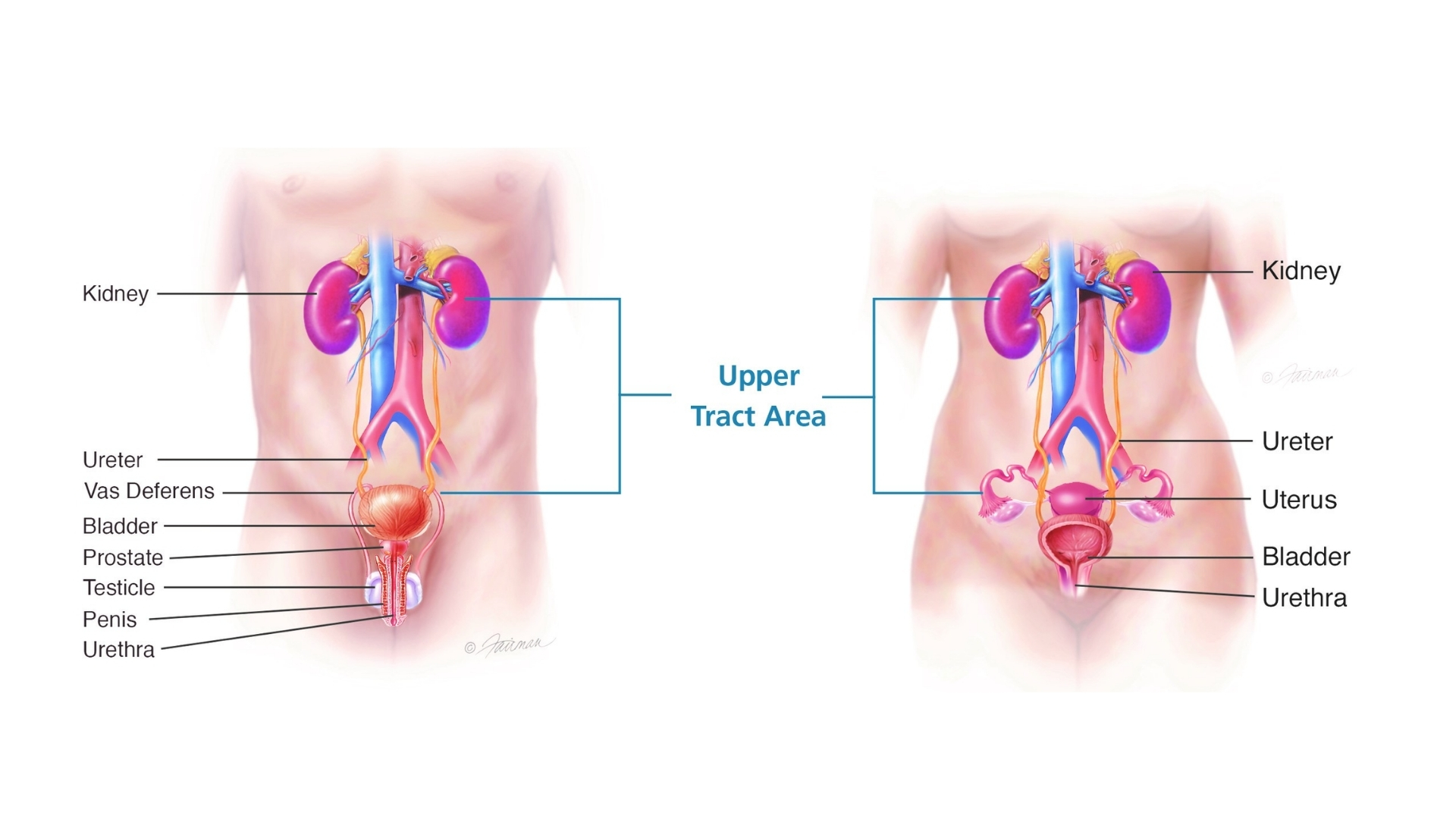
What Is Ureter & Renal Pelvis Cancer (Upper Urinary Tract Urothelial Carcinoma)?
Ureter & Renal Pelvis Cancer (Upper Urinary Tract Urothelial Carcinoma), also commonly known as upper tract urothelial carcinoma (UTUC), involves abnormal cell growth within the lining of the ureters or renal pelvis. This is the same urothelial tissue type that lines the bladder, and thus the pathology resembles bladder cancer closely.
From a biological perspective, urothelial carcinoma cells uniquely rely heavily on glucose metabolism, demonstrating an altered cellular metabolic pathway known as the Warburg effect. This metabolic adaptation allows cancer cells to consume glucose up to 200 times faster than normal cells, fueling their rapid proliferation and survival capabilities within challenging environments.
According to World Health Organization data (WHO, 2024), globally urothelial carcinoma of the upper urinary tract accounts for approximately 5–7% of all urothelial carcinomas. In Hong Kong and across Asia, its incidence has gradually increased, particularly among middle-aged to elderly populations. Asian-specific dietary habits, environmental exposures, and genetic predispositions further shape this cancer’s regional epidemiology, highlighting the vital need for localized awareness and preventive strategies.
Although relatively rare compared to other cancers such as lung or colorectal cancer, UTUC presents significant diagnostic and therapeutic challenges, often being aggressive and capable of recurrence or progression despite standard care. This poses a physical and emotional toll, with symptoms like hematuria (blood in urine), frequent urination, flank pain, unintentional weight loss, and fatigue markedly impacting life quality.
Patients, therefore, grapple not only with physical challenges but psychological burdens as they navigate uncertainty, anxiety, and treatment-associated stress. Recognizing these profound impacts guides our compassionate, personalized care philosophy at AllCancer. Our revolutionary 4D Metabolic Therapy leverages Nobel-winning science (Dr. Semenza’s oxygen sensing discovery and Dr. Allison’s immunology breakthroughs) to capitalize on these cancer metabolic vulnerabilities, aspiring thus to manage UTUC meticulously and transform it into a manageable chronic condition.
For deeper insights into cancer biology and diagnostics, visit our dedicated educational resources: Cancer Biology Explained and Advanced Cancer Diagnostics.
Causes and Risk Factors of Ureter & Renal Pelvis Cancer (Upper Urinary Tract Urothelial Carcinoma)
Understanding the causes and risk factors of Ureter & Renal Pelvis Cancer (Upper Urinary Tract Urothelial Carcinoma) is crucial both for early detection and preventive measures. Complex interactions of genetic, lifestyle, environmental, and metabolic factors are known to contribute significantly to its pathogenesis.
Genetic Factors
- Mutation or alterations in specific genes, notably Lynch syndrome (Hereditary Non-Polyposis Colorectal Cancer), dramatically increase the risk for UTUC, accounting for approximately 15–20% of hereditary UTUC cases.
- Genetic instability and mutations in key tumor suppressor genes (like TP53) and oncogenes (such as FGFR3) have also been extensively linked to UTUC progression and aggressive behavior.
Metabolic Vulnerabilities
Cancer cells, particularly urothelial carcinoma cells, exploit abnormal metabolic pathways to fuel their unregulated growth and division. Core to this metabolic shift is the Warburg effect:
- Increased glucose uptake rate (up to 200-fold compared to normal cells)
- Glycolysis generates rapid ATP and biomass essential for cell proliferation and survival
Understanding such distinctive metabolic signatures provides significant therapeutic targets for innovative metabolic therapies and personalized interventions at AllCancer.
Environmental and Lifestyle Factors
- Tobacco smoking remains the leading environmental risk, increasing the risk of UTUC threefold compared to non-smokers.
- Long-term analgesic use, particularly with medications containing phenacetin (historically used in Hong Kong and nearby regions), has been clearly identified as a UTUC risk factor.
- Exposure to industrial chemicals including aromatic amines and benzidine has historically raised cancer risks significantly in industrialized Asian cities and regions.
Asian-Specific Risk Factors and Epidemiological Trends
- Dietary practices in Hong Kong, Taiwan, and Japan, rich in specific salted preserved foods and certain aromatic condiments, have shown correlations with higher UTUC incidences.
- Chronic kidney diseases prevalent among elderly Asian populations, exacerbated notably by diabetes and hypertension, predispose increased susceptibility.
Given these diverse etiologies and contributory factors, early screening becomes critically beneficial, particularly among high-risk groups. Our comprehensive metabolic cancer screening initiatives at AllCancer integrate advanced diagnostics to identify vulnerabilities proactively, enabling timely and effective interventions.
Empowered with such genetic and metabolic knowledge, our multidisciplinary oncology teams design personalized metabolic treatments highlighting innovative therapies like the Nobel laureate-backed 4D Therapy, significantly enhancing remission outcomes.
For further reading and authoritative sources, we encourage visits to the World Health Organization and National Cancer Institute websites, featuring extensive resources to support patients and families with detailed educational materials on cancer prevention, diagnosis, and treatment breakthroughs.
Discover now how our revolutionary 4D Metabolic Therapy transforms Ureter & Renal Pelvis Cancer (Upper Urinary Tract Urothelial Carcinoma) treatment outcomes—visit our Core Therapies page today.
Symptoms of Ureter & Renal Pelvis Cancer (Upper Urinary Tract Urothelial Carcinoma)
Early detection is crucial in managing Ureter & Renal Pelvis Cancer (Upper Urinary Tract Urothelial Carcinoma). Recognizing symptoms promptly enables earlier intervention and significantly improves patient prognosis. The symptoms often vary by the stage and location of cancer, reflecting the underlying tumor biology and its metabolic demands. Commonly observed symptoms include:
- Hematuria (blood in urine): blood may be visible or detectable only microscopically.
- Flank or lower back pain, often persistent and unrelated to physical activity.
- Frequent urinary tract infections, resistant to standard antibiotic therapy.
- Bladder discomfort or urgency despite emptying the bladder.
- Weight loss or fatigue, particularly unexplained and persistent.
- Loss of appetite and general malaise.
As the tumor progresses and becomes more invasive, the symptoms typically evolve and amplify. Indications of advanced disease include:
- Visible abdominal or pelvic mass may be palpable upon thorough clinical evaluation.
- Pain exacerbation and radiating symptoms due to increased pressure or obstruction from tumor growth.
- Persistent nausea and vomiting due to hydronephrosis (accumulation of urine causing kidney distension).
- Swelling in the legs due to lymphatic obstruction.
- Systemic symptoms like anemia secondary to chronic blood loss in urine.
These symptoms reflect underlying disruptions in metabolic processes, such as the Warburg effect, where cancer cells intensely consume glucose to support rapid growth, causing systemic impacts like debilitating fatigue. Patients experiencing these signs should seek immediate medical advice to benefit from effective diagnostic evaluations. Prompt attention can significantly enhance treatment outcomes and quality of life.
Stages of Ureter & Renal Pelvis Cancer (Upper Urinary Tract Urothelial Carcinoma) and Survival Rates
Understanding cancer stages helps pinpoint prognosis and apply the most effective therapeutic strategy, playing a crucial role in patient management for Ureter & Renal Pelvis Cancer (Upper Urinary Tract Urothelial Carcinoma).
Stage 1 – Ureter & Renal Pelvis Cancer
Characterized by localized, confined tumors to the urothelium or lamina propria, these cancers have not invaded muscle tissue.
- Treatment typically includes minimally invasive procedures focusing on organ preservation, such as laser ablation or endoscopic resection.
- Adjuvant chemotherapy and immunotherapy may enhance outcomes with advanced metabolic therapeutic approaches targeting cancer cell glycolysis (Warburg Effect).
- Hong Kong and Asian populations report excellent 5-year survival rates exceeding 90% due to early detection awareness.
Stage 2 – Ureter & Renal Pelvis Cancer
Cancer penetrates into muscular layers, significantly impacting the disease outlook.
- Surgical intervention usually preferred, which includes radical nephroureterectomy and removal of bladder cuff.
- Neoadjuvant or adjuvant chemotherapy optimizes outcomes, reducing recurrence risk based on advancements pioneered by metabolic oncology experts like Prof. Liu Guolong.
- Regional data from Hong Kong indicate survival rates of approximately 70–85% at five years post-treatment.
Stage 3 – Ureter & Renal Pelvis Cancer
This advanced localized stage involves cancer spread to nearby fatty tissues or lymph nodes but remains regionally constrained, presenting marked treatment challenges.
- Comprehensive treatment typically includes radical nephroureterectomy combined with chemotherapy or immunotherapy.
- Experimental metabolic therapies addressing glutamine dependency and glycolytic metabolism have shown promising outcomes in recent Nature Medicine studies.
- Studies across hospitals affiliated with Shenzhen Qianhai Taikang report 5-year survival rates ranging from 50–70%, positively influencing regional cancer management strategies.
Stage 4 – Ureter & Renal Pelvis Cancer
Characterized by distant metastasis, Stage 4 cancer presents significant treatment complexity and challenges due to broad systemic involvement.
- Systemic treatments such as chemotherapy have been historically central; however, recent advancements highlight novel approaches like metabolic targeting and combination immunotherapies.
- Advanced research led by notable oncologists, including Dr. Li Guohua, demonstrates the potential of strategic metabolic therapy aiming to convert even stage 4 cancers into manageable chronic conditions by targeting the cancer’s unique metabolic vulnerabilities like the Warburg effect.
- Although traditional survival statistics demonstrate a 3-year survival rate at approximately 20–30%, recent innovations have begun to improve chronic disease management significantly.
Clinically relevant research from partnerships with global leaders, including MD Anderson and Shenzhen Qianhai Taikang, emphasizes early diagnostics, multi-modal treatment approaches, and targeted metabolic therapies as critical factors in enhancing longevity and prognosis, even at advanced stages.
Patients and caregivers should discuss comprehensive individualized therapy options, including innovative approaches like AllCancer’s 4D Therapy, which integrates metabolic targeting with traditional chemo-immunotherapies, transforming patient outcomes and improving quality of life. Awareness and proactive management underline the evolving treatment landscape for this challenging cancer type, guiding patients towards optimism and renewed hope.
Limitations of Traditional Therapies for Ureter & Renal Pelvis Cancer (Upper Urinary Tract Urothelial Carcinoma)
1. Significant Toxicity of Chemotherapy
Traditional chemotherapy regimens, albeit prevalent, present substantial risks and side effects for patients diagnosed with Ureter & Renal Pelvis Cancer (Upper Urinary Tract Urothelial Carcinoma). The systemic application of potent cytotoxic agents generally affects rapidly dividing cells indiscriminately, resulting in notably severe adverse effects.
- Bone Marrow Suppression (78% incidence): A significant proportion of affected individuals experience decreased production of essential blood cells, risking severe infections, anemia, and excessive bleeding episodes.
- Cardiac toxicity (23% incidence): Chemotherapeutic agents like cisplatin and gemcitabine can induce cardiomyopathy, arrhythmias, and myocardial damage, elevating risks of long-term cardiovascular disease in survivors.
- Nephrotoxicity: Chemotherapy protocols frequently entail drugs such as cisplatin which inflict heavy renal stress, potentially exacerbating underlying kidney dysfunction common among urinary tract cancer patients.
These systemic toxicities severely impact patient quality of life, generally resulting in treatment discontinuation or dosage adjustments, ultimately diminishing therapeutic effectiveness.
2. Adverse Effects and Risks Associated with Radiation Therapy
Although localized radiotherapy aims to precisely target cancerous tissues, collateral damage to surrounding healthy cellular structures often occurs, particularly challenging given anatomical proximity to vital organs and tissues like bladder, kidneys, and gastrointestinal organs.
- Tissue Damage and Fibrosis: Radiation significantly elevates tissue inflammation and fibrosis, impairing urinary function via muscular fibrosis or ureteral strictures.
- Secondary Malignancies (300% increased risk): Research published in JAMA Oncology (2023) highlights an alarming 300% increased incidence of secondary cancers among radiation-treated patients, notably sarcomas and bowel cancers, adding profound long-term risk factors to the patient’s cancer journey.
- Chronic Fatigue and Nausea: Radiotherapy frequently induces perpetual fatigue and persistent gastrointestinal disturbances, further impacting psychological wellness and complicating patient recovery.
3. Surgical Interventions and Associated Complications
Surgery remains a cornerstone of the conventional therapeutic approach for Ureter & Renal Pelvis Cancer (Upper Urinary Tract Urothelial Carcinoma), with radical nephroureterectomy commonly executed. Nevertheless, surgical interventions present considerable immediate and long-term complications:
- Infection: Post-operative infection incidence remains significantly high, causing prolonged hospital stays and complications related to antibiotic-resistant infections in Hong Kong and greater Asia.
- Bleeding and Thrombotic Events: Surgical procedures, particularly extensive resections, significantly heighten the risks of severe postoperative bleeding and deep vein thrombosis, presenting potentially life-threatening situations requiring immediate intervention.
- Reduced Renal Function: The removal of renal tissues frequently impairs kidney function substantially, exacerbating conditions in patients already predisposed to chronic kidney diseases prevalent in Asian populations.
- Psychological Impact: Surgical stress, physical disfigurement, and long recovery periods profoundly affect patients’ psychological condition, causing anxiety, depression, and substantial impacts on the overall emotional state.
4. Limited Efficacy in Advanced Stage Cancers
Despite aggressive conventional approaches, advanced-stage Ureter & Renal Pelvis Cancer (Upper Urinary Tract Urothelial Carcinoma), particularly metastatic disease, demonstrates markedly inadequate responses:
- Low objective response rate (<21%): Standard chemotherapeutic regimens offer limited benefits in metastatic scenarios, ultimately providing no meaningful survival advantages to affected individuals, indicating an urgent necessity for more effective treatments.
- Limited durability of remission: Even in cases of initial tumor shrinkage, remissions typically display brief durations, with rapid cancer recurrence often accompanied by acquired resistance to standard chemotherapy.
- Lack of targeted treatments: Many traditional regimes fail to harness cancer-specific vulnerabilities, usually attacking proliferating tissues non-specifically, therefore offering limited therapeutic gains against cancer cells with metabolic adaptations such as the Warburg effect and glutamine dependency.
5. Cancer Metabolic Resistance Mechanisms
A notable limitation of standard cancer therapies resides in the cancer cells’ robust capacity for developing metabolic resistance mechanisms. Scientific research, such as that published in Nature Medicine and espoused by oncology pioneers such as Nobel laureates Allison and Semenza, highlights the manner in which cancer cells adapt metabolically to evade therapeutic interventions:
- Enhanced DNA Repair Activity (up to 400% Increased): Cancer cells frequently up-regulate DNA repair enzymes significantly, diminishing the cytotoxic impacts of chemotherapeutic and radiation-induced DNA damage.
- Warburg Effect and Glutamine Dependency: Cancer cells exhibit altered metabolism utilizing glucose at rates approximately 200 times higher than normal cells, coupled with critical dependencies on glutamine metabolism pathways, fostering resistance against existing chemotherapy and radiation treatments.
- Intratumoral Metabolic Heterogeneity: Cancer cell populations often demonstrate heterogeneous metabolic adaptations, contributing to the selective survival and resurgence of treatment-resistant clones further undermining traditional therapeutic approaches.
Highlighting the Need for Revolutionary Treatment Approaches in Hong Kong and Asia
The limitations of conventional treatments underscore the dire necessity for paradigm shifts in addressing Ureter & Renal Pelvis Cancer (Upper Urinary Tract Urothelial Carcinoma). Emphasizing patient welfare, new strategies such as the AllCancer 4D Metabolic Therapy pioneered by esteemed experts like Dr. Li Guohua aim for greater specificity, reduced toxicity, and improved clinical outcomes, echoing the mission to revolutionize cancer care and potentially achieve chronic management by 2025.
Conclusion
Understanding the critical limitations inherent in traditional cancer management for Ureter & Renal Pelvis Cancer (Upper Urinary Tract Urothelial Carcinoma) highlights the paramount necessity for innovative therapeutic approaches. With novel strategies like the AllCancer 4D Metabolic Therapy, emerging globally and specifically within Hong Kong and Asia, patients now possess renewed hope and opportunity for prolonged survival and enhanced quality of life.