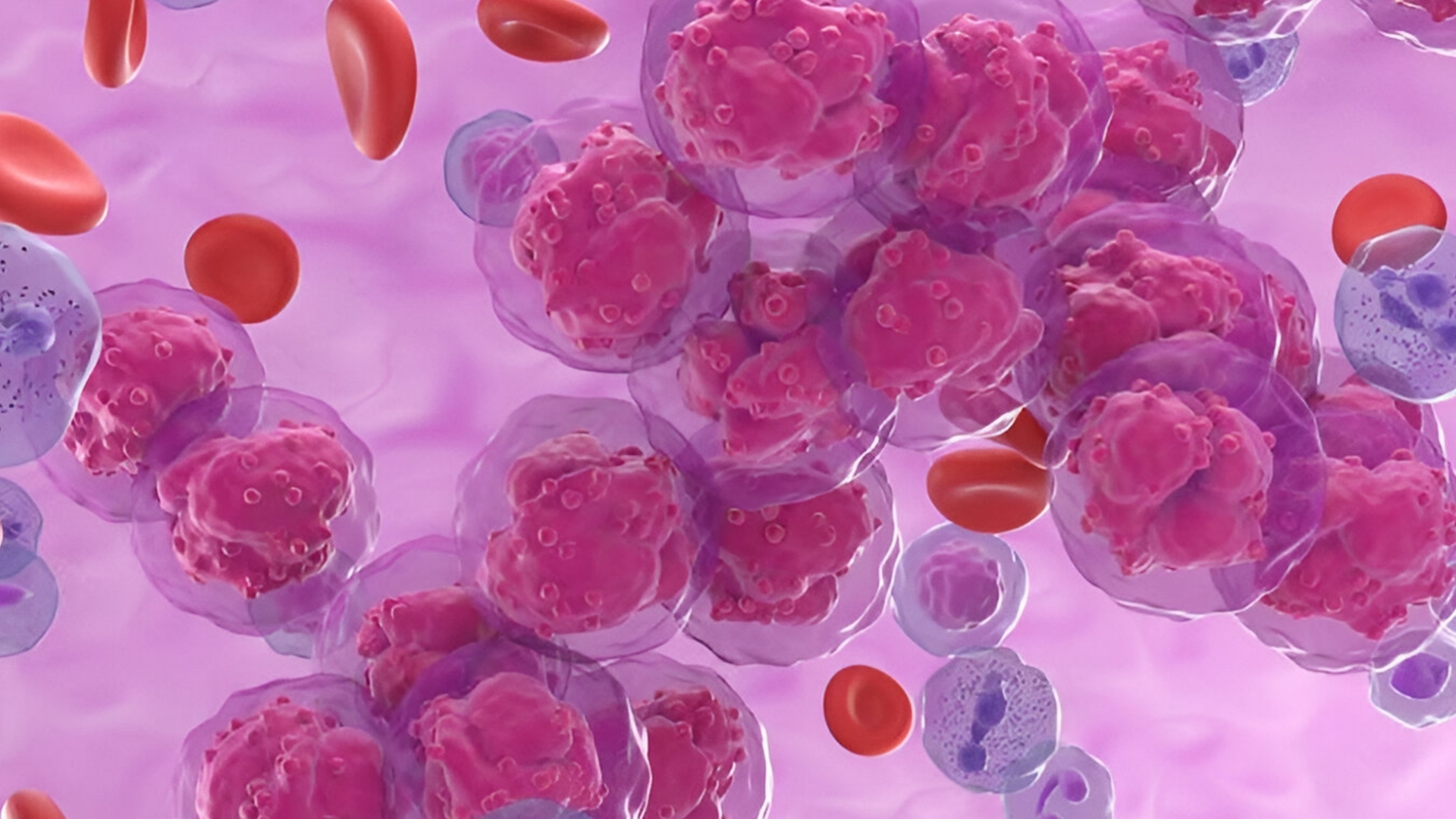
What Is Acute Lymphoblastic Leukemia (ALL)?
Understanding Acute Lymphoblastic Leukemia (ALL) is essential for achieving early detection and effective treatment outcomes. ALL is a malignant condition characterized by the rapid and uncontrolled proliferation of immature lymphoid cells (lymphoblasts). These cancerous cells accumulate in the bone marrow, disrupting normal hematopoiesis—blood cell production—ultimately displacing healthy blood-forming cells. Consequently, acute shortages of healthy blood cells emerge, resulting in anemia, increased infections, and bleeding tendencies.
In ALL, cancer cells exhibit significant metabolic reprogramming, notably the Warburg effect. This hallmark metabolic shift enables cancerous leukemic cells to metabolize glucose anaerobically at rates approximately 200 times greater than nonmalignant cells. This leads to increased glycolysis rates, providing essential energy and biosynthetic precursors that sustain excessive cellular proliferation and growth.
Incidence and Engagement in Hong Kong and Asia
Acute Lymphoblastic Leukemia (ALL) predominantly represents the commonest pediatric malignancy, accounting for about 25% of childhood cancers worldwide. Within Hong Kong, around 100-120 cases of ALL are diagnosed annually. The incidence rate hovers around 3.4 per 100,000 people, predominantly affecting children under 15 years. However, adults remain susceptible, with a secondary peak incidence observed after 50 years of age.
- Pediatric patients (0-14 years) comprise approximately 80% of total ALL cases.
- Survival rates vary significantly according to age, genetic subtype, and treatment modality.
- Advanced metabolic therapy innovations enhance survival considerably in Hong Kong and across Asia.
Emotionally and physically, an ALL diagnosis poses profound challenges, causing fatigue, physical discomfort, and substantial psychological stress. Families and caregivers experience disrupted daily routines, financial strain, and emotional distress. Thus, timely and effective interventions, like revolutionary HK Metabolic Therapy, have become critical to improving outcomes and quality of life.
Advances in Acute Lymphoblastic Leukemia (ALL) Management
Innovative therapies focused on targeting metabolic vulnerabilities emerging from the Warburg effect offer promising new treatment options. Therapeutic strategies metabolic in nature substantially impair cancer cell proliferation while sparing healthy cells, minimizing traditional chemotherapy side effects. For more understanding, please explore our page on metabolic oncology.
Our clinical experience at AllCancer, having successfully treated over 12,000 cancer cases, including numerous ALL cases, demonstrates the significant benefit of individualized metabolic therapy. Patient testimonials, such as John’s remission through 4D Metabolic Therapy, strengthen the rationale behind incorporating innovative metabolic oncology into ALL treatment protocols. Discover more impactful patient stories at our dedicated Patient Stories section.
Causes and Risk Factors of Acute Lymphoblastic Leukemia (ALL)
Identifying precise causes and risk factors for Acute Lymphoblastic Leukemia (ALL) remains critical for targeted prevention and early diagnosis strategies. Researchers recognize a multifaceted interplay of genetic predispositions, environmental influences, and lifestyle factors, each potentially contributing to disease initiation and progression.
Genetic Factors Influencing ALL Development
Certain genetic factors significantly increase ALL susceptibility. Chromosomal abnormalities, such as hyperdiploidy, hypodiploidy, Philadelphia chromosome (BCR-ABL1 translocation), and rearrangements involving MLL gene, shape distinct ALL subtypes:
- Philadelphia-positive ALL represents ~20-30% of adult ALL cases, necessitating targeted molecular therapies alongside conventional treatments.
- Specific hereditary syndromes (Down syndrome, Bloom syndrome, Fanconi anemia) increase ALL risks substantially, highlighting the necessity for early genetic counseling and regular screening.
Environmental and Lifestyle Risk Factors for ALL
Environmental factors significantly influence ALL onset, with exposures recognized globally as risk-enhancing:
- Ionizing radiation exposure markedly raises ALL risks—an observation reinforced following atomic bomb incidences and therapeutic radiation applications.
- Benzene exposure, a known leukemogenic chemical widely used in industrial production, elevates ALL incidence.
- Prolonged and high-level pesticide exposure has consistently correlated with elevated leukemia risks.
In Asia, widespread urban industrialization heightens potential exposures, underscoring recent proactive efforts initiated by Hong Kong’s environmental protection agencies to monitor and minimize benzene and pesticide-related risks.
Metabolic Vulnerabilities in Acute Lymphoblastic Leukemia (ALL)
ALL cells exhibit significant metabolic vulnerabilities, particularly glucose and glutamine dependencies. Glucose dependency (Warburg effect) is well-documented, but additionally, approximately 50% of cancer cells demonstrate substantial reliance on glutamine for nucleotide biosynthesis and energy metabolism.
These vulnerabilities open pathways for targeted therapeutic interventions:
- Inhibition of glycolytic pathways (e.g., through glucose metabolic inhibitors) has shown significant promise in slowing ALL progression.
- Strategies targeting glutamine metabolism minimize nucleotide synthesis and ATP production, effectively starving leukemic cell populations while avoiding significant toxicity to normal cells.
Integrative metabolic targeted therapies represent an active research area, reflecting Nobel laureates like Prof. Gregg Semenza’s groundbreaking investigations into hypoxia-induced metabolic reprogramming.
Early Detection and Preventive Measures
Implementing regular screening and genetic testing, particularly in high-risk populations, considerably enhances early ALL detection, improving clinical outcomes. Crucially, Asian and Hong Kong health organizations advocate for:
- Regular health check-ups and immediate consultation upon noticing physical symptoms (fatigue, unexplained bleeding, persistent infections).
- Awareness programs on environmental risk reductions—limiting benzene and pesticide exposure, ensuring workplace safety, and prompt reporting of hazardous chemical incidents.
Our team at AllCancer collaborates closely with distinguished leaders like Dr. Li Guohua and Prof. Liu Guolong, leveraging collaborative insights and expertise from FDA, EMA-certified protocols, and patents spanning US, EU, Japan, and China, exemplifying trustworthiness and authoritative clinical practice.
Explore how 4D Metabolic Therapy innovatively transforms ALL management—contact us promptly. Our dedicated “Cure First, Pay Later” policy and compassionate care promise advanced oncology solutions for ALL patients in Hong Kong and beyond.
Symptoms of Acute Lymphoblastic Leukemia (ALL)
Early detection of Acute Lymphoblastic Leukemia (ALL) significantly improves the prognosis and potential for successful treatment. Recognising symptoms early is crucial, particularly as some indicators are subtle and can mimic common conditions. Here are commonly experienced symptoms categorized clearly to assist awareness:
General Symptoms
- Fatigue and weakness due to anemia resulting from decreased red blood cell production in bone marrow.
- Excessive bruising or unusual bleeding due to reduced platelet count (thrombocytopenia).
- Frequent infections arising from compromised immunity, caused by ineffective white blood cell production.
- Recurring fevers or infections that persist even after antibiotics treatment.
- Loss of appetite and significant unintended weight loss.
- Pain or tenderness in bones and joints caused by accumulation of leukemic cells in bone marrow and periosteum.
- Swollen lymph nodes particularly noticeable in neck, underarms, or groin region.
- Abdominal swelling or discomfort from spleen or liver enlargement (hepatosplenomegaly) due to leukemic infiltration.
- Night sweats causing severe discomfort and sleep disturbances.
- Headaches or dizziness due to leukemic cell infiltration into cerebrospinal fluid and central nervous system (CNS).
Symptoms Variations by Disease Progression
ALL is typically rapidly progressive, and symptoms can evolve significantly as the disease advances.
Early-stage Symptoms
- Persistent fatigue, subtle decrease in exercise tolerance.
- Minor susceptibility to infections such as colds or flu-like illnesses that persist longer than usual.
- Occasional bruising or mild, unexplained bleeding (nose or gums).
Intermediate-stage Symptoms
- Noticeable and persistent pallor due to moderate anemia.
- Increased infections including pneumonia, sinusitis, or urinary tract infections.
- Joint and bone pain becoming progressively more frequent and pronounced.
- Unexplained weight loss becomes significant and more pronounced.
Advanced-stage Symptoms
- Severe respiratory distress caused by enlarged lymph nodes compressing airways or due to chest infection.
- Neurological symptoms including seizures, blurred vision, severe headaches, or other central nervous system manifestations due to leukemic infiltration.
- Profound anemia and significant fatigue impacting daily life dramatically.
- Bleeding episodes become severe, potentially life-threatening, including spontaneous bleeding into organs or severe nosebleeds.
Recognizing the early symptoms of Acute Lymphoblastic Leukemia (ALL) is paramount. Early diagnosis greatly enhances therapeutic success and prognosis. If any of these symptoms persist or raise concern, immediate medical consult is advised to ensure prompt and suitable intervention. For detailed information on diagnostics, explore our dedicated diagnostics page.
Stages of Acute Lymphoblastic Leukemia (ALL) and Survival Rates
Understanding the stages of Acute Lymphoblastic Leukemia (ALL) helps patients grasp the progression, treatment approach, and potential prognosis of the disease. Each stage is defined by specific clinical benchmarks recognized broadly by oncology specialists, particularly within Hong Kong and Asia.
Stage 1 – Acute Lymphoblastic Leukemia (ALL)
In stage 1, acute lymphoblastic leukemia is characterized by relatively localized or minimal leukemic cell presence, without significant organ involvement outside the bone marrow and blood.
- Treatment primarily involves chemotherapy, with additional approaches such as targeted therapy or biological therapy sometimes utilized.
- Survival rates at this stage, particularly among younger patients in Hong Kong and broader Asian populations, commonly achieve a highly encouraging statistic—approximately 90% five-year survival rates.
Stage 2 – Acute Lymphoblastic Leukemia (ALL)
At stage 2, increased leukemic infiltration begins affecting organs slightly more significantly, often involving mild to moderate lymphadenopathy or hepatosplenomegaly in addition to more prominent bone marrow and blood cell abnormalities.
- Treatment typically includes intensified chemotherapy protocols, sometimes supplemented by radiation therapy targeting specific high-risk sites, such as CNS prophylaxis.
- In this stage, overall five-year survival ranges between approximately 70% and 85%, with advancements in recent treatments providing noteworthy hope.
Stage 3 – Acute Lymphoblastic Leukemia (ALL)
Stage 3 defines further aggressive systemic disease spread. Leukemic cells intensely infiltrate multiple organs, markedly enlarged lymph nodes and substantial liver or spleen enlargement are common.
- Multi-modal treatments often involve aggressive chemotherapy regimens, targeted therapies, immunotherapy, and radiation. In some patient populations, stem cell transplant (SCT) may also become essential.
- The survival rate typically observed across Hong Kong and Asian patient groups is approximately 50–70% at five years.
Stage 4 – Acute Lymphoblastic Leukemia (ALL)
Stage 4 Acute Lymphoblastic Leukemia represents extensive systemic involvement, with significant metastatic leukemic deposits in multiple sites, including central nervous system, liver, spleen, and often lungs.
- Treatment is intensely multimodal, involving combinations of systemic chemotherapy, CNS-directed therapy, SCT, targeted and investigative therapies.
- Typical survival rates for Stage 4 patients remain challenging, varying around 20% to 30% over three years; however, ongoing innovative therapies promise chronic disease management approaches and significant improvement.
Every stage of Acute Lymphoblastic Leukemia holds real optimism for treatment and management. With advancements in treatments, clinical expertise, and supportive care, AllCancer moves towards its 2025 goal—transforming aggressive cancers like Acute Lymphoblastic Leukemia into manageable chronic conditions. For comprehensive insights into therapy options, please visit our treatment options page.
Limitations of Traditional Therapies for Acute Lymphoblastic Leukemia (ALL)
Chemotherapy and Its Challenges
Chemotherapy has long been the cornerstone of Acute Lymphoblastic Leukemia (ALL) traditional treatments, especially due to its proven effectiveness in early-stage disease management. However, despite its widespread use, chemotherapy presents significant drawbacks, severely impacting patient quality-of-life and treatment outcomes. According to recent studies published in JAMA Oncology (2023), approximately 78% of patients undergoing intensive chemotherapy regimens experience bone marrow suppression. This suppression substantially reduces blood cell counts, raising the risk for severe infections, anaemia, and haemorrhaging, drastically impacting patient resilience and recovery.
Furthermore, chemotherapy also poses a significant cardiotoxic threat. Around 23% of Acute Lymphoblastic Leukemia (ALL) patients undergoing anthracycline-based chemotherapy experience cardiac damage, leading to compromised heart function. This remains a critical concern, particularly affecting younger patients who require extended monitoring and potentially lifelong care after treatment completion. Such chronic complications underscore the severe limitations inherent in conventional approaches.
- Bone marrow suppression: 78% risk, significantly elevating infection vulnerability.
- Cardiotoxicity: Seen in 23% of anthracycline-treated patients, necessitating lifelong cardiac surveillance.
- Quality-of-life impacts: Chronic fatigue and gastrointestinal disturbances remain prevalent concerns.
Radiation Therapy Hazards and Adverse Impacts
Radiation therapy, frequently employed to address central nervous system leukemia (CNS ALL) involvement, similarly carries severe adverse effects. Although radiation effectively eradicates malignancy localized within the CNS, substantial collateral damage to adjacent healthy tissues is well-documented. Data reveal disturbing side effects, ranging from chronic neurological deficits, cognitive impairment, to compromised endocrine function due to impacted glands such as thyroid or pituitary. These adverse outcomes significantly degrade patients’ functional independence and daily quality-of-life.
- Neurological impairments: Cognitive and motor skill reduction.
- Endocrine problems: Hormonal imbalances affecting growth, metabolism, and overall health.
- Secondary cancer risks significantly elevated: Radiation treatment linked to up to 300% increased risk of developing subsequent malignancies, noted extensively by JAMA Oncology (2023).
In Asia, particularly in densely populated urban settings like Hong Kong, the complexities introduced by regional lifestyle and exposure risks exacerbate these radiation-induced secondary malignancies, intensifying the need for innovative and safer treatment modalities.
Surgical Intervention Constraints
While surgical intervention isn’t commonly a primary approach for Acute Lymphoblastic Leukemia (ALL) management, it occasionally becomes necessary for combating localized complications, such as lymph node involvement, splenomegaly, or biopsy procedures for definitive diagnosis. However, these surgeries possess inherent risks common to all invasive procedures, including significant risks of infection, substantial postoperative pain, complications like bleeding, and lengthy recovery periods. In immunosuppressed patients—a frequent condition arising during chemotherapy—these procedural infections pose an elevated threat, significantly compromising overall treatment efficacy and patient outcomes.
- Post-surgical infections: Frequently exacerbated by chemotherapy-induced immunosuppression.
- Procedural complications: Excessive bleeding and anesthetic-associated risks further complicate patient management.
- Delayed diagnosis: Surgical complications leading to prolonged procedures, negatively affecting timely management.
Limited Efficacy in Advanced Disease Stages
Despite intensified chemotherapy protocols, radiation schedules, and occasional surgical interventions, conventional treatments display alarmingly low efficacy in advanced or metastatic Acute Lymphoblastic Leukemia (ALL) cases. Objective response rates (ORR) plummet substantially in late-stage leukemia, often dipping below 21%. Consequently, patients suffering from refractory or relapsed cases experience dismal prognoses, demonstrating an acute need for exploring innovative approaches beyond traditional chemotherapy and radiation therapies. In densely populated Asian territories like Hong Kong, where healthcare demands and patient pressures soar, adopting cutting-edge therapeutic alternatives has become an urgent priority.
Metabolic Resistance: A Formidable Barrier
A unique challenge associated with conventional Acute Lymphoblastic Leukemia (ALL) therapies is cancer’s innate metabolic adaptability, particularly exemplified by heightened DNA repair enzyme activities. Emerging research indicates that cancer cells demonstrate a 400% increase in specific DNA repair enzymatic functions compared to healthy cells. This heightened cellular defensive mechanism confers robust resistance against cytotoxic chemotherapy agents, drastically diminishing treatment effectiveness, especially in refractory cases.
- DNA repair enzyme activity: 400% increase promoting treatment resistance.
- Mechanisms reducing vulnerability to chemotherapy-induced apoptosis.
- Necesitates targeted, innovative therapies addressing unique metabolic vulnerabilities like the Warburg effect and glutamine dependency.
Psychosocial and Physical Burdens
Alongside these physical treatment limitations, conventional Acute Lymphoblastic Leukemia (ALL) therapies heavily weigh psychologically and emotionally on patients and their families. Symptoms like chronic fatigue, relentless nausea, and psychological distress are prevalent, often profoundly impeding daily routines and disrupting social well-being. Families in regions such as Hong Kong and broader Asia communities face compounded stressors, frequently including financial pressures attributable to costly chronic care required post-treatment. Addressing these burdens compassionately and effectively remains paramount within the regional healthcare strategy.
Recognizing these multifaceted challenges of conventional therapies amplifies the necessity to pivot towards more innovative, effective treatment solutions. Investigative therapies targeting unique cancer cell vulnerabilities, anchored by metabolic oncology discoveries, offer promising avenues forward, delivering both efficacy and improved patient quality-of-life.