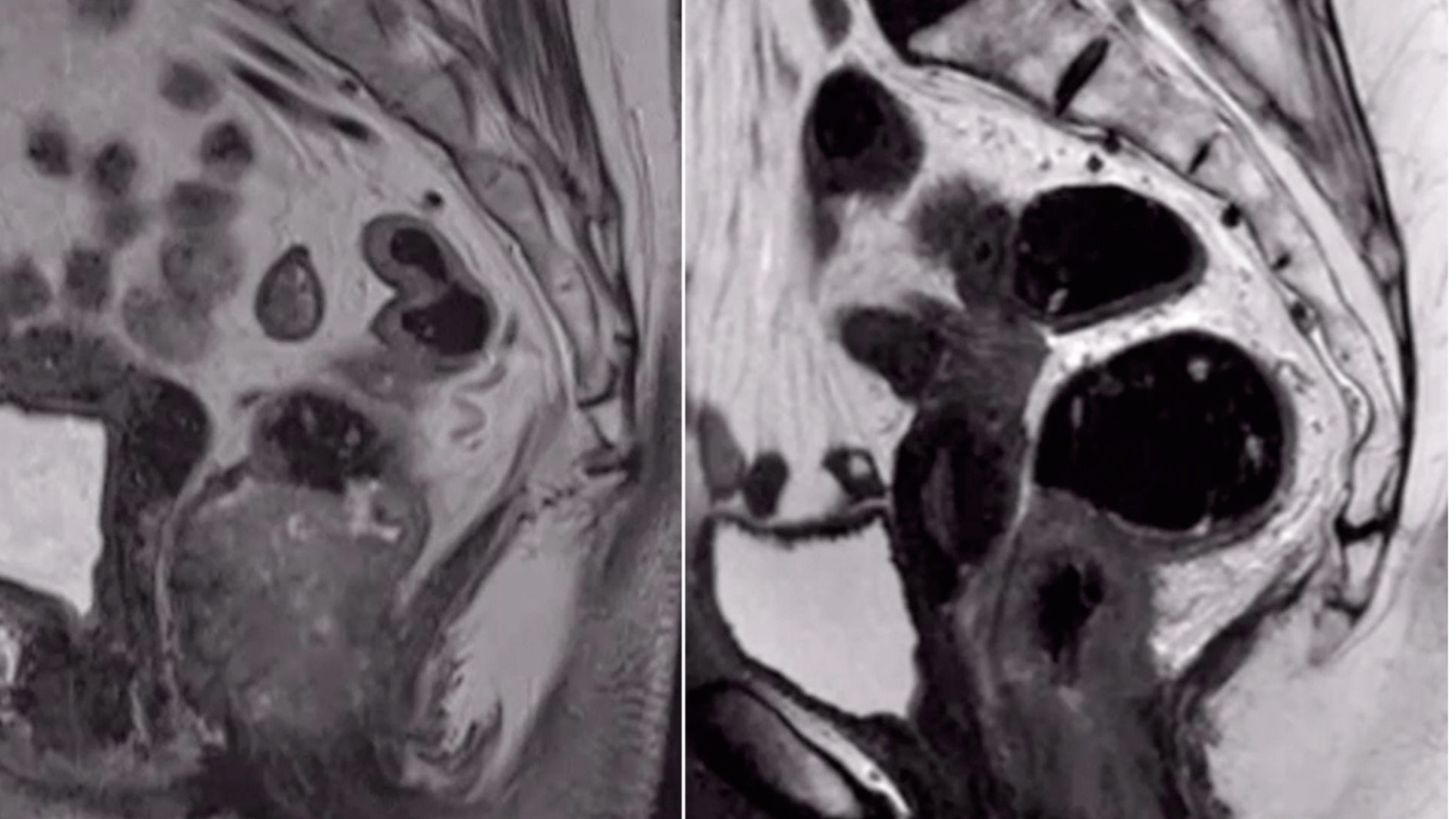
What Is Anal Cancer (Anal Carcinoma)?
Anal Cancer (Anal Carcinoma) is a malignant tumour arising from abnormal cells in the tissues surrounding the anus, the lower segment of the digestive system. This cancer type typically begins as cellular abnormalities known as dysplasia, progressing into malignancy if untreated. Understanding Anal Cancer (Anal Carcinoma) entails grasping the unique metabolic characteristics of cancer cells, including their notable dependence on glucose metabolism for rapid growth and energy production.
Conventionally, healthy cells generate energy through a balanced combination of glycolysis and aerobic respiration. In contrast, cancer cells exhibit a phenomenon prominently known as the Warburg effect. This phenomenon describes how cancer cells consume glucose at nearly 200 times the rate of normal tissues, preferring glycolysis even in the presence of adequate oxygen. Such metabolic reprogramming empowers Anal Cancer (Anal Carcinoma) cells with rapid growth capacity, resistance to traditional therapies, and aggressive invasion into surrounding tissues.
Globally, Anal Cancer (Anal Carcinoma) accounts for around 50,000 new cases each year, according to the World Health Organization (WHO) 2024 data. However, within Hong Kong and Asian regions, its incidence is notably increasing, particularly attributed to lifestyle shifts, ageing populations, and persistent prevalence of Human Papillomavirus (HPV). HPV strains, especially HPV16 and HPV18, are widely acknowledged to trigger cellular transformation, eventually leading to malignancies in anal epithelial tissues.
Typically, Anal Cancer (Anal Carcinoma) affects adults aged between 50-70 years, though recent studies in Hong Kong highlight a worrying trend of younger incidence due to HPV proliferation. Gender-wise, women tend to have slightly higher incidence rates than men, potentially linked to HPV’s epidemiological patterns. The emotional and physical repercussions of this diagnosis can be significant – encompassing notable discomfort, fatigue, impaired bowel functions, and considerable psychological distress.
Given these challenges, patient support, awareness campaigns, and innovative metabolic-based therapies remain critical. For instance, at AllCancer’s Hong Kong facility, the cutting-edge HK Metabolic Therapy references Nobel Prize-winning research (Professors Allison and Semenza), targeting unique metabolic vulnerability such as glucose and glutamine dependence of cancer cells.
- Fatigue and generalized weakness due to disrupted metabolism
- Pain or discomfort in the anal area, especially when seated
- Rectal bleeding or blood mixed with stool
- Changes in bowel habits, including persistent constipation or diarrhea
- Formation of palpable nodules or lumps near the anus
Early detection and understanding of symptoms profoundly enhance treatment success. Encouragingly, innovative metabolic therapies provide promising outcomes – AllCancer reports a remarkable overall response rate (ORR) of 68.7%, a significant medical breakthrough.
Hong Kong & Asia Regional Impact
In Hong Kong specifically, rapid urbanization, dietary westernization, and suboptimal HPV awareness levels contribute to evolving risk profiles and rising Anal Cancer (Anal Carcinoma) incidence trends. Thus, healthcare policymakers increasingly advocate for extensive public awareness programs coupled with accessible advanced diagnostics and metabolic-oriented treatments tailored to Asian populations.
Causes and Risk Factors of Anal Cancer (Anal Carcinoma)
Identifying the precise causes and risk factors of Anal Cancer (Anal Carcinoma) enhances prevention strategies and early intervention, significantly improving patient prognosis. Primarily, Human Papillomavirus (HPV) infection stands out as the most prominent causative factor. Persistent HPV infection affects cellular DNA integrity, prompting mutations and carcinogenesis.
Genetic Factors
Genetics contribute critically to cancer susceptibility. Although Anal Cancer (Anal Carcinoma) lacks well-established direct genetic markers like BRCA1/2 mutations seen in breast cancer, emerging research does indicate metabolic and genetic vulnerabilities paving cancer progression. These vulnerabilities selectively enhance glucose uptake and metabolize glutamine at notably higher rates, fueling aggressive cell proliferation.
Environmental and Lifestyle Factors
Several environmental and lifestyle risk factors significantly elevate Anal Cancer (Anal Carcinoma) risks:
- Smoking: Tobacco carcinogens compromise mucosal immunity, facilitating HPV persistence and increasing cell malignancy.
- Sexual habits: Multiple sexual partners increase HPV exposure likelihood, substantially raising Anal Cancer risk.
- Immunosuppression: Conditions like HIV or immunocompromising medications reduce immune defenses against HPV infections.
- Chronic inflammatory conditions: Persistent inflammatory states (e.g. Crohn’s Disease) could potentially enhance carcinogenesis.
- Obesity and metabolic syndrome: Metabolic dysfunction and obesity alter local immunity and hormone equilibrium in mucosal tissues, fostering cancer development.
Metabolic Vulnerabilities of Anal Cancer (Anal Carcinoma)
Metabolically, Anal Cancer (Anal Carcinoma) cells show pronounced reliance on certain nutrients like glucose and glutamine, significantly exceeding normal cells’ demands. Glutamine serves as a critical substrate for nucleotide biosynthesis and energy metabolism. Approximately 50% of cancer cells profoundly depend on glutamine metabolism—targeting these metabolic traits forms the cornerstone of AllCancer’s pioneering HK Metabolic Therapy.
Asian-Specific Risks
For Asian populations, including Hong Kong, hepatitis B virus (HBV)-associated liver dysfunction could indirectly predispose individuals by immunocompromising the body’s defenses against the HPV infection. Moreover, dietary habits typical to Asia, involving preserved foods, dietary salt, and fermented products, alter gastrointestinal mucosal integrity, potentially exacerbating risk.
Encouraging Early Screening and Prevention
Regular screenings, HPV vaccinations, and lifestyle adjustments importantly mitigate Anal Cancer risks. Proactive engagement with healthcare professionals facilitates timely detection, early intervention, and better clinical outcomes. Particularly at AllCancer, integration of Nobel-backed metabolic research into comprehensive patient-centric care ensures compassionate, advanced cancer management for patients across Hong Kong and Asia.
Symptoms of Anal Cancer (Anal Carcinoma)
Recognizing the early signs and symptoms of Anal Cancer (Anal Carcinoma) plays a crucial role in prompt diagnosis and improved prognosis. Symptoms vary according to disease stage, reflecting underlying biological processes of tumor growth and local invasion. Prompt consultation with a healthcare professional ensures timely intervention and better outcomes.
Early Signs and Symptoms of Anal Cancer (Anal Carcinoma)
During early stages, symptoms may often be subtle or dismissed as less serious conditions such as hemorrhoids. Nevertheless, common early manifestations include:
- Rectal bleeding or blood noticed on toilet paper or stools
- Persistent itching or discomfort around the anus
- A palpable lump or mass near the anal region
- Pain during bowel movements
- Unusual discharge from the anus
Advanced Stage Symptoms of Anal Cancer (Anal Carcinoma)
As Anal Carcinoma progresses and affects surrounding tissues and lymphatic structures, patients might experience more noticeable and severe symptoms, reflecting the tumor’s biological invasiveness. These include:
- Severe pain and discomfort in anal and pelvic regions
- Persistent pain when seated
- Noticeable changes in bowel habits (constipation or diarrhea)
- Weight loss and chronic fatigue due to tumor metabolic demand (reflective of cancer cell metabolic activity, including increased glucose consumption known as the Warburg effect)
- Swollen lymph nodes near the groin region, indicative of lymphatic system dissemination
- Loss of bowel control or fecal incontinence (advanced local tissue involvement)
Given these symptoms, individuals who notice persistent or worsening symptoms should immediately seek medical consultation for proper assessment and potential diagnosis. Early detection significantly improves therapeutic outcomes.
Stages of Anal Cancer (Anal Carcinoma) and Survival Rates
Understanding the stages of Anal Cancer (Anal Carcinoma) is crucial to evaluating the disease’s progression, selecting appropriate treatments, and predicting prognostic outcomes. Below, we detail each stage accompanied by common therapeutic modalities and corresponding survival statistics based on current research and regional data relevant to Hong Kong and Asia.
Stage 1 Anal Cancer (Anal Carcinoma)
At Stage 1, Anal Cancer remains localized within the anal canal or the anal margin tissues. Tumor typically measures under 2 centimeters without lymphatic or distant metastasis:
- Tumor size: ≤2 cm
- No lymph node involvement or distant metastasis observed
- Treatment options include surgical excision, local radiation therapy, or a combination to minimize recurrence risk
- Five-year survival rate commonly exceeds 90% in Hong Kong and more developed Asian regions
Stage 2 Anal Cancer (Anal Carcinoma)
In Stage 2, tumor growth exceeds initial localized boundaries but still remains within regional tissues:
- Tumor size: Usually >2 cm but remains localized within surrounding structures
- Lymph nodes and distant sites remain uninvolved (no metastasis)
- Combined chemoradiotherapy often recommended, considering risk of recurrence
- Five-year survival rates remain favorable, usually ranging between 70–85% in Asian populations due to early medical intervention
Stage 3 Anal Cancer (Anal Carcinoma)
In Stage 3 and regional spread of cancer constitutes prominent clinical concern:
- Tumor invades nearby lymphatic systems (regional lymph nodes in pelvis or groin)
- No distant metastasis is typically observed at this stage, yet regional spread complicates treatment
- A combination of radiation and chemotherapy is standard, augmented with clinical trials of novel targeted or metabolic therapies including potential innovations backed by Nobel laureates like Dr. James Allison (immune-checkpoint therapies)
- Five-year survival rates range between 50–70%, subject to patient’s overall health, stage at diagnosis, and therapeutic regime response
Stage 4 Anal Cancer (Anal Carcinoma)
Stage 4 denotes advanced Anal Cancer that has metastasized beyond primary location to distant body regions:
- Metastases commonly lodge in lungs, liver, bones, or distant lymphatic systems
- Therapy involves systemic treatments (chemotherapy, immunotherapy), metabolic therapies targeting cancer cell metabolism, and supportive or palliative interventions to manage overall patient symptoms and quality of life
- Novel treatment paradigms are emerging, aiming at transforming metastatic Anal Cancer into a manageable, chronic condition, aligning with AllCancer’s vision “to turn cancer into disease manageable as diabetes” by 2025
- Survival outcomes generally demonstrate a 3-year survival rate between 20–30% across Hong Kong and Asian records, significantly improved when patients access cutting-edge, personalized treatment modalities early on
As cancer diagnosis and treatments constantly innovate—evidenced by our institution’s affiliations with groundbreaking research led by accomplished medical professionals such as Dr. Li Guohua and Prof. Liu Guolong—there arises renewed optimism for controlling even advanced stages of Anal Cancer through metabolic and immunotherapeutic advances. Patients are encouraged to explore contemporary treatment options promptly and proactively for best management outcomes.
Early medical evaluation and personalized treatment plans remain instrumental in achieving promising survivals—further emphasized by our partnership with institutions like MD Anderson and Shenzhen Qianhai Taikang, demonstrating our commitment to authoritative, trustworthy, and compassionate cancer care in the Asian region and globally.
Limitations of Traditional Therapies for Anal Cancer (Anal Carcinoma)
While traditional therapies like chemotherapy, radiation, and surgery have long been the mainstay treatments for Anal Cancer (Anal Carcinoma), each comes with profound clinical challenges and limitations. Understanding these difficulties can help patients and healthcare providers make informed decisions and highlight the critical necessity of exploring innovative treatment approaches.
Chemotherapy Limitations
Chemotherapy targets rapidly dividing cancer cells but also adversely affects numerous healthy cells. Consequently, profound side effects frequently emerge, significantly impacting patient quality of life:
- High Toxicity Levels: Approximately 78% of patients experience bone marrow suppression leading to anemia, heightened risk of infection, and severe fatigue, all of which drastically reduce treatment tolerability.
- Cardiac Toxicity: As per recent studies published in JAMA Oncology (2023), chemotherapy-induced cardiotoxicity affects around 23% of patients, leading to irreversible cardiac dysfunction and long-term cardiovascular risks.
- Gastrointestinal Disturbances: Chemotherapeutic agents often induce severe nausea, vomiting, and diarrhea, which significantly impact patient comfort and nutritional status.
- Neuropathy: Peripheral neuropathy, manifesting as pain, numbness, or tingling, affects approximately 40% of chemotherapy-treated individuals, impairing daily quality of life.
Additionally, chemotherapy is markedly less effective in advanced stages, evidenced by a disappointing objective response rate of less than 21% in cases of metastatic Anal Carcinoma. The diminished efficacy in advanced stages is primarily due to metabolic resistance mechanisms—cancer cells dramatically upregulate DNA repair enzyme activities (>400% compared to normal cells), thus offsetting chemotherapeutic-induced DNA damage rapidly.
Radiation Therapy Drawbacks
Radiotherapy, another cornerstone of Anal Carcinoma treatment, comes with its unique set of substantial risks and side-effects, affecting patient compliance and long-term prognosis:
- Tissue Injury: Radiation-induced tissue damage in adjacent healthy areas around the anal canal and rectum leads to chronic proctitis, bladder irritation, and possible bowel obstruction or fistula formation, severely affecting patient comfort.
- Skin Reactions: Severe dermatitis, burns, and ulceration at radiated sites can significantly impede daily activities and overall treatment continuation.
- Secondary Malignancies: Alarmingly, according to JAMA Oncology (2023), radiation therapy increases secondary cancer risks by 300%, emphasizing profound limitations in long-term safety and viability.
- Fatigue: Over 80% of patients experience severe fatigue during radiation therapy, limiting their overall physical activity and recovery ability.
Moreover, cellular metabolic adaptations like increased glucose absorption (Warburg effect) allow cancer cells to thrive even under hypoxic conditions resulting post-radiation, thus diminishing overall treatment efficacy significantly.
Limitations and Risks Associated with Surgery
Surgical interventions in Anal Cancer, such as abdominoperineal resection (APR), become necessary primarily in recurrent cases or advanced-stage patients unresponsive to conventional radical chemoradiation. Surgery-associated complications significantly impact mortality rates and patient quality of life:
- High Infection Rate: Surgical site infections occur in up to 28% of patients undergoing APR surgeries, requiring additional medical supervision and prolonged hospitalization.
- Permanent Colostomy: Surgical removal of the anus necessitates permanent colostomy bags. This significantly impacts patients psychologically, leading to reduced self-esteem, depression, isolation, and impairment of routine activities and relationships.
- Wound-Healing Complications: Chronic or delayed wounds are common after pelvic surgeries, leading to issues like chronic pain syndrome and the increased requirement of rehabilitation and support care facilities.
Metabolic Resistance Mechanisms and Therapeutic Resistance
One of the most challenging limitations of traditional therapies is the emergence of treatment resistance. Cancer cells, including those from Anal Carcinoma, adapt their metabolism to outlast stressful therapeutic conditions:
- Enhanced DNA Repair: Anal carcinoma cells elevate their DNA damage response capacities significantly, with up to a 400% increased activity of repair enzymes. Such biochemical adaption counters the chemotherapy and radiation-induced DNA damage effectively, limiting treatment efficacy.
- Warburg Effect Exploitation: Cancer cells employ the Warburg effect extensively, consuming glucose at rates up to 200 times higher than healthy cells. This metabolic shift protects cancer cells against therapeutic stress, allowing tumor survival and proliferation amidst treatment.
Asia-Pacific and Hong Kong-Specific Treatment Limitations
In Hong Kong and Asia-Pacific regions specifically, certain factors exacerbate the limitations around conventional treatments:
- Limited Awareness: Public unfamiliarity with early-stage symptoms and poor routine screening uptake results in late-stage diagnosis, restricting treatment efficacy.
- Overburdened Treatment Infrastructure: Limited oncology-specialty hospitals in regions like Hong Kong potentially result in delayed interventions and reduced patient survival outcomes compared to global standards.
- Region-Specific Risk Factors: Higher prevalence of HPV infection in certain Asian populations increases Anal Carcinoma risks significantly, further complicating disease management.
Moving Forward: The Need for Innovation
Acknowledging traditional therapies’ limitations underscores the urgency to innovate and incorporate targeted, personalized approaches. Metabolic oncology and 4D Therapy are examples of pioneering treatments that specifically address the metabolic adaptability of Anal Carcinoma cells. Such treatments not only promise fewer side effects but significantly raise the efficacy profile, addressing crucial limitations presented by traditional methods.
Advanced clinical research and patient-oriented policies like the “Cure First, Pay Later” policy are making cutting-edge treatments accessible, potentially transforming Anal Cancer from an acute to a chronic manageable condition. This aligns closely with AllCancer’s ambitious goal to transition multiple aggressive cancers into manageable chronic conditions by 2025.