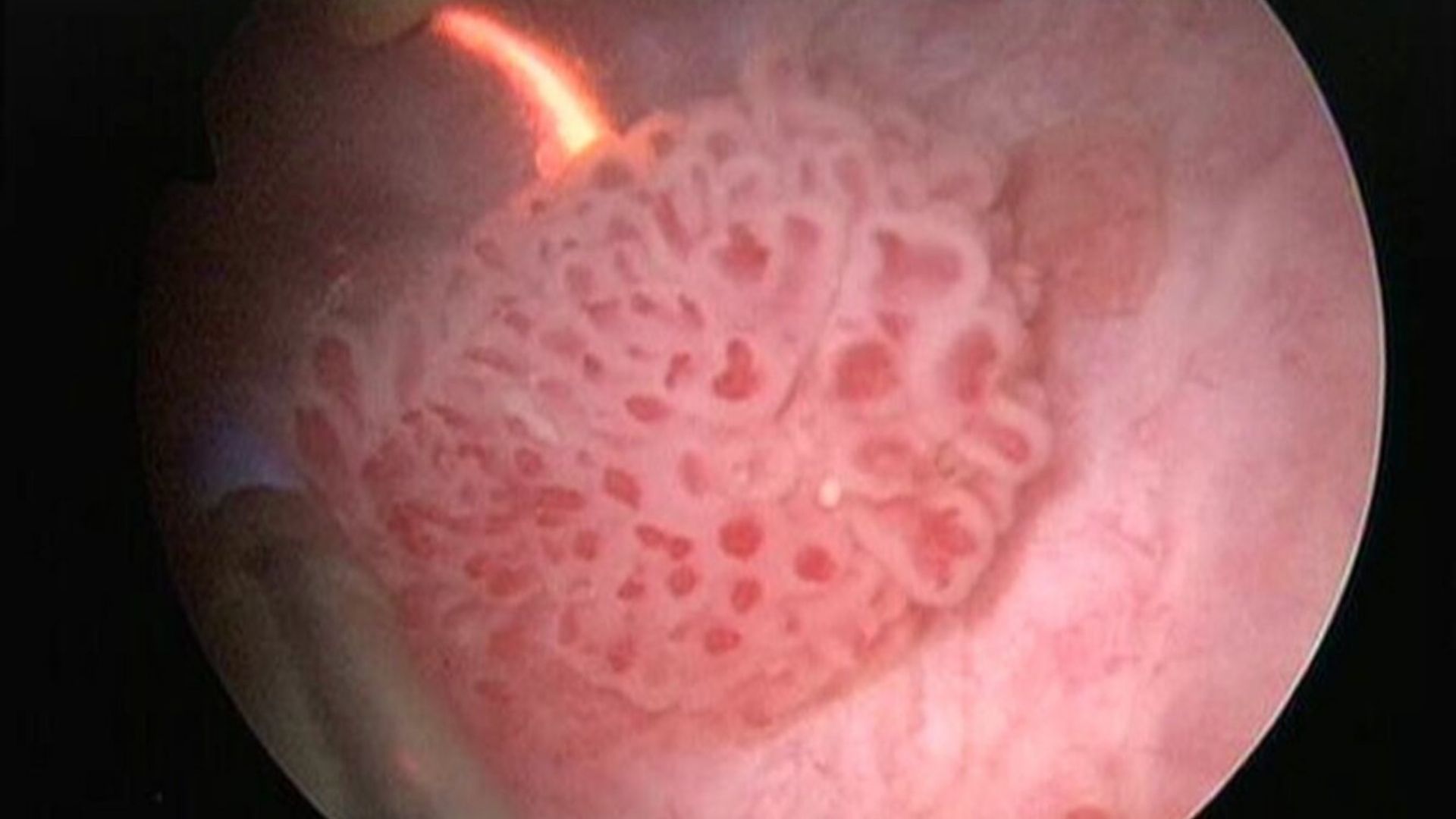
What is Bladder Cancer (Urothelial Carcinoma of the Bladder)?
Bladder Cancer (Urothelial Carcinoma of the Bladder), commonly referred to as urothelial carcinoma, originates in the urothelium, the innermost lining of the bladder. This type comprises over 90% of all bladder cancers globally, representing a pivotal health challenge, especially in densely populated regions including Hong Kong and Asia.
At the biological level, urothelial carcinoma exhibits hallmark characteristics, notably an abnormal dependency on glucose metabolism through processes like glycolysis, even with sufficient oxygen availability—known as the Warburg effect. Specifically, bladder cancer cells are observed to consume glucose at rates nearly 200 times faster than normal cells, providing potential targets for innovative metabolic therapies.
Globally, bladder cancer impacts millions annually. According to the World Health Organization (WHO, 2024), approximately 573,000 new cases of bladder cancer are diagnosed every year, and the disease accounts for over 212,000 deaths annually. These alarming statistics underline the urgent need for improved understanding and therapeutic approaches, particularly within high-incidence regions like Hong Kong.
Affected Populations and Regional Trends in Hong Kong and Asia
Bladder Cancer (Urothelial Carcinoma of the Bladder) typically affects adults above the age of 55, with peak incidence in individuals beyond the age of 70. Men are diagnosed three to four times more frequently than women, illustrating a clear gender predisposition.
In Asia, particularly in Hong Kong, bladder cancer incidence is notably influenced by environmental, genetic, and lifestyle factors. Studies conducted by respected researchers such as Dr. Li Guohua and Prof. Liu Guolong highlight particular regional risk factors. Smoking habits and exposure to environmental toxins significantly elevate the likelihood of developing the disease in urban areas like Hong Kong.
- Hong Kong sees approximately 1,200 new bladder cancer diagnoses annually.
- Increasing urban pollution and tobacco consumption remain key factors in anxious epidemiological trends.
- Occupational exposure, particularly to chemicals and dyes relevant to textile and leather industries, correspondent with higher incidence rates.
Emotional and physical impact for affected individuals are profound, encompassing chronic pain, severe fatigue, urinary dysfunction, and significant psychological burdens including anxiety and depression. Understanding such challenges promotes compassion and support among healthcare providers and caregivers.
Biological Basis of Urothelial Carcinoma and Metabolic Abnormalities
The tumor characteristics defining bladder cancer center predominantly around abnormal cellular metabolism. This distinctive metabolic trait, termed the Warburg effect, has extensive implications for cancer progression, survival, therapy resistance, and treatment outcomes. Urothelial carcinoma cells increasingly rely on aerobic glycolysis, resulting in extensive lactate production and acidification of tumor microenvironments.
- Enhanced expression of glycolytic enzymes, including hexokinase 2 and lactate dehydrogenase (LDH).
- Possesses increased uptake of glucose tracer fluorodeoxyglucose (FDG), used in diagnostic imaging (PET scans).
- Significant enhancements in glucose transporter (GLUT1) expression levels, markers linked with poor prognosis and cancer advancement.
Understanding these metabolic abnormalities has empowered researchers at institutions like AllCancer and MD Anderson Cancer Centre to develop novel, metabolism-targeted therapies, taking advantage of this metabolic vulnerability.
AllCancer’s Commitment to Transformation in Treatment
At AllCancer, scientific collaborations with global leaders like Nobel laureates Dr. James Allison and Dr. Gregg Semenza have allowed revolutionary breakthroughs in metabolic oncology. The pioneering 4D Therapy demonstrates significant potential in turning bladder cancer into a manageable chronic illness, aligning with AllCancer’s ambitious goal to make over 20 cancer types chronic by 2025.
Explore groundbreaking metabolic oncology techniques developed alongside global oncology leaders.
Causes and Risk Factors of Bladder Cancer (Urothelial Carcinoma of the Bladder)
Genetic Factors in Bladder Cancer
Genetic predispositions significantly heighten risks for bladder cancer. Genetic mutations related to oncogenes and tumor suppressors such as FGFR3 and p53 are known drivers. While prominent mutations common in breast (BRCA1/2) and lung cancer (EGFR, ALK) are less prevalent, bladder cancer shows distinct mutations in RB1, PIK3CA, and TERT promoter regions.
Environmental Factors
Exposure to hazardous substances represents a substantial risk. Bladder cancer patients often have histories of prolonged exposure to industrial chemicals like benzidine and beta-naphthylamine, predominantly in the dye and rubber industries. Occupational exposure risks remain concerningly high in rapidly industrializing Asian nations.
- Persistent arsenic contamination in drinking water associated with increased regional prevalence.
- Regional exposure trends, notably industrial cities such as Guangzhou, Shenzhen, and Hong Kong.
Lifestyle Factors and Metabolic Vulnerabilities
Lifestyle habits are integral risk components. Tobacco consumption remains the leading avoidable cause of bladder cancer, with smokers having substantially higher risks of developing urothelial carcinoma. Additionally, metabolic vulnerabilities such as dependence on glucose and amino acid glutamine further highlight lifestyle baseline impacts; obesity and high sugar-diet consumption correlate strongly with increased bladder cancer susceptibility.
- Up to 50% of cancer cells in bladder cancer depend heavily on glutamine supplementation.
- High-sugar diets fuel bladder cancer cell proliferation via the Warburg effect.
Asian-specific Risks and Preventive Measures
In Asia-Pacific regions, unique contextual factors drive bladder cancer epidemiology. Hong Kong and East Asian populations have distinctive genetic markers, dietary habits, and environmental exposures necessitating tailored prevention strategies. Early screening, avoidance of tobacco products, reduction in chemical exposure, and maintaining optimal metabolic health remain central preventive pillars.
Book your consultation now: Discover how AllCancer transforms lives through HK Metabolic Therapy and 4D Therapy for Urothelial Carcinoma.
Symptoms of Bladder Cancer (Urothelial Carcinoma Of The Bladder)
Understanding the symptoms of Bladder Cancer (Urothelial Carcinoma Of The Bladder) can lead to an earlier diagnosis, significantly improving the treatment outcomes and quality of life. Initially, symptoms might be subtle and often mistaken for common urinary tract issues. Nevertheless, recognizing specific early warning signs can prompt timely consultations and interventions.
Common symptoms of Bladder Cancer (Urothelial Carcinoma Of The Bladder) include:
- Hematuria: Blood in the urine, often painless, is the most common symptom. It can appear bright red, burgundy, or brown.
- Frequent urination: A notable increase in the need to urinate without clear infection or obvious cause.
- Painful urination: Discomfort or burning sensation during urination.
- Urgency: Sudden, frequent, and intense urges to urinate, even when the bladder is empty.
- Pelvic Pain: Persistent lower abdominal or pelvic discomfort.
- Back Pain: Lower back pain can emerge if cancer affects nearby tissues or metastasizes.
Stage-specific symptoms:
Symptoms can differ across stages, and vigilant response can positively impact prognosis:
- Early stages (Stages 1-2): Blood in the urine, increased frequency, urgency, mild discomfort during urination.
- Advanced stages (Stages 3-4): Persistent pelvic pain, significant blood clots in the urine, loss of appetite, unexplained weight loss, fatigue, pain radiating to adjacent organs or lymph nodes.
These symptoms reflect the underlying pathology of Bladder Cancer (Urothelial Carcinoma Of The Bladder), particularly its location and invasive nature. For instance, hematuria arises as abnormal blood vessels disrupt normal urothelial layers during rapid cancer cell proliferation. Pain and increased urinary urgency may reflect irritation and inflammation of the bladder lining.
Early detection significantly improves outcomes. If you experience these symptoms persistently or recurrently, it is vital to seek specialist consultation immediately for detailed evaluation and prompt diagnosis. To learn more about diagnosing and screening methods, visit our diagnostics page.
Stages of Bladder Cancer (Urothelial Carcinoma Of The Bladder) and Survival Rates
Understanding the stages of Bladder Cancer (Urothelial Carcinoma Of The Bladder) helps professionals and patients develop clearer expectations of prognosis and treatment choices. Staging is based primarily on how deeply cancer has invaded bladder tissue and whether it has spread regionally or remotely.
Stage 1 – Bladder Cancer (Urothelial Carcinoma Of The Bladder)
Stage 1 is characterized by limited disease confined to the inner lining of the bladder without muscle penetration. Tumors can typically be superficial, small, and relatively non-invasive, benefiting immensely from early intervention.
- Treatment: Often includes TURBT surgery (Transurethral Resection of Bladder Tumor), possible employment of intravesical chemo or immunotherapy like Bacillus Calmette–Guérin (BCG).
- Survival rates: Stage 1 bladder cancer has an excellent prognosis, consistently exceeding 85–95% 5-year survival rates according to recent data from Hong Kong’s oncology registry and Asian epidemiology.
Stage 2 – Bladder Cancer (Urothelial Carcinoma Of The Bladder)
In stage 2, cancer cells infiltrate the muscular layer of the bladder wall but haven’t spread to surrounding tissues yet, marking a serious progression from superficial tumors to muscle-invasive malignancy.
- Treatment: Enhanced treatments include radical cystectomy (surgical removal of the bladder), partial cystectomy in specific cases, chemotherapy, and radiation therapy.
- Survival rates: Survival remains favorable, ranging between 70–85% five-year survival rates when timely, integrated treatment regimens commence.
Stage 3 – Bladder Cancer (Urothelial Carcinoma Of The Bladder)
Stage 3 tumors signify a more aggressive form that extends through muscle layers into adjacent tissues or regional lymph nodes. Prompt, multi-modal intervention aims to contain regional spread and improve prognosis.
- Treatment: Combination therapies, including radical surgery, intensive chemotherapy regimens, and targeted radiation protocols, are typically employed.
- Survival rates: The approximate five-year survival rate ranges from 50–65%, reflecting a still manageable prognosis yet highlighting the necessity and advantage of early interventions.
Stage 4 – Bladder Cancer (Urothelial Carcinoma Of The Bladder)
Stage 4 represents the most advanced condition, involving distant metastasis to lungs, liver, bones, or other vital organs, challenging conventional treatments and significantly affecting outcomes.
- Treatment: Management often involves systemic chemotherapy, precision metabolic therapies like those targeting glucose metabolism (Warburg effect), emerging immunotherapies approved by FDA and EMA, and personalized care protocols.
- Survival rates: Five-year survival rates vary widely from 15–30%, depending upon specific metastatic extent and response to novel systemic therapies. Encouragingly, recent innovations in metabolic oncology and immunotherapy have made the notion of turning advanced bladder cancer into a chronic, manageable condition increasingly realistic.
These survival rate statistics reflect vast data collected primarily from Asian and specifically Hong Kong patient registries. Furthermore, individual prognosis depends significantly upon early diagnosis, patient overall health, genetic aspects of the tumors, adherence to therapy, and access to innovative, Nobel Prize-winning therapeutic interventions increasingly offered throughout Hong Kong and Asia.
Treatment Options for Bladder Cancer (Urothelial Carcinoma Of The Bladder)
Effective management of Bladder Cancer (Urothelial Carcinoma Of The Bladder) involves a multidisciplinary approach tailored specifically to each individual’s diagnosis and overall health status. Current standard treatments include surgery, chemotherapy, radiation, immunotherapy, and an emerging class of metabolic therapies. Selecting appropriate treatment options depends significantly on disease staging, tumor genetics, and the patient’s medical conditions and preferences.
Surgical Therapies
For localized bladder cancer, surgical intervention is a cornerstone of treatment.
- Transurethral Resection (TURBT): Frequently performed for early-stage, non-muscle-invasive bladder cancer (NMIBC). This minimally invasive procedure involves the removal of tumors through the urethra.
- Radical cystectomy: Recommended for muscle-invasive bladder cancer (MIBC) and refractory NMIBC. This extensive surgery removes the bladder entirely and nearby lymph nodes, often followed by reconstructive urinary diversions.
In Hong Kong, advanced surgical techniques including robotic-assisted laparoscopic methods are increasingly utilized to minimize patient discomfort, reduce recovery time, and limit infection risks.
Chemotherapy Treatments
Chemotherapy is a widely utilized systemic treatment for advanced Bladder Cancer (Urothelial Carcinoma Of The Bladder):
- Intravesical chemotherapy: Administered directly into the bladder via catheter, such as mitomycin C, predominantly in early non-muscle-invasive cancers.
- Systemic chemotherapy: Platinum-based regimens with cisplatin or carboplatin, used frequently for metastatic disease or in combination with surgery for improved prognosis.
These regimens, although effective, can be associated with considerable side effects, demanding careful patient management, especially considering the typically older demographic in Hong Kong.
Radiation Therapy
Radiation therapy can serve multiple purposes in bladder cancer treatment:
- External Beam Radiation Therapy (EBRT): Utilized to target cancer cells directly to kill or control malignant growth.
- Trimodal Therapy (TMT): Combines TURBT surgery, chemotherapy, and radiation as an organ-preservation strategy in muscle-invasive bladder cancer patients who prefer avoiding radical cystectomy.
Advanced technologies such as intensity-modulated radiation therapy (IMRT) available in major treatment facilities in Hong Kong minimize radiation exposure to healthy tissues, improving patient quality of life significantly.
Immunotherapy and Targeted Therapies
Emerging as effective alternatives or adjuncts to traditional methods, immunotherapies such as checkpoint inhibitors (PD-1/PD-L1 inhibitors including pembrolizumab and atezolizumab) have revolutionized advanced bladder cancer therapy.
- Checkpoint inhibitors boost the body’s immune reaction against cancer cells, showing promising results particularly when traditional therapies fail.
- Molecular targeted treatments are being actively pursued based on genetic profiling of individual tumors.
Hong Kong leading oncology centers and collaborations with international research bodies are playing pivotal roles in adopting and developing these innovative therapies.
Metabolic Therapies Targeting Cancer Energetics
Novel metabolic therapies aiming specifically at the vulnerabilities of cancer cell metabolism are becoming increasingly significant:
- Glucose Metabolism Targeting: Leveraging the Warburg effect, therapies inhibit glucose transport proteins GLUT1/3, starving cancer cells preferentially reliant on high glucose metabolism.
- Glutamine Dependency: Approaches utilizing glutaminase inhibitors can block cancer cell metabolism, providing another powerful therapeutic avenue.
Significant research and clinical trials are occurring in Hong Kong and Asia, providing hope for less invasive, highly targeted, and patient-friendly treatments.
Limitations of Traditional Therapies for Bladder Cancer (Urothelial Carcinoma Of The Bladder)
Chemotherapy-Associated Challenges
While chemo remains a cornerstone, it’s often linked to severe side effects, with considerable implications for patient health and life quality:
- Bone marrow suppression—reported in approximately 78% of patients, increasing infection, bleeding, and anemia risks.
- Cardiotoxicity—approximately 23% incidence impacting heart functionality significantly in compromised patients.
- Debilitating side effects like profound nausea, peripheral neuropathy, and systemic fatigue severely restricting patients’ daily activities.
Radiation Therapy Drawbacks
Radiation therapy frequently induces troublesome complications:
- Damage to normal tissue adjacent to cancerous growths, leading to chronic pelvic discomfort and bowel or urinary dysfunction.
- Increased risk of secondary cancers induced by radiation treatment, with alarming increases noted by recent data analyses from sources like JAMA Oncology (2023).
Surgical Risks and Complications
Surgical approaches, especially radical cystectomy, involve significant risks:
- Postoperative infections, blood clots, and potential kidney dysfunction.
- Long-term impacts greatly affecting urination patterns and sexual function, impairing patients’ social and professional lives extensively.
Resistance Mechanisms in Cancer Cells
One limitation inherent to traditional therapies is their dwindling efficacy against cancer cells armed with potent resistance mechanisms:
- Increased activity of DNA repair enzymes up to 400%, allowing cancer cells to withstand chemo and radiation damage.
- Enhancement of efflux pumps and drug-metabolizing enzymes, directly impairing treatment responses.
Identifying metabolic vulnerabilities and exploiting them remains pivotal to obstacle breakthroughs in cancer resistance.
Given these constraints, the oncology community—particularly in dynamic regions such as Hong Kong—is emphasizing patient-centric care, innovative metabolic therapies, and technical advancements, offering brighter and significantly personalized management paths for Bladder Cancer (Urothelial Carcinoma Of The Bladder).