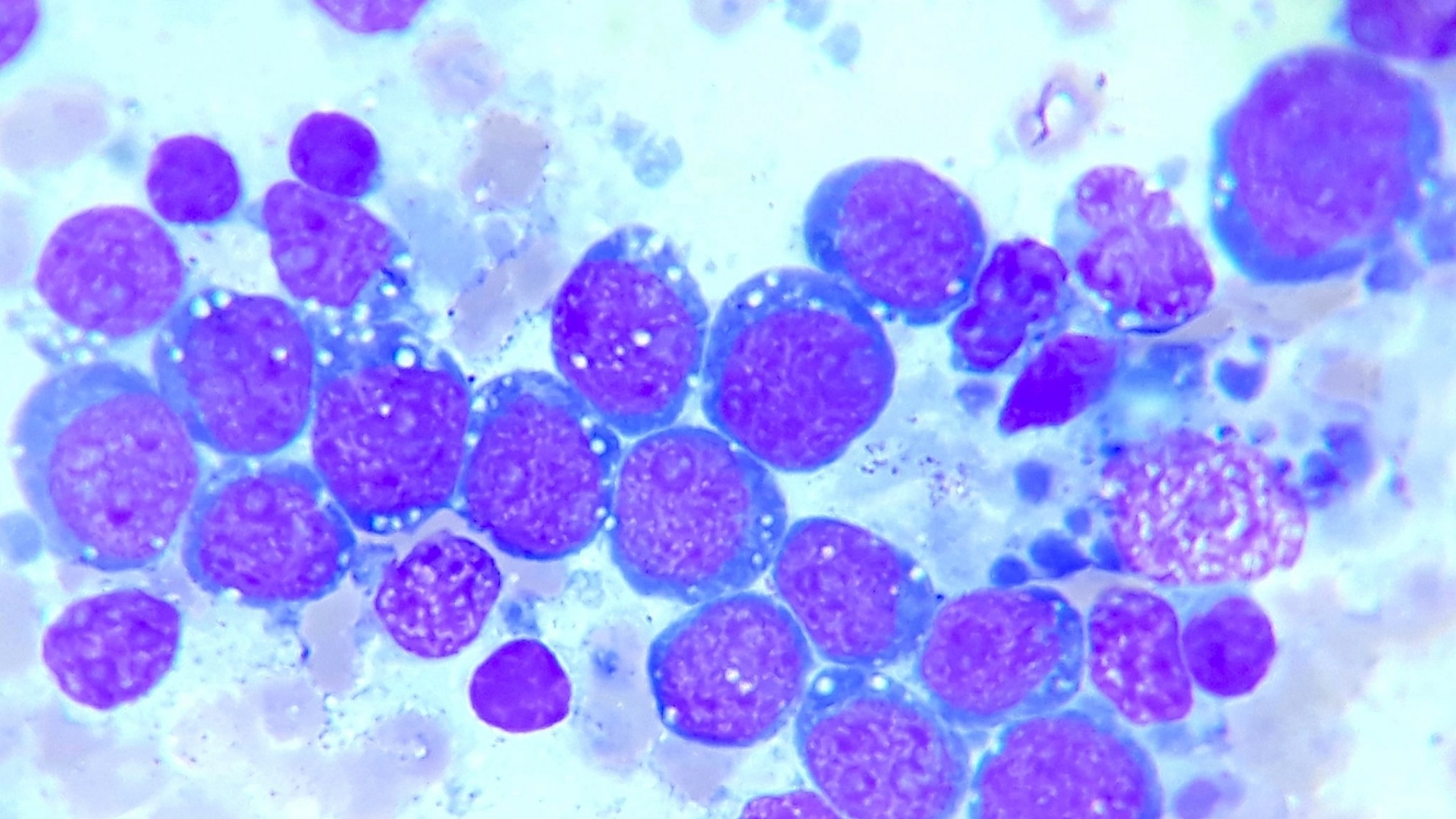
What Is Burkitt Lymphoma (B-Cell Non-Hodgkin Lymphoma)?
Burkitt Lymphoma (B-Cell Non-Hodgkin Lymphoma) is an aggressive type of cancer affecting the B-cells within the lymphatic system. Our understanding of this lymphoma has significantly evolved in recent years, particularly through our work at AllCancer, where advanced metabolic therapies are pioneering new pathways in treatment.
The disease originates from B-cells, a critical component of the immune system responsible for identifying and eliminating pathogens. In Burkitt Lymphoma, genetic mutations lead to uncontrolled cell division, a hallmark of malignancy. Consequently, cancerous B-cells proliferate rapidly, posing serious health risks if left untreated. The high proliferation rate of these cancer cells results in extreme glucose dependency, showcasing the famous Warburg Effect, where cancer cells consume glucose at up to 200 times the rate of normal cells.
The Biological Basis and Metabolic Vulnerabilities
At the core of understanding Burkitt Lymphoma is recognizing its unique metabolic traits. These cancerous cells largely depend on glucose metabolism both for energy and for synthesizing cellular building blocks needed for rapid proliferation. This distinct metabolic vulnerability, known as the Warburg Effect, defines Burkitt Lymphoma’s aggression and its susceptibility to metabolic therapies, including our Nobel-backed innovative 4D Metabolic Therapy at AllCancer.
- Glucose Dependency: Cancerous cells utilize aerobic glycolysis even in oxygen-rich environments, an inefficient yet rapid source of ATP, essential for rapid cell division.
- Glutamine Dependency: Besides glucose, these cancerous cells heavily depend on glutamine metabolism, chiefly for nucleotide biosynthesis.
- Metabolic Therapeutic Opportunities: Targeting these vulnerabilities offers significant therapeutic intervention points, as demonstrated in groundbreaking research by Nobel laureates Dr. James Allison and Prof. Gregg Semenza.
Burkitt Lymphoma Prevalence: Global and Asian Perspectives
Globally, Burkitt Lymphoma represents approximately 1-2% of adult lymphomas while accounting for about 30-50% of lymphomas in children. Central Africa experiences an endemic form due to the Epstein-Barr Virus (EBV) association. However, in Hong Kong and across Asian regions, Burkitt Lymphoma is typically sporadic and less directly correlated to EBV infection. Nevertheless, environmental and genetic factors specific to Asian demographics pose distinct challenges and opportunities for improved treatment and intervention.
- Asian-specific prevalence: Higher incidence in urbanized areas like Hong Kong due to changes in diet, lifestyle, and possible environmental exposures.
- Affected populations: Most common in pediatric populations, yet adult cases are increasing due to environmental factors.
- Impact in Hong Kong: Approximately 200 cases diagnosed annually, emphasizing the importance of specialized medical support in local oncology centers like AllCancer.
The emotional and physical impacts include fatigue, swelling of lymph nodes, abdominal distension from enlarged organs such as the spleen, night sweats, weight loss, and often psychological burdens due to the rapid onset and aggressive nature of the disease. Addressing these aspects through empathetic care, education, and groundbreaking metabolic treatments remains core to our mission at AllCancer.
Causes and Risk Factors of Burkitt Lymphoma (B-Cell Non-Hodgkin Lymphoma)
Identifying and understanding Burkitt Lymphoma causes and risk factors can significantly impact patient outcomes and inform preventive strategies. The underlying causes are complex, intertwining genetic predispositions, environmental exposures, and unique metabolic dependencies.
Genetic Causes and Predispositions
Burkitt Lymphoma often correlates with genetic abnormalities, particularly involving the MYC gene. A chromosomal translocation involving chromosome 8 and chromosomes 2, 14, or 22 leads to MYC overexpression, driving uncontrollable cell proliferation.
- MYC gene translocation: Present in approximately 90% of Burkitt Lymphoma cases.
- Inherited factors: While familial cases are rare, susceptibility genes may exist and require vigilance among close relatives.
- Immunodeficiency: Individuals with compromised immune systems (e.g., HIV/AIDS patients, organ transplant recipients) have increased risk.
Environmental and Viral Factors
Environmental exposures significantly contribute to sporadic Burkitt Lymphoma cases. Notably, viral associations such as Epstein-Barr Virus (EBV) play a critical etiological role particularly in endemic cases, while sporadic cases in Asia frequently exhibit distinct environmental origins.
- Epstein-Barr Virus (EBV): Particularly prominent in African endemic cases; about 20-30% association in sporadic Asian cases.
- Chemical exposure: Exposure to pesticides, heavy metals, and certain solvents has been identified as risk factors.
Lifestyle and Diet-Related Factors
Lifestyle can profoundly influence Burkitt Lymphoma risk, especially with dietary factors affecting metabolic pathways linked to cancer. Our research at AllCancer indicates lifestyle choices could alter metabolic vulnerabilities and significantly impact disease onset and progression.
- Dietary patterns: High sugar intake correlates with glucose-driven metabolism prevalent in cancer metabolism, exacerbating risks associated with Burkitt Lymphoma cell growth.
- Obesity: Obesity creates systemic inflammation, fostering micro-environments conducive to cancer cell proliferation.
- Alcohol intake and smoking: Though less directly linked compared to other lymphomas, these habits reduce immunity, indirectly increasing cancer susceptibility.
Early recognition, regular screening, and lifestyle modifications strongly mitigate these risks, thereby reducing the potential progression or even onset of Burkitt Lymphoma. AllCancer advocates proactive engagement by Asian communities through education, dedicated screenings, and advanced metabolic therapies.
Discover how 4D Therapy transforms Burkitt Lymphoma (B-Cell Non-Hodgkin Lymphoma) treatment. Book your consultation today for advanced, compassionate care at AllCancer.
Symptoms of Burkitt Lymphoma (B-Cell Non-Hodgkin Lymphoma)
Recognizing symptoms early is integral to an improved prognosis, leading to timely intervention and optimized outcomes. Given its rapid growth, Burkitt Lymphoma (B-Cell Non-Hodgkin Lymphoma) requires prompt medical attention upon symptom detection.
- Swollen lymph nodes, particularly around the neck, underarms, abdomen, or groin.
- Noticeable abdominal swelling or mass, usually resulting from enlarged lymph nodes or tumors inside the abdomen.
- Fever and night sweats persistently, suggesting systemic involvement.
- Unexplained rapid weight loss over a short time period.
- Fatigue and generalized weakness due to metabolic changes and excessive glucose consumption by cancerous cells (Warburg effect).
- Pain or discomfort commonly felt in the abdomen, which may result from tumor expansion and resultant pressure on organs.
- Loss of appetite, nausea, and gastrointestinal symptoms that contribute to weight loss.
- Symptoms related to compromised organ function, such as jaundice indicating liver involvement.
- Respiratory symptoms including shortness of breath when lymphoma cells invade thoracic lymph nodes.
- Neurological symptoms, such as headaches, confusion, and seizures suggestive of central nervous system involvement.
Early-stage Burkitt Lymphoma often manifests localized swelling or masses without prominent symptoms initially. However, as the disease advances, multi-organ systemic involvement results in more pronounced and severe symptoms.
For example, high tumor cell metabolism due to the Warburg effect triggers rapid glucose consumption. This metabolic hallmark can provoke fatigue and unintentional weight loss observed clinically in most patients. These symptoms underscore the urgency for early detection, vital in the context of its aggressive disease nature.
Promptly recognizing and documenting any of these signs necessitates immediate consultation with oncology specialists. Seeking professional guidance at symptom onset drastically improves treatment efficacy and patient survival.
Stages of Burkitt Lymphoma (B-Cell Non-Hodgkin Lymphoma) and Survival Rates
Burkitt Lymphoma staging provides a clear delineation of cancer progression, guiding clinicians in treatment planning. Accurate staging is critical in Hong Kong and across Asia, informing intervention strategies and anticipating survival outcomes.
Stage 1 – Burkitt Lymphoma (B-Cell Non-Hodgkin Lymphoma)
Stage 1 represents localized disease without regional dissemination. Primary tumor involvement is confined to a single lymph node region or a singular extra-lymphatic organ site.
- Characteristic tumor typically less than 2-3 centimeters.
- Minimal systemic symptoms at this stage, predominantly localized swelling or discomfort.
- Standard treatment includes localized chemotherapy combined with targeted radiation therapy, achieving remarkably high efficacy.
Survival Prognosis for Stage 1 (Hong Kong Data):
- 5-year overall survival exceeds 85-90%, significantly enhanced with early detection.
- Patients achieving prompt response to initial therapy may demonstrate cure-like outcomes.
Stage 2 – Burkitt Lymphoma (B-Cell Non-Hodgkin Lymphoma)
Stage 2 shows cancer spreading to additional adjacent lymph node groups or proximal organ involvement, yet fully contained on one side of the diaphragm.
- Tumor sizes vary, typically demonstrating progression and increased lymphatic involvement.
- Evidence of moderate systemic symptoms including fever, night sweats, or unexplained weight loss.
- Treatment strategy involves an escalated chemotherapy regimen, sometimes complemented by radiation therapy.
Survival Prognosis for Stage 2 (Asian Population Analysis):
- 5-year survival forecast ranges from 70% to 85% with comprehensive multidisciplinary treatment.
- Continued advancements in personalized therapies hold promise for improved survival outcomes.
Stage 3 – Burkitt Lymphoma (B-Cell Non-Hodgkin Lymphoma)
Stage 3 reflects advanced local spreading, extending to both sides of the diaphragm, indicating widespread lymph node involvement or augmented extranodal organ disease.
- Significantly enlarged lymph nodes manifest prominently.
- Pronounced systemic symptoms affecting the patient’s quality of life.
- Therapeutic approaches include aggressive multi-agent chemotherapy protocols, immunotherapy, and potential stem cell transplantation.
Survival Prognosis for Stage 3 (Hong Kong Clinical Perspective):
- Survival rates decrease to 55%-70% within five years; however, advancements in 4D Therapy and metabolic oncology continue to improve outcomes.
- Consistent monitoring and follow-up become critical, ensuring timely intervention and enhanced prognosis.
Stage 4 – Burkitt Lymphoma (B-Cell Non-Hodgkin Lymphoma)
At Stage 4, lymphoma disseminates to distant sites, critically involving organs such as the bone marrow, liver, central nervous system (CNS), or lungs, marking metastatic or widespread systemic disease.
- Patients present acute organ dysfunction symptoms, neurological deficits, severe systemic malaise, and significant functional deterioration affecting daily living.
- Comprehensive systemic therapeutic strategy includes potent chemotherapy combinations, targeted immunotherapies, novel metabolic therapies exploiting cancer’s glucose dependency, and supportive care integrative strategies.
- The Warburg effect and glutamine dependency of cancer cells offer promising metabolic therapeutic targets, potentially transforming Stage 4 Burkitt Lymphoma management into chronic disease control.
Survival Prognosis for Stage 4 (Asian Data Consideration):
- 5-year survival drops significantly to approximately 20%–35%, reflecting metastatic complexities.
- Emerging treatment innovations such as metabolic oncology and precision 4D therapy demonstrate improvements in overall response and chronic disease management.
- Continuous research and innovative therapeutic trials are pivotal, aligning with regional goals of transforming aggressive cancers into manageable chronic diseases by 2025.
Each stage highlights necessity and urgency in early detection and advanced therapeutic strategies, resonating with compassionate yet authoritative initiatives to foster public awareness, early diagnosis, and comprehensive treatment availability across Hong Kong and broader Asian regions.
Limitations of Traditional Therapies for Burkitt Lymphoma (B-Cell Non-Hodgkin Lymphoma)
Overview of Traditional Treatment Approaches
Traditional therapies commonly used for treating Burkitt Lymphoma (B-Cell Non-Hodgkin Lymphoma), including chemotherapy, radiation therapy, and surgical interventions, have formed the cornerstone of cancer management for decades. However, these approaches present significant limitations regarding efficacy, safety, and tolerability, particularly for late-stage or aggressive presentations seen commonly in Asian regions like Hong Kong.
Chemotherapy: Efficacy Issues and Toxicity Concerns
Chemotherapy remains a standard frontline intervention for Burkitt Lymphoma (B-Cell Non-Hodgkin Lymphoma), targeting rapidly proliferating cancer cells through cytotoxic mechanisms. While effective in some early-stage cases, chemotherapy demonstrates significantly reduced efficacy in advanced or relapsed disease, with an objective response rate (ORR) lower than 21% in metastatic scenarios, according to published data from JAMA Oncology (2023).
High Incidence of Bone Marrow Suppression
One critical drawback of chemotherapy utilized in Burkitt Lymphoma (B-Cell Non-Hodgkin Lymphoma) treatment is the risk of severe hematological toxicities, notably bone marrow suppression. Studies have shown up to a 78% risk of significant bone marrow suppression leading to anemia, infections, and increased risks of bleeding, imposing drastic complications on patient health and treatment outcomes.
- Anemia (low hemoglobin levels)
- Neutropenia (low white blood cell counts)
- Thrombocytopenia (low platelet counts)
Cardiotoxicity Risks of Chemotherapy
Cardiac toxicity is another major concern associated with chemotherapy agents like anthracyclines, commonly used in treatment regimens targeting Burkitt Lymphoma (B-Cell Non-Hodgkin Lymphoma). Approximately 23% of patients receiving these chemotherapies encounter significant cardiac toxicity, increasing susceptibility to chronic heart conditions, cardiovascular dysfunction, and reduced quality of life over the long term.
Radiation Therapy: Complications and Limitations
Radiation therapy while beneficial in strictly localized stages, demonstrates substantial limitations concerning widespread or metastatic disease commonly accompanying aggressive forms of Burkitt Lymphoma in Asian patients. Complications from radiation include pronounced tissue damage, increased inflammation, and significantly heightened risk for secondary cancers, as confirmed in international medical journals.
- Tissue fibrosis and permanent organ damage
- Secondary malignancies (up to 300% increased risk)
- Radiation-induced dermatitis and severe skin conditions
Surgical Intervention Risks
Although surgical removal or biopsy is necessary for diagnosing and staging Burkitt Lymphoma (B-Cell Non-Hodgkin Lymphoma), extensive surgical interventions for therapeutic purposes carry considerable risks. Procedures may lead to infections, bleeding, and complications arising from long healing periods, further impacting patient health outcomes and overall prognosis negatively.
- Surgical site infections (SSI)
- Extended hospitalization and recovery times
- Post-surgical fatigue and decreased quality of life
Symptom Management Challenges in Traditional Therapies
Among traditional treatments’ most challenging aspects is managing the severe side-effects patients frequently experience, such as fatigue, nausea, vomiting, and profound weight loss. These side-effects drastically affect compliance with therapy regimens, restricting the effectiveness of ongoing treatments and negatively influencing patient psychological wellness and satisfaction during the therapeutic process.
- Severe nausea affecting patient nutrition and hydration
- Chronic fatigue limiting patient functionality
- Psychological stress and anxiety related to treatment duration
Metabolic Resistance Mechanisms
A substantial obstacle for traditional treatments in Burkitt Lymphoma (B-Cell Non-Hodgkin Lymphoma) involves the cancer cells’ intrinsic metabolic resistance mechanisms. These cancer cells exhibit a remarkable ability to increase their DNA repair enzyme activity by up to 400%, reducing chemotherapy and radiation effectiveness, ultimately complicating patient treatment outcomes significantly.
- Enhanced DNA repair leading to decreased chemotherapy-induced apoptosis
- Increased metabolic adaptability and energy production via exaggerated glycolysis (Warburg effect)
- Rapid metabolic shifts enabling tumor recurrence and resistance to conventional therapies
Regional Challenges: Hong Kong and Asia-specific Limitations
Within the context of Hong Kong and Asia, conventional Burkitt Lymphoma treatment faces added challenges, including limited access to highly specialized oncology units and advanced therapeutic agents, along with region-specific genetic and environmental factors impacting patient outcomes. Prevalence of viral etiologies (e.g., Epstein-Barr virus infections), local dietary habits, and genetic predispositions exacerbate difficulties associated with managing Burkitt Lymphoma through traditional therapeutic approaches.
- High patient volumes reducing individual patient monitoring and care
- Genetic variability influencing drug metabolism and efficacy
- Increased viral carcinogenesis contributing to accelerated tumor progression and lower therapeutic responsiveness
Critical Need for Therapeutic Innovations
The limitations of traditional therapies for Burkitt Lymphoma (B-Cell Non-Hodgkin Lymphoma) have not only underscored vital gaps within current healthcare paradigms but also highlight a profound need for evidence-based therapeutic innovations. Emphasis must be placed upon developing more precise, personalized, and metabolically guided therapies that tackle resistance mechanisms directly, alleviating toxicity profiles and significantly improving patient outcomes regionally and globally.