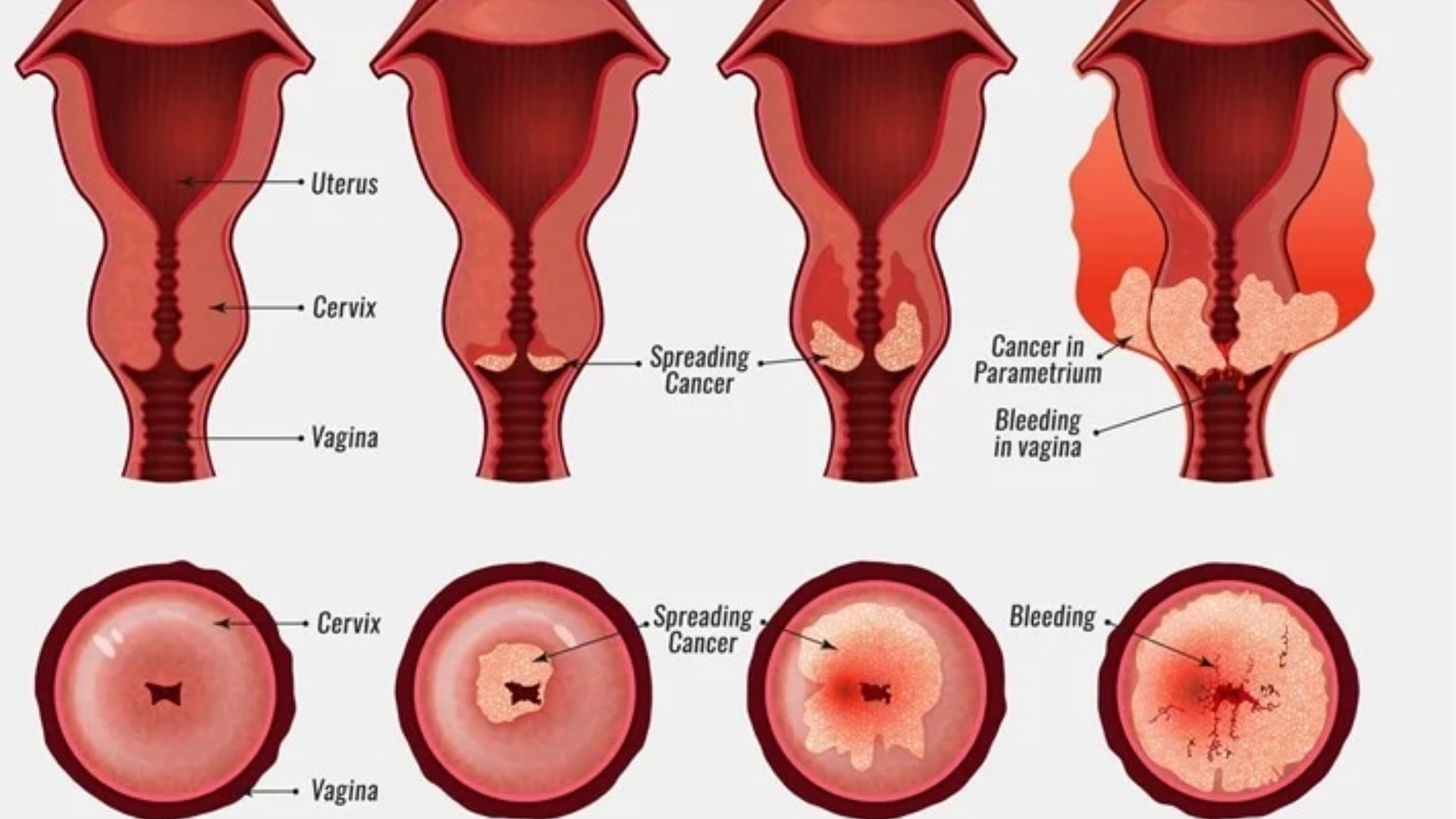
What is Cervical Cancer (Cervical Carcinoma)?
Cervical Cancer (Cervical Carcinoma) is a severe malignancy occurring in the cervix—the lower, narrow part of the uterus connecting to the vagina. At its core, cervical cancer arises through abnormal and uncontrolled growth of cervical cells due to genetic alterations, commonly triggered by persistent infection with high-risk human papillomavirus (HPV) strains. This chronic infection can lead to cellular changes that evolve into malignancies if left undetected or untreated.
Biologically, cervical carcinoma cells exhibit metabolic aberrations, notably the Warburg effect—where cancerous cells significantly increase glucose consumption and lactate production, metabolizing glucose up to 200 times the rate of normal cervical epithelial cells. This elevated glucose metabolism provides the necessary energy and metabolites essential for the rapid proliferation and survival characteristic of cancer cells, making it possible for us to target these metabolic vulnerabilities with advanced therapies developed at AllCancer, such as our proprietary 4D Metabolic Therapy.
Understanding Cervical Cancer (Cervical Carcinoma) Prevalence in Asia and Hong Kong
Globally, approximately 600,000 new cervical cancer cases emerge annually, according to recent WHO 2024 statistics, highlighting the persistent challenge it represents for medical professionals and policymakers alike. In Asia—including Hong Kong—Cervical Cancer remains a significant threat, particularly among women aged 30 to 55. Hong Kong reports roughly 500 new cases annually, making cervical carcinoma one of the region’s leading female cancers. Despite advanced screening programs, many cases are still diagnosed at advanced stages due to underutilization of preventive healthcare resources and screening services.
- Annual incidence globally: approximately 600,000 new cases (WHO 2024)
- Average patient age range: 30–55 years
- Hong Kong yearly reported cases: ~500 new diagnoses
- Metabolic aberrations in cervical carcinoma: Warburg effect significantly enhances glucose uptake.
Cervical Cancer (Cervical Carcinoma) Symptoms and Impact
Early-stage Cervical Cancer (Cervical Carcinoma) typically shows minimal to no symptoms, underscoring the necessity of regular screening and vigilance. As the disease progresses, symptoms become more apparent, drastically impacting patients’ physical comfort and emotional well-being.
Common Cervical Cancer (Cervical Carcinoma) symptoms include:
- Abnormal vaginal bleeding, such as bleeding between menstrual periods, postmenopausal bleeding, or bleeding after intercourse.
- Increased vaginal discharge with a possible foul odor.
- Pain or discomfort during sexual intercourse.
- Pelvic or lower back pain.
- Unexplained fatigue or weight loss.
Beyond physical symptoms, patients frequently endure significant psychological impacts, including anxiety, emotional distress, and depression, often exacerbated by diagnostic delays or uncertainty regarding treatment processes. Such comprehensive patient impacts underline our mission at AllCancer—to integrate innovative treatments like 4D Metabolic Therapy and alleviating patient-centric support.
For more comprehensive cancer biology insights, please visit our cancer biology page. To understand how diagnostics play a critical role, check our diagnostics and early detection services.
Causes and Risk Factors of Cervical Cancer (Cervical Carcinoma)
Genetic Factors and HPV Infection
Genetic predispositions, while not as strongly characterized as those in breast or ovarian cancers (e.g., BRCA mutations), can influence cervical carcinogenesis. Most Cervical Cancer (Cervical Carcinoma) cases result from persistent infections with high-risk HPV types, particularly HPV16 and HPV18. These HPV strains cause the accumulation of genetic mutations, disrupting the cell-cycle and facilitating malignant transformation.
It’s essential to note, however, that not everyone infected with HPV develops cancer; specific host genetic factors and immune responses significantly influence carcinogenesis risk.
Environmental and Lifestyle Factors
Environmental and lifestyle-induced risk factors significantly increase cervical cancer vulnerability. Crucially, behaviors and environmental exposures affecting immune function can elevate HPV infection persistence risks, significantly driving cancer development. These risk factors include:
- Early age of sexual debut, increasing HPV exposure risk.
- Multiple sexual partners or partner’s promiscuity, further enhancing HPV infection potential.
- Lifestyle impacts, such as cigarette smoking, have been strongly linked to cervical cancer due to carcinogens weakening immune responsiveness.
- Long-term use of oral contraceptives exceeding five years slightly elevates cervical carcinoma risks.
Metabolic Vulnerabilities of Cervical Carcinoma Cells
Our research at AllCancer, influenced by Nobel laureates like Dr. James Allison and Dr. Gregg Semenza, has pinpointed specific metabolic adaptations of cervical carcinoma cells that can be precisely targeted. The quintessential example of such vulnerabilities includes aggressive glucose metabolism (Warburg effect) and dependency on glutamine—a key nutrient for nucleotide synthesis. Roughly half of all cervical cancer cell lines demonstrate high glutamine dependency, making them susceptible to targeted metabolic interventions offered through our advanced 4D therapy.
Asian-Specific Cervical Cancer Risks and the Importance of Screening
Hong Kong and other Asian regions experience cervical carcinoma occurrence patterns linked to lifestyle, cultural considerations, and distinct epidemiological aspects. Limited HPV vaccination uptake, cultural resistance towards preventive sexual healthcare, and lack of awareness significantly increase cervical cancer incidence rates in some Asian populations.
Regular HPV screening, vaccination, and effective public health awareness campaigns targeting higher-risk groups remain essential to substantially reducing cervical carcinoma prevalence in Hong Kong and Asia.
- Recommended screening frequency: Every 3 to 5 years depending on age and medical history.
- HPV vaccination recommendation: Strongly advised before onset of sexual activity.
To grasp more about Cervical Cancer (Cervical Carcinoma) causes and risk management, explore detailed guidelines at WHO’s cervical cancer resources and further research studies at the National Cancer Institute.
Early detection and empowered preventive healthcare hold immense potential to transform cervical cancer outcomes—highlighting the importance of proactive approaches embraced here at AllCancer, embodying our mission toward chronic disease management for cancer by 2025.
Symptoms of Cervical Cancer (Cervical Carcinoma)
Recognizing the early symptoms of Cervical Cancer (Cervical Carcinoma) significantly improves prognosis and treatment success. Often, cervical carcinoma symptoms might be subtle or even absent during the initial stages, underscoring the importance of regular screening.
Common Early Symptoms
- Unusual vaginal bleeding such as bleeding after intercourse, between menstrual periods, or post-menopause.
- Abnormal vaginal discharge that may vary from watery, pale and clear, to bloody, brownish, or foul-smelling.
- Pain or discomfort during sexual intercourse (dyspareunia) causing persistent distress.
The above symptoms directly reflect the biological changes occurring within cervical tissue, including increased vascularization and friability of malignant cells, leading to easy bleeding and irritation of the affected areas.
Advanced Stage Symptoms
- Persistent pelvic and lower back pain indicating tumor expansion or invasion into adjacent tissues.
- Swelling in lower extremities due to lymphatic blockage or tumor compression of blood vessels.
- Difficulty with urination or bowel movements implying possible spread to adjacent organs like bladder or rectum.
- Fatigue and unexplained weight loss due to increased metabolic demands of rapidly dividing cancer cells, reflecting their heightened reliance on glucose metabolism known as the Warburg effect.
It’s imperative to not dismiss these symptoms, as timely intervention can vastly improve outcomes. Emphasizing regular screenings, especially cervical smears and HPV testing, helps detect changes early and achieve effective management.
Stages of Cervical Cancer (Cervical Carcinoma) and Survival Rates
Understanding the staging of Cervical Cancer (Cervical Carcinoma) empowers patients and healthcare providers to devise the most effective treatment strategies. Survival rates improve remarkably with early detection and intervention, highlighting the profound importance of routine screening practices prevalent in Asia, including Hong Kong.
Stage 1 – Cervical Cancer (Cervical Carcinoma)
In Stage 1, Cervical Carcinoma is confined exclusively to the cervix. Tumors in this phase are typically small and localized, usually detectable through cervical screening tests or initial biopsy.
- Tumor limited to cervix (localized lesion).
- Absence of lymphatic or distant metastasis.
- Common treatment includes surgical procedures such as conization, hysterectomy, or localized radiotherapy.
- Five-year survival rate exceeds 92% in Hong Kong and similar economically-developed regions due to established screening programs.
Stage 2 – Cervical Cancer (Cervical Carcinoma)
Stage 2 denotes tumor invasion that extends beyond the cervix into surrounding pelvic structures but has not reached the pelvic walls or lower vagina.
- Local extension to the upper two-thirds of vagina but no pelvic wall invasion.
- Potential regional lymph node involvement evaluated through diagnostic imaging.
- Multimodal treatments combining surgery, radiation and chemotherapy significantly increase treatment effectiveness.
- Approximately 75-85% patients in major Asian urban hospitals achieve a five-year survival rate.
Stage 3 – Cervical Cancer (Cervical Carcinoma)
By Stage 3, cervical cancer involves further regional spread. The tumor reaches lower vagina and/or pelvic wall, which can cause blockage of ureters leading to kidney complications.
- Tumor invasion to lower third vagina and/or pelvic wall.
- Possible kidney complications due to ureter involvement and obstruction reflected by kidney imaging.
- Advanced multimodal therapy involving concurrent chemoradiation becomes the standard care in this stage.
- Reported five-year survival rates range from 50-65% in regions like Hong Kong, supporting early intervention importance.
Stage 4 – Cervical Cancer (Cervical Carcinoma)
Stage 4 Cervical Carcinoma indicates distant metastases or extensive local disease affecting other pelvic organs, such as bladder, rectum, and distant organs including lungs or liver.
- Distant metastases to lungs, liver, brain, or bones.
- Commonly associated symptoms include severe weight loss, fatigue, and severe localized pain.
- Palliative care, systemic chemotherapy, targeted therapy, and immunotherapy become the mainstay strategies for management.
- Typical five-year survival rates significantly decrease, averaging approximately 20-30%. However, innovative treatments like metabolic-targeted therapies and 4D therapy aim to manage advanced cancers as chronic conditions, notably improving long-term prognosis.
Summary of Survival Rates by Stage (Asian Regions including Hong Kong)
| Stage | Five-Year Survival Rate |
|---|---|
| Stage 1 | 92-95% |
| Stage 2 | 75-85% |
| Stage 3 | 50-65% |
| Stage 4 | 20-30% |
Advances in research and treatment are consistently enhancing patient outcomes at all stages of cervical cancer. Encouragingly, ongoing innovations such as treatments targeting metabolic vulnerabilities of cancer cells (Warburg Effect) and glutamine dependency have begun offering profoundly better prognoses even in advanced stages.
Moreover, patient-specific metabolic therapies supported by Nobel-laureate guided research, particularly pioneered by renowned experts such as Dr. Li Guohua and Prof. Liu Guolong, offer significant promise in achieving chronic disease management for Cervical Carcinoma. Therefore, early detection complemented with innovative therapy increases not only survival prospects, but also quality of life for patients across Asian regions including Hong Kong.
Treatment Options for Cervical Cancer (Cervical Carcinoma)
Standard Treatment Approaches
Selecting the optimal treatment for Cervical Cancer (Cervical Carcinoma) depends highly on the stage of cancer, patient health status, and available medical facilities. Traditionally, treatments include surgical approaches, chemotherapy, radiation therapy, and targeted therapies, each with their own benefits and limitations.
Surgical Procedures
- Radical Hysterectomy: Removal of cervix, uterus, a portion of the vagina, and surrounding tissues. Typically performed in early stage cervical cancer.
- Pelvic Lymph Node Dissection: Evaluation of lymph nodes for metastatic spread. Essential for precise staging and to gauge the necessity of adjuvant treatments.
- Simple Hysterectomy: Usually done for pre-invasive cancers. Minimal invasiveness is critical for patient recovery and future quality of life.
Chemotherapy Therapies
Chemotherapy involves systemic drugs that eliminate rapidly dividing cancer cells. It is used extensively in advanced-stage Cervical Cancer (Cervical Carcinoma) or alongside radiation therapy (concurrent chemoradiotherapy) to increase outcomes:
- Cisplatin: A platinum-based drug widely employed in cervical cancer.
- Carboplatin and Paclitaxel Combination: Commonly used for patients unsuitable for cisplatin-based therapies, providing tolerable side effect profiles.
Radiation Therapy
Radiation therapy employs high-dose radiation to kill cancer cells or slow growth. Two forms are predominant:
- External Beam Radiation Therapy (EBRT): Focused high-energy beams from external machines targeting tumor sites accurately, causing minimal surrounding tissue damage.
- Brachytherapy (Internal Radiation): Small radioactive implants directly placed near or inside cancerous tissues, enhancing treatment precision.
Targeted Therapy and Immunotherapy
With innovations spearheaded by experts such as Nobel laureates Drs. James Allison and Gregg Semenza, immunotherapy and targeted treatments reveal promising results:
- Bevacizumab (Avastin): This angiogenesis inhibitor impedes tumor blood supply, restricting cancer cell growth and survival, especially crucial in recurrent and advanced cervical carcinoma. Proven effectiveness in Asian populations is encouraging.
- Immune Checkpoint Inhibitors (Pembrolizumab): These novel agents unleash the patient’s immune-system capacity to recognize and eliminate cancer cells by inhibiting protective checkpoints exploited by tumors.
Emerging Treatments: Metabolic Targeted Therapies
Cervical Cancer (Cervical Carcinoma) cells exhibit robust metabolic adaptability, particularly a heightened glucose metabolism. Advanced metabolic therapies now target these vulnerabilities:
- Glucose Transporter (GLUT1/3) Inhibitors: Disrupting glucose uptake essential for cancer cell survival, effectively depriving tumor cells of their energy supply.
- Glutamine Pathway Blockers: Addressing the dependency of cancer cells on glutamine, further interrupting cellular growth and tumor proliferation.
Personalized Treatment Innovation in Asia
In Hong Kong and broader Asia, personalized medicine is shifting treatment approaches, adapting therapies based on genetic markers, health considerations and specific metabolic profiles. Partnerships with institutions like MD Anderson facilitate innovative yet personalized patient care.
Limitations of Traditional Therapies for Cervical Cancer (Cervical Carcinoma)
Chemotherapy Drawbacks and Risks
Conventional chemotherapy treatments, while crucial, come with significant toxicities and serious side effects negatively impacting quality of life:
- Bone Marrow Suppression: Incidence rates as high as 78%, causing substantial patient risk and necessitating frequent supportive care.
- Cardiotoxicities: Approximately 23% experience adverse cardiovascular events, negatively impacting long-term patient survival and quality of life.
- Alopecia, Neuropathy, and Gastrointestinal Upset: Commonly seen adverse reactions significantly weaken patient resilience and emotional health.
Radiation-Induced Complications
Despite great advances in delivery precision, radiation therapy continues to raise specific patient quality-of-life concerns:
- Fibrosis and Structural Damage: Local tissue alterations can induce considerable discomfort and impede normal bodily functions post-treatment.
- Secondary Cancers: Recent JAMA Oncology 2023 data indicate secondary malignancy risk escalating up to 300% compared to baseline statistics.
Challenges Associated with Surgical Intervention
Surgical treatments bear various inherent risks:
- Infection Rates: Postoperative infections present severe challenges, particularly within resource-limited settings.
- Chronic Pain and Lymphedema: Extensive surgical procedures can lead to debilitating outcomes, negatively affecting patient recovery trajectory.
Metabolic Resistance and Treatment Failures
Emerging evidence underscores metabolic adaptability mechanisms displayed by cervical carcinoma cells, undermining traditional therapies:
- Enhanced DNA Repair Activity: Cervical Cancer (Cervical Carcinoma) cells exhibit up to 400% increases in DNA repair enzymes, reducing chemotherapy effectiveness significantly.
- Metabolic Plasticity: Tumor cells rapidly switching energy sources represents a significant barrier to conventional modalities targeting cellular metabolism.
Access Issues in Hong Kong and Asia
Despite sophisticated understanding of Cervical Cancer (Cervical Carcinoma) biology, limited availability of cutting-edge treatment infrastructure remains a considerable hindrance in Asia, underscoring the crucial need for strategic partnerships, improved healthcare investments, and policy advocacy to bridge gaps in patient care.
Conclusion
By embracing comprehensive, targeted treatments and overcoming limitations through revolutionary approaches like metabolic targeting, the fight against Cervical Cancer (Cervical Carcinoma) progresses towards more effective outcomes and improved quality of life, precisely aligning with AllCancer’s ambitious 2025 vision of chronic cancer management.