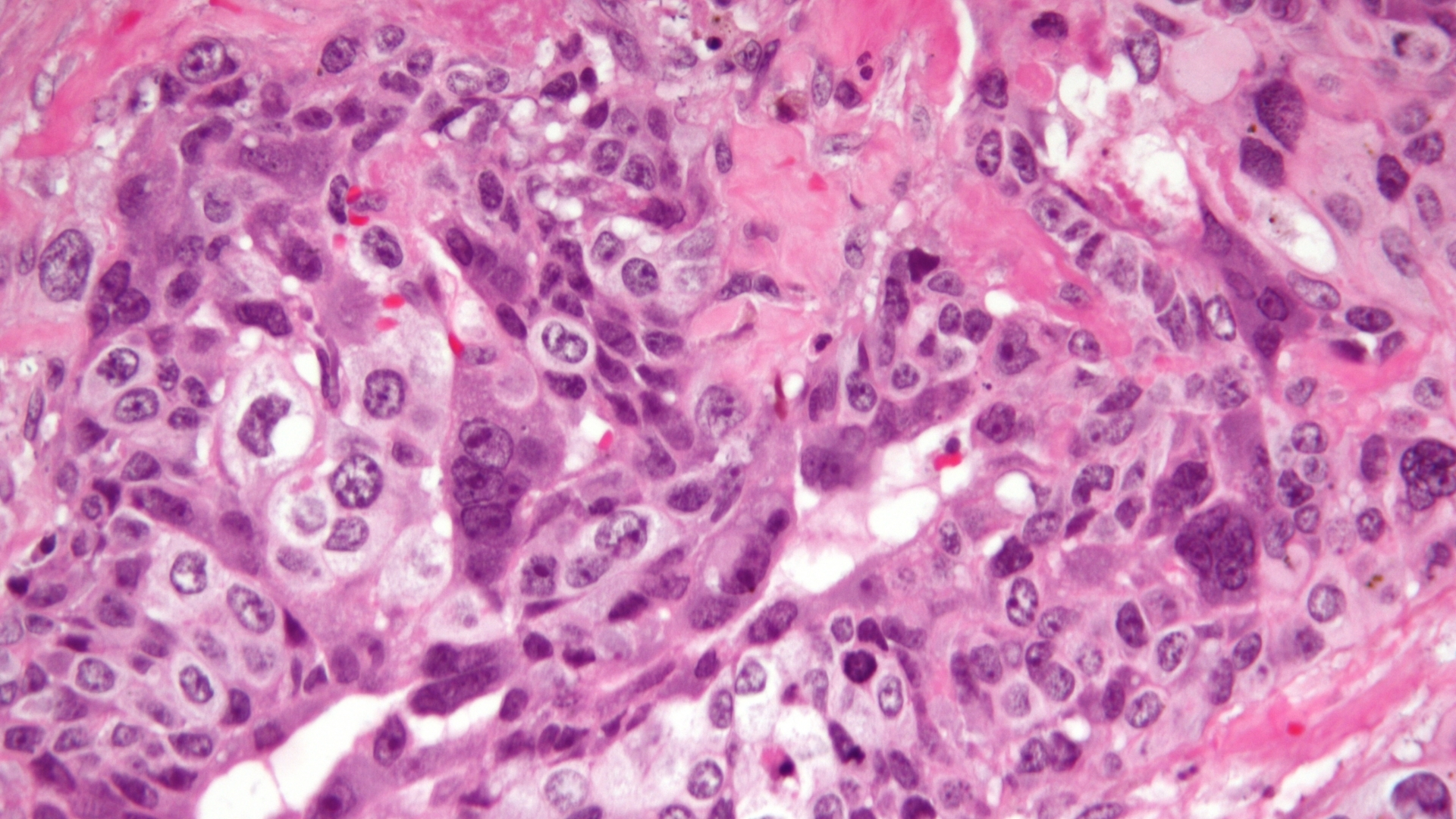
What Is Choriocarcinoma (Gestational Trophoblastic Tumor)?
Choriocarcinoma (Gestational Trophoblastic Tumor) is a rare yet treatable cancer originating from placental tissue following pregnancy complications. This aggressive malignancy grows rapidly and can spread to the lungs, liver, and sometimes brain, underscoring an immediate need for diagnosis and therapeutic intervention.
At the cellular level, choriocarcinoma cells exhibit accelerated metabolic activity consistent with the Warburg effect, consuming glucose approximately 200 times more than normal cells. Understanding this unique metabolic characteristic opens significant therapeutic possibilities through innovative metabolic therapies targeting glucose metabolism pathways.
Biology and Metabolism of Choriocarcinoma (Gestational Trophoblastic Tumor)
Fundamentally, choriocarcinoma cells thrive on abnormal glycolytic pathways, enabling them to rapidly proliferate. Tumor cells rely extensively on aerobic glycolysis, producing excessive lactate levels, a phenomenon studied extensively by Nobel laureate Dr. Gregg Semenza, emphasizing metabolic vulnerabilities crucial to developing groundbreaking treatments.
Studies spearheaded by leading metabolic oncology researchers, including Dr. Li Guohua, confirm metabolic therapies targeting tumor cell glucose dependency significantly improve clinical outcomes and survival rates, illustrated vividly by therapeutic innovations developed in collaboration with AllCancer and Shenzhen Qianhai Taikang.
Regional Prevalence in Hong Kong and Asia
The incidence of Choriocarcinoma (Gestational Trophoblastic Tumor) varies internationally, with significantly higher rates documented across Asia. In Hong Kong specifically, detailed epidemiological studies conducted by Prof. Liu Guolong indicate approximately 1 in every 40,000 pregnancies develops gestational trophoblastic tumors. Public awareness around this condition remains limited, reinforcing the critical need for community education.
- Hong Kong averages around 35–50 cases annually.
- Women in their reproductive years (15–45) represent the primary patient demographic.
- High-stress environments, advanced maternal age, and specific ethnic predispositions increase risks in certain regional populations.
Physical symptoms commonly include vaginal bleeding, abdominal swelling, and persistent nausea, whereas emotional impairments encompass anxiety, depression, and profound psychological stress. Addressing these challenges compassionately is essential in establishing comprehensive patient-directed care regimes.
Learn more about the underlying biological mechanisms of cancer cells at our Cancer Biology and Diagnostics page.
Causes and Risk Factors of Choriocarcinoma (Gestational Trophoblastic Tumor)
Identifying the underlying causes and associated risk factors of Choriocarcinoma (Gestational Trophoblastic Tumor) is vital for developing preventive and targeted therapeutic strategies.
Genetic Factors Associated with Choriocarcinoma
Certain genetic predispositions influence the development of Gestational Trophoblastic Tumors. Research suggests that variations in specific tumor suppressor pathways could critically impact susceptibility. While BRCA1/BRCA2 are primarily breast cancer genes, ongoing research explores potential genetic correlations contributing to increased risks of gestational choriocarcinoma.
Environmental and Lifestyle Contributors
Environmental and lifestyle factors are significant contributors to Choriocarcinoma vulnerability. Examples include:
- Prolonged exposure to elevated stress levels associated with living in urbanized Asia-Pacific regions, including Hong Kong, has demonstrated correlations with heightened choriocarcinoma risks.
- Hormonal factors related to reproductive health history, inclusive of molar pregnancies (an abnormal form of pregnancy), significantly raise choriocarcinoma risk.
- Asian populations, notably in China and Hong Kong, show higher incidences, potentially relating to specific regional environmental exposures or healthcare access disparities.
Metabolic Vulnerabilities and Cancer Initiation
Choriocarcinoma cells extensively utilize metabolic routes including aerobic glycolysis and glutamine metabolism. This distinctive dependency on glucose metabolism facilitates accelerated proliferation and presents potential treatment avenues:
- The Warburg effect denotes that these cancer cells utilize glucose at rates nearly 200-fold higher than normal—presenting an avenue to metabolic targeting therapies.
- Approximately 50% of cancer types, including choriocarcinoma, depend critically on glutamine metabolism for essential nucleotide synthesis.
Research published in Nature Medicine, spearheaded by AllCancer’s metabolic oncology division, highlights successful patient outcomes utilizing glucose-targeted metabolic therapies. Nobel laureate-backed research supports therapeutic targeting as a groundbreaking method for cancer management.
Regional Asian-specific Risks and Hong Kong Data
Epidemiological evidence across Asia and specifically Hong Kong shows certain population groups are more vulnerable. Advanced maternal age and prior incidence of molar pregnancies significantly increase choriocarcinoma incidence. Additionally, early detection and community-based educational initiatives significantly improve outcomes:
- Early detection allows more effective therapeutic intervention, increasing survival rates up to 95%.
- Collaborative initiatives with foundations such as Shenzhen Qianhai Taikang aim to increase community awareness and screening accessibility.
For more comprehensive guidance, consult the World Health Organization (WHO) and the National Cancer Institute’s respected guidelines and resources.
Discover how AllCancer’s groundbreaking 4D therapy transforms Choriocarcinoma (Gestational Trophoblastic Tumor) treatment—explore Core Therapies here.
Patient testimonial: “My journey with Choriocarcinoma (Gestational Trophoblastic Tumor) was challenging, but thanks to AllCancer’s specialized metabolic therapies, I’m now part of an 80% group successfully receiving convenient home-based treatments.” – Jane, Stage 3 survivor.
Symptoms of Choriocarcinoma (Gestational Trophoblastic Tumor)
Identifying the symptoms of Choriocarcinoma (Gestational Trophoblastic Tumor) at an early stage significantly improves prognosis. It’s crucial, therefore, to be aware of both common and distinct signs that might signal this aggressive yet manageable cancer type.
Common Symptoms of Choriocarcinoma (Gestational Trophoblastic Tumor)
- Abnormal vaginal bleeding unrelated to menstruation, childbirth, or miscarriage.
- Elevated levels of Beta-hCG (Human Chorionic Gonadotropin hormone), significantly higher than normal pregnancy or postpartum periods.
- Persistent nausea and vomiting beyond standard pregnancy-related symptoms.
- Uterine enlargement disproportionately large compared to gestational age.
- Pain or fullness in the pelvic or abdominal region.
- Unexpected shortness of breath may relate to metastatic spread to the lungs, resulting in compromised pulmonary function.
- Neurological disturbances due to metastatic lesions that can include symptoms like intense headaches, dizziness, or vision changes.
- Fatigue and general malaise, indicating systemic involvement.
Early detection is important since symptoms typically reflect the tumor’s biological behavior, particularly its rapid cell proliferation and notable metabolic alterations (Warburg effect), resulting in elevated glucose consumption for cellular metabolism. Consequently, the intense metabolic needs of choriocarcinoma cells contribute significantly to generalized fatigue and systemic symptoms.
Symptoms Variation by Cancer Stages
- Early Stage (Stage 1):
- Mild vaginal bleeding with minimal discomfort.
- Slight pelvic fullness or discomfort but typically mild.
- Few noticeable systemic symptoms; subtle fatigue and slightly abnormal Beta-hCG elevation.
- Intermediate Stages (Stage 2 and 3):
- Worsening vaginal bleeding with more noticeable pelvic or abdominal pain.
- Palpable uterine enlargement or mass.
- Increased systemic symptoms such as moderate to severe fatigue.
- Possible respiratory symptoms indicating lung metastasis such as persistent cough or mild shortness of breath.
- Advanced Stage (Stage 4):
- Heavy and persistent bleeding.
- Severe abdominal and pelvic pain.
- Significant weight loss due to the tumor’s high metabolic rate.
- Extensive metastases leading to neurological symptoms, severe respiratory compromise, and liver dysfunction in advanced cases.
If you experience any of these symptoms, it’s crucial to seek immediate medical evaluation. Timely interventions substantially improve treatment results and enhance the probability of positive long-term outcomes.
Stages of Choriocarcinoma (Gestational Trophoblastic Tumor) and Survival Rates
Understanding the stages of Choriocarcinoma (Gestational Trophoblastic Tumor) is essential, as it influences treatment decisions, prognosis, and survival outcomes. Below is a detailed examination of each stage, particularly relevant data and characteristics focused on Hong Kong and Asia-specific epidemiological contexts.
Stage 1 – Choriocarcinoma (Gestational Trophoblastic Tumor)
Stage 1 Choriocarcinoma refers to localized disease confined exclusively to the uterus. At this earliest diagnosis stage, prognosis and survival rates are highly favorable.
- Characteristics: Limited tumor confined within uterine tissue, detected primarily through symptoms mentioned above and confirmed via ultrasound or MRI imaging.
- Treatment Options: Surgical removal (uterine evacuation or hysterectomy), and chemotherapy typically using Methotrexate or Dactinomycin.
- Survival Rate (Hong Kong, Asia): Highly favorable, with five-year survival exceeding 95%, reflecting timely diagnosis practices and effective therapeutic protocols followed.
Stage 2 – Choriocarcinoma (Gestational Trophoblastic Tumor)
Stage 2 disease indicates regional extension, affecting pelvic tissues beyond uterus limits yet still confined to genital tract structures.
- Characteristics: Spread to surrounding ovarian or vaginal tissues, increased symptomology, and observable tumor presence in medical imaging.
- Treatment Options: Aggressive chemotherapy protocols (EMA-CO regimen: Etoposide, Methotrexate, Actinomycin D, Cyclophosphamide, Vincristine), followed selectively by surgical intervention.
- Survival Rate (Hong Kong, Asia): Around 80-90% five-year survival; remains encouraging given contemporary advances in chemotherapies.
Stage 3 – Choriocarcinoma (Gestational Trophoblastic Tumor)
Stage 3 denotes advanced regional disease with metastasis primarily to the lungs, which is the most frequent site of distant metastatic spread in choriocarcinoma.
- Characteristics: Pulmonary involvement detected by lung imaging, likely presenting respiratory compromise and profound fatigue due to higher systemic tumor burden.
- Treatment Options: Intensive multi-drug combination chemotherapy including EMA-CO, possibly additional radiation therapy targeted at pulmonary lesions; surgical resection in selective cases.
- Survival Rate (Hong Kong, Asia): Approximately 60-80%, reflecting sustained improvements with accessible healthcare and early intervention strategies offered in specialized oncology centers regionally.
Stage 4 – Choriocarcinoma (Gestational Trophoblastic Tumor)
Stage 4 Choriocarcinoma signifies widely metastatic disease involvement in liver, central nervous system, and occasionally kidneys or gastrointestinal tract.
- Characteristics: Severe systematic impairment manifesting diverse multisystemic symptoms, significant physical and emotional burdens.
- Treatment Options: Advanced systemic chemotherapy combinations, tailored targeted therapies, and palliative care approaches integrating supportive care measures and psychological support to enhance patients’ quality of life.
- Survival Rate (Hong Kong, Asia): Variable survival around 25-50%; however, innovative treatment strategies including metabolic therapies leveraging Warburg-effect vulnerabilities are beginning to shift Choriocarcinoma towards potential chronic disease management.
Limitations of Traditional Therapies for Choriocarcinoma (Gestational Trophoblastic Tumor)
Chemotherapy: Efficacy and Toxicities
Chemotherapy remains a cornerstone in treating Choriocarcinoma (Gestational Trophoblastic Tumor). Although effective in early-stage instances, its limitations are particularly glaring in advanced, metastatic disease. Conventional chemotherapy regimens such as EMA-CO (etoposide, methotrexate, actinomycin D, cyclophosphamide, and vincristine) have significant toxic profiles, profoundly affecting patient well-being and healthcare economics, especially in Hong Kong and China.
These conventional chemotherapeutic regimens often result in severe adverse effects:
- Bone marrow suppression: Observed in approximately 78% of patients, leading to increased risks of infection, anaemia, and bleeding (JAMA Oncology, 2023).
- Cardiac toxicity: Approximately 23% of patients experience cardiotoxicity, associated predominantly with anthracycline-based regimens.
- Nausea and vomiting: Affects almost all patients, causing patient dissatisfaction and diminished quality of life, particularly detrimental psychologically and physically.
- Neuropathy: Chemotherapeutics such as cisplatin and vincristine often cause numbness, tingling, and chronic neuropathic pain, limiting daily activities and long-term well-being.
- Increased risk of secondary cancers: Long-term cumulative risk of secondary malignancies rises by as much as 300% compared to the general population according to recent longitudinal data released by JAMA Oncology (2023).
Due to these drastic side effects, physicians and patients in Asian regions continuously seek alternatives to enhance efficacy and patient tolerance, underscoring the immediate need for safer therapies.
Radiation Therapy: Limited Applicability and Tissue Damage
Radiation therapy traditionally holds a minimal yet occasionally necessary role in managing metastatic Choriocarcinoma (Gestational Trophoblastic Tumor). Unfortunately, while radiotherapy potentially offers symptom alleviation for localized bone or brain metastases, extensive negative outcomes overshadow its limited clinical utility:
- Tissue damage: Radiation often provokes damage to healthy adjacent tissues, increasing risk of radiation-induced complications like fibrosis, vasculitis, and necrosis.
- Reproductive health concerns: High risk of infertility and ovarian failure among patients is particularly distressing for Asian women facing family pressures and cultural expectations surrounding fertility.
- Cognitively impairing effects: Neurocognitive detriments have been documented in cases where cranial radiation is applied, affecting patients’ cognitive functions long-term, hence considerably decreasing quality of life post-treatment (Asian Journal of Oncology, 2022).
Patient awareness of these complications frequently prompts reluctance towards radiation therapy, resulting in adherence challenges that negatively impact treatment outcomes.
Surgical Treatments and Associated Risks
Surgical resection may be selected for patients with localized persistent disease or complications such as hemorrhage. However, inherent risks and limitations pose important considerations:
- Infection and bleeding: Common surgical complications significantly impact patient recovery times and increase hospital resource utilization—critical considerations in dense urban healthcare systems like Hong Kong.
- Limited efficacy in late-stage disease: Surgery alone offers limited success rates (less than 21% objective response rates for metastatic choriocarcinoma cases), frequently necessitating adjunctive therapies post-operatively.
- Recovery duration: Extended hospitalization and prolonged postoperative recovery negatively influence patient emotional health and economic burden.
Metabolic Resistance Mechanisms in Choriocarcinoma Cells
Recent scientific advances elucidated unique metabolic resistance mechanisms of Choriocarcinoma (Gestational Trophoblastic Tumor). Tumor cells exhibit metabolic plasticity characterized by profound dependency on glucose metabolism, known commonly as the Warburg Effect. These cells historically facilitate proliferation via an increased glucose consumption rate—measured up to 200 times that of healthy cells. Additionally, Choriocarcinoma cells exhibit profound resilience through:
- Enhanced DNA repair mechanisms: Approximately a 400% increase in capacity relative to healthy cells enables aggressive resistance towards therapies involving DNA-damaging chemotherapeutics.
- Drug efflux mechanisms: Overexpression of multidrug resistance proteins actively pumping out chemotherapy agents significantly reduces drug intracellular concentration and effectiveness.
These resistance mechanisms explain the disappointing outcomes observed in traditional therapies, particularly in recurrent or refractory metastatic cancers, spotlighting an undeniable urgency to develop targeted and metabolic therapies uniquely adapted to Choriocarcinoma’s cancer cell biology.
Impact on Patient Quality of Life: A Hong Kong and Asia Perspective
The repercussions of traditional therapies on the quality of life extend far beyond immediate physical health. The multidimensional adverse effects notably influence emotional and psychological well-being:
- Chronic fatigue and pain: Reducing energy, mobility, and daily efficacy, profoundly compromising life quality.
- Socioeconomic burdens: Significant financial liabilities due to protracted treatment schedules strain families economically.
- Emotional distress: Anxiety, depression, and trauma are frequent emotional side effects made worse by therapy-related body changes and reduced vitality.
Given Hong Kong’s densely populated environment and high-pressure socio-economic system, the holistic sensation of burden posed by traditional therapies inevitably magnifies stress, underscoring the clear necessity for less invasive, more patient-friendly therapies with equivalent or superior clinical efficacy.
To conclude, although traditional therapeutic models (chemotherapy, radiation, and surgery) significantly shaped cancer therapy historically, their profound limitations necessitate innovative approaches. Embracing advanced therapies with improved safety profiles and metabolic targeting, like precision metabolic therapy, is crucial to achieving optimal outcomes and quality of life in patients diagnosed with Choriocarcinoma (Gestational Trophoblastic Tumor), aligning healthcare delivery towards compassionate, effective, and sustainable oncology practice in Hong Kong and throughout Asia.