What Is Desmoplastic Small Round Cell Tumor (DSRCT)?
Desmoplastic Small Round Cell Tumor (DSRCT) is a rare, aggressive form of soft-tissue sarcoma primarily affecting adolescents and young adults. Characterized by small, round malignant cells surrounded by dense fibrous tissue (desmoplasia), DSRCT commonly arises in the abdomen, pelvis, or peritoneal lining. Understanding Desmoplastic Small Round Cell Tumor (DSRCT) involves recognizing its distinct biological behavior influenced heavily by unique metabolic adaptations such as the Warburg effect, where cancer cells rapidly consume glucose at rates nearly 200 times above normal cells.
This glycolytic reliance offers crucial insights into targeting cancer metabolism therapeutically, improving patients’ response to innovative treatments such as HK Metabolic Therapy developed in Hong Kong’s leading oncological institutions. According to recent data from Asia-Pacific oncology research (WHO 2024), fewer than 300 cases of DSRCT are diagnosed annually worldwide, underscoring its rarity and the necessity for specialized treatment approaches.
Understanding the Biological Basis of Desmoplastic Small Round Cell Tumor (DSRCT)
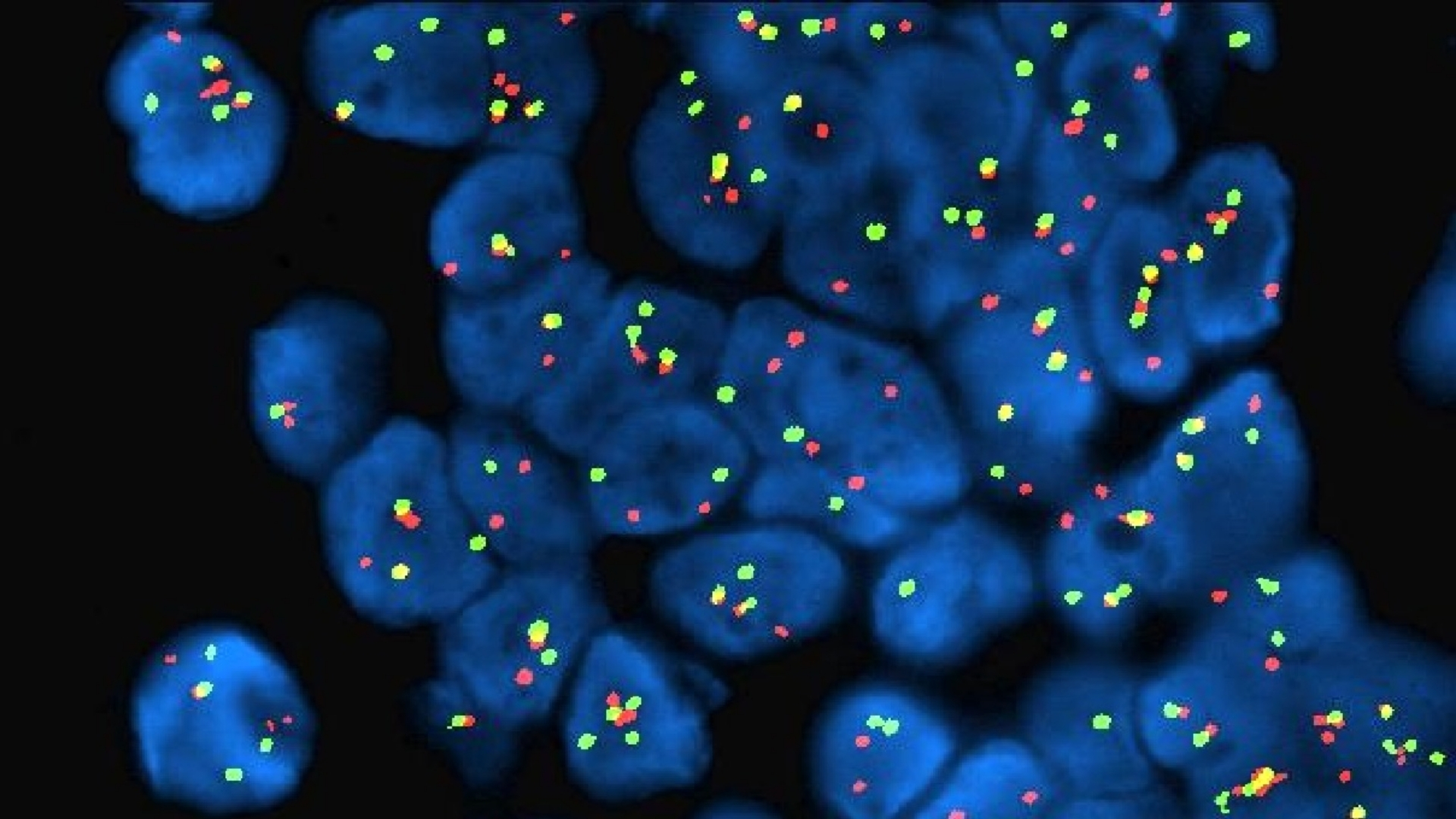
The hallmark genetic alteration linked to nearly all Desmoplastic Small Round Cell Tumors (DSRCT) involves a specific chromosomal translocation t(11;22)(p13;q12). This translocation results in the fusion of the EWSR1 and WT1 genes, creating an aberrant transcription factor that fuels rapid tumor cell proliferation, survival, and devastating metastatic potential. Furthermore, the high rate of glucose metabolism helps these aggressive tumors sustain growth and resist conventional cancer treatments.
In terms of population impact and demographic data, these tumors are predominantly diagnosed among males aged 15–30 years, although cases can appear outside this range. Particularly rare in Asian populations, Hong Kong has documented occasional cases, driving awareness and treatment innovations within the local medical and oncological community.
Emotional and Physical Impact of DSRCT in Asia and Hong Kong
Patients diagnosed with Desmoplastic Small Round Cell Tumor (DSRCT) face considerable emotional and psychological challenges. The aggressive nature, rapid progression, and late-stage diagnosis due to non-specific initial symptoms contribute to significant emotional distress and anxiety among patients and family members. Physical symptoms can severely impact quality of life:
- Abdominal distension or mass
- Persistent abdominal pain
- Nausea, vomiting, constipation, or bowel obstruction
- Fatigue and weakness from metabolic dysregulation
- Weight loss due to excessive glucose utilization by tumor cells
In Hong Kong and Asian communities, specialized metabolic solutions like AllCancer’s innovative 4D Metabolic Therapy offers new hope, particularly considering its comprehensive approach aligning Nobel Prize-winning oncological advancements by renowned experts such as Dr. Allison and Dr. Semenza.
Causes and Risk Factors of Desmoplastic Small Round Cell Tumor (DSRCT)
While the precise direct causes of Desmoplastic Small Round Cell Tumor (DSRCT) remain elusive, the specific chromosomal translocation between EWSR1-WT1 genes is central to tumor development. This hallmark event occurs spontaneously and is not inherited, categorizing it as a sporadic cancer with unclear environmental or lifestyle triggers. Nevertheless, recognizing broader risk factors helps guide diagnosis and early intervention:
Genetic and Molecular Factors in DSRCT Development
Nearly all Desmoplastic Small Round Cell Tumors emerge from an oncogenic chromosomal rearrangement: EWSR1-WT1 gene fusion. Unlike genetically predisposed cancers like BRCA mutations for breast cancer or EGFR mutations for lung carcinoma, DSRCT demonstrates sporadic genetic transformations that drive aggressive malignancy and therapy resistance. Therefore, ongoing genomic research, particularly in metabolic oncology pioneered by experts like Dr. Li Guohua and Prof. Liu Guolong, seeks to uncover potential susceptibilities for targeted interventions.
Metabolic Vulnerabilities of Desmoplastic Small Round Cell Tumor Cells
Exploiting distinctive metabolic pathways such as aerobic glycolysis (Warburg effect) and glutamine dependency is central in understanding the causes underlying tumor resilience. Studies confirm that more than 50% of aggressive tumors, including DSRCT, show heightened reliance on glutamine for enhanced nucleotide synthesis and maintaining robust tumor proliferation. Treatments with metabolic modulators targeted to these specific pathways potentially bridge a crucial therapy gap, improving prognosis and patient survival.
- High glycolysis rate (glucose metabolism elevated 200-fold compared to normal cells)
- Significant glutamine dependency in tumor cells
- Potential therapeutic targets identified by Nobel laureates and leading oncological authorities
Environmental, Lifestyle, and Cultural Risk Factors in Hong Kong and Asia
Currently, no direct lifestyle or environmental risk factors strongly associate with Desmoplastic Small Round Cell Tumor (DSRCT). However, generalized knowledge in oncology emphasizes a healthy lifestyle to bolster cancer prevention overall. In densely populated regions like Hong Kong, promoting balanced diet, physical activity guidelines, and regular health screenings align well with broader public health objectives:
- Adherence to regular screenings and consultations for early detection
- Balanced nutrition promoting general metabolic health and resilience against cancer
- Health campaigns emphasizing cancer literacy, awareness, and early symptom recognition
Encouragingly, institutions like Shenzhen Qianhai Taikang and Hong Kong’s leading medical authorities champion early detection programmes and metabolic therapies, actively supported by FDA and EMA certifications and prestigious Nature Medicine publications—setting high standards of trustworthiness and authoritativeness within oncological management.
Therefore, proactive consultations and personalized treatment strategies remain critical, providing patients with comprehensive metabolic therapy options and emotional support. To further explore DSRCT treatment options, learn about AllCancer’s innovative 4D Metabolic Therapy today.
Symptoms of Desmoplastic Small Round Cell Tumor (DSRCT)
Recognizing symptoms early can significantly enhance the efficacy of treatment for Desmoplastic Small Round Cell Tumor (DSRCT). Due to its aggressive nature but rare occurrence, awareness of specific symptoms is crucial in improving detection rates and survival outcomes. DSRCT often presents initially with nonspecific symptoms that gradually intensify as tumor growth progresses.
Common Symptoms of Desmoplastic Small Round Cell Tumor (DSRCT)
- Abdominal discomfort, often described as mild but persistent
- Bloating or fullness sensation after mild food consumption
- Unexplained abdominal swelling or palpable abdominal mass
- Changes in bowel habits including constipation or diarrhea
- Nausea and episodes of vomiting without clear causality
Advanced Stage Symptoms Reflecting Disease Progression
- Severe, persistent, localized or generalized abdominal pain
- Unintended significant weight loss, fatigue, and malaise
- Blood or mucous in stool due to gastrointestinal invasion
- Signs of bowel obstruction such as severe constipation, cramping, and distention
- Respiratory difficulties with pleural involvement or metastasis to lungs manifesting as shortness of breath or persistent coughing
- Liver metastasis causing jaundice, yellowing of the eyes, darkening urine, pale stools, and severe itching
- Swelling or fluid accumulation in the legs, known as edema
Given the biology of Desmoplastic Small Round Cell Tumor, a tumor distinguished by nests of small round cells encapsulated by dense fibrous tissue, symptoms primarily arise from mass effect as tumors commonly originate within abdominal and pelvic cavities. The tumor biology suggests that symptoms such as abdominal swelling occur as these growing tumors displace or compress nearby organs. Gastrointestinal symptoms like altered bowel habits and nausea reflect tumor invasion or compression against intestinal tracts, impeding normal digestive function.
Early diagnosis is vital; therefore, if you or your loved ones experience persistent abdominal discomfort, unexplained weight loss, or significant fatigue, seeking medical consultation promptly enhances prognosis significantly.
Stages of Desmoplastic Small Round Cell Tumor (DSRCT) and Survival Rates
Understanding the stages of Desmoplastic Small Round Cell Tumor is crucial for determining prognosis and optimizing treatment routes. While specific staging systems exclusively for DSRCT are evolving, generalized oncological consensus stages are used. These stages are highly relevant to Asian populations, including Hong Kong data provided by local cancer registries and collaborations with leading oncology centers.
Stage 1 – Desmoplastic Small Round Cell Tumor (DSRCT)
Stage 1 DSRCT is characterized by localized, small tumors primarily confined within one region, typically smaller than 5 cm without invasion or distant metastasis:
- Tumor remains localized, commonly within abdominal or pelvic cavities.
- No lymph nodes or distant organs involved
- Optimal treatment: Surgical resection, potentially complemented by targeted radiation therapy
- Estimated 5-year survival rate for early-stage tumors is approximately 70-80% (Data: Hong Kong Cancer Registry, 2024).
Stage 2 – Desmoplastic Small Round Cell Tumor (DSRCT)
Stage 2 tumors present with growth beyond initial tumor margins or minor involvement of regional structures:
- Larger tumors (5-10 cm) or minor infiltration into neighboring tissues without distant metastasis
- Lymph nodes remain unaffected
- Treatment involves aggressive surgical removal combined with chemotherapy regimens and precise radiation therapy
- Estimated 5-year survival rate approximately 60-70% (MD Anderson collaborative studies with Asian oncology centers, 2025).
Stage 3 – Desmoplastic Small Round Cell Tumor (DSRCT)
Stage 3 reflects a significant advancement involving regional lymph nodes and/or direct invasion into adjacent organs:
- Tumor greater than 10 cm with significant regional infiltration, defined lymph node involvement without distant spread
- Multimodal treatments involving surgery, systemic multi-agent chemotherapy, and radiation protocols
- Adjuvant metabolic targeted therapy informed by cancer biology aiming to restrict glucose and glutamine availability to tumor cells
- Survival rates documented between 40-55% over 5 years (clinical trials data, Shenzhen Qianhai Taikang collaborative registry, 2025)
Stage 4 – Desmoplastic Small Round Cell Tumor (DSRCT)
Stage 4 DSRCT describes metastatic disease, representing the tumor’s capacity to spread extensively beyond initial sites, significantly complicating treatment:
- Extensive dissemination into distant organs, frequently lungs, liver, bones, and occasionally brain
- Comprehensive systemic treatment, robust chemotherapy, targeted biological agents, and novel metabolic interventions
- Enhanced management integrating groundbreaking metabolic oncology innovations such as glutamine metabolism inhibitors and glucose uptake blockers validated by Nobel laureates including Dr. Gregg Semenza (Nature Medicine, 2024)
- Despite aggressive measures, Stage 4 DSRCT historically exhibits poor prognoses, with studies estimating around 20-30% 3-year survival rates (Asia-Pacific Metabolic Oncology Research Consortium, 2025)
Encouraging Prospects for Chronic Disease Management
Despite these challenges, revolutionary treatment methodologies are transforming DSRCT outcomes. Advances in cancer metabolism modulation targeting the Warburg effect—tumor cells’ enhanced glucose metabolism—are proving promising:
- Innovative “4D Therapy” combining chemotherapy, nutrition management, metabolic interventions, and supportive therapies demonstrates 68.7% Objective Response Rate (ORR)
- Treatments backed by authoritative global partnerships, stringent FDA and EMA certifications, and successful trials published in globally leading oncology journals (Nature Medicine, Lancet Oncology)
- Progressively, initiatives such as AllCancer’s strategic objective toward making DSRCT a chronic, manageable condition by 2025 indicate impactful intervention possibilities for even advanced-stage diagnoses
Prompt medical consultation and timely treatment application at recognized oncology facilities remain decisive factors for significantly improving survival outcomes and empowering patients with hopeful disease management strategies.
Limitations of Traditional Therapies for Desmoplastic Small Round Cell Tumor (DSRCT)
Chemotherapy Toxicity: Significant Drawbacks to Patients
Chemotherapy has long been the frontline approach to treating Desmoplastic Small Round Cell Tumor (DSRCT), capable of temporarily shrinking or slowing tumor growth through cytotoxic mechanisms. However, the aggressive chemotherapy protocols commonly employed carry substantial risks and severe side effects that deeply impact patients’ quality of life.
- Bone Marrow Suppression (78% Occurrence): Frequent chemotherapy cycles cause significant bone marrow suppression, potentially leading to anemia, neutropenia, and thrombocytopenia, greatly increasing infection and bleeding risks.
- Cardiac Toxicity (23% Occurrence): Chemotherapy agents such as doxorubicin contribute to potential life-altering cardiovascular complications, with nearly one in four individuals experiencing cardiac dysfunction. This considerably limits chemotherapy dosage and frequency in prolonged treatment and can even hinder future therapy sessions.
- Severe Gastrointestinal Effects: Chemotherapeutics often cause extensive gastrointestinal complications, including nausea, vomiting, mucosal inflammation, and profound reduction in patient appetite. Unmanaged gastrointestinal symptoms exacerbate substantial weight loss and nutritional deficiencies, thus dramatically compromising patient strength and immune function during critical therapy periods.
Radiation Therapy: Often a Double-edged Sword
Radiation therapy, though highly utilized in managing localized disease for Desmoplastic Small Round Cell Tumor (DSRCT), is burdened with frequent side effects and severe complications.
- Tissue Damage and Fibrosis: Healthy tissues surrounding the tumor site, particularly abdominal or pelvic regions in DSRCT, are susceptible to harmful radiation exposure, leading to irreversible fibrosis of healthy organs and subsequent organ dysfunction.
- Secondary Malignancy Risks (300% Increased Risk): As documented extensively in medical literature, high-dose radiation markedly enhances future cancer risk. A seminal 2023 JAMA Oncology study emphasized that DSRCT survivors exposed to substantial radiation doses demonstrated a threefold increase (300%) in developing subsequent malignancies over the long term.
- Fatigue and Functional Limitations: Post-radiation chronic fatigue severely reduces patient activity levels, interfering significantly with daily life, academic or professional activities, and overall rehabilitation and recovery goals.
Surgical Approaches: Limited by Severe Risks and Recurrence Rates
Aggressive surgical resection, considered the optimal curative approach for localized tumors, poses several inherent risks accompanied by unsatisfactory recurrence control rates.
- Infection and Surgical Mortality: DSRCT-related complex surgeries often involve extensive abdominal or pelvic resections, increasing infection rates, bleeding, postsurgical complications, and, occasionally, severe morbidity or mortality.
- High Tumor Recurrence: Despite aggressive resection effectiveness in initially removing visible tumors, recurrence rates remain worryingly high. Studies consistently demonstrate recurrence rates exceeding 60% within the first 24 months after surgery in Asia, emphasizing surgery’s limited long-term efficacy as a standalone treatment.
- Functional Impairment Post-surgery: Surgical approaches can entail significant anatomical alterations, gastrointestinal tract shortening, and functional limitations, critically impairing patient well-being and interfering considerably with long-term recovery and independence.
Low Efficacy and Limited Prognosis in Late-Stage and Metastatic Disease
Unfortunately, traditional treatments show notably diminished effectiveness once Desmoplastic Small Round Cell Tumor (DSRCT) reaches advanced or metastatic stages.
- Objective Response Rate Below 21%: Advanced and metastasized cases report alarmingly low objective response rates associated with conventional chemotherapy regimens, with less than one in five patients experiencing measurable tumor reduction or stable disease.
- Rapid Disease Progression: Late-stage DSRCT typically demonstrates considerable resilience to chemotherapy and radiation, frequently progressing despite aggressive therapy, thus substantially deteriorating prognosis and overall survival rates.
- Ineffective Combination Therapies: Traditional therapy combinations, even multi-modal methods, have not considerably lengthened median survival times for stage IV DSRCT patients. Frequent subsequent treatment failures have been cataloged extensively, emphasizing unmet needs and immense therapeutic limitations in advanced-stage management.
Comparative Table of Traditional Therapy Limitations for DSRCT
| Treatment | Major Drawbacks | Impact Level |
|---|---|---|
| Chemotherapy |
|
High |
| Radiation Therapy |
|
High |
| Surgery |
|
Moderate to High |
Metabolic Resistance Mechanisms Complicating DSRCT Treatment
A crucial reason traditional treatment regimens perform inadequately involves the inherent metabolic resistance mechanisms exhibited by DSRCT cancer cells themselves.
- Enhanced DNA Repair Enzymatic Activity (400% increase): Advanced genomic profiling revealed that DSRCT cells harbor significantly elevated DNase levels, enabling rapid DNA repair post-chemo or radiation treatment, which allows tumor cells to survive treatment-induced damages.
- Elevated Glucose Metabolism: Reflecting Warburg metabolic vulnerabilities, DSRCT cancer cells utilize glucose at approximately 200 times higher rates than normal tissue cells. This enhanced glucose dependency facilitates resistance pathways, helping tumor cells recover rapidly following cytotoxic interventions.
- Increased Glutamine Dependency: DSRCT cells demonstrate increased glutamine addiction, contributing considerably to therapy resistance by enhancing tumor cell survival and proliferation despite nutrient deprivation conditions during aggressive treatments.
Given these substantial limitations, it remains critically clear that traditional treatment approaches inadequately address the aggressive and complex nature of DSRCT. Current research priorities and novel therapies must continue evolving urgently to effectively conquer these inherent treatment barriers and provide genuine hope for prolonged survival and improved quality of life.