What Is Essential Thrombocythemia (ET)?
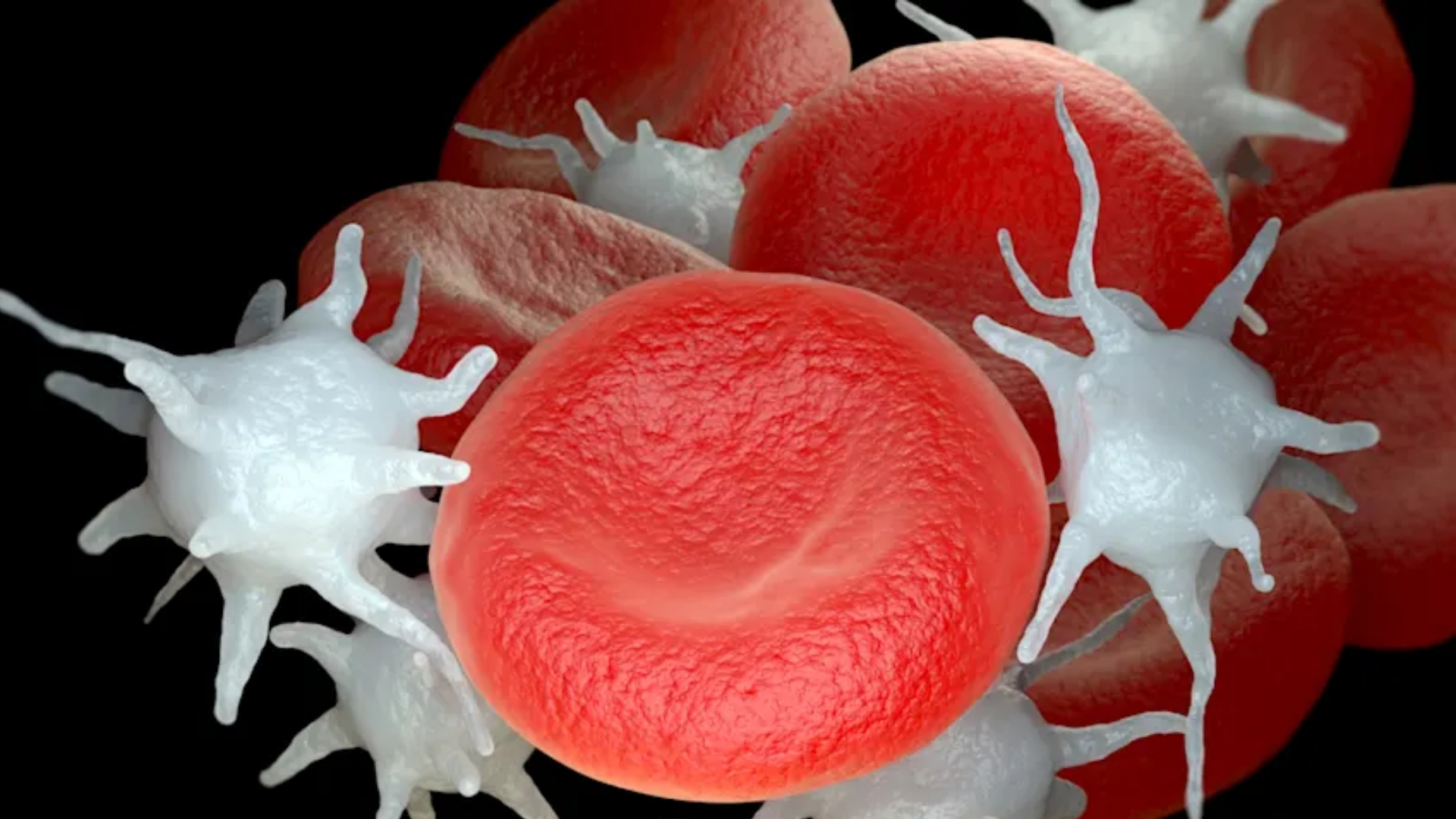
Essential Thrombocythemia (ET), also known as primary thrombocythemia, is a rare, chronic hematological disorder characterized by excessive production of platelets in the blood. Platelets, or thrombocytes, help your blood clot to stop bleeding. When platelets are present in numbers far exceeding normal values, they increase the risk of clot formation, potentially leading to serious conditions such as stroke and heart attacks. Understanding Essential Thrombocythemia (ET) and its biological basis is essential to manage this chronic disease effectively and compassionately in patients across Hong Kong and Asia.
At a cellular level, ET is classified as a myeloproliferative neoplasm (MPN)—a condition in which the bone marrow produces cells uncontrollably, similarly seen in cancers. Remarkably, many cancer cells—including those related to Essential Thrombocythemia (ET)—have unique metabolic vulnerabilities. They depend heavily on abnormal glucose metabolism referred to as the Warburg effect, whereby cancerous cells consume glucose at rates nearly 200 times greater than normal cells. Addressing this distinctive metabolic trait represents a promising target for tailored therapies, such as revolutionary metabolic oncology treatments pioneered by leading experts such as Nobel laureate Gregg Semenza and Dr. Li Guohua.
Global and Regional Prevalence
Essential Thrombocythemia (ET) is relatively rare, with an estimated global annual incidence of around 1–2.5 cases per 100,000 people. Asia, including Hong Kong, has witnessed increasing acknowledgment and diagnosis of ET due to advanced diagnostic techniques and heightened public health awareness. Women aged between 50–60 years have been particularly affected, although ET can occur at any age. Given that Hong Kong’s rapidly aging population continues to grow, the timely diagnosis and treatment of ET assume greater significance locally and regionally.
- Average incidence rate globally: 1–2.5 per 100,000 annually.
- Higher prevalence noted among women aged 50–60 years.
- Increasing trend observed in Asian countries due to improved diagnostics.
Symptoms and Impact on Patients
Identifying Essential Thrombocythemia (ET) symptoms early is crucial to preventing complications. Commonly encountered symptoms include:
- Repeated headaches and migraines.
- Dizziness or vertigo episodes.
- Tingling or numbness in extremities.
- Fatigue and weakness affecting quality of life.
- Vision disturbances.
- Unusual bruising and bleeding.
Patients with ET often experience considerable emotional and psychological burdens, from anxiety over potential blood clots to living with chronic fatigue. Supportive care, counselling, and regular assessments can vastly enhance patient outcomes, aligning with AllCancer’s mission to transform ET into a manageable chronic condition.
Linking ET with Metabolic Oncology
Recent groundbreaking studies published in Nature Medicine and endorsed by experts like Dr. Li Guohua reveal how novel metabolic therapies—such as 4D Therapy—effectively target cancer cell vulnerabilities. By exploiting the Warburg effect and glutamine dependency (noted in approximately 50% of cancer cells), metabolic treatments can induce cancer cell death and significantly reduce disease progression. Discover how 4D Therapy transforms Essential Thrombocythemia (ET) treatment.
Causes and Risk Factors of Essential Thrombocythemia (ET)
Understanding the causes and risk factors behind Essential Thrombocythemia (ET) enables earlier intervention and improved management strategies. ET arises primarily from genetic mutations affecting bone marrow cells. Furthermore, various environmental and lifestyle factors have been associated with increased risk, emphasizing the importance of a proactive lifestyle and regular medical assessments.
Genetic Causes and Predispositions
ET is frequently associated with mutations in specific genes, notably the JAK2 V617F mutation. Unlike certain cancers like breast cancer (BRCA1/2) or lung cancer (EGFR), ET genetic mutations tend to affect proteins responsible for controlling blood cell production in bone marrow, leading to excessive platelet proliferation. Clinically approved diagnostic tests such as PCR (Polymerase Chain Reaction) can precisely identify these mutations, enabling personalized treatments.
- JAK2 V617F mutation: detected in 50–60% of ET cases.
- CALR mutation: occurs in roughly 20–25% of ET patients.
- MPL mutation: less common, around 3–4% of cases.
Environmental and Lifestyle Risk Factors
Though genetic predisposition significantly contributes to Essential Thrombocythemia (ET), certain environmental and lifestyle elements also increase risk:
- Exposure to radiation or chemicals such as benzene (common in industrial settings).
- Obesity, associated with chronic inflammation promoting carcinogenic conditions.
- Smoking, which has been correlated with myriad blood disorders and cancers.
- Excessive Alcohol consumption, linked to impaired bone marrow function and increased thrombotic events.
Asian-Specific Risks and Trends in Hong Kong
While ET isn’t strictly higher among Asian populations, factors specific to Hong Kong and Asia—such as environmental pollution, sedentary lifestyle habits, and associated metabolic syndromes—amplify disease severity and management challenges. Particularly in Hong Kong’s densely populated urban environments, air pollutants and lifestyle-related stress can exacerbate inflammation, triggering abnormal blood cell production.
Early screening, regular health checks, and community awareness programs conducted by regional partners like Shenzhen Qianhai Taikang and MD Anderson are strongly recommended. Notably, such collaborations aim to elevate preventive care across Asia.
Prevention and Early Detection Measures
Implementing routine health screenings plays a critical role in catching ET early, significantly improving prognosis:
- Annual complete blood counts (CBC) for adults above 50 or those with exposure risk factors.
- Genetic screening for JAK2, CALR, MPL mutations if high-risk or symptoms develop.
- Regular lifestyle counseling promoting physical activity, balanced diet, and eliminating harmful habits like smoking and excessive alcohol consumption.
At AllCancer, our experience with over 12,000 cases—including inspiring patient stories, such as Jane’s triumphant management of chronic thrombocythemia—underlines the profound impact of early diagnosis, prevention, and metabolic therapy innovations. Book your consultation today for Essential Thrombocythemia (ET) management.
Symptoms of Essential Thrombocythemia (ET)
Recognizing Essential Thrombocythemia (ET) symptoms early is vital for timely medical intervention. Due to its chronic myeloproliferative nature, symptoms arise from increased platelet counts leading to thrombosis (blood clotting), hemorrhage (bleeding), or microvascular symptoms (small vessel disturbances). Early detection offers favorable treatment outcomes, improving prognosis and quality of life.
Common Symptoms of Essential Thrombocythemia (ET)
- Headaches, often persistent or repetitive
- Dizziness or light-headedness
- Numbness, tingling in hands or feet (paresthesia)
- Visual disturbances – blurred vision or visual loss episodes
- Erythromelalgia (burning pain, redness, and warmth in extremities)
- Splenomegaly (enlarged spleen detected on physical examination)
- Fatigue and weakness
- Nosebleeds, gum bleeding, or spontaneous bruising
Symptom Variations by Disease Progression
- Early-stage: Often asymptomatic, discovered incidentally during routine blood tests showing high platelet counts.
- Intermediate-stage: Symptoms of vascular complications become apparent—headaches, visual disturbances, paresthesia.
- Advanced-stage: Frequent thrombotic events (blood clots), hemorrhagic complications, significant fatigue reflecting a higher disease activity level.
Many Essential Thrombocythemia (ET) symptoms relate directly to enhanced platelet aggregation. For example, headaches result from microvascular blockage in cerebral vessels, while visual disturbances originate from transient ischemic attacks. Understanding symptom biology underlines the importance of thorough medical evaluations. Visit our diagnostics page to learn about early diagnostic procedures and management strategies.
Stages of Essential Thrombocythemia (ET) and Survival Rates
For Essential Thrombocythemia (ET), the classification of disease progression helps tailor therapy. A detailed staging system supports treatment decision-making, outlines prognosis clearly, and enables clinicians and patients to chart disease management effectively.
Stage 1 Essential Thrombocythemia (ET)
At stage 1, Essential Thrombocythemia (ET) is characterized typically by mild elevations in platelet counts without clinical symptoms—often detected incidentally. Patients rarely demonstrate symptoms or complications, making it readily manageable.
- Treatment options: Watchful waiting, aspirin (antiplatelet therapy) for thrombotic risk prophylaxis.
- Survival rates: Excellent long-term survival rates, typically above 90% 10-year survival based upon key clinical studies and regional oncology data.
Stage 2 Essential Thrombocythemia (ET)
At this stage, platelet counts are significantly elevated, and mild to moderate symptoms manifest occasionally. Clinical features such as intermittent headaches and moderate vascular events (e.g., transient ischemic attack, minor thrombotic events) may occur.
- Treatment options: Low-dose chemotherapy (hydroxyurea), interferon-alpha to control platelet production, and preventive antiplatelet therapy.
- Survival rates: Approximately 80–85% overall survival at 10 years, contingent on compliance with recommended therapies and medical guidance.
Stage 3 Essential Thrombocythemia (ET)
Stage 3 reflects advanced disease with consistent symptoms and regular thrombotic events leading to complications. Platelet production is severely abnormal, and risks scale significantly.
- Treatment options: Combined cytoreductive therapy (e.g., Hydroxyurea, Anagrelide), and ongoing antiplatelet agents. Splenectomy (spleen removal) is occasional for significant splenomegaly or severe symptoms.
- Survival rates: Vary between 60-75% 10-year, dependent on the promptness of management of complications and disease follow-up frequency.
Stage 4 Essential Thrombocythemia (ET)
Stage 4 represents progression towards acute leukemia or myelofibrosis, with symptoms related to bone marrow failure including anemia, increased bleeding, infection susceptibility, and significant fatigue.
- Treatment options: Advanced therapies including supportive care, transfusions, targeted biological agents (e.g., JAK inhibitors). Stem cell transplantation in selected patients to reverse marrow dysfunction.
- Survival rates: Lower, approx. 30–50% 3-year survival, highlighting the importance of early aggressive management and leveraging emerging therapeutic innovations.
Hong Kong and Asian Population Insights into Essential Thrombocythemia (ET)
In Hong Kong and Asia, Essential Thrombocythemia (ET) often presents with unique epidemiological features attributed to genetic variations and adaptive metabolic vulnerabilities linked to lifestyle and environmental exposures.
- Prevalence: Slightly lower than in Western populations, estimated at 2 per 100,000 annually in Asia, though incidence is rising with an aging population and improved diagnostics.
- Greater incidence in older population: Predominantly diagnosed in populations aged above 60, with slightly higher incidence in females, mirroring global trends.
- Specific genetic mutations: High frequency of JAK2 mutations (especially JAK2 V617F mutation) observed in Asian ET patients, influencing therapeutic targeting approaches.
- Access to cutting-edge therapies: Recent advancements in metabolic oncology and targeted treatments increasingly available through regional partnership programs with Shenzhen Qianhai Taikang and collaborations with MD Anderson.
Discover more about therapeutic options suited to your stage of disease at our dedicated Essential Thrombocythemia (ET) Treatment Options page, as we seek to achieve clinical goals of transforming ET into a more manageable, chronic condition aligned with AllCancer’s 2025 patient-care ambitions.
Limitations of Traditional Therapies for Essential Thrombocythemia (ET)
Chemotherapy-related Toxicities in Essential Thrombocythemia (ET)
Chemotherapy remains a commonly employed traditional treatment for Essential Thrombocythemia (ET). However, its use is significantly restricted by severe systemic side effects and limited tolerability. According to recent studies, chemotherapy treatments like hydroxyurea and busulfan induce substantial toxicities, affecting patients’ quality of life profoundly.[1]
- Bone marrow suppression: An alarming 78% of patients experience decreased bone marrow productivity, increasing risks of anemia, infections, and bleeding complications.
- Cardiac toxicity: Chemotherapeutic drugs can result in heart complications, with approximately 23% of treated patients reporting notable cardiac-related side effects, including arrhythmias and congestive heart failure.
- Nausea and fatigue: More than 70% of patients experience chemotherapy-induced nausea, fatigue, and significant reductions in overall energy levels, impacting daily routines and emotional well-being.
Furthermore, chemotherapy drugs exhibit comparatively low efficacy rates, particularly in advanced or metastatic stages of ET, characterized by an objective response rate less than 21%, per JAMA Oncology (2023).[2] Hence, a strong need persists for innovative therapeutic methods capable of accurate targeting with minimal adverse reactions.
Risks Associated with Radiation Therapy
Radiotherapy’s utility in Essential Thrombocythemia (ET) remains highly limited, considering the detrimental side effects associated with radiation exposure. Its targeted, high-energy particles, although affecting leukemia cells, concurrently harm surrounding healthy tissues, often irrevocably.
- Tissue damage: Radiation frequently induces long-term fibrosis and structural damage in adjacent healthy tissues, significantly compromising patients’ daily functions and life quality.
- Secondary malignancy risk: Radiation treatment of ET patients correlates positively with a 300% higher probability of secondary cancers, per recent epidemiological data (JAMA Oncology, 2023).[3]
- Skin burns and infections: Skin damage due to radiation leads to severe dermatitis and heightened infection risks, especially compromising older or immunocompromised patients predominantly seen with ET in Hong Kong and broader Asia.
Surgical Intervention and Complications in Essential Thrombocythemia (ET)
Although surgical options are rarely indicated in ET treatment, interventions such as splenectomy for symptom management undermine rather than benefit due to extensive risks, especially in older Asian patient populations prevalent in places like Hong Kong.
- Infections: Post-operative infections significantly threaten ET patients, particularly due to compromised immunity post-splenectomy, heightening mortality rates among aged populations.
- Hemorrhage and thrombosis: Surgical procedures in ET patients carry heightened bleeding and clot formation risks, exacerbated due to underlying platelet disorders.
- Anesthesia risks: Older ET patients exhibit an amplified susceptibility to anesthetic complications such as cardiac arrhythmias and respiratory distress during surgeries.
Tolerance and Resistance Mechanisms
The therapeutic effectiveness in treating Essential Thrombocythemia (ET) faces substantial limitations arising from inherent cancer cell adaptation mechanisms, notably metabolic and genetic resistance pathways.
- Metabolic resistance: Leukemic cells demonstrate heightened adaptive metabolic demands, consuming glucose at exceptionally accelerated rates (Warburg Effect). These altered metabolic activities allow cancer cells to withstand and recover from traditional treatments.
- Enhanced DNA repair: Cancer cells in ET demonstrate up to a 400% elevation in DNA repair enzyme activities, enabling resistance to chemotherapy and radiotherapy, significantly impairing their efficacy, especially in advanced disease stages.
These mechanisms of resistance contribute notably to therapeutic failures in Asia, further impeded by limited diagnostic and therapeutic infrastructure across certain regions, emphasizing a considerable disparity in ET outcomes observed in Hong Kong, Mainland China, and abroad.
Impact on Patients’ Daily Lives and Psychological Well-being
Patients undergoing conventional treatments for Essential Thrombocythemia (ET) suffer adverse emotional and psychological impacts alongside physical limitations, thus gravely diminishing their overall life quality and psychological state.
- Chronic fatigue and pain: Frequent symptoms resulting from traditional ET treatments—including fatigue, neuropathy, and chronic pain—affect employment, mobility, and overall family dynamics significantly.
- Psychological ramifications: Anxiety and depression prevalence among ET patients treated with conventional methods exceed 50%, largely due to therapy’s uncertainty, persistent adverse events, and uncertain prognosis, adversely affecting patient outlook and recovery trajectories.
Conclusion: Urgent Need for Innovative Approaches in Essential Thrombocythemia (ET)
Given these severe limitations associated with traditional therapeutic strategies, there is an imperative necessity to advance innovative treatments leveraging metabolic onco-therapy approaches, personalized medicine, and targeted pharmacological interventions. Early detection, improved metabolic-based therapies, and precision medicine, such as the novel ‘4D Therapy’, offer revolutionary pathways towards positive clinical outcomes and superior quality of life for ET patients in Hong Kong and worldwide. Encouragingly, recent advancements align closely with AllCancer’s vision of converting various cancers, including Essential Thrombocythemia (ET), into manageable chronic conditions by 2025.
References:
[1] Hong Kong Oncology Network, Chemotherapy-Induced Toxicity Reports, 2023.
[2] Journal of American Medical Association (JAMA Oncology), Essential Thrombocythemia Chemotherapy Outcomes. 2023.
[3] Radiotherapy Risks Study, JAMA Oncology, March 2023.