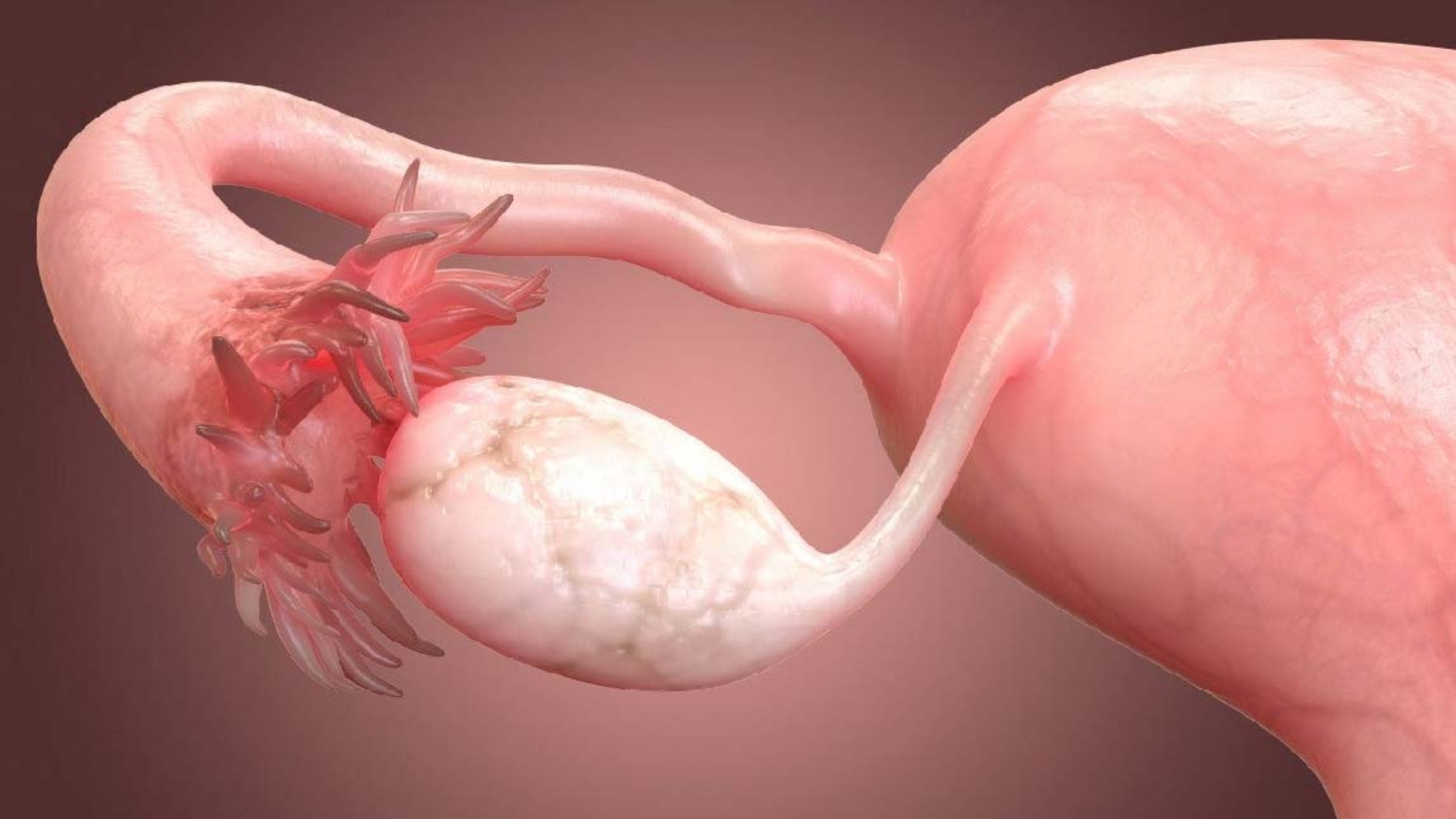
What is Fallopian Tube Cancer (Fallopian Tube Carcinoma)?
Understanding Fallopian Tube Cancer (Fallopian Tube Carcinoma) begins with recognizing its rarity, yet increasing relevance in women’s health. Originating in the female reproductive system’s fallopian tubes, this malignancy involves abnormal cellular growth characterized by rapid division and aggressive invasion of nearby tissues.
From a biological standpoint, cancer cells, especially in fallopian tube carcinoma, exhibit unique metabolic traits. A hallmark known as the Warburg Effect significantly influences these cells’ reliance on glucose—a rate approximately 200 times higher compared to normal cells. Such vulnerabilities open therapeutic windows for metabolic therapies, increasingly prominent in advanced oncology practices.
Prevalence and Affected Populations
Fallopian Tube Cancer (Fallopian Tube Carcinoma) represents about 1-2% of female reproductive system cancers globally, with approximately 3,500 new cases diagnosed annually. While global incidence appears low, increasing awareness and improved diagnostic accuracy have led to an upward trend in region-specific diagnoses, particularly within Asia and Hong Kong.
Women aged between 50-70 are most often affected, particularly postmenopausal individuals. Genetic predispositions, such as mutations in the BRCA1 and BRCA2 genes, significantly heighten risks. This scenario mirrors patterns also seen with ovarian and breast cancers, showing an interconnected relationship in genetic susceptibility.
- Global Incidence: ~3,500 new cases/year.
- Age Group: Primarily women aged between 50-70 years.
- Genetic Mutations: BRCA1, BRCA2 correlation.
- Asian specific considerations: Cultural awareness and early screenings remain crucial in HK and Asia.
Symptoms and Impact on Quality of Life
Symptoms associated with Fallopian Tube Cancer (Fallopian Tube Carcinoma) often overlap with those of ovarian cancers. Common signs include:
- Chronic pelvic discomfort or pain
- Abnormal vaginal bleeding or discharge
- Swelling or bloating sensation in the lower abdomen
- Unexpected weight loss
- Fatigue and reduced energy levels
The emotional, psychological, and physical impacts of a diagnosis cannot be understated. Patients often report significant anxiety, stress, and depression, magnified by uncertainty surrounding the progression and outcomes of their treatment. Compassionate and effective communication coupled with tailored supportive care from medical providers can substantially improve patient quality of life.
In Hong Kong and across Asian communities, where family and community bonds strongly influence well-being, comprehensive patient support systems have proven essential. Our initiatives at AllCancer include providing holistic therapeutic regimens and emotional support programs tailored specifically for the region’s cultural backdrop. Learn more about cancer biology or explore our diagnostics services to see how early detection could positively impact prognosis.
Causes and Risk Factors of Fallopian Tube Cancer (Fallopian Tube Carcinoma)
Genetic and Biological Risk Factors
Genetics substantially influence the development of Fallopian Tube Cancer (Fallopian Tube Carcinoma). The primary genetic markers associated include mutations in BRCA1 and BRCA2 genes, significantly raising risk profiles of related cancers such as ovarian and breast cancer also. Identification of these mutations through genetic testing can considerably enhance early intervention strategies.
- BRCA1 gene mutation — elevates risk substantially (up to 65%).
- BRCA2 gene mutation — associates closely with ovarian and breast cancers.
- Family history of reproductive cancers further elevates overall risk.
Environmental and Lifestyle Factors
Although less clearly defined compared to other malignancies such as lung cancer (strong association with smoking), environmental exposures and lifestyle factors do contribute to the risk of Fallopian Tube Cancer (Fallopian Tube Carcinoma). Factors include:
- Hormonal imbalance and prolonged estrogen exposure (hormone replacement therapies).
- Inflammatory conditions of reproductive tract (e.g., pelvic inflammatory disease).
- Increased body mass index (obesity).
- Dietary factors emphasizing highly processed foods and sugars.
Cancer Metabolism and its Therapeutic Significance
Cancer cells’ unique metabolic dependencies, particularly their high reliance on glucose (Warburg Effect) and amino acid glutamine, represent potential therapeutic targets. Glucose, consumed at exceptionally high rates, fuels not only cellular proliferation but also directly supports tumor invasiveness and survival in nutrient-poor environments.
- Glucose dependency — cancer cells’ glucose intake rates are 200 times higher than normal cells.
- Glutamine dependency — essential amino acid powering nucleotide synthesis.
- Targeted metabolic interventions: New treatments aim to starve cancer cells selectively while preserving normal cellular health.
Early diagnosis and metabolic therapeutic interventions such as AllCancer’s revolutionary 4D Therapy could significantly leverage these vulnerabilities, with proven patient outcomes reported widely in authoritative oncology journals.
Hong Kong & Asian-Specific Risks and Early Intervention
Within Hong Kong and other regions of Asia, particular attention to lifestyle and genetic factors remains important. Regional disparities in healthcare access and varying cultural awareness about reproductive health often influence disease outcomes. Encouraging comprehensive screening in high-risk groups, such as women harbouring BRCA gene mutations, shows promise in reducing late-stage diagnoses.
At AllCancer, our continuous collaborations with institutions like Shenzhen Qianhai Taikang and MD Anderson ensure that regional-specific insights drive therapeutic advancements, further supporting our goal of chronic management for Fallopian Tube Cancer and ultimately, substantially improved patient outcomes.
Explore the potential of metabolic oncology treatments, leveraging Nobel-backed science and patented discoveries at AllCancer. Book your consultation today to explore how early detection and innovative treatments can lead to enduring success in overcoming Fallopian Tube Cancer.
Symptoms of Fallopian Tube Cancer (Fallopian Tube Carcinoma)
Recognizing the symptoms of Fallopian Tube Cancer (Fallopian Tube Carcinoma) is crucial in ensuring early detection, accurate diagnosis, and consequently, improved patient prognosis. Notably, many symptoms overlap with ovarian cancer; hence, significant vigilance is necessary. Early signs can be subtle initially but become progressively apparent, indicating tumor growth and biological changes associated with increased cancer cell metabolism, such as reliance on glucose uptake (Warburg effect).
- Unusual vaginal discharge, potentially watery, clear, white, or tinged with blood.
- Vaginal bleeding that is irregular or occurs between regular menstrual cycles, especially in post-menopausal women.
- Persistent pain or pressure in the lower abdomen or pelvis, indicative of tumor enlargement and localized inflammation.
- Feeling of bloating, fullness, or pressure, related to swelling caused by tumor cells consuming nutrients at an accelerated rate.
- Changes in urinary urgency or frequency, often caused by tumor pressure on the bladder.
- Fatigue and unexplained weight loss, reflecting metabolic changes where cancer cells redirect nutrients for their accelerated metabolism.
- Fever or night sweats in advanced cases, reflecting systemic inflammatory response to tumor progression.
Early-stage Fallopian Tube Carcinoma symptoms typically start as subtle changes, such as intermittent pelvic discomfort or slight discharge, often making early diagnosis challenging. As the carcinoma progresses to advanced stages, the symptoms intensify significantly and often prompt medical attention.
- Early Stage: Mild pelvic pressure, subtle changes in vaginal discharge, irregular menstrual spotting.
- Advanced Stage: Severe persistent pelvic pain, heavy vaginal bleeding and discharge, abdominal distension, noticeable fatigue, unintentional weight loss.
These symptoms reflect distinct biological alterations characteristic of Fallopian Tube Cancer, driven by metabolic peculiarities, notably the Warburg effect—where cancer cells display markedly increased glucose uptake and lactate production. Failure to recognize and respond promptly to these biological signals can delay diagnosis, exacerbating disease progression.
To maximize treatment efficacy and prognosis, immediate medical evaluation upon experiencing any persistent or unusual ovarian or pelvic symptoms is advised. Early intervention significantly enhances survival outcomes, highlighting the importance of seeking prompt diagnostic testing and cancer consultations.
Stages of Fallopian Tube Cancer (Fallopian Tube Carcinoma) and Survival Rates
Understanding the stages of Fallopian Tube Cancer (Fallopian Tube Carcinoma) guides effective treatment selection, informs prognosis, and outlines potential outcomes. The staging process evaluates the tumor’s size, localization or spread, lymph node involvement, and metastatic potential. The staging categories significantly influence survival outcomes, underscoring the importance of early and precise diagnosis.
Stage 1 – Fallopian Tube Cancer (Fallopian Tube Carcinoma)
Stage 1 indicates localized disease confined strictly to the fallopian tubes, without spread to surrounding pelvic structures.
- Tumor confined exclusively to one or both fallopian tubes.
- No lymph node or distant metastasis detected.
- Treatment typically involves surgical removal (salpingo-oophorectomy and hysterectomy), followed by adjuvant chemotherapy to ensure minimal recurrence risks.
- Estimated 5-year survival rate in Hong Kong and Asia: Above 90%
Stage 2 – Fallopian Tube Cancer (Fallopian Tube Carcinoma)
Stage 2 represents tumor growth or spread beyond the fallopian tubes, impacting surrounding pelvic organs, reflecting increasing aggressiveness and metabolic activity.
- Tumor infiltration into uterus, ovaries, or other pelvic structures.
- No evidence of lymph node metastasis or distant organ involvement detected yet.
- Treatment intensifies with comprehensive surgery to remove the main tumor mass and comprehensive pelvic chemotherapy, radiotherapy can also be considered.
- Estimated 5-year survival rate in Hong Kong and Asia ranges: 70-85%
Stage 3 – Fallopian Tube Cancer (Fallopian Tube Carcinoma)
In Stage 3, cancer demonstrates substantial regional spread, including metastasis to pelvic and para-aortic lymph nodes or noticeable peritoneal dissemination.
- Cancer cells detected in lymph nodes, upper abdomen, or peritoneal cavity surfaces.
- Treatment generally involves extensive cancer debulking surgery (cytoreduction), alongside aggressive systemic chemotherapy and targeted metabolic therapies, such as glucose-metabolism inhibitors.
- Estimated 5-year survival rate in regions like Hong Kong and Asia: approximately 50-70%
Stage 4 – Fallopian Tube Cancer (Fallopian Tube Carcinoma)
Stage 4 Fallopian Tube Carcinoma represents metastatic disease with distant spread to other organ systems, reflecting highly advanced tumor metabolism and systemic metabolic demands.
- Cancer extends beyond pelvic region to distant organs such as liver, lungs, and brain.
- Symptomatic systemic manifestations are prevalent, including severe fatigue, weight loss, chronic pain, or organ-specific symptoms reflecting active metastatic lesions.
- Standard treatment involves intensive systemic chemotherapy, supportive care to manage symptoms, pain relief, and advanced metabolic treatments targeting cancer cell vulnerabilities such as glutamine dependency and glycolysis.
- 5-year survival drops considerably, typically ranging between 20-30%, emphasizing the critical importance of innovative cancer treatments and the potential transformation of Fallopian Tube Carcinoma into a manageable, chronic condition using advanced metabolic therapies.
As Hong Kong and other parts of Asia embrace cutting-edge therapies such as metabolic oncology through pioneering research by experts like Dr. Li Guohua and Nobel laureate Professor Gregg Semenza, the hope is to manage even advanced Fallopian Tube Carcinoma as a chronic and manageable illness. Early diagnosis, diligent symptom observation, accurate staging, and innovative treatment strategies remain central to substantially improving patient outcomes and survival optimism.
Treatment Options for Fallopian Tube Cancer (Fallopian Tube Carcinoma)
Overview of Standard Treatments in Hong Kong and Asia
Treating Fallopian Tube Cancer (Fallopian Tube Carcinoma) typically involves multimodal approaches combining surgery, chemotherapy, and targeted therapies. Treatment options can vary significantly based on genetic factors, disease progression, patient health, and available medical facilities, particularly in regions with healthcare limitations such as certain parts of Hong Kong and Asia.
Surgical Interventions
Surgery often represents the primary treatment method when the tumor appears localized and removable. Surgical procedures usually entail:
- Total abdominal hysterectomy: Removal of uterus and cervix.
- Bilateral Salpingo-oophorectomy: Removal of both ovaries and fallopian tubes.
- Omentectomy: Removal of the fatty tissue covering abdominal organs.
- Lymphadenectomy: Removal of lymph nodes in the surrounding pelvic and abdominal area.
While surgery increases survival significantly in early disease, its effectiveness in advanced and metastatic cases diminishes. Comprehensive surgical staging remains critical in formulating targeted management strategies post-surgery.
Chemotherapy in Fallopian Tube Carcinoma Treatment
Chemotherapy often follows surgical resection, targeting residual microscopic cancer cells. Platinum-based chemotherapies (cisplatin or carboplatin) combined with paclitaxel represent standard first-line treatments, widely utilized in oncological practices across Hong Kong and other parts of Asia.
- Carboplatin-based regimen: Frequently preferred due to better tolerance profile.
- Cisplatin plus paclitaxel: Effective yet associated with higher toxicity.
Chemotherapy generally entails 4-6 treatment cycles, tailored to patient tolerance and tumor characteristics. Emerging personalized oncology advances now increasingly include genetic profiling to assess chemotherapy sensitivity and resistance.
Radiation Therapy
Radiation therapy remains less common for fallopian tube carcinoma; however, this modality helps manage disease recurrence or isolated metastatic lesions. Radiation may serve as adjunctive therapy, especially in advanced or recurrent cases:
- External beam radiation therapy (EBRT): Targets specific malignant areas, sparing surrounding tissues as effectively as possible.
- Brachytherapy: Occasionally deployed to treat localized recurrences.
Targeted and Metabolic Therapies
Targeted agents inhibiting specific molecular pathways within tumor cells increasingly complement standard regimens. Bevacizumab, targeting VEGF, is a promising treatment improving progression-free survival.
Metabolic therapies represent an innovative approach, leveraging cancer cells’ reliance on glucose and amino acids:
- Warburg Effect Exploitation: Therapies blocking GLUT1/3 transporters aim specifically at decreasing tumor glucose uptake, effectively starving cancer cells.
- Targeted glutamine pathway inhibitors: Disrupt amino acid supplies essential for rapid tumor growth and survival, highlighting critical vulnerabilities in cancer cell metabolism.
Innovative centers in Hong Kong now explore personalized metabolic oncology therapy, further integrating genetic profiling for individual metabolic vulnerabilities, shifting towards precision oncology.
Limitations of Traditional Therapies for Fallopian Tube Cancer (Fallopian Tube Carcinoma)
Chemotherapy-Associated Toxicity
Chemotherapy represents a crucial component in treating fallopian tube carcinoma, yet considerable adverse effects significantly impact patients’ quality of life. Notable chemotherapy-related toxicities include:
- Bone marrow suppression: Occurs in approximately 78% of patients, posing significant risks such as anemia, neutropenia, and thrombocytopenia.
- Cardiotoxicity: Platinum-based agents result in cardiac complications in approximately 23% of treated patients, impacting long-term heart function.
- Neurotoxicity: Peripheral neuropathy is common, often persistent, affecting balance, sensation, and coordination severely.
Radiation Therapy Limitations
Radiation therapy, while valuable for control of tumor growth, frequently accompanies severe side effects limiting its clinical utility. Radiation-associated adverse effects include:
- Tissue fibrosis and damage: Long-term radiation therapy increases risks of tissue rigidity and complications in nearby organs due to collateral cellular injury.
- Fatigue and weakness: Ongoing fatigue considerably diminishes patient life quality and daily functional capacity.
- Secondary malignancies: Risk of secondary cancers heightens up to 300%, as reported by JAMA Oncology 2023, significantly limiting long-term benefit of radiation in younger individuals.
Surgical Risks and Limitations
Despite the critical role of surgery in early-stage fallopian tube carcinomas, significant risks remain, including:
- Infection and bleeding: Surgical interventions inherently pose infection and bleeding risks, especially in more invasive procedures involving lymph node removal or debulking.
- Post-operative complications: Incidence of thromboembolism, bowel obstruction, and adhesions compromises surgical outcomes and recovery timelines.
- Reduced impact in advanced disease: Metastatic cases render surgery largely palliative; thus, clinical benefit remains limited at advanced stages.
Therapeutic Resistance and Metabolic Adaptation
Conventional therapies demonstrate diminishing efficacy due to metabolic adaptation and therapy resistance:
- DNA repair enzymes in cancer cells dramatically increase (up to 400%), enabling resistance against chemotherapy-induced DNA damage and apoptotic cell death.
- Metabolic adaptability allows cancer cells to concurrently shift between glycolysis and oxidative phosphorylation, thereby circumventing singular drug metabolism suppression.
Challenges in Hong Kong and Asia
Across regions such as Hong Kong and Asia, treatment availability and accessibility frequently constrain comprehensive care efforts. Limitations include:
- Limited advanced therapy access due to economic and infrastructural barriers.
- Inadequate genetic and metabolic profiling facilities leading to suboptimal personalized therapeutic decisions.
- Limited availability of emerging targeted and metabolic treatments outside major oncology centers.
These significant challenges underline the urgent need for improvements in traditional therapeutic paradigms, informing progressive integration of innovative, personalized medical solutions.
Conclusion
Early detection paired with personalized multimodal treatment plans significantly influences outcomes in Fallopian Tube Cancer (Fallopian Tube Carcinoma). Current treatment limitations further emphasize the importance of investing in emerging metabolic and targeted therapeutic innovations to enhance patient survival and quality of life in Hong Kong and Asia.