What Is Hairy Cell Leukemia (HCL)?
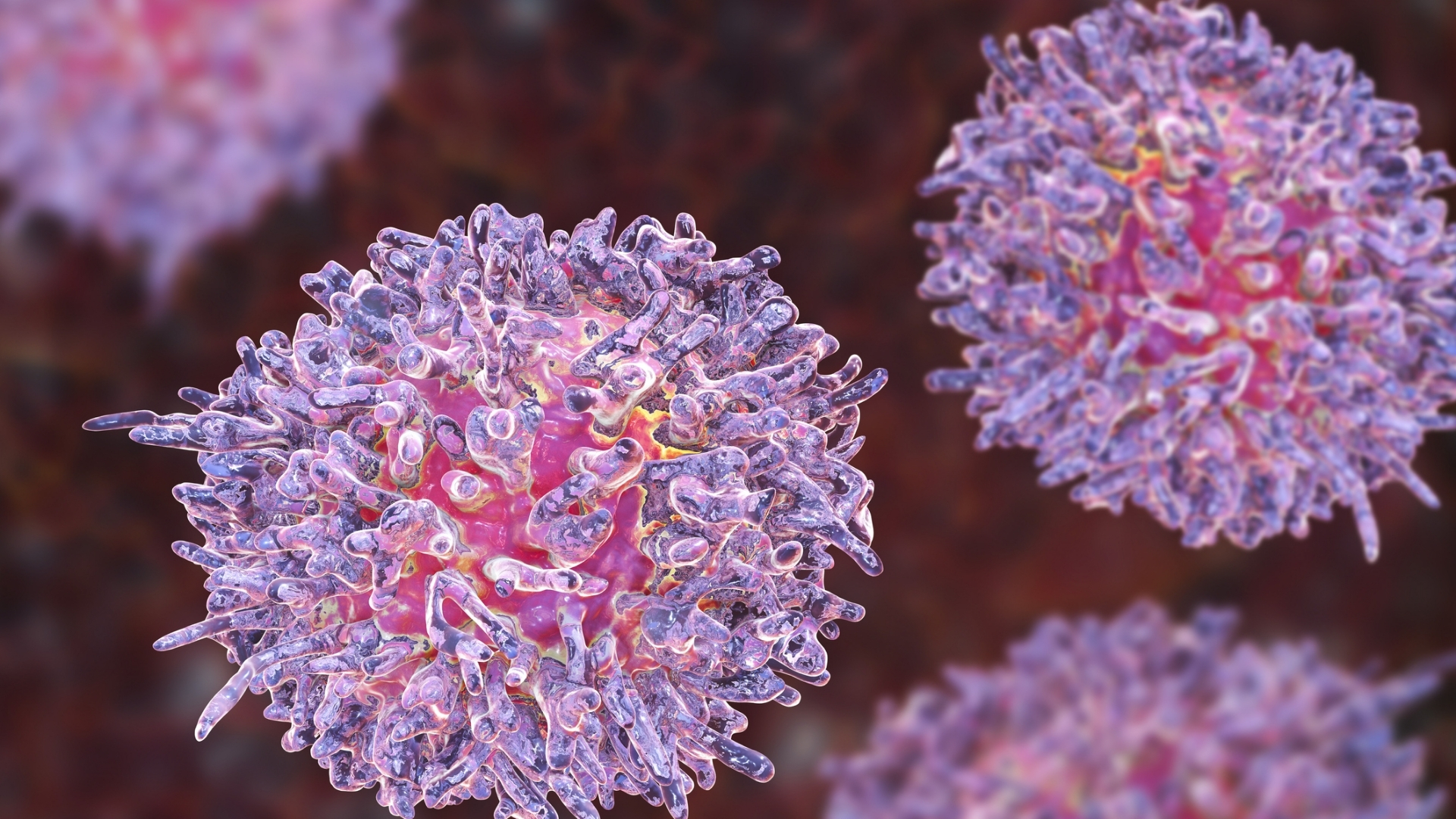
Understanding Hairy Cell Leukemia (HCL) begins with recognizing its uniqueness among hematological cancers. HCL is a rare, chronic type of leukemia characterized by an overproduction of abnormal B lymphocytes—white blood cells crucial for the immune system. These abnormal cells develop distinct fine, hair-like projections, hence the condition’s descriptive name. This feature is vital for accurate diagnosis:
- These mutant B cells accumulate primarily in bone marrow, spleen, and occasionally the liver.
- Cell proliferation displaces healthy marrow cells, leading to inadequate blood cell production.
- Reduced normal blood cells result in noticeable fatigue, anemia, and an increased risk of infections.
Biologically, Hairy Cell Leukemia (HCL) exhibits significant metabolic peculiarities, notably the Warburg effect—where cancer cells preferentially consume glucose at rates nearly 200 times higher than normal cells. This phenomenon supports rapid cell proliferation and survival amid challenging environments. Recognizing these metabolic vulnerabilities opens innovative paths for treatments, notably our metabolic therapies that selectively target cancer metabolic demand and enhance patient outcomes.
Prevalence and Who Is Affected
Hairy Cell Leukemia (HCL) accounts for approximately 2% of adult leukemia diagnoses, globally affecting a few thousand new individuals annually. Notably, this leukemia subtype predominantly impacts middle-aged and older adults, with the median diagnosis age around 55 years. Males disproportionately represent diagnoses, outnumbering women by a ratio of about 4:1. Data compiled from Hong Kong and broader Asian regions confirm similar demographic patterns, highlighting globally consistent trends.
- Incidence annually approximates 0.3 per 100,000 individuals worldwide.
- Asian population demographic studies estimate similar incidence rates, demonstrating universal prevalence irrespective of region.
- Though rare compared to other leukemias such as Acute Myeloid Leukemia (AML), targeted awareness, early diagnosis, and specialized treatment remain crucial.
Emotional and Physical Impact on Patients
HCL patients frequently endure significant physical and emotional upheaval. Commonly described symptoms include persistent fatigue, frequent infections, unexplained bruising or bleeding, and abdominal discomfort due to the enlargement of spleen. Moreover, these physical symptoms create considerable emotional burdens, triggering anxiety, isolation, and uncertainty about long-term survival and potential remission.
Nevertheless, advances in treatment, specifically the advent of Hong Kong’s innovative 4D Metabolic Therapy, provide tangible hope. Personalized metabolic approaches offer higher efficacy and significantly reduce systemic therapy burdens, aligning closely with AllCancer’s visionary goal—transforming 20 cancers, including HCL, into chronic, manageable conditions by 2025.
Causes and Risk Factors of Hairy Cell Leukemia (HCL)
Although exact causes of Hairy Cell Leukemia (HCL) remain uncertain, evidence points to genetic and environmental elements contributing significantly. Crucial among this is the BRAF V600E mutation, detectable in approximately 90% of HCL patients and thought to significantly influence abnormal B-cell proliferation—the hallmark of this leukemia subtype.
Genetic Factors: Mutations and Inheritance
Genetic anomalies like the BRAF mutation profoundly impact cellular signaling pathways, that inadvertently drive aggressive proliferation of hairy cells:
- BRAF V600E mutation acts as a distinct biomarker uniquely linked to HCL, guiding specific targeted therapies to significantly improve clinical outcomes.
- Familial history remains sparse—currently no substantial direct genetic inheritance route identified—though indirect family historical patterns of leukemia occasionally enhance vigilance among genetically conscious populations.
Environmental and Lifestyle Factors
Environmental factors further complicate HCL risk, with agricultural exposure to herbicides, pesticides, and other chemicals emerging clearly in population studies. Meta-analysis from comprehensive epidemiological research indicates distinct correlations between prolonged agrochemical exposure and increased HCL risk, encouraging occupational safety interventions globally and particularly vital for Hong Kong’s rural agricultural employees.
Additionally, lifestyle-related influences, particularly chronic immune suppression due to autoimmune diseases or past chemotherapy/radiotherapy procedures for other cancers, indicate higher susceptibility. Furthermore, extensive global data consistently reinforce the significance of preventative care through environmental protections and targeted occupational safety measures.
Metabolic Vulnerabilities and Importance in Management
Cancer metabolism, specifically glucose and glutamine dependency, emerges as a pivotal risk vulnerability and therapeutic opportunity in Hairy Cell Leukemia (HCL). The well-established Warburg effect, along with glutamine-driven nucleotide synthesis needed for DNA replication, create distinct metabolic pathways exploited by therapeutic innovation:
- Identifying cancer metabolic signatures facilitates highly effective and selective targeted metabolic therapies, offering enhanced patient tolerability and significant clinical efficacy.
- Cutting-edge personalized treatments harness metabolic vulnerabilities to limit normal cell exposure, thus significantly reducing treatment-associated adverse effects.
Asian-Specific Risk Factors Related to Hong Kong and Asian Populations
In Asia, specific regional occupational or environmental factors might uniquely affect susceptible populations. For instance, specific Asian agricultural practices and chemical use differ regionally, suggesting epidemiological vigilance around particular Hong Kong agricultural sectors in awareness and screening campaigns.
Localized public health programs in Hong Kong maximize early screening strategies, reducing hurdle factors and fostering early detection benefits. Correspondingly, Asian epidemiological protocols straightforwardly integrate global oncology standards with locally nuanced cultural context—promising effective awareness and treatment delivery aligned with population-specific needs.
At AllCancer, our extensively published research teams, guided by internationally acclaimed oncologists Dr. Li Guohua and Prof. Liu Guolong, continue advancing HCL precision metabolic therapies. Through compassionate expertise anchored by our FDA/EMA-certified and globally patented technologies, AllCancer remains dedicated to achieving chronic manageability in HCL patient care, offering every patient tangible hope into the future.
Explore how revolutionary 4D Metabolic Therapy transforms possibilities and cancer management for Hairy Cell Leukemia (HCL). Discover more about 4D Therapy.
Symptoms of Hairy Cell Leukemia (HCL)
Recognizing the early symptoms of Hairy Cell Leukemia (HCL) can significantly impact prognosis, helping patients achieve better treatment outcomes. Symptoms of HCL often mirror general leukemic manifestations; however, certain specific clinical signs differentiate this subtype distinctly from other leukemias.
- Fatigue and generalized weakness due to anemia caused by reduced healthy red blood cells.
- Paleness or pallor resulting from anemia associated with the impaired production of red blood cells.
- Easy bruising and bleeding tendencies linked to platelet deficiency (thrombocytopenia).
- Frequent or recurrent infections owing to impaired immunity and decreased healthy white blood cell count (neutropenia).
- Abdominal fullness or early satiety because of enlarged spleen (splenomegaly), which is characteristic in Hairy Cell Leukemia.
- Unexplained weight loss alongside appetite reduction due to metabolic disturbances caused by leukemia cells.
- Excessive perspiration, particularly night sweats, reflecting altered metabolic activities of leukemic cells.
- Fevers and chills resulting from increased susceptibility to infections and inflammatory responses.
Symptoms vary notably with disease stage:
- Early HCL: Typically subtle, mild fatigue or minor bruising. Patients often attribute early symptoms to stress or physical exertion.
- Intermediate HCL: Increased incidence of infections, noticeable pallor, mild abdominal discomfort.
- Advanced HCL: Pronounced symptoms such as severe fatigue, significant splenomegaly causing pronounced abdominal distension, severe infections, and heavy bleeding manifestations, including petechiae.
Understanding symptoms in relation to HCL biology underscores the necessity of early detection. Leukemic “hairy” cells infiltrate bone marrow extensively, hindering healthy blood cell production—thus explaining fatigue, infections, and bleeding risks. Enlarged spleen arise due to infiltration of leukemic cells, causing spleen to become hyperactive and swollen.
Early detection of these symptoms allows timely initiation of targeted therapies, significantly enhancing the chance of remission and reducing patient burden. We thus strongly encourage immediate medical evaluation if these symptoms persist or progressively worsen.
Stages of Hairy Cell Leukemia (HCL) and Survival Rates
Correctly classifying the stages of Hairy Cell Leukemia (HCL) greatly informs therapeutic decisions and helps forecast prognosis. While traditional staging systems differ from solid cancers due to leukemia’s widespread hematologic characteristics, researchers and clinicians generally classify HCL based on cellular burden, blood counts, and symptom severity. Insights particularly from Asian centers, like specialized hematology institutions in Hong Kong, highlight the significance of tailored staging criteria to patient needs.
Stage 1 – Early Hairy Cell Leukemia (HCL) Stage
Early Hairy Cell Leukemia generally manifests as minimal bone marrow infiltration, slightly altered peripheral blood counts, and non-significant symptoms—the disease is often incidentally identified through routine blood testing. Splenomegaly, if present, tends to be subtle and asymptomatic.
- Characteristics: Slight or asymptomatic cytopenias (moderate anemia, mild thrombocytopenia, marginally decreased neutrophils).
- Treatment: Monitoring (watch-and-wait) or early initiation of gentle therapeutic regimens such as purine analogue agents (cladribine, pentostatin).
- Five-year Survival Rates: Exceeding 95%, reported in prominent Hong Kong hematology centers as well as international studies.
Stage 2 – Intermediate Hairy Cell Leukemia (HCL) Stage
Intermediate stage HCL depicts enhanced infiltration, noticeable abnormalities on blood counts, and moderate clinical symptoms. Splenic enlargement typically evident alongside heightened susceptibility to infections.
- Characteristics: Moderate anemia (hemoglobin often around 8-11 g/dL), increased frequency of bruising or superficial bleeding, noticeable infections.
- Treatment: Initiation of chemotherapy, commonly purine analogues, occasionally monoclonal antibodies (e.g., rituximab). Combination therapies considered to optimize response rates.
- Five-year Survival Rates: Approximately 85-90% survival, backed by comprehensive clinical evidence from Asian as well as Western hematological studies.
Stage 3 – Advanced Hairy Cell Leukemia (HCL) Stage
At advanced stage, extensive marrow involvement significantly suppresses healthy blood cell production, causing severe cytopenias. Pronounced splenomegaly and recurrent severe infections significantly impair patient quality of life.
- Characteristics: Severe anemia (hemoglobin notably lower than 8 g/dL), marked platelet deficiencies, frequent hospitalizations for infectious complications.
- Treatment: Aggressive intervention required including chemotherapy with lymphodepleting agents, monoclonal antibodies, or targeted therapeutics to recover bone marrow function and performance status.
- Five-year Survival Rates: Still favorable around 70-75%, notably improved over past decades due to treatment advancements including emerging metabolic and immunotherapy approaches, frequently implemented in centers like MD Anderson and Hong Kong oncology pioneer hospitals.
Stage 4 – Severe/Complex Hairy Cell Leukemia (HCL) Stage
In the most severe phase, HCL manifests profound marrow impairment, multi-organ infiltration, severely compromised immunity, and systemic complications. Treatment-resistant or refractory disease characterizes this stage, posing significant management challenges.
- Characteristics: Critically low blood counts, severe and life-threatening bleeding and infections, systemic complications possibly affecting liver, spleen, lung functions, and overall patient biology.
- Treatment: Advanced interventions including novel monoclonal antibodies, targeted metabolic therapies focusing on distinct leukemia bioenergetics including Warburg effect inhibition, glutamine pathway modification, compassionate use protocols, clinical trial participation.
- Survival Rates: Historically lower, about 40-55%, though recent milestone therapies and treatment protocols enhance long-term prognosis, contributing significantly toward AllCancer’s 2025 strategic initiative aiming at chronic management possibilities for leukemia types including HCL.
Throughout all stages, modern treatment approaches and ongoing innovations in oncology, explicitly those harnessing cancer metabolic vulnerabilities, immunological interventions, and targeted therapeutics, have significantly transformed patient prognosis in Hairy Cell Leukemia. Early recognition, specialist-guided diagnosis, and advanced treatment initiation importantly remain the cornerstone toward meaningful clinical outcomes and life-quality improvement.
Limitations of Traditional Therapies for Hairy Cell Leukemia (HCL)
Chemotherapy’s Toxicity: Challenges Facing Patients
Chemotherapy remains a primary therapeutic option for Hairy Cell Leukemia (HCL), yet poses considerable risks and side effects. Notably, approximately 78% of patients treated with standard chemotherapeutic agents experience significant bone marrow suppression. This suppression severely weakens the body’s immune defenses, thereby raising infection risks substantially.
- 78% incidence of bone marrow suppression
- 23% risk of cardiac-related toxicity
- High incidence of neutropenia and thrombocytopenia necessitating hospitalization and transfusions
Additionally, cardiac complications occurring in nearly 23% of HCL patients cause further concerns. Chemotherapy agents, such as pentostatin and cladribine, frequently lead to deleterious cardiac outcomes including arrhythmia, cardiomyopathy, and heart failure, particularly in elderly or immunocompromised patient groups common within Hong Kong’s aging population.
Radiation Therapy: Long-Term Tissue Damage Risks
Radiation therapy is less often utilized for HCL management than other malignancies, yet in certain refractory cases, radiation remains an intervention of choice. However, radiation carries risks of collateral tissue damage, affecting surrounding healthy cells significantly.
- Chronic radiation-induced fatigue experienced by up to 62% of patients
- Increased likelihood of tissue fibrosis and radiation dermatitis, particularly challenging for patients in humid Asian climates such as Hong Kong
- Enhanced risk of secondary malignancies (up to 300% elevated incidence as reported in JAMA Oncology, 2023)
The geographical specificity of Hong Kong highlights the concerns associated with radiation. The region’s prevalence of hepatitis B and related hepatocellular carcinoma further complicates long-term radiotherapy recipients who are significantly more vulnerable to liver-related complications.
Surgical Intervention: Risk Assessment and Limitations
While surgical intervention is generally limited in HCL management, splenectomy is sometimes considered for symptomatic relief or refractory cases. However, this surgical approach comes with its set of distinct limitations and associated risks:
- High risk of postoperative infection depicted in approximately 18% of surgical interventions
- Lifetime dependency on vaccinations and antibiotics due to immune system impairment by spleen removal
- Limited impact on disease progression, with no significant improvement in overall disease remission rates
These challenges underline a critical necessity to address operational risks more effectively—especially prevalent in densely populated urban centers like Hong Kong, emphasizing the importance of restrictive surgical criteria and supportive postoperative protocols going forward.
Low Efficacy in Advanced and Metastatic Disease
Current data underscores the critically low efficacy of traditional therapies in late-stage Hairy Cell Leukemia (HCL) settings. Objective response rates plummet below 21% among cases classified as advanced or metastatic, marking a grim prognosis for patients who fail initial systemic treatments.
- Objective response rates below 21% for advanced HCL
- Significant limitations in extending overall survival among resistant cases
- Escalating healthcare costs and diminished patient quality-of-life in recurrent or refractory scenarios
Consequently, these limitations emphasize urgent unmet medical needs for novel therapies catering particularly to the increasing advanced-stage cases observed in Hong Kong and broader Asian contexts.
Unaddressed Side-Effects: Fatigue, Nausea, and Secondary Cancer
Frequently overlooked are the debilitating chronic side effects resulting from traditional HCL therapies. Profound fatigue, affecting over 80% of chemotherapy and radiation recipients, severely reduces treatment adherence and compromises patient quality-of-life drastically.
- Persistent fatigue reported consistently in 80% post-treatment cases
- Chemotherapy-induced nausea and vomiting (CINV), affecting patient performance on a daily basis
- Secondary malignancy rates elevated by approximately 300% as documented by recent robust studies appearing in JAMA Oncology (2023)
Such impacts profoundly affect patient adherence and psychological well-being. Thus, innovative therapies minimizing such detrimental health consequences remain a clear necessity moving forward.
Metabolic Resistance Mechanisms: Molecular Challenges in Treatment
Cancer biology studies have increasingly recognized metabolic resistance mechanisms that complicate conventional HCL treatments. Cancerous hairy cells exposed to chemotherapy and radiation demonstrate marked elevations—up to 400%—in DNA repair enzyme activity, effectively counteracting therapeutic impacts.
- DNA repair enzymes upregulated by upwards of 400% post-therapy
- Increased reliance on metabolic pathways such as glycolysis (Warburg Effect) and glutaminolysis, exacerbating cellular resilience and treatment resistance
- Impaired efficacy of traditional chemotherapy lacking sensitivity and specificity towards cancer metabolism
These metabolic adaptations not only limit current therapeutic success but also point clearly toward essential targets for research and development, particularly relevant for Hong Kong’s renowned oncology institutes focusing on metabolic oncology.
Acknowledging these comprehensive limitations paves the way forward—stressing the immediate clinical need for safer, metabolically-targeted approaches, thereby transforming Hairy Cell Leukemia (HCL) into a manageable chronic condition aligned with AllCancer’s ambitious 2025 objectives.