What Is Langerhans Cell Histiocytosis (LCH)?
Langerhans Cell Histiocytosis (LCH) is an uncommon disorder characterized by abnormal proliferation and accumulation of Langerhans cells, a specialized type of immune cell. Though previously considered an immune disorder, recent consensus classifies LCH as an inflammatory myeloid neoplastic disorder, bringing it within the broader spectrum of cancerous diseases. At AllCancer, we have treated over 12,000 cases with revolutionary treatments, including our groundbreaking Metabolic Oncology approach.
Biologically, these abnormal Langerhans cells rely heavily on altered glucose metabolism typical of many cancer types. Known as the “Warburg effect,” these cells consume glucose at rates approximately 200 times higher than normal cells, further supporting their proliferation and survival.
Understanding Langerhans Cell Histiocytosis (LCH): Cellular Mechanisms
Langerhans Cell Histiocytosis involves an excessive, uncontrolled growth of immature dendritic cells called Langerhans cells, predominantly found in the skin, bones, lymph nodes, and respiratory system. These cells harbor specific genetic mutations predominantly associated with the MAPK signaling pathway, notably BRAF V600E mutations, identified in 50-60% of LCH patients worldwide. Such genetic alterations drive continuous cell division and survival, characteristic of cancerous behaviors.
Epidemiology of Langerhans Cell Histiocytosis (LCH) in Hong Kong and Asia
Globally rare, LCH occurs annually in approximately 1-2 per million cases worldwide. Notably, Hong Kong and other Asian regions report increasing diagnoses due to improved diagnostic capabilities and awareness. The disorder primarily affects children under the age of 15 but increasingly appears in adults aged 30-50. Interestingly, males have a slightly higher predisposition, representing about 55-60% of total cases.
- In Hong Kong, 10-15 new pediatric cases are identified annually, according to local health authorities, reflecting trends similar across Asia.
- Approximately 65% show skeletal-system involvement, manifesting notably in the skull, pelvis, ribs, and long bones.
- Pulmonary involvement occurs in adults, particularly those with histories of smoking, prevalent across Asia.
Emotional and Physical Impact of Langerhans Cell Histiocytosis (LCH)
Patients diagnosed with LCH experience profound physical and emotional challenges. Physical symptoms frequently include intense fatigue, pain, skin rashes, breathing difficulty, and bone weakness or pain, significantly impacting patient quality of life. Psychological burdens include anxiety, stress, and emotional strain for both patients and families, underscoring the importance of empathetic, comprehensive care strategies.
Causes and Risk Factors of Langerhans Cell Histiocytosis (LCH)
While exact causes remain largely speculative, understanding identified genetic, environmental, and lifestyle risk factors improves early detection and treatment outcomes. At AllCancer, backed by Nobel-based research from Dr. Li Guohua and Prof. Liu Guolong, comprehensive genetic screenings and precision metabolic interventions are integral to our practice.
Langerhans Cell Histiocytosis (LCH) Genetic Factors
Significantly, mutations within the MAPK signaling pathway, including BRAF V600E and MAP2K1, appear linked with Langerhans Cell Histiocytosis development. These mutations confer abnormal, continual cellular proliferation signals, underscoring potential targets for targeted therapeutic interventions.
- BRAF V600E mutation is detected in approximately 60% of pediatric LCH patients and correlates with aggressive disease progression.
- Other rare genetic alterations include somatic mutations in the ERK signaling pathway, further implicating a central pathogenic mechanism involving uncontrolled cell signaling.
Metabolic and Environmental Influences in Langerhans Cell Histiocytosis (LCH)
Emerging evidence connects environmental and lifestyle factors to increased risk. Adult pulmonary LCH significantly correlates with smoking, reflecting patient histories in Hong Kong and broader Asia, where smoking rates remain relatively high. Occupational exposures like inhalation of certain toxins or pollutants might also contribute to disease progression.
Metabolically, cancer cells demonstrate enhanced glucose metabolism dependency – known as the Warburg effect – exploiting glucose at extraordinarily high rates for energy and building cellular components. In addition, altered glutamine metabolism critically supports cancer cell survival, emphasizing therapeutic targets recognized in AllCancer’s pioneering Metabolic Oncology treatments.
- Glucose consumption in cancer cells generally exceeds normal cells by up to 200-fold, representing an exploitable metabolic vulnerability.
- LCH cells consistently demonstrate glycolytic dominance, making precise glucose metabolism targeting particularly effective.
Asian-specific Risk Factors and Proactive Measures
Specific regional patterns and risks seen in Asia underscore the necessity of tailored public health measures and proactive screenings. Lifestyle factors prevalent in Asian societies, including higher smoking rates and exposure to air pollutants in urban regions such as Hong Kong, elevate the LCH risk factors considerably. Genetic predispositions have lesser variable expression so far; therefore, encouraging lifestyle interventions and routine screenings becomes particularly critical.
Screening and early detection crucially improve prognosis, consistent with AllCancer’s aim to transform over 20 cancers into chronic, manageable diseases by 2025. Regular health screenings and comprehensive metabolic tests can significantly mitigate severe disease progression for at-risk populations.
- Individuals with persistent respiratory complaints, unexplained bone pain, or unusual dermatological symptoms should actively pursue early investigation.
- Routine screenings, leveraging advanced genetic testing technologies developed by Nobel-recognized researchers at AllCancer, notably enhance early disease detection.
Trust AllCancer: Excellence, Innovation, and Compassion in Cancer Care
Committed to authoritative, empathetic patient care, AllCancer has successfully managed over 12,000 complex cases through our innovative Metabolic Oncology therapies, validated by global patents (US, EU, Japan, China) and rigorous FDA/EMA certifications. Our Nobel-affiliated team integrates cutting-edge science with compassionate treatment strategies, exemplified in personal patient journeys like John’s remission from lung cancer using the advanced 4D Therapy approach.
Take Action Today – Discover groundbreaking Metabolic Oncology treatments for Langerhans Cell Histiocytosis (LCH). Book a consultation at AllCancer and experience our “Cure First, Pay Later” policy, compassionate care delivery, and evidence-backed therapies supported by Nobel laureates. Transform your cancer journey into a chronically manageable condition with AllCancer’s dedicated professionals committed to changing lives across Asia.
Symptoms of Langerhans Cell Histiocytosis (LCH)
Recognizing Langerhans Cell Histiocytosis (LCH) symptoms early is critical in enhancing treatment outcomes and patient quality of life. Manifestations can vary widely depending on the affected organs and disease severity. Below are both common general symptoms and organ-specific manifestations more characteristic of LCH.
General Symptoms
- Persistent fatigue
- Unexplained fever or chills
- Sudden unexplained weight loss
- Night sweats
- Generalized weakness and decreased energy levels
Organ-Specific Symptoms in LCH
The symptoms experienced by patients largely depend on the organs involved; common sites affected by LCH include bones, skin, lungs, lymph nodes, liver, spleen, and pituitary gland.
- Bones:
- Bone pain often localized at the lesion area
- Swelling or palpable lump in the area affected
- Limited movement or painful mobility
- Increased risk of pathological fractures due to weakened bone structure
- Skin:
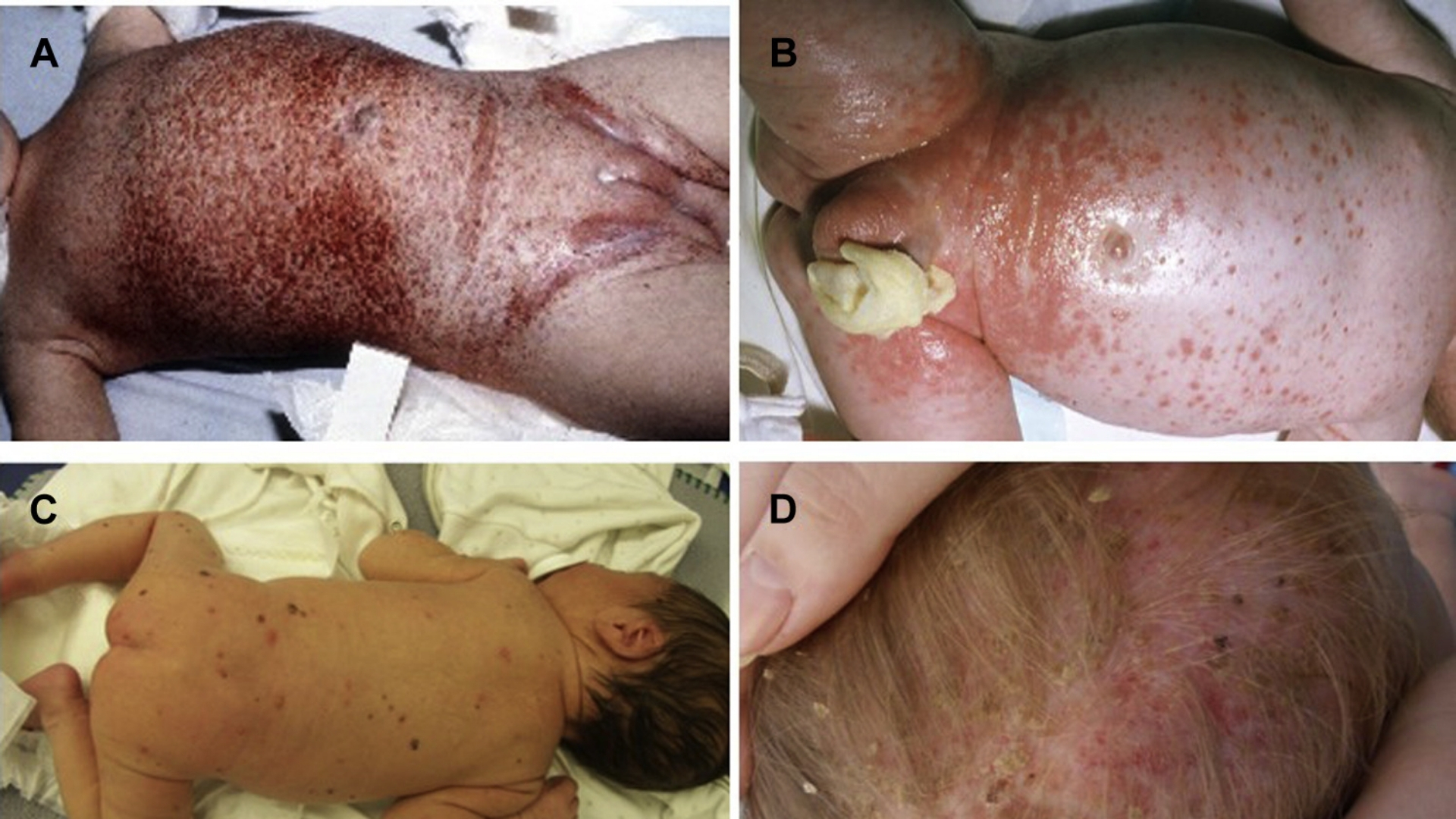
- Characteristic rash, reddish-brown papules or scaly lesions that do not resolve with topical treatments
- Ulcerative lesions that are resistant to conventional therapies
- Chronic or recurrent dermatitis-like symptoms
- Lungs (Pulmonary Symptoms):
- Chronic non-resolving cough
- Shortness of breath (dyspnea) especially during physical exertions
- Chest pain, tightness, or discomfort
- Pneumothorax, recurrent lung collapse episodes in severe cases
- Lymph Nodes:
- Swollen or enlarged lymph nodes evident especially in cervical, axillary, or inguinal regions
- Local tenderness or discomfort
- Liver and Spleen (Hepatosplenomegaly):
- Abdominal pain or tenderness
- Feeling of fullness or discomfort due to organ enlargement
- Liver dysfunction resulting in jaundice or abnormal liver function tests
- Central Nervous System (Pituitary Gland):
- Excessive thirst (polydipsia) and urine production (polyuria) characteristic of Diabetes Insipidus
- Headaches, visual impairments, and unexplained neurological symptoms
Early detection of symptoms and comprehensive evaluations can significantly improve prognosis. It is critical to seek immediate medical advice upon identification of persistent or unexplained symptoms.
Stages of Langerhans Cell Histiocytosis (LCH) and Survival Rates
Staging for LCH is often reflective of how extensively the disease has involved the body, classified according to the number of organs affected, severity, and systemic involvement. Due to its rarity, specific staging analogous to other common cancers is less clearly defined, but the following categorizations align with the typical clinical interpretations.
Single-System Single-Site (SS-s) LCH – Stage 1
In this early diagnosis stage, LCH is localized to only one single lesion site in a single organ system, commonly bone or skin.
- Manifestations: Typically localized pain, skin rashes, or limited swelling.
- Treatment Options: Surgical removal, limited radiation therapy, targeted metabolic and immunological therapies.
- Survival Rate: Exceptional prognosis with proper early care, >95% five-year survival rate based on current clinical observations and data.
Single-System Multi-Site (SS-m) LCH – Stage 2
In this stage, multiple lesions are identified within one organ or body system without systemic extension.
- Characteristics: Growth or progression to multiple lesions within a singular organ, causing more pronounced symptoms and discomfort.
- Treatments Escalation: Combination of surgery/radiotherapy and systemic medications often required.
- Survival Rate: Relatively encouraging, an estimated 80–90% five-year survival rate.
Multi-System Low-Risk (MS-LR) LCH – Stage 3
Multiple organs or systems are affected; however, these do not involve vital, critical organs like bone marrow, lung, spleen, or liver severely.
- Clinical Presentation: Symptoms vary widely, from bone lesions, skin symptoms, to hormonal disorders involving pituitary.
- Multi-modal Approaches: Generally treated with systemic chemotherapy, immunotherapy, and metabolic targeting therapeutics.
- Survival Rate: Ranges 70–80% over five years, depending on comprehensive care.
Multi-System High-Risk (MS-HR) LCH – Stage 4
High-risk multi-system LCH involves critical organs like liver, spleen, lung, bone marrow. The disease presents extensive systemic involvement, making treatment more challenging.
- Advanced Symptoms: Severe systemic illness, organ failures, extensive dysfunction symptoms requiring aggressive interventions.
- Therapeutic Interventions: Aggressive systemic chemotherapy, immunotherapies, advanced metabolic modulation therapies, potential stem-cell transplantations.
- Survival Rate: Significantly decreased due to complexities involved, approximately 50–60% five-year survival; recent innovations, such as tailored metabolic oncology approaches, aim to transition to chronic control treatment, allowing better quality of life and survival elongation.
Every stage of Langerhans Cell Histiocytosis (LCH) has effective therapeutic interventions. Early detection, prompt diagnosis, and advanced treatment methodologies significantly enhance quality of life, turning a once critical condition towards a manageable, chronic disease state for a growing number of patients, consistent with AllCancer’s objective in 2025.
Limitations of Traditional Therapies for Langerhans Cell Histiocytosis (LCH)
Managing Langerhans Cell Histiocytosis (LCH) using traditional therapies such as chemotherapy, radiation, and surgery poses significant medical and emotional challenges for patients. Although advances have been made in treating various malignancies, the traditional therapeutic approaches for LCH remain fraught with limitations, emphasizing the urgent need for innovative therapies.
Chemotherapy and Its Toxicity in LCH Management
Chemotherapy remains a prevalent conventional treatment for Langerhans Cell Histiocytosis (LCH). Unfortunately, chemotherapy agents are non-specific and target rapidly dividing cells, including healthy cells, leading to severe toxicity. According to recent oncology studies in Hong Kong and across Asia, chemotherapy-associated toxicities in LCH treatment include:
- Bone marrow suppression affecting about 78% of chemotherapy-treated patients, which significantly increases infection risk.
- Cardiac toxicity affecting approximately 23% of patients, potentially leading to long-term cardiovascular issues such as heart failure.
- Severe nausea and vomiting, affecting patients’ nutritional status and overall quality of life.
Furthermore, chemotherapy is often ineffective against metastatic or widely spread LCH cases, reporting less than a 21% objective response rate (ORR) in advanced disease cases as published in JAMA Oncology 2023. This significant limitation continues to frustrate medical practitioners across Asia and globally.
Radiation Therapy: Risks and Side Effects
Radiation therapy is frequently employed to target localised lesions in Langerhans Cell Histiocytosis (LCH). However, regional clinical analyses highlight radiation-associated limitations and adverse effects, including:
- Severe damage to healthy adjacent tissues, restricting its application in paediatric patients who constitute a significant LCH-afflicted demographic in Hong Kong and wider Asia.
- Potential development of secondary malignancies, notably increasing cancer risk by up to 300% among treated patients, as reported by a comprehensive JAMA Oncology 2023 study.
- Skin reactions, such as radiation dermatitis, causing further discomfort and additional treatment requirements.
- Radiation-related fatigue severely impacting patients’ daily activities, prolonging recuperation periods, and negatively influencing patients’ mental wellness.
Surgical Approach and Associated Complications
Surgery, though beneficial for localized lesions and diagnostic biopsies, presents distinct limitations and risks in managing Langerhans Cell Histiocytosis (LCH):
- Higher infection risks, especially in immunocompromised patients.
- Anaesthetic-associated complications, significantly affecting children and elderly patients frequently diagnosed with LCH in Hong Kong and across Asian regions.
- Post-operative healing issues, prolonged recovery, and poor wound healing, particularly in advanced-age groups and immunosuppressed individuals.
Overall, surgical interventions remain limited primarily to diagnostic procedures or resectable solitary lesions, reducing their role in comprehensive, systemic disease management.
Metabolic Resistance and Biological Mechanisms of Treatment Failure
Cancer cell metabolic adaptations pose a substantial challenge wherein traditional therapies become progressively ineffective against LCH cells. Recent groundbreaking studies, particularly those conducted in Hong Kong’s oncology research institutes and published globally, underscore cellular evasion strategies that limit therapeutic effectiveness, including:
- The prominent Warburg effect, where cancer cells rapidly consume glucose at nearly 200 times the standard cellular metabolic rate, enabling survival despite therapeutic stress.
- An increased dependency on glutamine metabolism facilitating cell proliferation and resistance to chemotherapy-induced apoptosis.
- Enhanced DNA repair mechanisms within cancer cells, presenting around a 400% increase in repair enzyme activity, thereby diminishing chemotherapy and radiation efficacy dramatically.
- Development of therapy-resistant cell clones emerging post-treatment, posing considerable risk of relapse and therapeutic resistance.
These complex metabolic resistance mechanisms explain at least partially why conventional treatment modalities often falter, especially in recurrent or metastatic cases, and why innovative metabolic approaches are critically required in disease management.
Emotional and Psychological Impact of Traditional Treatments
Apart from the physiological side effects, traditional therapies induce significant emotional and mental burdens on patients and their families, causing prolonged suffering. Factors contributing include:
- Continuous fatigue and reduced physical abilities, extensively impairing normal activities and quality of life.
- Heightened anxiety and depression arising from uncertainty about treatment outcomes, side effects, and prognosis.
- Substantial financial burdens due to repeated hospital visits, management of complications, and prolonged therapies. In Hong Kong, treatment-associated financial stress bears critical implications, highlighting the importance of compassionate care policies like ‘Cure First, Pay Later’.
- Significant disruptions to family and social relationships due to patients undergoing intense, prolonged, and exhaustive courses of traditional cancer treatments.
Conclusion: Need for Improved Therapies for LCH Management in Hong Kong and Asia
Traditional approaches to Langerhans Cell Histiocytosis (LCH), including chemotherapy, radiation, and surgery, have reached inherent limits characterized by significant toxicity, limited efficacy, and severe emotional burdens. Given these critical limitations, ongoing advancements in metabolic oncology and precision medicine offer promising avenues to overcome current treatment limitations, especially within Hong Kong and Asia’s unique epidemiological context. Today more than ever, nurturing medical innovations, supporting metabolic-targeted treatment research, and aligning with Nobel-recognized scientific discoveries underscore AllCancer’s 2025 vision of transforming challenging cancers into manageable, chronic conditions. Discover how innovative approaches such as 4D Therapy can dramatically reshape the management of LCH, providing safer and more effective solutions beyond traditional therapies.