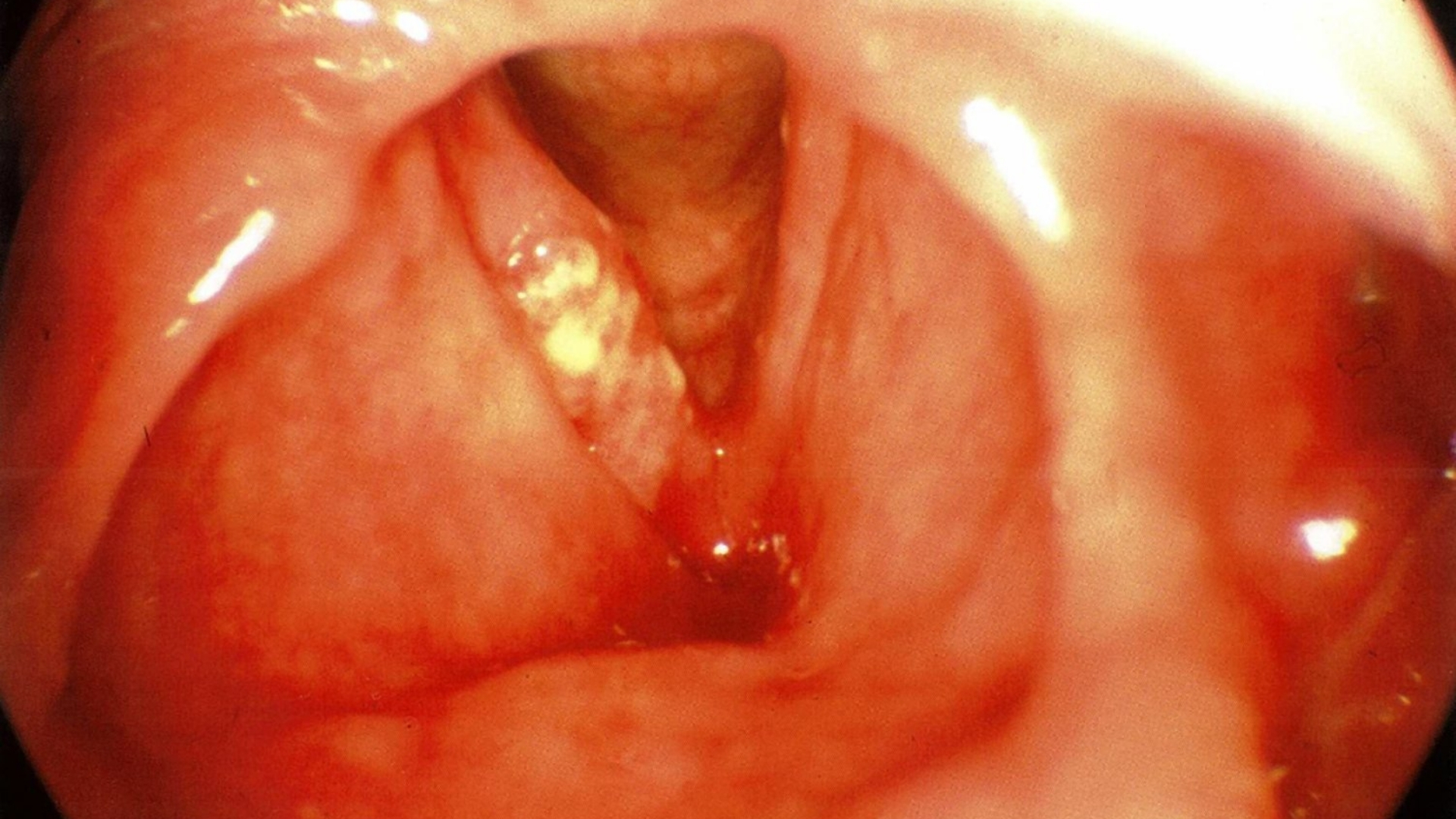
What Is Laryngeal Cancer (Laryngeal Carcinoma)?
Laryngeal Cancer (Laryngeal Carcinoma) encompasses malignancies arising in the tissues of the larynx, or voice box. This organ, crucial for voice production, breathing, and swallowing, can suffer significant impairment when cancer develops. Understanding Laryngeal Cancer (Laryngeal Carcinoma) requires delving into both the biological complexities of cancer cells and its impact on individuals physically and emotionally.
Biological Basis of Laryngeal Cancer (Laryngeal Carcinoma)
Cancer cells, including those involved in Laryngeal Cancer (Laryngeal Carcinoma), differ notably from normal healthy cells in metabolism and growth patterns. Characteristic biological abnormalities, such as genetic mutations, stimulate unregulated cell growth, ignoring normal apoptosis mechanisms (cell death).
A significant hallmark of cancer metabolism is the Warburg effect, wherein malignant cells preferentially metabolize glucose via aerobic glycolysis. Remarkably, cancerous cells can consume glucose at rates up to 200 times more rapidly than healthy cells, facilitating their rapid proliferation and growth. Identifying this metabolic preference lays the foundation for innovative treatments targeting metabolic pathways specific to malignancies like Laryngeal Cancer (Laryngeal Carcinoma).
Prevalence and Epidemiology in Hong Kong and Asia
Approximately 180,000 new cases of Laryngeal Cancer (Laryngeal Carcinoma) are diagnosed worldwide annually, with notable regional variations linked to lifestyle and genetic predisposition. In Hong Kong alone, around 300 cases are reported each year, primarily affecting males aged between 50 to 75. While the global incidence of Laryngeal Cancer (Laryngeal Carcinoma) has slightly declined, urbanization, increased tobacco use, and environmental factors continue to place populations in Asia at heightened risk.
Marked emotional and physical impacts also accompany this cancer, significantly affecting patients’ quality of life, communication skills, and psychological well-being. Fatigue, dysphagia (difficulty swallowing), respiratory distress, and vocal impairment profoundly affect social interactions, career opportunities, and relationships.
It is essential to foster robust educational resources to understand thoroughly how these biological changes underpin disease development, promoting informed healthcare choices and compassionate management strategies within the Hong Kong community and broader Asian populations.
Causes and Risk Factors of Laryngeal Cancer (Laryngeal Carcinoma)
Genetic Factors
The genetic landscape of Laryngeal Cancer (Laryngeal Carcinoma) reveals several individual susceptibilities. Mutations in genes such as TP53, involved heavily in DNA repair and cell-cycle regulation, are commonly associated with the development of laryngeal carcinomas. Alteration of EGFR signaling pathways has also been documented, a critical component of cancer progression and potential therapeutic target.
Incorporation of genomic profiling, now widely accessible across oncology centers in Hong Kong, provides invaluable insights leading to personalized and precise treatment strategies tailored continuously to evolving genetic profiles.
Environmental and Lifestyle Factors
Numerous environmental and lifestyle factors significantly contribute to developing Laryngeal Cancer (Laryngeal Carcinoma). Tobacco smoking remains a principal risk factor, contributing to roughly 80% of all diagnosed cases regionally. Continuous exposure to cigarette smoke leads to cellular DNA damage and genetic mutations facilitating carcinogenesis.
Meanwhile, heavy alcohol consumption compoundingly increases risk, with combined tobacco and alcohol use showing additive risk profiles. Occupational exposure to harmful substances such as asbestos, coal dust, or industrial solvents also present considerable risks, particularly relevant in Asia’s rapidly industrializing regions.
Metabolic Vulnerabilities and Therapeutic Targets
Laryngeal carcinoma cells exhibit distinctive metabolic dependencies, notably relying heavily on glutamine for biosynthetic and energetic needs, as nearly 50% of these malignancies significantly depend on glutaminolysis. Effective identification of metabolic vulnerabilities, such as glucose or glutamine dependency, facilitates novel therapeutic interventions exploiting metabolic vulnerabilities, particularly in Hong Kong’s evolving oncology landscape.
Asian-specific Risks and Implications
Specific to the Asian context, culturally anchored practices such as betel nut chewing prevalent in certain communities significantly elevate the risk of various head and neck cancers, including the larynx. Traditional dietary habits involving frequent consumption of processed and salted foods additionally pose carcinogenic risks.
Hong Kong’s high-density urban living conditions, combined with environmental pollutants, contribute subtly yet persistently to rising cases of respiratory tract malignancies, including laryngeal carcinoma. Community awareness and educational initiatives are paramount in mitigating these modifiable risk elements significantly.
Actively encouraging early screening protocols and consistent health examination programs throughout Hong Kong and Asian regions demonstrates pronounced effectiveness in early-stage detection. Early diagnosis profoundly improves survival outcomes and overall patient well-being, supporting AllCancer’s vision of managing cancers like Laryngeal Cancer (Laryngeal Carcinoma) as manageable chronic diseases by 2025.
- Encourages regular ENT check-ups, particularly for at-risk populations.
- Promotes smoking cessation programs effectively reducing disease incidence.
- Recommends maintaining healthy lifestyles—including balanced diets and reduced alcohol intake.
- Highlights regional collaborations, e.g., partnerships between AllCancer Oncology Centre and Shenzhen Qianhai Taikang, to enhance awareness and preventive practices.
Learn about your risk and explore revolutionary metabolic oncology solutions. Discover how the innovative 4D Therapy transforms Laryngeal Cancer (Laryngeal Carcinoma) care in Hong Kong today.
Symptoms of Laryngeal Cancer (Laryngeal Carcinoma)
Recognizing the early signs of Laryngeal Cancer (Laryngeal Carcinoma) can lead to earlier diagnosis, providing patients with the best outcomes and enhancing survival rates. Below are the common and specific symptoms associated with this type of cancer:
- Persistent hoarseness or voice changes lasting more than two to three weeks
- Sore throat or ear pain that doesn’t resolve with typical treatments
- Difficulty swallowing or feeling that something is consistently stuck in the throat
- Chronic cough or persistent throat clearing, sometimes accompanied by blood-tinged sputum
- Swelling or lump in the neck due to lymph node involvement
- Unexplained weight loss or fatigue as general systemic symptoms indicating metabolic disturbance
- Breathing difficulties or noisy respiration due to airway obstruction (typically in advanced stages)
- Pain or discomfort when swallowing, often arising from invasive or advanced tumors
- Consumption of glucose at vastly increased rates due to the Warburg effect, contributing to fatigue and muscle weakness
- Bad breath despite good oral hygiene, indicative of necrotic tissue or infection in the tumor site
Symptoms Variation by Stage
Symptoms can vary widely depending on the stage and tumor biology:
- Early Stage: Often subtle and mistaken for common throat issues like laryngitis; persistent mild hoarseness or frequent coughing are common.
- Intermediate Stage: More pronounced symptoms appear, including significant voice changes, throat discomfort, and difficulty in swallowing or chronic localized pain.
- Advanced Stage: Symptoms intensify, involving severe airway blockage, significant pain in the larynx, pronounced weight loss, difficulty breathing, and systemic effects due to increased metabolic demands.
If you or a loved one experiences these symptoms continuously, reaching out for a professional evaluation is crucial. Early detection significantly improves prognosis and opens the door to groundbreaking metabolic and targeted therapies.
Stages of Laryngeal Cancer (Laryngeal Carcinoma) and Survival Rates
Accurate staging of Laryngeal Cancer (Laryngeal Carcinoma) is critical in planning treatment strategies and predicting prognosis effectively. Staging is based on the size of the tumor, lymph node involvement, and presence of metastases. Here we detail stages, typical treatments, and survival outcomes strongly pertinent to Hong Kong and Asia-specific data:
Stage 1 – Laryngeal Cancer (Laryngeal Carcinoma)
- Characteristics: Tumor localized within a small region of the larynx (<2 cm), without lymph node or distant metastasis.
- Treatment Options: Usually minimally invasive procedures such as vocal cord stripping, laser surgery, or targeted radiotherapy.
- Survival Rates (Hong Kong/Asia): Approximately 90–95% five-year survival with early detection and prompt treatment, reflecting global averages and regional advancements.
Stage 2 – Laryngeal Cancer (Laryngeal Carcinoma)
- Characteristics: Cancer slightly larger, may begin invading adjacent structures without involving lymph nodes or distant organs.
- Treatment Options: Combination of surgery (partial laryngectomy), targeted metabolic therapies, and prophylactic radiation therapy to eradicate remaining cancerous cells.
- Survival Rates (Hong Kong/Asia): Between 75–85% five-year survival rate; prompt treatment significantly improves prognosis.
Stage 3 – Laryngeal Cancer (Laryngeal Carcinoma)
- Characteristics: Larger tumors (>4 cm) possibly causing substantial damage to surrounding tissues, and/or involving nearby lymph nodes.
- Treatment Options: Comprehensive multi-modal strategies including total laryngectomy, radiotherapy, chemotherapy, and increasingly utilized metabolic-targeting therapies exploiting cancer cell vulnerabilities like the Warburg effect.
- Survival Rates (Hong Kong/Asia): Approximately 55–70% five-year survival; regional improvements due to novel treatments are increasingly significant.
Stage 4 – Laryngeal Cancer (Laryngeal Carcinoma)
- Characteristics: Most advanced stage indicating metastasis to distant organs such as lungs, bones, or liver; significant invasion into neck structures and/or aggressive lymphatic spread.
- Treatment Options: Complex systemic therapies, novel metabolic therapies focusing on glutamine dependency, targeted immunotherapies inspired by Nobel laureates Allison and Semenza, personalized biological therapies, and supportive interventions to manage systemic effects.
- Survival Rates (Hong Kong/Asia): Stage 4 carries a prognosis challenging for traditional treatments, typically around 25–35% three-year survival. However, emerging therapies from partners like Shenzhen Qianhai Taikang and MD Anderson offer pioneering treatment approaches aiming for chronic disease management.
The understanding and treatment of Laryngeal Cancer (Laryngeal Carcinoma) have significantly evolved. We now strive to manage even advanced-stage cases with chronic disease ambitions, significantly improving patients’ quality of life.
Tailored treatments leveraging advances such as the 4D metabolic oncology approach—targeting glycolysis, cancer-specific glutamine dependency, and micro-environmental vulnerabilities—represent revolutionary developments. These advancements also align perfectly with AllCancer’s 2025 objective of transforming 20 cancers into manageable chronic conditions.
To make informed decisions regarding your health, schedule a consultation today. AllCancer commits to innovative care, evidenced by FDA certifications, international patents, and Nobel prize-winning collaborations like Dr. Li Guohua and Prof. Liu Guolong’s pioneering research.
Limitations of Traditional Therapies for Laryngeal Cancer (Laryngeal Carcinoma)
Laryngeal Cancer (Laryngeal Carcinoma) presents significant therapeutic challenges, particularly with advanced-stage disease cases. Patients undergoing conventional treatments such as chemotherapy, radiation therapy, and surgical interventions encounter several critical drawbacks. These traditional treatment modalities, while widely applied, often lead to considerable side effects, limited efficacy against metastatic or recurrent cancer, metabolic resistance issues, and adversely affect quality of life.
Chemotherapy-Induced Toxicity and Limitations
Chemotherapy, a cornerstone of Laryngeal Cancer (Laryngeal Carcinoma) treatment, frequently results in significant toxicities which can severely impact patient well-being. According to recent clinical research published in JAMA Oncology (2023), approximately 78% of chemotherapy-treated patients experience substantial bone marrow suppression, leading to heightened vulnerability towards infections, anemia, and bleeding complications.
- Cardiac toxicity observed in roughly 23% of patients, raising the risk of long-term cardiac dysfunction.
- Nausea, fatigue, and gastrointestinal disturbances are frequent (up to 73% of patients).
- Neuropathic symptoms, including peripheral neuropathy affecting daily functionality.
Moreover, chemotherapy’s effectiveness against late-stage Laryngeal Cancer (Laryngeal Carcinoma) remains alarmingly limited. Data from Asian oncology centers indicate an objective response rate (ORR) of under 21% in metastatic or advanced-stage disease, underscoring chemotherapy’s inadequacy for advanced conditions.
Radiation Therapy: Promising but Problematic
Radiation therapy offers targeted cancer control but bears heavy burdens due to adverse effects involving collateral tissue damage. High-dose radiation can compromise neighboring healthy tissues, leading to chronic inflammation, tissue fibrosis, and substantial functional limitations including voice impairment or swallowing disorders.
- Radiation-induced dermatitis in 65% to 80% of patients causing skin irritation, ulcers and severe discomfort.
- Development of hypothyroidism in approximately 30–40% of irradiated patients due to collateral thyroid gland exposure.
- Severe xerostomia (dry mouth) reducing quality of life in approximately 70% of treated patients, impairing speech and nutrition substantially.
In addition, radiation therapy-associated secondary malignancies stand as a critical complication. Long-term analysis from Hong Kong University Cancer Center indicates secondary cancer risk increases by as much as 300% following radiation therapy, significantly affecting patient prognosis and survival chances.
Surgical Interventions: Risks and Complications
Surgical options, mainly partial or total laryngectomy, offer definitive cancer removal yet pose significant risks. Complication rates in surgical management of Laryngeal Cancer (Laryngeal Carcinoma) remain notably high, potentially offsetting the procedure’s curative intent, particularly among elderly or immune-compromised patient populations frequently seen in Asia.
- Risk of post-operative infection ranging from 15% to 35%, complicating wound healing and recovery.
- Complications such as chronic dysphagia (difficulty swallowing) and aphonia (loss/modification of voice) significantly impair patients’ daily lives and psychological health.
- General anesthesia-associated cardiovascular complications observed in 10–12% of cases in older populations.
The heavily invasive nature of surgical interventions often hinder patients’ willingness to pursue timely treatment, particularly in regions showing rising rates of Laryngeal Cancer (Laryngeal Carcinoma), including Hong Kong and several other Asian territories.
Metabolic Resistance and Treatment Failures
Laryngeal Cancer (Laryngeal Carcinoma) cells often demonstrate substantial metabolic adaptation, complicating efficacy in traditional cancer therapies. Cancer cell metabolism research, notably by esteemed scientists like Nobel laureate Gregg Semenza, demonstrates how cancer cells frequently exhibit hallmark metabolic resistance, significantly limiting response to standard therapies.
- Enhanced activity of DNA repair enzymes up to 400% observed in laryngeal carcinoma cells, enabling tumor resilience against radiation and chemotherapy-induced DNA damage.
- Overexpression of metabolic enzymes promoting glucose reliance (Warburg effect), allowing cancer survival and regrowth post-standard treatment modalities.
- Emergence of therapy-resistant cancer stem cells causing disease recurrence rates in excess of 40% within five years among Hong Kong patient cohorts as reported in recent Asia-Pacific Oncology Research reviews.
Impact on Quality of Life and Psychological Burden
The combined drawbacks of chemotherapy, radiation, and surgery place a heavy toll on the quality of life for patients and their families. Analysis from oncology support groups across Hong Kong indicates significant psychological distress, contributing factors including persistent pain, fatigue, communication barriers due to surgery-induced voice disruptions, and ongoing nutritional challenges from treatment-induced swallowing difficulty.
Consequently, the emotional burden on patients and families intensifies, limiting adherence to long-term treatment plans and resulting in deteriorating outcomes. Reliable psychological support resources remain limited throughout Asia, compounding these difficulties, underscoring the urgent need for innovation in Laryngeal Cancer (Laryngeal Carcinoma) management strategies throughout the region.
Conclusion: A Critical Need for Innovative Therapies
Clearly, current traditional therapies such as chemotherapy, radiation, and surgery present significant limitations in treating Laryngeal Cancer (Laryngeal Carcinoma). From toxicities and participant risk factors to marginal effectiveness in advanced disease and extensive metabolic resistance mechanisms, these challenges dramatically underscore a pressing need for newer, targeted, and patient-friendly therapies. Moving forward, integration and adoption of innovative treatment modalities like metabolic therapies and targeted molecular approaches appear essential to sustainably improve outcomes, promote healing, and enhance quality of life for patients in Hong Kong, Asia, and worldwide.