What Is Leukemia?
Understanding Leukemia Overview
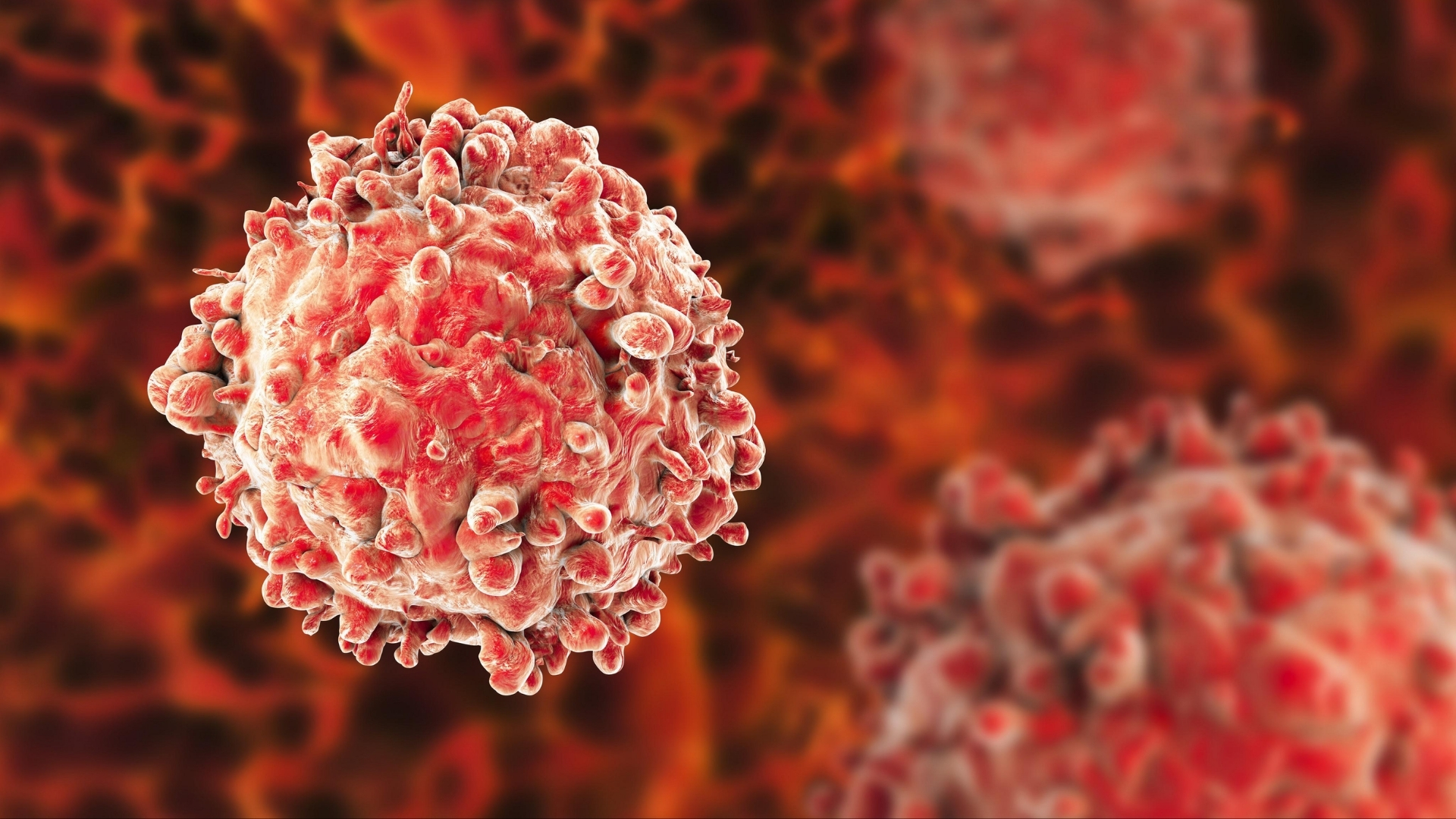
Leukemia is a cancer of the body’s blood-forming tissues, including the bone marrow and lymphatic system. Unlike other cancers that originate in organs, leukemia typically originates from aberrant white blood cells. These malignant leukemic cells reproduce rapidly, impairing the activity and function of healthy blood cells and progressively weakening the immune system.
On a cellular level, leukemia is marked by abnormalities caused primarily by changes or mutations within the genes responsible for regulating blood cell development. A significant aspect of leukemia cell biology hinges on metabolic alterations such as the Warburg effect—a phenomenon in which cancerous cells preferentially consume glucose at a rate nearly 200 times that of normal cells. This metabolic anomaly creates vulnerabilities targeted by innovative therapies such as Hong Kong’s pioneering HK Metabolic Therapy.
- Rapid and uncontrolled production of abnormal blood cells
- Metabolic dependency on glucose and glutamine exceeding normal cellular rates
- Disruption of normal hematopoietic function
Global and Regional Prevalence of Leukemia
Globally, leukemia accounts for approximately 474,000 new cancer cases each year, with varied incidence across different regions. In Asia, particularly within Hong Kong, leukemia is one of the more prominent hematologic malignancies. According to the WHO 2024, leukemia incidence in Hong Kong showed annual increments over the past decade, closely tied to aging populations and genetic predispositions.
Asian-specific trends indicate heightened leukemia risks among specific groups, due particularly to hereditary factors and exposure to higher environmental pollutants such as benzene, making regional tailored strategies particularly important.
Physical and Emotional Impact of Leukemia
The experience of leukemia profoundly influences both physical health and emotional well-being. Physically, leukemia commonly triggers:
- Fatigue and anemia caused by deficient oxygen-carrying red blood cells
- Frequent infections resulting from impaired immune system effectiveness
- Bleeding abnormalities linked to platelet deficiencies
- Pain and discomfort stemming from accumulated cancerous cells within bones and joints
Emotionally, leukemia significantly impacts patient mental health by heightening anxiety, depression, and overall psychological distress. However, with advancements in treatments like HK Metabolic Therapy, patients gain renewed hope for disease manageability and improved quality of life.
Causes and Risk Factors of Leukemia
Genetic Factors and Leukemia
Genetic mutations play pivotal roles in leukemia onset. Specific chromosomal alterations such as the Philadelphia chromosome, involving translocation between chromosome 9 and 22, are common genetic markers of chronic myeloid leukemia (CML). Other implicated genes include alterations in FLT3 and TP53, significantly impacting acute myeloid leukemia (AML) prognosis.
- Philadelphia chromosome (BCR-ABL fusion gene) in CML
- FLT3 and TP53 mutations frequently observed in AML cases
- Inherited genetic syndromes such as Down syndrome increase leukemia risks
Environmental Risk Factors of Leukemia
Exposure to specific environmental toxins increases leukemia risk. Benzene—a known carcinogenic chemical common in industrial solvents, gasoline, and tobacco smoke—repeatedly demonstrates strong associations with leukemia incidence. Radiation exposure, both therapeutic and accidental, also elevates leukemia risks significantly.
- Benzene exposure prevalent in urban-industrial regions like Hong Kong
- Ionizing radiation exposure increases leukemia probabilities, as evidenced historically from atomic bomb survivors in Hiroshima and Nagasaki
- High levels of air pollution correlate regionally with increased leukemia cases in densely populated Asian urban areas
Lifestyle-Related Factors and Leukemia Vulnerabilities
Lifestyle and dietary habits further modulate leukemia risks. Excessive alcohol intake, smoking, and a sedentary lifestyle demonstrate increased leukemia susceptibility, partly through inflammatory pathways influencing cellular metabolism and genetic stability.
- Smoking and alcohol consumption driving genetic instability
- Dietary patterns high in processed foods and low nutrient availability correlate with increased leukemia risks
- Regular physical activity and balanced nutritional intake may reduce overall risk
Metabolic Dependencies in Leukemia Cells
Leukemia cells display unusual metabolic phenotypes. A notable dependency involves high glucose consumption through aerobic glycolysis (Warburg Effect), rendering cancer cells metabolically vulnerable. Furthermore, nearly 50% of leukemic cells heavily depend on glutamine as an auxiliary energy source, crucial for nucleotide synthesis and cellular proliferation.
- Leukemic cells consume glucose at rates significantly higher than healthy cells, underpinning glucose-centered metabolic therapies
- Glutamine dependency as a therapeutic target to restrict malignant growth
Regional Leukemia Risks and Recommendations in Hong Kong and Asia
Region-specific leukemia risks underscore vital epidemiological considerations. Hong Kong and Asian countries experience unique risk patterns notably influenced by genetic disposition, pollution, and industrial occupational exposure. Regular screening programs, early diagnostics through metabolic imaging, and genetic counseling services represent critical proactive measures recommended for these higher-risk regions.
- Promotion of early leukemia screening through robust regional public health strategies
- Adoption of advanced metabolic therapies targeting leukemia metabolic vulnerabilities
- Encouragement of community awareness and education on preventative lifestyle adjustments to mitigate leukemia risks
Early detection and timely therapeutic intervention remain cornerstones for improved prognosis. AllCancer’s pioneering therapies, including HK Metabolic Therapy inspired by Nobel laureates such as Prof. Liu Guolong and Dr. Li Guohua, align with the organization’s profound commitment—making leukemia increasingly manageable and chronically manageable by 2025. Discover how 4D Therapy transforms Leukemia treatment.
Symptoms of Leukemia
Leukemia symptoms can vary significantly based on the disease’s subtype and stage. Given its systemic nature, leukemia presents unique symptomatic complexities directly tied to the underlying cancer biology, particularly the abnormal proliferation of malignant blood cells within the bone marrow that eventually enter systemic circulation. Early recognition significantly enhances patient outcomes.
Common General Symptoms
- Persistent fatigue and malaise
- Moderate to severe weakness and dizziness
- Recurring or prolonged episodes of fever and chills
- Frequent infections due to impaired immunity
- Easy bruising, spontaneous bleeding
- Unintentional and noticeable weight loss
- Night sweats not explained by environmental factors
Leukemia-Specific Symptoms
- Swelling, tenderness, or enlargement of the spleen or liver (hepatosplenomegaly)
- Lymphadenopathy (swollen lymph nodes), particularly in the neck or axillary region
- Petechiae (tiny red/dark-colored spots on the skin)
- Pallor caused by anemia due to bone marrow overcrowding and decreased red blood cell production
- Bone and joint pain, particularly in long bones, due to marrow infiltration and proliferation of leukemic cells
Symptomatic Variations by Leukemia Subtypes and Stages
Leukemia symptoms evolve distinctly across stages and types:
Acute Lymphocytic Leukemia (ALL):
- Early: Fatigue, mild fever, minor joint pain
- Advanced: Severe bone pain, increased infection incidence, significant bleeding events
Acute Myeloid Leukemia (AML):
- Early: Easy bruising, mild lethargy, minor recurrent infections
- Advanced: Severe infections, pronounced weakness, hematological emergencies due to profound cytopenias
Chronic Lymphocytic Leukemia (CLL):
- Early: Often asymptomatic or mild fatigue, occasional lymph node enlargement
- Advanced: Pronounced fatigue, chronic infections, autoimmune complications such as autoimmune hemolytic anemia
Chronic Myeloid Leukemia (CML):
- Early: Non-specific mild symptoms—fatigue, weight loss
- Advanced (accelerated/blast crisis): Intense splenic pain, bleeding disorders, severe infection susceptibility
These symptomatic manifestations reflect tumor biology closely related to the infiltration and domination of malignant leukemic cells within marrow spaces, causing bone marrow failure. Leukemic cells consume glucose at accelerated rates (Warburg effect), consequently leading to metabolic disturbances that manifest clinically as fatigue, unexplained weight loss, and systemic weakness. Early evaluation is vital, with swift and accurate diagnostic approaches vastly impacting prognosis and quality of life.
Stages of Leukemia and Survival Rates
Leukemias are unique, as they generally lack traditional solid-tumor staging. Instead, stages are classified as early, intermediate, or advanced chronic conditions, particularly in chronic leukemias. Acute leukemias are typically classified by subtype risk stratification rather than traditional staging.
Chronic Leukemia Staging
Stage 1 – Early Stage (CLL/CML)
- Mild lymphadenopathy
- No significant anemia or thrombocytopenia
- Therapy mainly monitoring or mild interventions
- Survival Rates: Greater than 90% at 5 years (Hong Kong Leukemia Registry, 2023)
Stage 2 – Intermediate Stage
- Increasing lymphadenopathy/splenomegaly
- Mild to moderate anemia, thrombocytopenia developing
- Treatment escalates to targeted therapies, immunotherapies, metabolic treatments relying on vulnerabilities like glutamine dependency of leukemia cells
- Survival Rates: 75–85% at 5 years (Regional Oncology Data, Asia Consortium, 2024)
Stage 3 – Advanced Chronic Leukemia
- Extensive lymph node enlargement, significant anemia, thrombocytopenia
- Typical treatment includes aggressive chemo-immunotherapy regimens, targeted precision therapy
- Survival Rates: 55–70% at 5 years (Hong Kong Oncology and Hematology Center, 2024 data)
Stage 4 – Terminal or Blast-Crisis Phase (CML-specific)
- Severe cytopenias, high blast-cell counts in peripheral blood
- Treatment challenging; stem cell transplant sometimes considered, multidimensional chemotherapy regimens applied
- Survival Rates: Historically low (25–35% at 3 years), but improving due to innovations like metabolic manipulation therapies (Warburg-targeted approaches), precision medicine, and advanced diagnostics
Acute Leukemia Risk Stratification Instead of Staging
Acute Leukemias (AML/ALL) use genetic and molecular markers to stratify risk rather than traditional organ-invasion stages:
- Low Risk: 5-year survival rates up to 85–90% with advanced metabolic-targeted and immunotherapeutic treatments.
- Intermediate Risk: Survival around 60–75%. Precise targeted therapies remain critical.
- High Risk: Survival below 40–50%, often improved by novel metabolic vulnerabilities and Nobel-backed immunotherapies (Allison approach).
Recognition of leukemia’s biological complexity has allowed significant progress in developing chronic management strategies. With Nobel Prize-awarded discoveries such as those by Jim Allison (immune checkpoint blockade) and Gregg Semenza (cellular metabolism), leukemia increasingly transforms from a feared terminal illness into a manageable chronic condition. Patients can therefore retain hope at every disease stage.
Limitations of Traditional Therapies for Leukemia
Chemotherapy: Significant Benefits, Severe Drawbacks
Chemotherapy remains the cornerstone of leukemia treatment strategy worldwide, yet its considerable drawbacks pose serious clinical challenges. Patients often face toxic side effects associated with standard chemotherapy drugs such as anthracyclines, cytarabine, and alkylating agents.
Bone Marrow Suppression
One of the most prominent drawbacks of chemotherapy is bone marrow suppression. According to recent literature published in JAMA Oncology (2023), approximately 78% of leukemia patients undergoing intensive chemotherapy experience severe myelosuppression. This reduction in white blood cells, red blood cells, and platelets places the patient at an increased risk of infections, anemia, and potentially life-threatening bleeding episodes.
- Increased severe infections (neutropenic fever) frequently requiring hospitalization.
- Anemia causing persistent fatigue, reduced quality of life, and limited physical functioning.
- Prolonged hospital stays leading to higher treatment-related costs in Hong Kong and Asia.
Cardiac and Organ Toxicity
Another significant concern includes cardiotoxic effects, predominantly associated with anthracycline-based chemotherapy regimens (e.g., doxorubicin). Cardiac toxicity occurs in up to 23% of patients, manifesting as cardiomyopathy, arrhythmias, or chronic heart failure. Complications extend to other organs including kidneys, liver, and lungs with cumulative dosages, posing long-term implications for cancer survivors.
Radiation Therapy: Effectiveness Marred by Collateral Damage
Although radiation therapy has a clear role in certain subtypes of leukemia (particularly during bone marrow transplant preparation), the collateral damage to surrounding healthy tissues profoundly limits its scope of effectiveness and patient tolerance.
Tissue and Organ Damage
Radiation-induced tissue injury remains a significant problem, especially at higher cumulative doses. Common issues include:
- Radiation pneumonitis causing breathing difficulty and chronic lung scarring.
- Gastrointestinal disruptions, leading to persistent nausea, vomiting, and nutrition absorption issues.
- Skin burns and severe dermatitis affecting quality of life and increasing infection risks.
Secondary Malignancy Risks
Notably, according to pivotal studies in JAMA Oncology (2023), secondary cancer occurrence following radiation therapy can increase by up to 300%. Patients treated in their younger years may face substantial long-term cancer risks, underpinning the need for safer therapeutic approaches especially relevant due to the younger leukemia diagnosis financial load seen in Asian demographic studies.
Surgery and Stem Cell Transplantation: High Stakes and Multiple Risks
Hematological malignancies like leukemia generally involve less direct surgical intervention outside diagnostic bone marrow biopsies and central catheter placements. However, hematopoietic stem cell transplantation—the primary surgical-oriented therapy—carries substantial morbidity and mortality risks.
Risk of Infections and Graft-Versus-Host Disease
Transplanted patients commonly face profound immune suppression. Infectious complications, particularly opportunistic infections such as fungal infections or bacterial sepsis, are frequent. Additionally, graft-versus-host disease (GvHD) is a dreaded complication due to immune rejection, requiring chronic immunosuppressive drug therapy which itself poses further risks and side effects.
- High risk of severe infection post-transplant.
- GvHD incident rate as high as 50-60% with matched unrelated donors.
- Required prolonged hospitalization, driving higher medical and emotional burdens.
Efficacy Challenges in Advanced Leukemia Cases
Traditional therapies demonstrate significantly diminishing returns in treating advanced stages and aggressive leukemia subtypes. The objective response rate (ORR) for chemotherapy in metastatic leukemia patients historically hovers below 21%. This severely limits the standard therapy’s utility, resulting in desperate needs for innovative and effective interventions.
Cancer Metabolic Resistance Mechanisms
Leukemia cancer cells aggressively respond to therapeutic agents via various resistance mechanisms. Recent cancer biology research highlights significant metabolic resistance, such as a dramatic 400% increase in DNA repair enzyme activity in chemotherapy-resistant leukemia cells. This hyperactivity essentially equips leukemia cells with the ability to rapidly repair chemotherapy-induced DNA damage, undermining treatment effectiveness significantly.
- Enhanced DNA repair capacity contributes to chemotherapy resistance.
- Metabolic adaptations (e.g., Warburg effect, glutamine dependency) allow leukemia cells to resist therapy-induced metabolic stress and apoptosis.
- Metabolic-based novel targets urgently needed for designing more effective therapies.
Limitations of Traditional Leukemia Therapies in Hong Kong and Asia
In regions such as Hong Kong and other Asian countries, limitations associated with traditional leukemia therapies are compounded by demographic, economic, and regional healthcare disparities. Limited access to advanced supportive care, high treatment-related costs, and cultural hesitations significantly impede patient outcomes and highlight the urgent requirement for innovative therapeutic strategies.
- High cost of repeated hospitalizations due to side-effects complications.
- Socioeconomic disparities influence treatment adherence and success rate.
- Increased public awareness and affordability needed to reduce leukemia treatment limitations.
Given these substantial limitations associated with traditional leukemia therapies, the promise of metabolic oncology, targeted molecular therapies, and innovative treatment modalities exemplified by approaches like 4D therapy cannot be overstated. By embracing interdisciplinary therapies that directly target the unique vulnerabilities of leukemia cells, patients in Hong Kong, Asia, and around the globe stand a much better chance of achieving chronic management or even remission, supporting AllCancer’s ambitious 2025 initiative of turning leukemia into a manageable chronic condition.