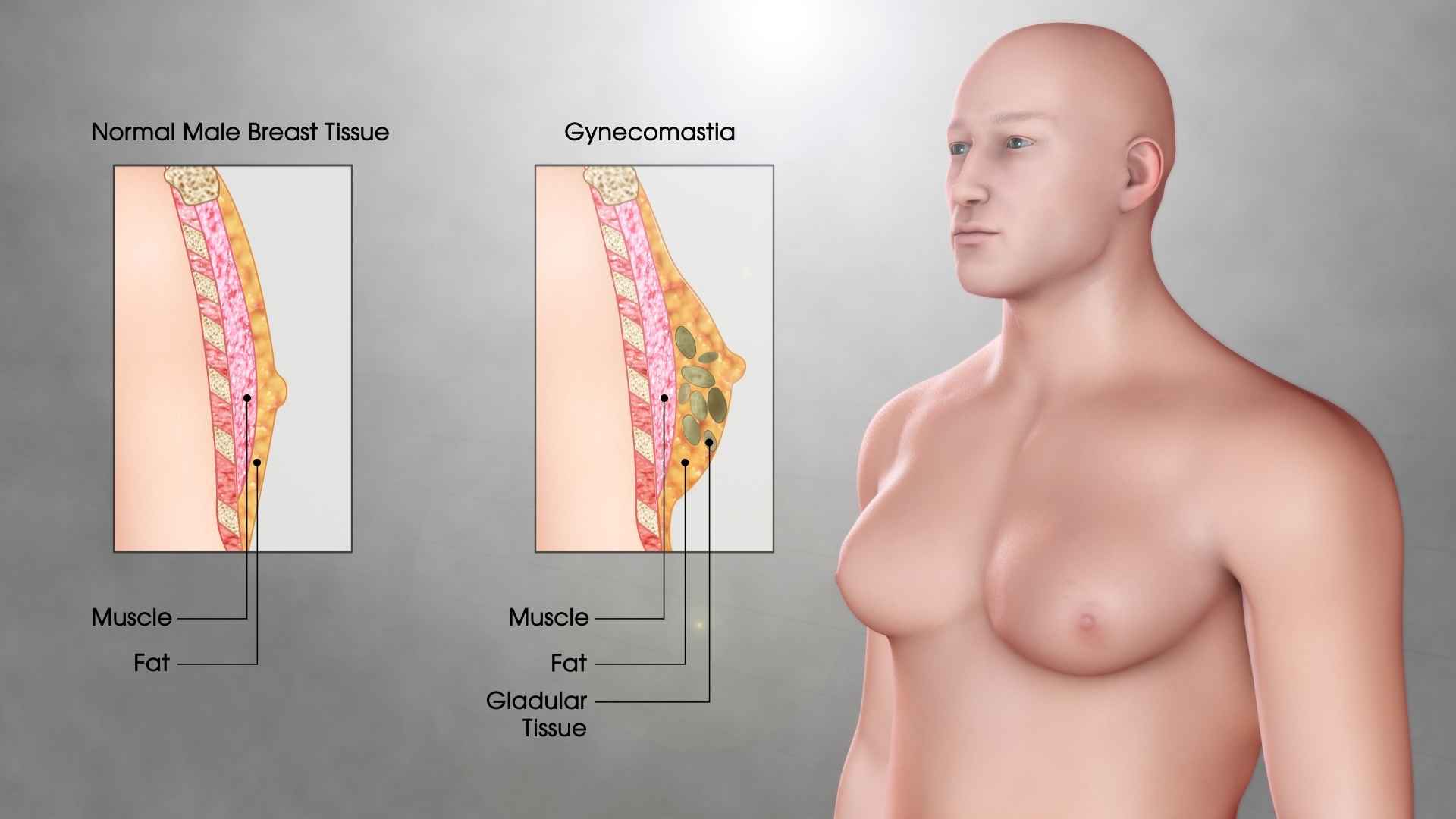
What is Male Breast Cancer (Male Breast Carcinoma)?
Male Breast Cancer (Male Breast Carcinoma) is an uncommon but significant malignancy involving uncontrolled growth of abnormal cells in the breast tissue of men. Although breast carcinoma is predominantly perceived as a disease affecting females, it also impacts men cyclically at a smaller scale. Understanding Male Breast Cancer (Male Breast Carcinoma) is vital for early diagnosis, optimal treatment, and improved patient prognosis.
Biological Basis of Male Breast Cancer (Male Breast Carcinoma)
The biological mechanism underpinning Male Breast Cancer (Male Breast Carcinoma) mirrors that found in female breast carcinoma. It originates within mammary ducts or lobules and involves the abnormal proliferation of cells due to mutations and genetic disruptions. A hallmark characteristic of these malignant cells is their significantly elevated glucose metabolism, known as the Warburg effect. Typically, cancer cells exhibit glucose consumption at a stunning rate, approximately 200 times higher than normal cells, relying on anaerobic glycolysis for rapid energy acquisition to support their aggressive proliferative capacity.
- Increased glucose uptake promotes aggressive tumor growth.
- Anaerobic glycolysis enhances cancer cell proliferation, facilitating progression.
- Altered metabolic pathways provide therapeutic targets like glucose and glutamine metabolism.
Incidence and Prevalence in Hong Kong and Asia
According to recent epidemiological studies and reports by WHO 2024, approximately 1% of all breast cancer cases occur in men globally, amounting to roughly 25,000 cases annually. In Hong Kong and across Asia, the prevalence is notably lower compared to Europe and North America, yet recent upward trends highlight the urgency for increased awareness, screening, and treatment strategies tailored specifically for the regional population.
- Annual cases in Asia comprise approximately 10% of global Male Breast Cancer (Male Breast Carcinoma) statistics.
- Increased awareness and education are required due to under-reporting and late-stage diagnosis frequency among Asian populations.
Affected Populations and Demographic Factors
Male Breast Cancer (Male Breast Carcinoma) predominantly affects older men, typically aged 60 and above. Nonetheless, younger individuals remain susceptible, especially those carrying genetic predispositions like BRCA1 or BRCA2 mutations. Known Asian-specific risk factors involving genetic and lifestyle influences underscore the importance of targeted preventive and diagnostic approaches.
- Higher prevalence in elderly males aged above 60 years.
- Increased genetic susceptibility in males with familial BRCA1/2 gene mutations.
- Rising incidence linked to lifestyle alterations and evolving environmental factors.
Symptoms and Presentation
Early symptoms of Male Breast Cancer (Male Breast Carcinoma) often mirror those experienced by female counterparts but can be overlooked leading to delayed diagnosis. Common signs to remain vigilant for include:
- Painless lump or swelling in breast tissue
- Skin changes around breast tissue, including redness, dimpling, or scaling
- Nipple inversion or retraction accompanied by discharge or bleeding
- Persistent chest pain or discomfort localized around breast area
Emotional and Physical Impact
A diagnosis of Male Breast Cancer (Male Breast Carcinoma) brings considerable emotional strain and physical hardship. Societal stigma and misunderstanding compound distress among patients, often leading to isolation and psychological challenges. Physically, individuals experience fatigue, pain, and functional difficulties due to disease or treatment side effects such as radiation or chemotherapy.
- Increased mental health issues including anxiety, fear, and isolation.
- Physical exhaustion and persistent pain experienced by most patients undergoing treatment.
- Importance of comprehensive support and empathetic patient-centered care to improve emotional resilience.
Causes and Risk Factors of Male Breast Cancer (Male Breast Carcinoma)
Genetic Factors
The genetic component of Male Breast Cancer (Male Breast Carcinoma) is significant, particularly with mutations involving BRCA1 and BRCA2 genes. These genes, crucial for DNA repair, can heighten susceptibility markedly when mutated. Genetic counselling and targeted genomic analysis are increasingly important for early detection strategies prioritizing high-risk individuals with familial cancer history.
- Mutations in BRCA1 or BRCA2 genes substantially elevate cancer risk.
- High-risk individuals benefit from intensive, comprehensive screenings and preventive measures.
Environmental Factors
Environmental exposures also influence Male Breast Cancer (Male Breast Carcinoma) development. Equally significant are contaminants associated with industrial chemicals, pesticides, and exposure to endocrine-disrupting substances contributing to hormone imbalances and increased cancer risk. Increased urbanization and exposure to pollutants in regions like Hong Kong amplify these risks.
Lifestyle Factors and Metabolic Vulnerabilities
Lifestyle habits including obesity, alcohol consumption, tobacco use, and sedentary routines are prominent risk modulators. Metabolic vulnerabilities, specifically cancer cells’ unusual dependence on glucose and glutamine metabolism for energetic and biosynthetic demands, present novel therapeutic opportunities emphasizing targeted metabolic interventions.
- Obesity and increased adipose tissue linked with hormone imbalances elevating cancer occurrence.
- Excessive alcohol consumption significantly increasing breast carcinoma likelihood.
- Tobacco use implicating carcinogenic factors contributing to heightened disease incidence.
- Glucose and glutamine metabolic vulnerabilities promised groundbreaking therapeutic avenues.
Hong Kong-Specific Risk Factors
Awareness of specific regional risk factors is crucial for Hong Kong and Asia. For instance, regional lifestyle trends reveal heightened obesity rates, higher stress levels, and sedentary living patterns emerging prominently as contributing factors. Education and awareness campaigns targeted specifically to address these sensitivities should focus significantly on Asian patient populations.
Symptoms of Male Breast Cancer (Male Breast Carcinoma)
Recognizing early signs of Male Breast Cancer (Male Breast Carcinoma) is crucial for timely diagnosis and effective treatment. Symptoms can vary widely from patient to patient and depend significantly on the specific stage of disease progression.
Common Early Symptoms
- Painless, palpable lump beneath the nipple or areola area
- Skin thickening, redness, or a dimpled appearance around the breast tissue
- Persistent changes to nipple shape, such as inversion or flattening
- Nipple discharge, particularly bloody secretion from the nipple
- Scaling or redness of the nipple or surrounding skin (Paget’s Disease)
- Swelling or enlargement of breast area
In early-stage Male Breast Cancer (Male Breast Carcinoma), symptoms may be subtle or easily overlooked, emphasizing the need for awareness and regular self-examination.
Late-Stage Symptoms
- Persistent localized pain or discomfort in breast or chest region
- Rapid increase in lump size or additional lumps forming
- Swelling of lymph nodes in the underarm or collarbone region
- Persistent fatigue and unexplained weight loss
- Chronic bone pain indicating potential metastasis to bones
- Shortness of breath or persistent cough, which may suggest lung involvement due to metastatic spread
- Ascites (accumulating fluid within the abdominal cavity), if liver metastasis occurs
The manifestation of these symptoms often aligns directly with tumor biology. For instance, pulling or puckering of skin indicates tumor adhesion to subdermal tissues or invasion into adjacent structures. Painful symptoms typically indicate deeper tissue invasion or advanced metastatic activity.
Understanding Male Breast Cancer (Male Breast Carcinoma) symptoms and remaining proactive about reporting unusual changes promptly to healthcare professionals significantly improve prognosis and treatment outcomes.
Stages of Male Breast Cancer (Male Breast Carcinoma) and Survival Rates
Appropriate diagnosis and staging are crucial components influencing survival rates of Male Breast Cancer (Male Breast Carcinoma). The following stages reflect progression based on Hong Kong and broader Asia-Pacific region epidemiological data.
Stage 1 – Male Breast Cancer (Male Breast Carcinoma)
Stage 1 denotes early-stage Male Breast Carcinoma, characterized primarily by:
- Tumor size < 2 centimeters
- No metastasis or lymph node involvement observed
- Typically confined to breast tissues
- Treatment options generally include surgical excisions such as mastectomy or lumpectomy followed by radiation therapy and occasional hormone therapy if receptor-positive
Stage 1 prognosis is highly favorable with an estimated 90% to 95% five-year survival rate, according to recent regional data from Hong Kong Cancer Registry, reflecting the importance of early detection.
Stage 2 – Male Breast Cancer (Male Breast Carcinoma)
During Stage 2, the cancer has advanced slightly, resulting in:
- Tumor size between 2 to 5 centimeters
- Possible involvement of regional axillary lymph nodes but no distant metastasis
- Treatment typically involves surgeries combined with radiation, chemotherapy, and targeted hormonal treatments
Survival rates in Hong Kong and Asian regions typically range from 70% to 85% at five years following diagnosis, strongly influenced by treatment adherence and individual health status.
Stage 3 – Male Breast Cancer (Male Breast Carcinoma)
Stage 3 is characterized by locally advanced cancer:
- Tumor exceeding 5 centimeters or involving chest wall or surrounding skin (skin edema or ulceration)
- Extensive lymph node involvement in axillary, supraclavicular, or internal mammary regions
- Treatment involves multi-modal therapies, comprehensive surgical management, chemotherapy, radiation, and targeted systemic treatments like hormone-blockers or HER2-targeted therapy if indicated
Even at this stage, successful management is possible, and localized control can be significant. Survival outcomes traditionally range between 50% and 70% at five years within Asia-specific demographics.
Stage 4 – Male Breast Cancer (Male Breast Carcinoma)
Stage 4 Male Breast Carcinoma represents advanced disease where cancer has metastasized beyond primary breast tissue:
- Cancer cells have spread to distant sites such as bones, lungs, liver, and occasionally brain
- Therapeutic approach becomes systemic rather than localized, with a focus on prolonging survival, managing symptoms, and improving quality of life
- Treatment involves systemic chemotherapy, advanced targeted therapies, immunotherapies, and supportive palliative interventions
Recent innovative approaches in metabolic oncology offer enhanced hope, targeting specific vulnerabilities of cancer cells such as Warburg effect dependency and glutamine metabolism. Pioneering therapies like 4D Therapy and Nobel laureate-backed immunotherapy have shown strong potential to manage stage 4 cancers as chronic conditions, consistent with AllCancer’s 2025 strategic goal.
While traditionally Stage 4 Male Breast Cancer has lower survival probabilities, ranging approximately 20% to 30% for variable three-year survival in Asian population metrics, innovative therapeutic strategies are continually improving these outcomes. Early access to emerging treatments offers potential improvements in prognosis and quality of life.
Identification and timely management of Male Breast Cancer (Male Breast Carcinoma), informed by ongoing research and clinical experience from leading institutions, provide strong foundations for improved patient care and compassionate, personalized treatment journeys.
Treatment Options for Male Breast Cancer (Male Breast Carcinoma)
The diagnosis of Male Breast Cancer (Male Breast Carcinoma) can be daunting, yet developments in oncology have significantly broadened treatment possibilities. Tailoring therapies based on tumor genetics, patient health conditions, and lifestyle choices is key to successful treatment outcomes, particularly within Hong Kong and Asia, where choices can sometimes be limited.
Surgical Interventions
Surgery remains a cornerstone intervention in Male Breast Cancer (Male Breast Carcinoma) treatment. Procedures primarily include:
- Mastectomy: Removal of breast tissue, including systemic evaluation of lymph nodes. This option is standard for Male Breast Cancer owing to smaller breast tissue volume and high efficacy in containing the localized spread.
- Axillary lymph node dissection: Often performed alongside mastectomy to assess potential metastasis to regional nodes.
- Breast Reconstruction: Occasionally available to support psychological recovery and reduce quality-of-life impact.
While surgery is effective for localized disease, surgical options within Asia have seen limits due to differences in medical infrastructure and patient awareness.
Chemotherapy
Chemotherapy leverages cytotoxic drugs to target and destroy rapidly dividing cancer cells. It is regularly utilized to treat Male Breast Cancer, either as an adjuvant approach after surgical removal or neo-adjuvant therapy prior to surgery. Common chemotherapy regimens include:
- Anthracyclines: (e.g., Doxorubicin) commonly used because of their demonstrated efficacy.
- Taxanes: (e.g., Paclitaxel, Docetaxel), combined frequently with anthracyclines to enhance treatment outcomes by disrupting cancer cell division.
Chemotherapy’s intensity in Hong Kong can vary due to regional resource constraints, patient tolerance, and healthcare accessibility challenges.
Radiation Therapy
Radiation therapy employs high-energy beams to eliminate residual malignant cells post-surgery. Recommended primarily for patients at high risk of recurrence, radiation protocols generally involve:
- External beam radiation: Targeting the chest wall and regional lymph nodes with precise imaging assistance.
- Brachytherapy: Occasionally an alternative for delivering targeted radiation internally.
Given Hong Kong’s advanced clinical facilities, radiation treatment enjoys relatively wide availability.
Hormonal Therapy and Targeted Therapy
Hormone receptor-positive Male Breast Carcinoma significantly benefits from hormonal therapy. About 90% of Male Breast Carcinoma cases express estrogen or androgen receptors. Treatments include:
- Tamoxifen: Standard hormonal blockade therapy to restrain tumor growth by impeding estrogen interaction.
- Aromatase inhibitors: Generally less employed in males due to hormonal differences yet considered under specific patient circumstances.
Targeted therapies, specifically HER2 inhibitors (e.g., trastuzumab), significantly improve outcomes for HER2-positive tumors. These specialized therapeutic agents are increasingly administered within Hong Kong oncology practices given expanding their international usage.
Emerging Metabolic Therapies
Innovations targeting cancer metabolism provide additional hope. Male Breast Cancer cells exhibit significant metabolic vulnerabilities including hallmark accelerated glucose consumption (Warburg effect) and glutamine dependency. Emerging therapies under investigation include:
- GLUT1/3 Inhibitors: Limiting glucose transporter activity effectively starves tumor cells by cutting essential energy supply.
- Glutaminase Blockers: Inhibiting enzyme glutaminase curtails the alternative metabolic pathway cancer cells exploit for growth.
While such advanced metabolic therapeutic approaches are promising, implementation within the Asian medical landscape remains constrained by availability and cost.
Limitations of Traditional Therapies for Male Breast Cancer (Male Breast Carcinoma)
Chemotherapy Associated Toxicity
Chemotherapy, despite its efficacy, carries significant risks, influencing patient quality-of-life dramatically:
- Bone marrow suppression: Occurs in about 78% of chemotherapy-treated patients, causing anemia and susceptibility to infections.
- Cardiac toxicity: Present in up to 23% of male patients due to anthracycline-induced heart damage.
- Additional complications: Nausea, vomiting, peripheral neuropathy, and hair loss, further exacerbating the disease burden.
Challenges with Radiation Therapy
Radiation therapy carries inherent challenges:
- Tissue damage: Healthy tissue near tumor sites often suffers, resulting in skin burns, fibrosis, and potential secondary cancers.
- Fatigue: A common debilitating side effect, affecting quality-of-life drastically during treatment.
Surgical Risks and Limitations
Surgical interventions, though effective, also entail potential complications including:
- Infection and healing issues: Wound infections, delayed healing, and chronic discomfort are common post-surgical problems.
- Physical appearance: Surgical removal can impact self-image and mental health significantly, demonstrating the need for psychosocial support.
Metabolic and Clinical Resistance Mechanisms
Male Breast Cancer Carcinomas show persistent biochemical resistance mechanisms. Cancer cells drastically boost DNA repair enzyme activities by around 400%, enabling survival despite DNA-damaging chemotherapy or radiotherapy. This biochemical adaptability continues to limit the overall effectiveness particularly in advanced stages, with traditional therapeutic success rates below 21% when metastasis occurs.
Thus, understanding and addressing these limitations remains crucial. Treatments tailored specifically to unique metabolic vulnerabilities (e.g., GLUT inhibitor or glutaminase targeting) might mitigate resistance and maximize therapeutic efficacy.