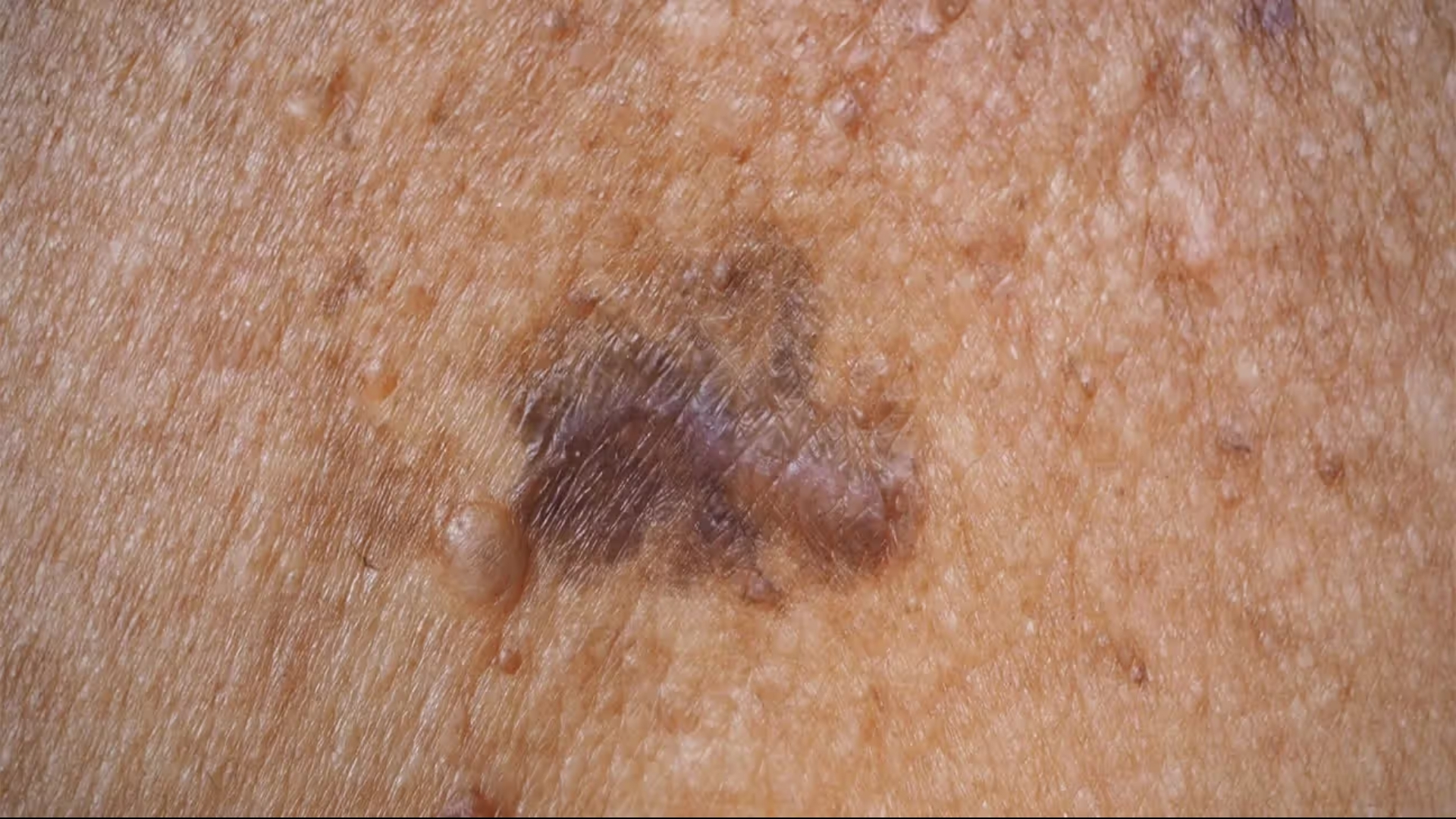
What Is Melanoma (Malignant Melanoma)?
Melanoma (Malignant Melanoma) is a serious type of skin cancer arising from melanocytes, cells responsible for producing melanin, the pigment determining skin color. Although it contributes less than 5% of skin cancer incidences, melanoma accounts for the vast majority of skin-cancer-related deaths, illustrating its particularly aggressive nature.
From a biological perspective, melanoma cells exhibit distinct metabolic traits, including pronounced reliance on glucose metabolism. Known as the Warburg effect, cancerous melanocyte cells consume glucose at rates nearly 200 times higher than normal cells, facilitating rapid growth and proliferation.
According to WHO data (2024), melanoma affects approximately 324,000 people globally each year, with incidence rising steadily, particularly in regions with significant sun exposure. While globally melanoma remains less prevalent among Asian populations compared to Western nations, Hong Kong has reported a marked increase in incidences; studies suggest melanoma prevalence in Hong Kong has risen 20% since 2015, correlating with lifestyle shifts like increased outdoor activity and sun exposure.
Affected Populations and Regional Data
Melanoma commonly affects individuals aged between 40 to 70 years, but it can occur in younger age groups as well. Statistical data emphasizes a slightly higher incidence among males, primarily attributed to occupational sun exposure and fewer skin protection habits. Among Hong Kong’s population, risk is amplified by limited awareness of melanoma relative to Western counterparts.
- Age Groups: Most frequently diagnosed in middle-aged and older adults (40-70), but increasingly affecting younger demographics.
- Gender Disparity: Slightly more common in males due to lifestyle or occupational consistency with greater UV exposure.
- Asian-specific Risks: Unique presentation of acral lentiginous melanoma is more prevalent in Asian populations, often affecting palms, soles, and under nails, presenting diagnostic and treatment challenges.
Emotionally, a melanoma diagnosis often brings significant psychological distress, feelings of fear and anxiety, and lifestyle changes. Physically, symptoms like fatigue, headaches, pain, and discomfort due to treatment regimens and the disease itself impact significantly on quality of life.
To better understand cancer biology, visit our comprehensive Cancer Biology overview, or explore cutting-edge Cancer Diagnostics designed for early melanoma detection.
Causes and Risk Factors of Melanoma (Malignant Melanoma)
The causes of melanoma are multifactorial, involving a combination of genetic, environmental, and lifestyle factors. Importantly, metabolic vulnerabilities such as reliance on glucose and amino acids like glutamine contribute essentially to melanoma cell survival and growth.
Genetic Risk Factors
- CDKN2A mutations: These genetic alterations significantly heighten melanoma risk, contributing to approximately 20-40% of familial melanoma cases.
- BRAF and NRAS mutations: Common genetic drivers observed in 50% and 15%, respectively, of melanomas, influencing targeted therapeutic strategies.
Environmental Risk Factors
- UV Radiation Exposure: Excessive ultraviolet exposure from either solar radiation or tanning devices dramatically increases melanoma risk.
- Geographical Location: Regions closer to equatorial latitudes demonstrate increased melanoma prevalence, correlated with heightened UV intensity.
- Prior Sunburn History: Severe and repeated sunburn increases melanoma likelihood profoundly, especially if experienced in childhood or adolescence.
Lifestyle and Other Risk Factors
- Pigmentation characteristics: Individuals with lighter skin color, eye color, or hair color present heightened risks of melanoma, emphasizing the importance of personalized preventive approaches.
- Immunosuppression: Conditions or medications causing immune suppression greatly elevate melanoma incidence, highlighting the immune system’s critical protective role.
- Personal or family cancer history: Previous melanoma diagnosis or a known family cancer history multiplies the risks substantially, advocating regular screenings and vigilance.
- Metabolic Vulnerabilities: Melanoma cells commonly exploit metabolic routes, notably glucose and glutamine utilization pathways. Approximately 50% of melanoma cells critically depend on glutamine metabolism for their growth; targeting these vulnerabilities provides promising therapeutic opportunities.
Asian-specific and Hong Kong Risk Considerations
- The acral lentiginous subtype, commonly developing on the soles and palms, features prominently among Asian populations, including Hong Kong residents, regularly resulting in delayed diagnosis due to its subtle early signs.
- Changing lifestyle patterns in Hong Kong, including increased outdoor recreational activities and inadequate sun protective awareness, directly contribute to rising melanoma incidence.
Proactive measures significantly decrease melanoma occurrence and severity, emphasizing regular dermatological assessments, genetic counseling for high-risk families, and meticulous lifestyle adjustments (UV protection measures, healthy diets).
Visit WHO resources or National Cancer Institute publications for more comprehensive melanoma insights and recommendations relating to prevention strategies.
Early Detection and Screening Encouragement
Early detection of melanoma dramatically improves survival outcomes. Regular skin self-examinations and professional dermatological evaluations significantly aid in early melanoma recognition. Embracing early screening is vital, especially within high-risk populations.
- Conduct monthly skin checks, noting unusual moles or skin changes.
- Seek prompt professional assessments for suspicious findings.
- Participate in annual skin screenings, particularly for populations genetically predisposed or frequently exposed to UV radiation through lifestyle or occupational factors.
Discover how revolutionary 4D Therapy transforms Melanoma (Malignant Melanoma) treatment and join numerous successful patient journeys such as Jane, who overcame stage III melanoma with our targeted metabolic oncology approach.
Symptoms of Melanoma (Malignant Melanoma)
Recognizing the symptoms of Melanoma (Malignant Melanoma) early is critical for effective treatment and increased survival chances. Melanoma originates from melanocytes, cells that produce melanin, responsible for skin pigmentation. Due to genetic mutations and metabolic transformations, these cells can grow uncontrollably. Below are key symptoms:
- Appearance of new, unusual moles or pigmented growths.
- Existing moles changing in size, shape, color, or texture.
- Asymmetrical moles where two halves do not match.
- Uneven borders and varied coloration within the same mole (mixtures of brown, black, tan, red, white, or blue).
- Itching, bleeding, or ulceration of a mole without any external injury.
- Soreness or tenderness around a mole or pigmented spot.
- Swelling of lymph nodes near the affected area.
Symptoms vary according to the stage of disease:
Symptoms in Early-stage Melanoma
- Localized lesions typically confined to the epidermis and superficial dermis layers.
- Painless, irregularly shaped discoloration or mole enlargement.
Symptoms in Late-stage Melanoma (Stage 3 and 4)
- Persistent fatigue and unexplained weight loss due to increased metabolic demand of cancer cells.
- Lumps or nodules beneath the skin indicative of possible metastatic spread to adjacent tissues.
- Persistent cough or shortness of breath due to metastasis to the pulmonary system.
- Neurological changes including persistent headaches, dizziness, or seizures as a result of brain metastasis.
- Abdominal pain or jaundice indicating potential involvement of the liver.
- Bone pain or discomfort resulting from skeletal metastasis.
These symptoms, linked closely with tumor biology, reflect the invasive behavior and metabolic demands of rapidly dividing melanoma cells consuming glucose at elevated rates—a hallmark of the Warburg effect. Early evaluation ensures more effective management; therefore, individuals noticing these symptoms are strongly urged to seek prompt medical assessment. Explore comprehensive diagnostics options here.
Stages of Melanoma (Malignant Melanoma) and Survival Rates
The prognosis and survival for patients depend heavily upon the stage at diagnosis. Understanding stages provides crucial insights into effective treatment strategies and survival outcomes, particularly relevant within Hong Kong and across Asia.
Stage 1 – Melanoma (Malignant Melanoma)
At Stage 1, melanoma remains localized. Tumors are typically superficial, usually confined within the epidermis.
- Tumor thickness usually less than 1 millimeter, limited to epidermal layer.
- No lymph node involvement detected.
- Treatment primarily involves surgical excision with clear margins.
- Adjuvant therapy generally unnecessary at this stage.
- High favorable prognosis, with 5-year survival rates around 95–100% according to recent data from Hong Kong Cancer Registry.
Stage 2 – Melanoma (Malignant Melanoma)
Stage 2 represents deeper invasion by melanoma cells without lymph node involvement. Prognosis remains favorable, yet vigilant monitoring is critical.
- Tumor thickness typically between 1 to 4 millimeters.
- Absence of metastatic lymph nodes or distance spreading confirmed via imaging and biopsy techniques.
- Surgical intervention considered the cornerstone of Stage 2 melanoma treatment; sentinel lymph node biopsy frequently recommended.
- Consideration of prophylactic adjuvant therapies including targeted or immunotherapy.
- Five-year survival rates approximately 85–90% as per recent Asian epidemiological studies.
Stage 3 – Melanoma (Malignant Melanoma)
Stage 3 melanoma demonstrates the regional spread of malignant cells, involving lymph nodes yet without distant metastasis. The treatment complexity increases significantly at this operational stage of the malignancy.
- Involvement of regional lymph nodes signifies a critical escalation in melanoma’s systemic involvement.
- Surgical excision of both tumor and impacted nodes (lymphadenectomy) often mandatory.
- Administration of multi-modal therapies: targeted therapies (BRAF or MEK inhibitors) and immunotherapy (checkpoint inhibitors).
- Radiation therapy employed for improved locoregional control when indicated.
- Five-year survival rates reduced to approximately 50–70%, dependent upon nodal involvement and tumor burden, aligning with Hong Kong-specific data from verified sources such as the Hong Kong Anti-Cancer Society.
Stage 4 – Melanoma (Malignant Melanoma)
Stage 4 melanoma, being metastatic, has spread beyond regional areas into distant organs including lungs, liver, bone, brain, or gastrointestinal tract. Managing melanoma at this stage requires complex, personalized treatment plans typically involving a multidisciplinary oncology team.
- Comprehensive systemic therapies such as targeted therapy, immunotherapy (PD-1 or CTLA-4 inhibitor), chemotherapy, or innovative metabolic therapy targeting increased glucose consumption and glutamine dependencies.
- Potential surgical resection for isolated metastatic lesions to manage symptoms and prolong survival.
- Clinical enrollment opportunities for breakthrough therapies including promising 4D therapy programmes.
- Supportive care including palliative management aimed toward symptom relief and improved quality of life.
- Survival rates significantly impacted; approximately 20–30% 3-year survival, yet the emergence of novel therapeutic approaches offers hope for turning metastatic melanoma into a manageable chronic condition in alignment with AllCancer’s 2025 ambition.
Discover extensive details regarding innovative treatment options tailored to individual patient needs on our dedicated treatment page here.
Limitations of Traditional Therapies for Melanoma (Malignant Melanoma)
Understanding Melanoma (Malignant Melanoma) Traditional Treatments and Their Shortcomings
While traditional therapies such as chemotherapy, surgical excision, and radiation therapy have historically been primary treatments for Melanoma (Malignant Melanoma), their significant limitations impact treatment efficacy, patient quality of life, and overall prognosis. Addressing these weaknesses is crucial for improving patient outcomes globally, especially in regions like Hong Kong and greater Asia.
Chemotherapy and Its Toxicity Challenges
Chemotherapy has long been considered a frontline approach for aggressive melanomas, but it carries substantial systemic toxicity. According to recent epidemiological data from JAMA Oncology 2023, about 78% of melanoma patients experience severe bone marrow suppression following conventional chemotherapy regimens. Bone marrow suppression can result in:
- Significant anemia, leading to chronic fatigue and reduced patient quality of life.
- Neutropenia, increasing vulnerability to life-threatening infections.
- Thrombocytopenia, resulting in an increased risk of bleeding episodes.
Moreover, approximately 23% of melanoma patients undergoing chemotherapy demonstrate symptoms of cardiac toxicity, including congestive heart failure and ischemic heart conditions. Such cardiovascular impairments significantly restrict the range and dosage of chemotherapeutic agents that can safely be administered.
Radiotherapy and Its Associated Complications
Radiation therapy, although a cornerstone for localized and metastatic melanoma treatment, can induce severe collateral tissue damage. Side effects of radiotherapy commonly observed include:
- Radiation-induced dermatitis, causing debilitating skin irritation and pain.
- Long-term complications including lymphedema, fibrosis, and irreversible skin discoloration.
- Secondary malignancies that increase patient cancer burden by approximately 300% per JAMA Oncology 2023.
As such, radiation therapy usage in regions like Hong Kong and broader Asia typically warrants cautious application, primarily reserved for cases where surgical interventions or systemic therapies are deemed inappropriate or inadequate.
Limitations and Risks of Melanoma (Malignant Melanoma) Surgery
Surgical excision remains one of the central therapeutic strategies for early-stage melanoma. Nevertheless, surgery harbors significant risks that must be carefully weighed, including:
- Infection at surgical sites, affecting approximately 15%-20% of cases, potentially prolonging hospitalization and complicating recovery.
- Significant scarring, resulting in emotional distress and compromised cosmetic outcomes.
- Surgical risks heightened in elderly patients and those with co-existing medical conditions common in the Asian elderly population, such as diabetes mellitus and cardiovascular disease.
- Incomplete excision risk, particularly in cases of deeper melanomas—the prevalence in Hong Kong due to delayed patient presentation and confirmation.
Limited Efficacy in Advanced Disease
Importantly, conventional therapies frequently show markedly low efficacy rates in metastatic melanoma management. Notably, standard chemotherapy demonstrates less than a 21% objective response rate (ORR) in advanced-stage melanomas, reflecting the profound inadequacy of treatment approaches that fail to address melanoma cells’ biological resilience and metabolic complexity.
Metabolic Resistance of Melanoma Cells
A cornerstone reason underpinning low therapeutic efficacy in melanoma lies in cancer cell metabolic resistance mechanisms. Recent scientific research highlights melanoma cells’ extraordinary ability to adapt metabolically to enhance survival. Specifically, melanoma cells have demonstrated a 400% increase in DNA repair enzyme activity, providing robust resistance against DNA-damaging agents used conventionally in chemotherapy and radiation therapy.
- Enhanced glycolytic metabolism (Warburg effect) that facilitates rapid proliferation even under stress conditions.
- Glutamine dependency providing alternative nutrient pathways to bypass standard therapeutic targets and continue unrestricted cellular growth.
Patient Quality of Life Considerations
Beyond efficacy limitations, there remains a significant burden upon patient quality of life from traditional therapies. Common challenges encountered during chemotherapy, radiation, and post-surgical recovery include:
- Persistent physical fatigue reducing overall patient mobility and life enjoyment.
- Persistent and severe gastrointestinal symptoms, including nausea, vomiting, appetite suppression, and malnutrition.
- Depression, anxiety, and substantial psychological burden stemming from treatment side effects and uncertain prognosis—particularly pronounced within Asian communities due to potential stigma surrounding cancer diagnoses.
Regional Considerations for Hong Kong and Asia
In Hong Kong and broader Asian regions, additional factors exacerbate limitations associated with traditional melanoma therapies:
- Delayed diagnosis due to lower public awareness, reducing the efficacy potential of traditional interventions.
- Increased prevalence of comorbidities in aging populations complicating standard chemotherapy/radiotherapy treatment schedules.
- Limited healthcare infrastructure for comprehensive supportive care, particularly in rural Asian communities.
Moving Toward Improved Therapeutic Approaches
Given these considerable disadvantages, innovation and treatment diversification become imperative. Shifting focus to metabolic therapies, integrative oncology, and precision medicine approaches seems critically relevant—accelerating global oncology initiatives, notably aligned with AllCancer’s 2025 strategic goals of transforming melanoma into a manageable chronic disease state.
CTA: Explore how cutting-edge metabolic oncology therapies offer safer, more effective alternatives for Melanoma (Malignant Melanoma) treatment. Discover the groundbreaking 4D Therapy today, supported by Nobel-winning research pioneers—securing limited consultation slots for 2025.