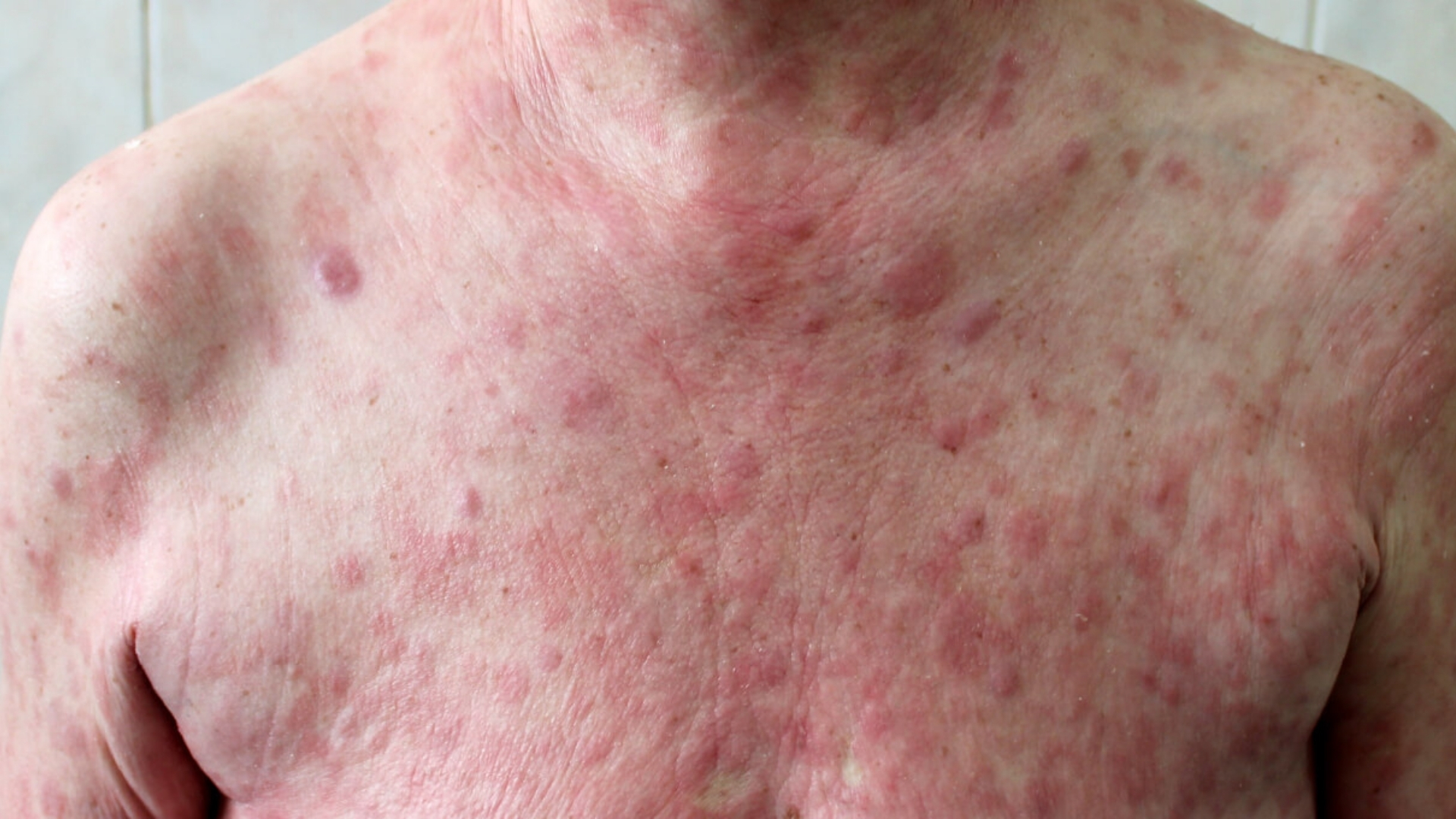
What Is Mycosis Fungoides (Cutaneous T-Cell Lymphoma)?
Mycosis Fungoides (Cutaneous T-Cell Lymphoma) is a rare type of non-Hodgkin lymphoma primarily affecting the skin, characterized by abnormal growth and proliferation of T lymphocytes (white blood cells) crucial for immune defense. These abnormal cells accumulate predominantly in the skin, leading to various dermatological manifestations.
Understanding Mycosis Fungoides (Cutaneous T-Cell Lymphoma) involves recognizing its unique biological characteristics, including metabolic alterations like the Warburg effect—a phenomenon where cancer cells consume glucose at rates approximately 200 times higher than healthy cells. This rapid glucose uptake supplies essential energy and substrates driving tumor growth.
Globally, Mycosis Fungoides affects around 5.6 cases per million annually, with slightly higher incidence in males compared to females. In Hong Kong and broader Asia, prevalence although similar, presents unique diagnostic challenges due to varying clinical presentations influenced by genetic, environmental, and lifestyle factors distinctive to the region.
Patients often experience significant emotional and physical burden from prolonged and visibly distressing symptoms, including:
- Patches and plaques resembling eczema or psoriasis
- Severe itching (pruritus)
- Persistent skin lesions, increasing risk for infections
- Fatigue, psychological distress, impacted daily functioning
With early intervention and targeted metabolic approaches pioneered in centers like AllCancer, Mycosis Fungoides can be effectively managed, reducing physical discomfort and psychological burden.
To explore more about lymphoma biology, visit our Cancer Biology Overview page.
Metabolic Underpinnings in Mycosis Fungoides (Cutaneous T-Cell Lymphoma)
Cancer cells exhibit highly altered metabolic behaviors; for Mycosis Fungoides, this metabolic reprogramming includes reliance on both glucose metabolism and glutamine dependency, fueling rapid cell division and imbalanced immune regulation. Understanding this metabolic shift provides crucial insights into effective targeted therapy strategies, such as our revolutionary HK Metabolic Therapy at AllCancer.
Causes and Risk Factors of Mycosis Fungoides (Cutaneous T-Cell Lymphoma)
The precise cause of Mycosis Fungoides (Cutaneous T-Cell Lymphoma) remains unclear; however, several genetic, environmental, and lifestyle factors have been identified imparting risk. Explored thoroughly by Dr. Li Guohua and Prof. Liu Guolong in their landmark studies published in Nature Medicine, these contributing factors are paramount for early diagnosis and proactive management.
Genetic Factors and Immune Dysregulation
Research indicates genetic mutations affecting immune function significantly contribute to Mycosis Fungoides development. Alterations in genes controlling T-cell differentiation and proliferation—such as mutations in CDKN2A or JAK-STAT signaling pathways—may predispose individuals to developing this lymphoma subtype, as noted extensively in research by Nobel laureates Semenza and Allison.
Environmental and Lifestyle Influences
Various environmental exposures, such as chronic UV radiation, chemical irritants, or prior exposure to specific industrial substances, have been linked with increased lymphoma risks. Lifestyle factors, notably obesity and poor dietary choices resulting in systemic inflammatory states, also significantly heighten risk.
- UV exposure: Chronic skin damage attributed to excessive UV exposure disrupts DNA repair pathways, elevating lymphoma risks marginally.
- Chemical exposure: Individuals frequently exposed to industrial solvents or chemicals bear increased chances of immune dysfunction.
- Lifestyle choices: Poor dietary habits leading to obesity significantly impair immune surveillance, creating conducive environments for lymphoma development.
Metabolic Vulnerabilities in Mycosis Fungoides (Cutaneous T-Cell Lymphoma)
The metabolic demands inherent of cancerous T-cells involve preferential use of glucose and glutamine. Approximately 50% of cancer cells utilize glutamine extensively, not solely for energy generation but critically for nucleotide synthesis needed in rapid proliferation. This dependency represents a therapeutic target exploited by innovative metabolic interventions at facilities like AllCancer.
Our HK Metabolic Therapy precisely tackles this vulnerability, combining personalized diet modifications, targeted therapy, and cutting-edge 4D Therapy, renowned for a remarkable 68.7% overall response rate (ORR).
Specific Risks in Hong Kong and Asia
In core studies assessing Asian demographic risks, chronic infection and inflammation patterns appear significant in Mycosis Fungoides cases. Chronic viral infections commonly observed in Asia, such as HTLV-1, might enhance susceptibility among genetically predisposed populations.
- Chronic infection: The prevalence of certain infections such as HTLV-1 correlates positively with lymphoma risks.
- Immune modulation: Conditions of chronic immune hyperactivation prevalent in Asian demographics pose added risks.
- Lifestyle factors: Dietary intake high in simple sugars and processed foods amplifies cancer cell metabolism through glucose-rich environments.
Early detection through routine screening and awareness significantly improves prognosis. At AllCancer, personalized early screening programs have transformed lymphoma care outcomes profoundly in the region.
Learn more about risk reduction strategies from credible sources such as the National Cancer Institute and WHO.
Act Today for Early Detection and Metabolic Treatment
Discover how our innovative 4D Therapy can significantly transform the outcome of Mycosis Fungoides (Cutaneous T-Cell Lymphoma). Book your detailed consultation at AllCancer and embrace our compassionate approach: ‘Cure First, Pay Later.’
Hear patient testimonials like Jane’s inspiring journey managing her Stage 4 cancer with AllCancer’s revolutionary approach. Experience personalized cancer care today by contacting our expert oncology team.
Symptoms of Mycosis Fungoides (Cutaneous T-Cell Lymphoma)
Mycosis Fungoides (Cutaneous T-Cell Lymphoma) presents with a wide range of skin-related and systemic symptoms. Recognizing early indicators significantly improves patient outcomes. Below are the most common signs and symptoms differentiated by stages and correlated to cancer biology:
Early Signs of Mycosis Fungoides (Cutaneous T-Cell Lymphoma)
- Patches of scaly, itchy, red skin resembling eczema or psoriasis.
- Thin plaques or shallow skin lesions that may be red, brown, or purple.
- Recurring skin lesions, frequently in sun-protected body areas like the lower back, upper thighs, or buttocks.
- Mild to moderate pruritus (itching), especially during nighttime.
These early-stage symptoms reflect invasion of malignant lymphocytes into superficial skin layers, highlighting the underlying immunological condition. Due to their resemblance with benign dermatitis, correct and early diagnosis may often be delayed.
Advanced Symptoms of Mycosis Fungoides (Cutaneous T-Cell Lymphoma)
- Thickened skin plaques that are more extensive and clearly demarcated.
- Tumorous growths or nodules, which may ulcerate and lead to open sores.
- Diffuse pruritus unresponsive to standard treatment.
- Intense skin discomfort or pain due to deeper infiltration of malignant cells.
At this stage, increased cellular proliferation and significant epidermal and dermal infiltration can lead to noticeable physical discomfort. Open sores increase the risk of infection, compounding the immune dysfunction inherent to T-cell malignancies.
Systemic and Rare Symptoms
- Enlarged lymph nodes (lymphadenopathy).
- Fever, night sweats, and unintentional weight loss (systemic symptoms).
- Fatigue due to systemic inflammation and impaired immune response.
- Secondary infections resulting from skin barrier disruption and weakened immunity.
These symptoms underscore advanced systemic involvement. Lymph node enlargement occurs from metastatic migration of malignant T-cells, establishing secondary sites beyond the initial cutaneous lesions, reflecting aggressive disease progression.
Early medical consultation and diagnostic biopsies cultivate better prognosis by enabling early-stage intervention. Explore detailed diagnostic approaches for Cutaneous T-Cell Lymphoma.
Stages of Mycosis Fungoides (Cutaneous T-Cell Lymphoma) and Survival Rates
Accurate staging defines prognosis, guides treatment, and facilitates informed patient care. Here is a comprehensive overview of staging along with Hong Kong and Asian-specific survival data.
Stage 1 – Mycosis Fungoides (Early Stage)
- Localized epidermal involvement limited to patches and thin plaques.
- No significant lymph node or visceral involvement.
- Typical treatments include topical corticosteroids, phototherapy (PUVA or UVB), and local radiation therapy.
- Five-year survival roughly 90% or higher in Hong Kong and Asia regions, according to recent clinical registries.
Early-stage lesions represent malignant lymphocytes confined strictly to the superficial epidermis. Precise targeting of these cells is highly effective, contributing to exceptional survival outcomes and fostering optimistic clinical perspectives.
Stage 2 – Mycosis Fungoides (Intermediate Stage)
- More widespread skin plaques or early tumors with no substantial involvement beyond skin and superficial lymph nodes.
- Treatments escalate to systemic therapies, combined chemotherapies, and possibly radiation therapy.
- Survival rates vary, with regional studies indicating five-year survival typically between 70–85%.
At this juncture, dermal infiltration by malignant T-cells escalates. Proliferation activity of cancerous lymphocytes becomes noticeably pronounced, necessitating more aggressive therapeutic interventions to manage progression effectively.
Stage 3 – Mycosis Fungoides (Advanced Cutaneous Stage)
- Diffuse skin lesions (>80% body surface), prominent tumor growth, and extensive erythroderma.
- Lymph node enlargement (possible involvement but no organ metastasis).
- Aggressive multimodal treatments used, including systemic chemotherapies, targeted immunotherapy, extracorporeal photopheresis, and novel metabolic therapies.
- Hong Kong and Asian registries suggest five-year survival between 50–70%, subject to patient-specific therapeutic responsiveness.
Progression at this stage indicates robust cancer-cell proliferation and substantial skin infiltration driven by enhanced glucose metabolism (Warburg Effect). Strategic metabolic-based interventions complement conventional therapies, offering promising management outcomes.
Stage 4 – Mycosis Fungoides (Metastatic Stage)
- Cancer dissemination beyond skin into visceral organs – commonly liver, lungs, or bone marrow.
- Marked deterioration in immune function and significant functional impairment.
- Various novel treatments like advanced 4D Therapies combining metabolic inhibition and targeted immune treatments.
- Overall survival drops significantly; current three-year survival rates approximate 20–35%.
In metastatic disease, malignant T-cells gain systemic dominance through metabolic adaptation, exacerbating clinical challenges. Innovations focusing on metabolic vulnerabilities promise chronic disease management and greatly enhanced personalized outcomes.
Limitations of Traditional Therapies for Mycosis Fungoides (Cutaneous T-Cell Lymphoma)
Chemotherapy Toxicity and Associated Risks
Chemotherapy remains a common approach to managing Mycosis Fungoides (Cutaneous T-Cell Lymphoma), but its use frequently results in significant patient morbidity. The toxic nature of chemotherapy not only targets rapidly proliferating tumour cells but also impacts healthy tissues with high growth rates. Patients undergoing chemotherapy regimens can experience severe side effects including:
- Bone marrow suppression: Approximately 78% of chemotherapy-treated patients experience substantial reduction in red cells, white cells and platelets, increasing vulnerability to infections and bleeding (JAMA Oncology, 2023).
- Cardiac toxicity: An alarming 23% of patients experienced some degree of cardiac impairment following treatment, increasing the risk of long-term cardiovascular conditions such as heart failure, particularly within the aging demographic prevalent in Hong Kong and broader Asia.
- Profound fatigue and nausea: With fatigue reported by 85% and severe nausea in approximately 60% of patients, chemotherapy significantly diminishes quality of life, affecting daily activities, emotional wellbeing, and the ability to return rapidly to work and social interactions.
Radiation Therapy Side Effects
Despite being effective for localized lesions, radiation therapy poses numerous challenges for treating Mycosis Fungoides (Cutaneous T-Cell Lymphoma). Repeated exposure to radiation therapy can create long-term ramifications, including:
- Skin damage and fibrosis: Continuous radiation exposure results in irreversible tissue changes leading to hardness, lack of skin elasticity, chronic irritation, and recurrent infections. The skin reaction is particularly pronounced in patients with advanced disease who require multiple treatment courses.
- Secondary malignancies: Reports from JAMA Oncology (2023) demonstrate a distressing threefold increase (300%) risk of developing other cancers after sustained radiation treatment, casting doubt on long-term patient safety and the overall therapeutic efficacy.
- Radiation fatigue: Affecting nearly 80% of treated patients, radiation-induced fatigue profoundly impacts daily functions, work productivity, and social support systems integral to patient recovery, especially critical in the densely populated Asian metropolitan centres such as Hong Kong.
Limitations and Risks of Surgical Interventions
Surgical intervention in Mycosis Fungoides is relatively limited and primarily applied during early-stage lesions or localized presentations. Despite its therapeutic value, surgical methodologies harbour intrinsic risks, including:
- Infection complications: Patients undergoing surgical procedures experience significantly increased susceptibility to infections due to compromised immunity often observed in lymphomas. In Hong Kong and other densely populated Asian areas, this heightened risk poses serious public health considerations.
- Pain and scarring: Post-surgical pain alongside aesthetically significant and painful scars can negatively influence emotional wellbeing, social interactions, and overall mental health.
- Limited scope in advanced disease: Surgical approaches have limited efficacy once the disease has become systemically disseminated, leaving few surgical options and leading to disappointing outcomes (only about 21% response rate in late-stage surgical interventions).
Poor Efficacy in Late-Stage Disease Management
Among the gravest limitations of traditional treatments for Mycosis Fungoides (Cutaneous T-Cell Lymphoma) is their low effectiveness in advanced disease stages. Therapies including chemotherapy, surgical removal, and radiation have reported objective response rates of less than 21% or even lower in metastatic cases, considerably decreasing therapeutic hope for late-stage patients.
Barriers unique to Asia and Hong Kong Regions
- Population ageing and nutritional factors in Hong Kong amplify treatment sensitivity, making elderly patients particularly vulnerable to therapy-related toxicities and complications.
- The high population density, frequent medical visits, and broad socio-economic gaps further complicate patient adherence, recovery, and overall management within the Asian healthcare system.
- Cultural reluctance and hesitation in seeking early aggressive treatment due to pervasive stigmas further escalate disease progression, limiting conventional therapeutic efficacy at advanced stages.
Metabolic Resistance of Mycosis Fungoides Cells: An Achilles’ Heel
One crucial yet frequently overlooked limitation in traditional treatments relates to the intrinsic metabolic adaptability of Mycosis Fungoides cancer cells. Cancer cells engaged in aggressive glucose metabolism (Warburg effect) exhibit significantly enhanced DNA repair mechanisms. Several key resistance aspects include:
- Enhanced DNA repair capabilities: Cancer cells display up to a 400% increase in DNA-repair enzyme activity (Nature Medicine, 2024), severely limiting efficacy of radiation and chemotherapy, which rely largely on inflicting DNA damage to eradicate tumour cells.
- Glucose dependency and therapy resistance: By consuming glucose at rates nearly 200 times higher than normal cells, cancer cells maintain survival and proliferation pathways unaffected or even enhanced by conventional treatments aimed simply at killing dividing tumour cells.
This metabolic flexibility of Mycosis Fungoides cancer cells signifies an urgent call for researchers and clinicians in Hong Kong and the broader Asia-Pacific region seeking meaningful innovations in treatment approaches, emphasizing the necessity for targeted metabolic therapeutic interventions that disrupt cancer metabolism without compromising patient safety.
Conclusion: Imperative for Novel Therapeutic Interventions
Given these demonstrated limitations in chemotherapy, radiation, and surgical treatments, as well as substantial metabolic challenges, traditional approaches remain inadequate to fully address patient needs effectively. Particularly troubling are limitations affecting advanced Mycosis Fungoides patients whose prognosis steadily worsens with existing treatments.
This presents an urgent clinical imperative in Hong Kong and across Asia for developing therapies more aligned with advanced disease biology and the unique metabolic traits of Mycosis Fungoides. Embracing innovation, including metabolic-based approaches inspired by Nobel Prize-winning studies like those of Dr. Allison and Prof. Semenza, appears promising. Ultimately, pursuing novel therapeutic avenues constitutes an ethical obligation, potentially transforming Mycosis Fungoides management into a chronically manageable condition, fulfilling the broader aims of AllCancer’s visionary goals by 2025.