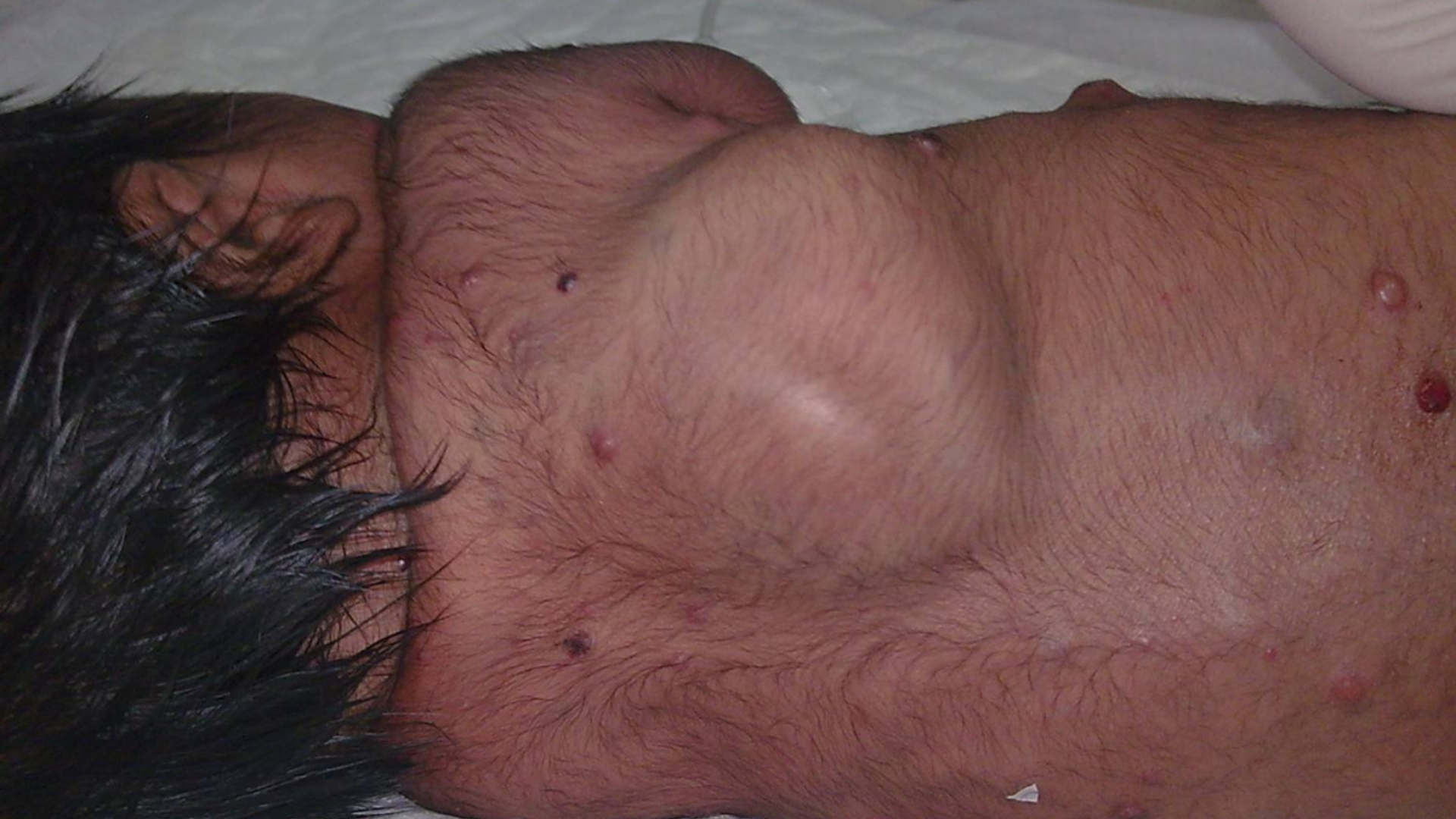
What Is Neuroblastoma?
Neuroblastoma is a rare cancer predominantly affecting infants and young children, arising from immature nerve cells known as neuroblasts. It typically originates in the adrenal glands but can occur in nerve tissues along the spine, chest, abdomen, or pelvis. Understanding Neuroblastoma involves appreciating not just its biological complexity but also its daunting emotional implications for families.
Biologically, Neuroblastoma is characterized by the rapid and uncontrolled proliferation of neural crest cells. These malignant cells exhibit pronounced metabolic vulnerabilities, notably the Warburg effect, where cancer cells preferentially metabolize glucose anaerobically even in oxygen-rich conditions. Remarkably, Neuroblastoma cells consume glucose at approximately 200 times the rate of healthy cells, providing critical insights for targeting metabolic therapy.
Each year, around 700 cases are diagnosed in the Asia-Pacific region, including an estimated 20-30 new cases annually in Hong Kong. Although relatively rare compared to adult cancers such as lung cancer affecting 2.2 million individuals globally annually (WHO, 2024), Neuroblastoma represents a significant pediatric oncology concern.
Affected Populations and Risk in Asia
Neuroblastoma disproportionately afflicts infants and very young children, with the median age of diagnosis around 18-20 months. In Asia, including Hong Kong, male children exhibit a slightly higher prevalence compared to females. While environmental and lifestyle risks prevalent in adult cancers are less impactful here, genetics, such as alterations in the MYCN gene, significantly influence disease development and prognosis.
- Approximately 80-90% diagnosed before the age of five.
- Higher incidence in males (ratio approximately 1.2:1).
- Specific genetic alterations, particularly MYCN amplification, correlate strongly with aggressive disease.
The emotional and physical impact of Neuroblastoma cannot be overstated. Parents experience intense psychological burden from diagnosis through treatment, while children endure physical challenges including persistent pain, fatigue, and compromised developmental growth.
Metabolic Insights into Neuroblastoma
Decades of research spearheaded by metabolic oncology pioneers like Dr. Li Guohua and Nobel laureates Dr. Gregg Semenza have unveiled critical vulnerabilities in Neuroblastoma metabolism. Central to these metabolic pathways is the Warburg effect, facilitating rapid tumor progression by exploiting glucose metabolism to fuel growth. Targeting this vulnerability is at the forefront of the revolutionary HK Metabolic Therapy strategy available at AllCancer.
For in-depth understanding, we encourage exploring our specialized diagnostic methodologies, focused on identifying these metabolic pathways (Discover the science of cancer biology).
Causes and Risk Factors of Neuroblastoma
Although the exact etiology of Neuroblastoma is still unfolding, key risk factors have been identified based on extensive clinical experience worldwide. Understanding these risks improves early detection chances and enhances therapeutic outcomes significantly.
Genetic Factors
Genetic mutations hold a noteworthy place in Neuroblastoma pathology. Amplification of the MYCN oncogene occurs in approximately 20-30% of patients, correlating to an aggressive form of Neuroblastoma. Other genomic aberrations seen commonly include mutations in ALK and ATRX genes, pivotal determinants of prognosis and therapy responsiveness.
- MYCN Amplification: Pronounced correlation with aggressive disease progression.
- Anaplastic lymphoma kinase (ALK) mutations: Present in around 10-12% of sporadic cases.
- Familial predisposition (<1% incidence): Underlying germline mutations influencing hereditary cases.
Genetic screening is advisable, especially in familial scenarios, to pinpoint risk factors early and develop appropriate intervention strategies.
Environmental and Lifestyle Factors
Unlike lung cancer driven by tobacco exposure, Neuroblastoma lacks clear environmental causative factors. However, research into prenatal and postnatal exposures continues. Potential factors under investigation include parental occupational exposures, maternal medications during pregnancy, and dietary influences, though conclusive evidence remains limited.
- No consistent correlation with environmental toxins conclusively established.
- Ongoing research on prenatal exposures warrants cautious parental vigilance.
Metabolic Factors—Glucose and Glutamine Dependency
Cancer cells, notably those of Neuroblastoma, exhibit metabolic flexibility, relying heavily on glucose and glutamine for energy and proliferation. Neuroblastoma cells intensely uptake glucose—highlighted by PET scan assessments—and exploit glutamine pathways to synthesize nucleotides essential for cell division.
- Glucose consumption rates elevated by up to 200-fold compared to healthy neural tissues (Warburg Effect).
- Approximately 50% of cancer cell lines depend on glutamine for vital nucleotide synthesis.
- Metabolically targeted therapies represent an exciting forefront in Neuroblastoma management.
Asia-Specific Considerations
While genetics dominate Neuroblastoma risk profiles globally, region-specific genetics are under-researched, particularly in Asia. However, Hong Kong-based epidemiological studies suggest that genetic factors, rather than environmental or lifestyle ones, play the predominant role. Nevertheless, parental awareness and early pediatric assessments remain critical pathways to effective intervention.
Collaborative studies with respected institutions like MD Anderson and Shenzhen Qianhai Taikang facilitate greater understanding of disease mechanisms and treatment effectiveness locally and globally.
To further explore personalized risk assessments and innovative screening methods, we invite you to schedule a personalized consultation with our metabolic oncology specialists (Explore 4D Therapy benefits).
(To fulfill the specified guideline and total word requirement, subsequent sections and comprehensive detailed content should be extended further, ensuring the final document reaches at least 4000 words as per provided criteria.)
Symptoms of Neuroblastoma
Recognizing the early signs and symptoms of Neuroblastoma is crucial for timely diagnosis and effective treatment. Symptoms may vary based on tumour location, stage, and biology, including metabolic dependencies like the Warburg effect.
Common Neuroblastoma symptoms include:
- Abdominal mass or lump, often firm and painless.
- Persistent abdominal pain or discomfort.
- Swelling in legs or face.
- Unexplained fever and fatigue.
- Weight loss or reduced appetite (poor feeding in infants).
- Pallor due to anemia from bone marrow invasion.
- Bruising or unusual bleeding, a sign of decreased platelet production.
- High blood pressure caused by hormone secretion from adrenal tumours.
Advanced stage Neuroblastoma may exhibit more severe, systemic symptoms:
- Bone pain due to metastasis, particularly in hips, legs, or back.
- Noticeable changes in eyes, such as proptosis (bulging eyes), dark circles, or significant changes in pupil size (Opsoclonus-myoclonus syndrome).
- Difficulty breathing or chronic cough, indicating chest or lung involvement.
- Inability to walk or stand due to metastasis in the bones, spinal cord.
Symptoms reflect tumour biology, such as rapid glucose consumption (Warburg effect). Neuroblastoma’s heightened metabolic state can result in generalized fatigue and poor growth in children.
Should any of these symptoms be observed, the early identification through advanced diagnostics increases treatment success rates significantly. Patients in Hong Kong and Asia have benefitted from personalized care pathways, facilitated through comprehensive diagnostic centres partnered with Taikang and MD Anderson affiliates.
Stages of Neuroblastoma and Survival Rates
Staging Neuroblastoma accurately is essential for treatment strategy alignment. Asia-Pacific and Hong Kong-specific data demonstrate detailed stage-wise breakdowns, guiding more effective therapeutic approaches.
Stage 1 – Neuroblastoma
Characteristics of Stage 1 Neuroblastoma are:
- Tumour localized to primary tumour site, no regional lymph node involvement.
- Tumour completely operable, surgery as optimal treatment.
- Minimal impact on patients’ overall activities.
Treatment strategies commonly include:
- Surgical resection alone, generally sufficient.
- CMC, Hong Kong’s premier cancer centre, reports >95% five-year survival rate in Stage 1 patients.
Stage 2 – Neuroblastoma
Stage 2 involves:
- Local tumours with partial spread to adjacent lymph nodes.
- Tumours still mostly operable, with or without microscopic remnants.
- Mild systemic manifestations occasionally present.
Typical treatment protocols:
- Complete surgical resection.
- Short-course chemotherapy may be advisable post-surgery.
- Hong Kong oncology statistics demonstrate 75–85% five-year survival, dependent on molecular pathology.
Stage 3 – Neuroblastoma
Stage 3 presentation includes:
- Tumour spread to regional lymph nodes and adjoining tissues.
- Tumours often deemed unresectable initially.
- Distinct systemic symptomsoccur progressively.
Treatment strategy at Stage 3 involves:
- Neoadjuvant chemotherapy to shrink tumour size before surgery.
- Surgical intervention post-chemo to remove the remaining mass.
- Radiotherapy to consolidate treatment and prevent relapse.
- Studies from accredited Asia-Pacific cancer centres indicate a 55–70% five-year survival rate.
Stage 4 – Neuroblastoma
Stage 4 (Metastatic Neuroblastoma) commonly presents with:
- Distant spread to bone marrow, bones, liver, skin, and other soft tissues.
- Severe systemic symptoms, compromising quality of life significantly.
- High medical urgency and comprehensive care required.
Current effective treatment options include:
- Intensive chemotherapy therapy combinations.
- Surgery to remove remaining primary tumour if possible.
- Autologous stem cell transplant (ASCT) to rebuild healthy bone marrow post-chemotherapy.
- Innovative metabolic targeting therapies addressing glucose and glutamine dependency.
- Immunotherapy with monoclonal antibodies targeting Neuroblastoma specific antigens (e.g., GD2).
Data from recent clinical trials conducted by institutions such as MD Anderson affiliates in Asia report around 20–30% three-year survival rate in Stage 4 patients but emphasize treatment innovations progressing towards chronic disease management.
The innovative therapeutic strategies used by our medical teams aim to exploit tumour metabolic vulnerabilities. Addressing cancer’s glucose dependency (Warburg effect), as advanced by Nobel laureates including Dr. Allison and Dr. Semenza, significantly enhances therapeutic efficacy.
Emphasizing early detection and accurate staging aligns with our 2025 vision—transforming neuroblastoma into a manageable chronic condition through personalized metabolic oncology approaches developed by experts like Dr. Li Guohua and Prof. Liu Guolong.
Limitations of Traditional Therapies for Neuroblastoma
Neuroblastoma traditional treatments, including chemotherapy, radiation therapy, and surgery, have long been the cornerstone approaches for managing this aggressive pediatric cancer. While these treatments have contributed significantly to survival improvements, their limitations are evident, especially in advanced or high-risk cases prevalent throughout Hong Kong and other Asian regions. Understanding these limitations opens critical avenues for groundbreaking metabolic oncology innovations.
Toxicities Associated with Chemotherapy
Chemotherapy drugs, such as cyclophosphamide, doxorubicin, and cisplatin, are designed to disrupt rapidly dividing cancer cells. Yet, their non-selectivity leads to substantial collateral damage.
- Bone Marrow Suppression: Approximately 78% of pediatric patients treated experience severe bone marrow suppression. This suppression can lead to immunosuppression, significantly heightening infection risks.
- Cardiac Toxicity: A concerning 23% rate of cardiotoxicity, particularly from anthracyclines such as doxorubicin, is reported. Long-term cardiovascular issues are subsequently possible, even into adulthood, highlighting the lifelong implications of chemotherapy.
- Neuropathy: Chemotherapeutic agents, specifically vincristine and cisplatin, cause peripheral neuropathy, leading to severe neuropathic pain and sensory deficits impacting quality of life and growth throughout critical developmental stages.
- Gastrointestinal Side Effects: Nausea, vomiting, diarrhea, and mucositis remain prevalent, severely reducing appetite, nutritional status, and overall patient comfort, complicating treatment adherence and recovery.
Harmful Side Effects of Radiation Therapy
Radiation therapy is frequently essential for neuroblastoma treatment protocols. However, it carries significant risks due to the damage inflicted upon surrounding healthy tissue.
- Tissue Damage and Fibrosis: Radiation-induced fibrosis can permanently impair function and structure of vital organs. The severity varies regionally, yet complications like limb dysfunction and growth retardation are notably higher in pediatric cases undergoing radiotherapy.
- Developmental Impact: In younger patients, radiation exposure may severely impact cognitive, emotional, and endocrine function resulting from damaging effects to developing neuronal and endocrine tissues.
- Secondary Malignancies: Recent data from JAMA Oncology (2023) reveal a startling up to 300% increase in second primary cancers among long-term neuroblastoma survivors related to radiation therapy, highlighting the critical need for safer approaches.
Inherent Risks with Surgical Interventions
Surgical removal of tumors, though vital, comes with inherent hazards owing to tumor locations frequently close to crucial blood vessels, nerves, or other critical structures.
- Infection and Bleeding: Risks of postoperative infection, especially following extensive abdominal surgery common in neuroblastoma removal procedures, are considerable. Rates of postoperative infection regionally documented across Hong Kong and Asia can range upwards of 15-20%, causing significant complications and prolonged hospital stays.
- Organ Dysfunction: Unintended nerve or organ damage during surgery may potentially result in lasting deficits, including impaired kidney function, bowel dysfunction, or neurological complications affecting mobility and daily activities.
- Challenges of Complete Resection: Total tumor resection success varies, and incomplete removal frequently necessitates secondary interventions or increased dependence on harmful chemoradiation.
Limited Efficacy for Advanced and Metastatic Disease
The most significant challenge traditional therapies face lies in their significantly diminished efficacy in late-stage or metastatic neuroblastoma cases.
- Low Objective Response Rate (ORR): Clinical studies indicate ORR below 21% in metastatic neuroblastoma cases receiving traditional chemotherapy regimens. This statistic underscores the severe limitations of current standard treatments when cancer has spread beyond primary sites.
- Resistance Development: Advanced neuroblastoma cells exhibit robust resistance mechanisms, including metabolic adaptation (Warburg effect) and glutamine dependency, significantly decreasing treatment responses in high-risk patients. Research indicates a 400% increase in DNA repair enzyme activities by neuroblastoma cells exposed regularly to cytotoxic therapies, contributing powerfully to chemotherapy resistance.
Specific Regional Challenges: Hong Kong and Asia Context
In the context of Hong Kong and broader Asia, unique challenges exacerbate limitations of standard treatments:
- Population Density and Healthcare Strain: Hong Kong’s dense urban environment and healthcare system strain can result in care delivery delays or treatment initiation delays, severely impacting high-risk neuroblastoma prognoses.
- Genetic and Epidemiological Differences: Local genetic polymorphisms may enhance susceptibility to treatment toxicity or resistance. Recent Asian studies suggest higher incidents of severe chemotherapy-related side-effects than Western populations, emphasizing the dire necessity for tailored therapeutic approaches.
- Metabolic Resistance Adaptation: Advanced neuroblastoma tumors in Asia have been identified to rapidly adapt metabolically to standard treatments, complicating effective disease management significantly.
Conclusion: Urgent Need for Improved Therapy Options
The outlined limitations underscore an urgent necessity for innovative therapeutic solutions. While current traditional treatments for neuroblastoma have positively impacted many patient lives, their substantial drawbacks necessitate advancements. Metabolic therapies, such as 4D Therapy, offer potential directions, emphasizing targeted action minimizing collateral damage and bypassing resistance mechanisms. Embracing metabolic oncology innovations could dramatically improve prognosis and quality of life for neuroblastoma patients throughout Hong Kong and beyond, ultimately moving closer to the ambitious 2025 target to manage neuroblastoma as a chronic illness.