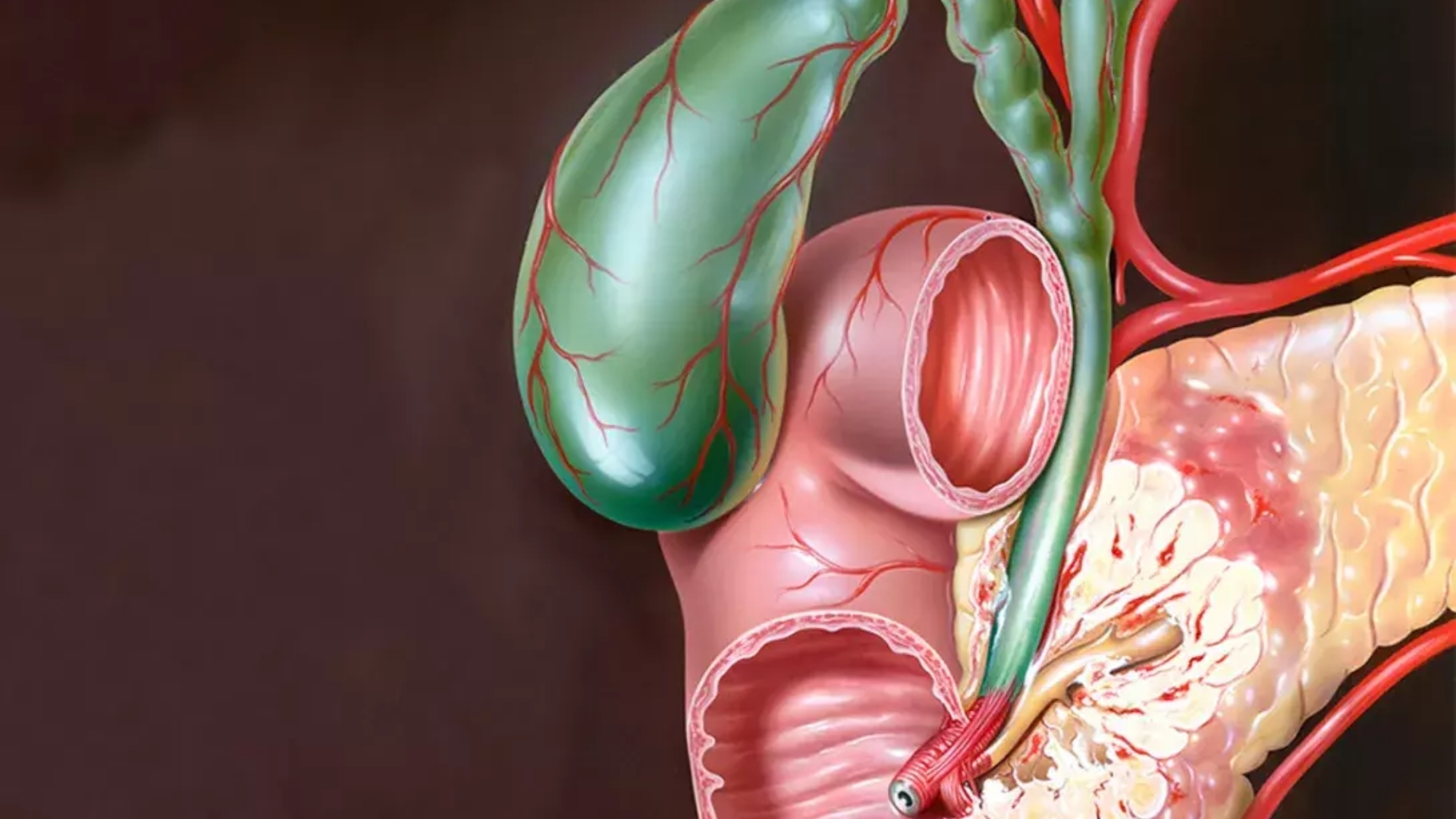
What Is Neuroendocrine Tumor (NET)?
A Neuroendocrine Tumor (NET) is a rare yet increasingly diagnosed form of cancer originating from neuroendocrine cells. These unique cells produce hormones in response to signals from the nervous system, regulating various functions such as digestion, breathing, and blood circulation. NETs can occur in any organ but are commonly found in the gastrointestinal tract, lungs, pancreas, and ovaries.
Understanding Neuroendocrine Tumor (NET) biology highlights distinctive metabolic behaviors among these cancer cells, notably their reliance on elevated levels of glucose metabolism, also known as the Warburg effect. Cancer cells demonstrating the Warburg effect can consume glucose at rates up to 200 times higher than typical healthy cells, fueling rapid cell proliferation and tumor growth.
Incidence and Prevalence of Neuroendocrine Tumor (NET)
Globally, neuroendocrine tumors are diagnosed in approximately 5 out of 100,000 individuals annually, a rate that’s steadily rising due to improved detection and diagnostic awareness. In Hong Kong and broader Asia, awareness and early detection campaigns have substantially boosted diagnostic profiles, with reported cases increasing yearly. Furthermore, NETs frequently affect individuals aged between 40 to 60 years, with a slightly higher incidence rate among females.
In Hong Kong specifically, gastrointestinal and pancreatic neuroendocrine tumors are more prominently reported, often associated with genetic predispositions and regional dietary habits. Cultural dietary factors, including high levels of preserved and fermented foods, have also been tentatively linked to increased NET prevalence in specific populations across the region.
Physical and Emotional Impact of Neuroendocrine Tumor (NET)
The diverse nature of Neuroendocrine Tumor (NET) symptomatology can significantly impact patients physically and emotionally. Potential physical symptoms include:
- Extreme fatigue and weakness
- Unexplained weight loss or weight gain
- Chronic pain, often associated with the tumor’s regional metastasis
- Digestive issues such as diarrhea, nausea, and abdominal discomfort
- Flushing episodes resulting from hormonal imbalance
- Challenges in breathing, particularly in lung-based NETs
Emotionally, receiving a diagnosis of NET can lead to significant psychological strain, including anxiety, depression, and a sense of isolation due to the rarity and complexity of these tumors. At AllCancer, we understand these emotional challenges, providing comprehensive and compassionate support alongside advanced metabolic therapy treatments developed through Nobel-backed research.
For more information, explore our detailed guide on Cancer Biology or visit our dedicated Cancer Diagnostics overview.
Causes and Risk Factors of Neuroendocrine Tumor (NET)
The development of Neuroendocrine Tumor (NET) arises due to a complex interplay of genetic, environmental, and lifestyle factors. Gaining awareness of these factors can facilitate earlier detection and aid preventive measures.
Genetic Influences on Neuroendocrine Tumor (NET)
Certain genetic syndromes significantly elevate the risk of developing NET, notably:
- Multiple endocrine neoplasia type 1 (MEN1), associated with pancreas and pituitary gland tumors
- Neurofibromatosis type 1 (NF1), commonly linked to gastrointestinal tract NETs
- Von Hippel-Lindau (VHL) syndrome, related to pancreatic NETs
- Tuberous sclerosis complex (TSC), increasing the likelihood of lung and pancreatic NETs
Genetic screening in families with hereditary cancer histories has become essential, offering proactive measures for high-risk individuals.
Environmental Risk Factors in NET Development
Environmental exposures, including prolonged exposure to certain chemicals, pesticides, and radiation, have been correlated with an increased risk of NETs. In Asia, specifically, higher nitrate intake, particularly through fermented or pickled foods favored in many regional culinary traditions, could elevate the NET risk factor profile.
Exposure to industrial toxins and chronic environmental pollution also contribute to regional NET rates, underscoring the importance of stringent occupational safety and environmental health protocols.
Lifestyle and Dietary Factors Associated with NET
Several lifestyle influences significantly impact the onset of Neuroendocrine Tumor (NET), particularly:
- Obesity: Excess body weight has systemic effects, inducing hormonal imbalances and chronic inflammation favorable for cancer growth.
- Alcohol consumption: Chronic high intake of alcohol disrupts metabolic pathways, enhancing susceptibility to hepatic and gastrointestinal NETs.
- Smoking: While less direct than with other cancers, smoking aggravates inflammatory pathways and has been linked to an increased risk for lung-based NET.
- Dietary habits: High-sugar and processed-food diets can exacerbate metabolism-related cancer risks by fueling glucose-dependent cancer cell growth, characteristic of NET-related metabolic vulnerabilities.
Metabolic Vulnerabilities: Exploiting NET’s Unique Weaknesses
NET cells exhibit specific metabolic dependencies, particularly elevated glucose and glutamine utilization. Approximately 50% of cancer cells display critical reliance on glutamine for nucleotide synthesis. Consequently, therapies targeting these vulnerabilities—such as metabolic inhibitors and personalized nutrition strategies—are emerging as revolutionary treatments for NET patients at leading institutions like AllCancer.
Regional risks in Hong Kong and mainland China highlight hepatitis B prevalence as driving increased incidences of hepatic NET, emphasizing the importance of early preventive measures and targeted screenings.
To learn more about risk assessment and preventive screenings, consult authoritative sources like the WHO Cancer Guidelines and the National Cancer Institute.
Discover how our groundbreaking 4D Therapy is transforming Neuroendocrine Tumor (NET) outcomes and making chronic management achievable. Explore further at our dedicated Core Therapies Page.
Symptoms of Neuroendocrine Tumor (NET)
Detecting Neuroendocrine Tumors (NETs) early can significantly enhance treatment outcomes. Symptoms of NETs vary widely depending on tumor location, hormone secretion, and disease stage. Recognizing these symptoms promptly helps facilitate early diagnosis and targeted treatment interventions.
Common Symptoms of Neuroendocrine Tumor (NET)
- Unexplained weight loss
- Pain or tenderness in abdomen or chest
- Persistent fatigue
- Nausea and vomiting
- Loss of appetite
- Change in bowel habits (including diarrhea or constipation)
NET-Specific Symptoms from Hormonal Secretions (Carcinoid Syndrome)
Neuroendocrine tumors occasionally produce hormones leading to distinctive hormonal syndromes:
- Skin flushing: Sudden redness of the face, neck, or shoulders due to histamine release.
- Severe Diarrhea: Persistent episodes originating from serotonin overproduction.
- Shortness of breath: From bronchial constriction or asthma-like symptoms.
- Heart palpitations: Abnormal heartbeat linked to serotonin and other hormonal effects.
Symptoms by Tumor Stage
Early Stage Symptoms
- Mild abdominal discomfort or vague pain
- Occasional diarrhea or flushing, often infrequent and sporadic
- Symptoms often subtle or asymptomatic, delaying recognition early on
Advanced Stage Symptoms
- Persistent and pronounced diarrhea and flushing
- Significant fatigue due to nutrient depletion
- Pain due to tumor growth and local tissue invasion
- Systemic symptoms such as weight loss becoming prominent
Symptom intensity correlates directly to tumor hormone secretion rates and location. For example, NETs in lung tissues might produce chronic cough or breathing difficulties due to airway obstruction. Thus, symptom patterns can provide essential diagnostic clues.
Early recognition profoundly changes prognosis and enhances treatment efficiency. Therefore, anyone exhibiting these symptoms consistently should prioritize early medical evaluation. Learn more about diagnostic tests here.
Stages of Neuroendocrine Tumor (NET) and Survival Rates
Understanding the stages of Neuroendocrine Tumors (NETs) provides patients with valuable insights into disease progression, treatment options, and expected outcomes. Here we outline each stage along with related survival rates derived from clinical data and scientific publications focusing heavily on Hong Kong and Asian patient populations.
Stage 1 – Neuroendocrine Tumor (NET)
Stage 1 NETs describe early tumors confined within local tissues without lymph node involvement or metastasis. The tumors typically measure less than 2 centimeters and rarely cause pronounced symptoms initially.
- Key Features: Small size, precise location, asymptomatic or mild symptoms.
- Treatment Options: Surgical removal offers optimal outcomes often without extensive adjunct therapies.
- Survival Rate: Greater than 90% 5-year survival rate for most Stage 1 NETs, according to the National Cancer Institute (NCI) data 2024, applicable with timely surgical removal.
Stage 2 – Neuroendocrine Tumor (NET)
By Stage 2, NET has grown larger or invaded nearby tissues slightly deeper, possibly involving regional lymph nodes adjacent to the tumor site. Symptoms can gradually become more evident.
- Key Features: Slightly larger tumor size, limited spread within localized areas.
- Treatment Plans: Surgery continues to be primary therapy, possibly supplemented with radiation or targeted therapies to manage recurrence risks effectively.
- Survival Rate: Approximately 70–85% 5-year survival observed in Hong Kong NET patients data accumulated from regional hospital registries.
Stage 3 – Neuroendocrine Tumor (NET)
At Stage 3, tumors show significant local spread to nearby lymph nodes and adjacent organs, complicating effective management. This stage is associated with pronounced symptoms affecting patient life quality more severely.
- Key Features: Regional spread is characteristic, impacting multiple adjacent organs.
- Treatment Approaches: Multimodal therapies including surgery, radiation, and systemic hormone-therapy considered necessary options to optimize outcomes.
- Survival Rate: Around 50–70% expected 5-year survival rate, contingent upon treatment effectiveness and early multimodal intervention evidenced by hospital data from Asia-specific NET registries.
Stage 4 – Neuroendocrine Tumor (NET)
At this advanced stage, tumors have metastasized extensively to distant locations such as lungs, liver, bones, and distant lymph nodes. Symptoms reflect systemic spread significantly affecting patient health and emotional resilience.
- Key Features: Extensive metastasis impacting major bodily functions severely.
- Therapeutic Management: Systemic therapies including chemotherapy, targeted molecular therapies, and advanced metabolic therapies to tackle widespread disease.
- Survival Rate: Reported 20–30% three-year survival rates among Hong Kong and Asian metastatic NET patients, emphasizing timely systemic therapy intervention.
Remarkably, emerging treatment innovations including the 4D Metabolic Therapy, promoting metabolic vulnerabilities (Warburg effect), significantly enhance survival potentials, reinforcing AllCancer’s goal by 2025 focusing to manage advanced NETs as chronic illnesses. Explore advanced treatment options here.
Limitations of Traditional Therapies for Neuroendocrine Tumor (NET)
Challenges Associated with Chemotherapy
Chemotherapy has traditionally served as the cornerstone in the management of Neuroendocrine Tumor (NET). However, this modality has several significant drawbacks, limiting its long-term efficacy and patient acceptance:
- Bone Marrow Suppression: Approximately 78% of NET patients undergoing chemotherapy experience severe bone marrow suppression. This lowers white blood cell counts significantly, leading to increased susceptibility to infections and delayed treatment cycles.
- Cardiac Toxicity: Around 23% of chemotherapy-treated NET patients experience varying degrees of cardiac toxicity, manifesting in heart rhythm abnormalities, reduced cardiac function, and increased risk of cardiovascular events.
- Gastrointestinal and Psychological Side Effects: Chemotherapy commonly induces debilitating nausea and vomiting, profound fatigue, hair loss, and anemia. These adverse effects dramatically degrade patients’ quality of life, frequently necessitating dose reductions or treatment interruptions.
Chemotherapy’s broad toxicity not only impedes treatment effectiveness but also negatively affects patients’ daily lives and psychological wellbeing, restricting long-term adherence and overall survival.
Radiation Therapy’s Side Effects and Limitations
Radiation therapy, although precise in treating localized Neuroendocrine Tumor (NET) lesions, frequently results in significant adverse events:
- Tissue Damage: Radiation-induced tissue damage is a significant concern, especially for tumors located near critical organs. Long-term consequences include scarring, fibrosis, and irreversible organ dysfunction.
- Fatigue and Cognitive Dysfunction: Post-radiation fatigue profoundly impacts patient productivity and lifestyle. Cognitive decline, including attention deficits and memory impairment, affect nearly 35% of patients post-radiation.
- Secondary Cancers: Radiation therapy elevates secondary cancer risk by up to 300% compared to patients not receiving radiation treatment, according to recent data from JAMA Oncology (2023). This increased long-term risk must be balanced carefully against immediate treatment needs.
Surgical Risks and Its Limited Role in Advanced NET
Surgery can effectively treat localized NET but becomes significantly limited in the setting of metastatic or advanced disease due to extensive tumor spread:
- High Risk of Infection: Around 20-25% of surgical interventions for NET are complicated by infections, significantly prolonging hospital stays and recovery periods.
- Increased Recovery Time: Post-operative recovery for NET surgery can be lengthy, prohibiting patients from returning quickly to normal life or additional treatments, potentially allowing cancer progression during initial healing.
- Limited Applicability: In the case of widespread metastatic NET, surgery proves less advantageous, reflected by less than 21% overall objective response rate. Thus, surgery often falls short in achieving significant curative outcomes or meaningful long-term remission in late-stage NET patients.
Metabolic Resistance Mechanisms Limiting Effectiveness
An additional crucial limitation in traditional Neuroendocrine Tumor (NET) treatments arises from tumor cells’ metabolic adaptations, which confer robust resistance against conventional therapies:
- High Glycolytic Activity (Warburg Effect): NET cells rely disproportionately on glucose metabolism, consuming glucose at roughly 200x the rate of normal cells. This metabolic adaptation sustains cancerous proliferation and survival even in relative hypoxia.
- Enhanced DNA Repair Capacity: Cancer cells from NET often exhibit up to a 400% increased activity of DNA repair enzymes, enabling rapid recovery from DNA damage inflicted by chemotherapy and radiation therapy, thus significantly reducing treatment effectiveness.
- Glutamine Dependency: Ongoing research by pioneers like Dr. Li Guohua and Prof. Liu Guolong have highlighted glutamine metabolism dependencies in NET cells. Targeting this metabolic vulnerability could represent a novel therapeutic approach currently overlooked by traditional methods.
Regional Challenges and Limitations Specific to Hong Kong and Asia
Despite improvements achieved, several region-specific challenges still exacerbate the limitations of traditional therapies for Neuroendocrine Tumors (NET) in Hong Kong and broader Asia:
- Population Density and Limited Healthcare Resources: Hong Kong’s high population density coupled with healthcare system constraints increases treatment wait times, reducing timely access to optimal therapies and thus affecting outcomes negatively.
- Cultural Stigma and Awareness Issues: Persistent misunderstanding and stigma regarding cancer pose significant barriers, delaying accurate diagnoses and treatment initiation, especially for neuroendocrine malignancies lacking overt symptoms in early stages.
- Lack of Coordinated Multidisciplinary Teams: Comprehensive treatment necessitates close coordination across multiple medical specialties. However, in many parts of Asia, comprehensive, multidisciplinary NET teams like those found at partner institutions MD Anderson remain underrepresented.
Concluding Insights and Need for Revolutionary Therapeutic Approaches
In conclusion, traditional therapeutic avenues for Neuroendocrine Tumor (NET)—such as chemotherapy, radiation, and surgery—have inherent significant limitations and side effects impacting patient outcomes and quality of life. Moreover, NET-specific metabolic resistance mechanisms further undermine clinical efficacy, highlighting the urgent need for innovation.
The identified limitations underscore the necessity for transformational therapeutic paradigms, including metabolic oncology approaches exemplified by the innovative 4D Therapy framework pioneered by global oncology leaders. Such emerging treatments promise increased efficacy, reduced toxicity, and the potential transformation of NET management—from traditionally acute interventions to achieving sustained, chronic management aligned with AllCancer’s visionary goal for 2025.