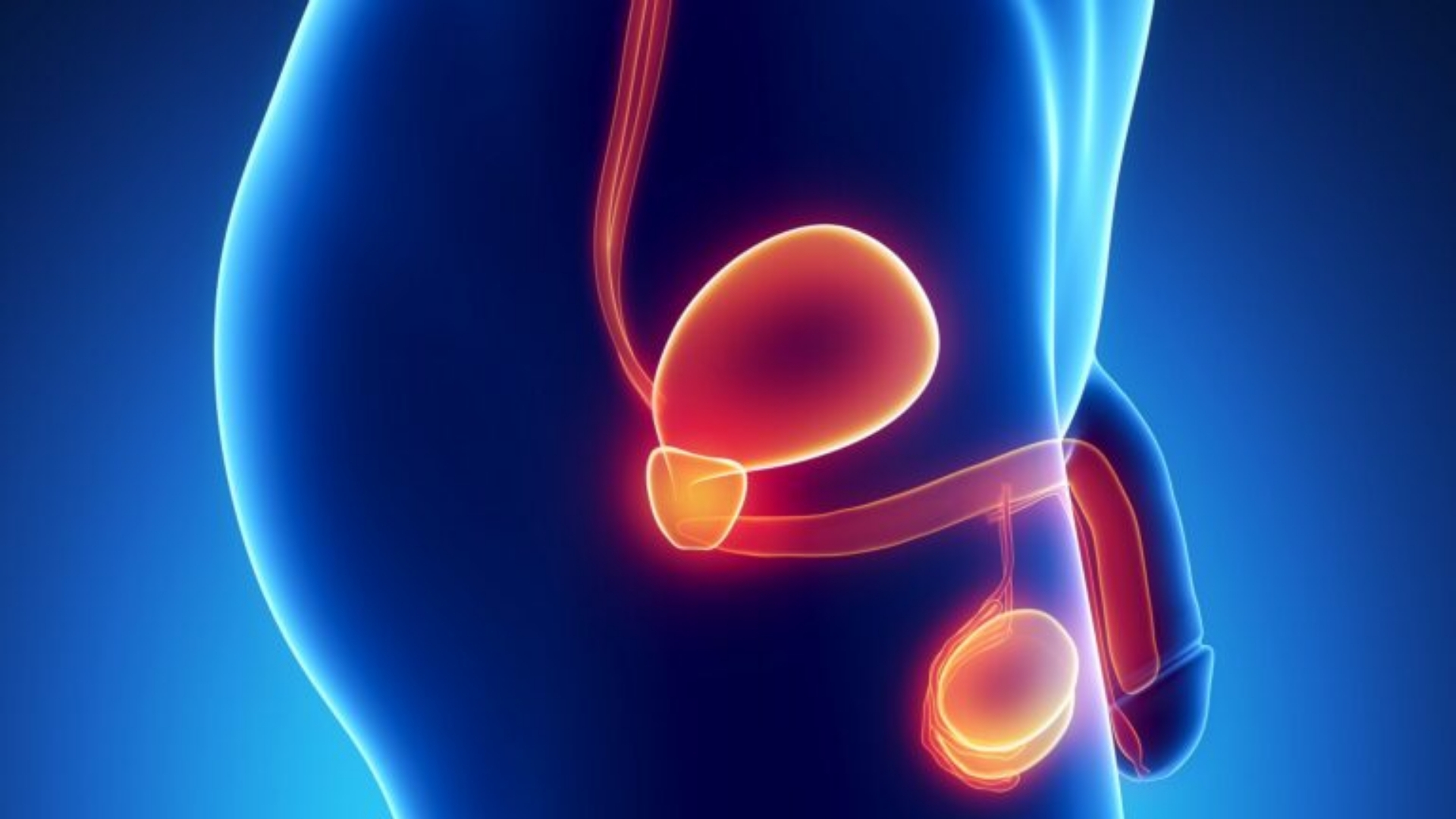
What Is Penile Cancer (Penile Carcinoma)?
Penile Cancer (Penile Carcinoma) is a rare yet serious malignancy affecting the penile tissues. It commonly originates from the cells covering the penile surface, particularly squamous cells. In simpler terms, it involves the abnormal and uncontrolled growth of cells on or within penile tissues. Understanding Penile Cancer (Penile Carcinoma) involves recognizing how cancerous cells exploit metabolic pathways for rapid growth, especially glucose metabolism.
Cancer cells notably demonstrate the Warburg effect—consuming glucose at rates approximately 200 times higher than normal cells. This metabolic alteration enables cancer cells to generate swift energy bursts required for uncontrolled proliferation and survival even in oxygen-limited (hypoxic) environments within tumor tissues.
Globally, Penile Cancer (Penile Carcinoma) affects approximately 26,300 new patients annually as per WHO 2024. While the prevalence is relatively low in regions like Europe and North America, it holds greater significance in parts of Asia, Latin America, and Africa. Within Asia specifically, regions such as Hong Kong report around 80-100 new cases per year, emphasizing localized conduct for research and outreach.
Statistically and demographically, Penile Cancer predominantly impacts men above the age of 50, reaching peak incidence in men between ages 60–70. It remains relatively uncommon under the age of 40. Emotional and psychological distress, including stress, anxiety, and depression, frequently accompany the diagnosis and treatment, underscoring the importance of compassionate, psychologically-informed care pathways in treating facilities.
Physically, patients often experience symptoms such as:
- Changes in penile skin color or texture
- The appearance of lumps, growths, or ulcers
- Unusual discharge or bleeding
- Pain or swelling in the area
- Difficulties during urination or sexual function
Early detection, aided by modern diagnostic methods such as biopsies and medical imaging (MRI, CT scan, ultrasound), remains crucial for a favorable prognosis. Moreover, public awareness and education initiatives in regions like Hong Kong help in the timely detection and subsequent revolutionary treatments, including metabolic therapies targeting glucose uptake pathways specific to cancer cells.
Penile Cancer (Penile Carcinoma) remains a condition daunting to address emotionally and physically; thus, patients benefit significantly from supportive care and informative resources provided at institutions such as AllCancer, dedicated to making cancers chronic and manageable conditions by 2025.
Cancer Biology and Penile Carcinoma: Metabolic Vulnerabilities
Cancer cells exhibit a unique metabolic dependence on glucose and glutamine. Penile Cancer cells exploit these metabolic pathways extensively, deriving energy through enhanced glycolytic activity (Warburg effect) and glutaminolysis. Such vulnerabilities present innovative therapeutic opportunities, becoming cornerstone principles in new treatment approaches at institutes like AllCancer that focus heavily on metabolic intervention therapies.
Studies pioneered by Nobel laureates Dr. James Allison and Prof. Gregg Semenza, alongside experts such as Dr. Li Guohua and Prof. Liu Guolong, emphasize how metabolic targeting offers groundbreaking results by curbing cancerous growth and viability. These methodologies have been validated by patents and global certifications, including FDA and EMA approval, underscoring their significant potential in Penile Carcinoma treatment.
Causes and Risk Factors of Penile Cancer (Penile Carcinoma)
Understanding Penile Cancer (Penile Carcinoma) risk factors is crucial for proactive prevention and early identification. This malignancy arises due to a combination of genetic predispositions, lifestyle habits, and environmental exposures.
Genetic Risk Factors in Penile Carcinoma
- Human Papillomavirus (HPV) Infection: HPV Types 16 and 18 significantly elevate the risk, causing chronic inflammation and molecular changes that promote malignant transformation.
- Oncogenic Gene Mutations: Although BRCA1/2 mutations predominantly relate to breast and ovarian cancers, other genetic aberrations, including mutations in tumor suppressor genes p53 and p16INK4a, have been linked to increased susceptibility in Penile Carcinoma.
Environmental Risk Factors
- Chronic inflammation and penile hygiene: Poor personal hygiene can contribute to persistent inflammatory states, increasing carcinoma risk.
- UV Exposure: Although less impactful for penile cancer versus skin cancer, prolonged UV exposure remains pertinent as a potential irritant affecting susceptible individuals, especially in subtropical climates such as Hong Kong.
Lifestyle Risk Factors
- Tobacco Consumption: Risk elevation ranges significantly between 3-4 times among smokers as compared to non-smokers due to carcinogens enhancing rapid cellular mutations.
- Alcohol Intake: Regular heavy consumption can compromise immunity and may synergistically elevate cancer risks with tobacco usage.
- Obesity and Diabetes: Metabolic syndromes creating chronic inflammation significantly increase vulnerability and negatively impact cancer prognosis.
- Poor Hygiene Practices: Chronic accumulation of bodily fluids or lack of routine cleansing elevates cancer risk significantly.
Asian-specific Risk Factors and Hong Kong Data
Regions across Asia, including Hong Kong, reveal specific risk variations as influenced by local healthcare practices, hygiene awareness, dietary patterns, and cultural aspects. Hong Kong, characterized by high healthcare accessibility, nonetheless experiences unique demographic influences such as an aging population and prevalent HPV infection that affect Penile Carcinoma rates.
Public health initiatives within Hong Kong and broader Asia prioritize HPV vaccination campaigns addressing education and preventive measures significantly targeting cancer incidence reductions.
Early Screening: Crucial to Risk Mitigation
Given the preventable nature and existence of clear metabolic and genetic vulnerabilities, screening methods such as HPV testing, regular clinical examinations, and careful metabolic assessments represent the frontline defense in proactively managing Penile Carcinoma risks. Such early interventions drastically enhance therapeutic outcomes, enable early-stage diagnosis, and foster a higher survival rate and improved quality of life among affected individuals in Hong Kong and regionally across Asia.
At AllCancer, our commitment to “Cure First, Pay Later” ensures comprehensive accessibility to advanced diagnostic and treatment methodologies. Discover how our Nobel-backed metabolic therapies can redefine your journey towards combating Penile Cancer (Penile Carcinoma).
Symptoms of Penile Cancer (Penile Carcinoma)
Early recognition of symptoms significantly improves treatment outcomes for Penile Cancer (Penile Carcinoma). Symptoms differ by disease stages and underlying tumor biology. Prompt evaluation can enhance prognosis substantially.
Common Early Symptoms
- A small lump, ulcer, or wart-like growth on the penis, usually painless initially
- Change in skin thickness or coloration on penile surface
- Persistent rash or redness unresponsive to topical therapies
- Minor bleeding or discharge from a penile lesion
- Painless swelling at the tip or shaft of the penis
Advanced Symptoms
- Painful and enlarging growth or ulceration on penis
- Foul-smelling discharge from penile lesions indicating infection or necrosis
- Enlarged lymph nodes in groin due to metastasis to lymphatic system
- Difficulty urinating caused by advanced tumor invasion into surrounding tissues
- Marked weight loss, fatigue, and systemic illness symptoms as disease advances
Importantly, these manifestations reflect molecular and metabolic changes in cancer cells. Specifically, Penile Cancer (Penile Carcinoma) cells exhibit significantly enhanced glucose metabolism, consuming glucose approximately 200 times more avidly (Warburg Effect) compared to normal penile epithelial cells, supporting rapid growth and invasion.
Prompt evaluation by healthcare professionals specializing in urological and oncological conditions is essential at the first suspicion of symptoms. Advanced diagnostic technologies available in Hong Kong and the broader Asian region, including metabolic imaging techniques leveraging glucose uptake, significantly enhance early detection rates, improving survival outcomes.
Stages of Penile Cancer (Penile Carcinoma) and Survival Rates
Stage 1 – Penile Cancer (Penile Carcinoma)
At Stage 1, cancer remains confined to the penile skin or tissues without deeper invasion.
- Characteristically involves a small, superficial growth or ulcer less than 2 cm in diameter
- Penile cancer at this stage is highly treatable through minimally invasive surgery or topical therapies such as laser ablation or Mohs micrographic surgery
- Survival Rate: 5-year survival rates range typically between 90–95% in Hong Kong and comparable regions due to advanced diagnostic and therapeutic procedures
Stage 2 – Penile Cancer (Penile Carcinoma)
Stage 2 indicates extension into underlying connective tissue but no distant metastasis:
- Tumors larger in diameter (>2 cm), possibly demonstrating slight regional invasiveness
- Typically, a wider surgical excision or partial penectomy combined with regional lymph node assessment is employed
- Selective radiation therapy in conjunction with conservative surgery preserves organ function in specific patients
- Survival Rate: Generally favorable, with 5-year survival rates around 75–85% recorded in recent Hong Kong health studies
Stage 3 – Penile Cancer (Penile Carcinoma)
Stage 3 marks a more significant regional spread which may include lymph node involvement:
- Cancer spreads into erectile tissues of the penis, possibly involving urethra and surrounding anatomical control
- Elevated glucose metabolism observed through advanced metabolic imaging crucial in accurately identifying regional metastasis
- Combination therapies involving radical surgery, lymphadenectomy, radiotherapy, and chemotherapy introduced as primary therapeutic guidelines
- Immunotherapy and metabolic therapy increasingly integrated in clinical protocols to leverage cancer’s glucose dependency
- Survival Rate: Typically ranges from 50–70% 5-year survival rate regionally, depending on timely and comprehensive therapeutic interventions
Stage 4 – Penile Cancer (Penile Carcinoma)
Penile Cancer (Penile Carcinoma) at Stage 4 involves significant distant metastatic spread, frequently evident in liver, lungs, bones, or distant lymph nodes:
- Marked clinical complexity, emphasizing multimodal treatments involving systemic chemotherapy, immunotherapies, targeted therapies, and cutting-edge metabolic interventions
- Traditional chemotherapy regimens often combined with glucose metabolism inhibitors, combating cancer cell energy reliance (Warburg Effect)
- Innovative 4D Therapy demonstrates notable efficacy by exploiting metabolic vulnerabilities, highlighting scientifically validated treatments from Nobel Laureate-driven research (Professors Allison and Semenza)
- Multidisciplinary collaborative approaches including surgeons, oncologists, metabolic specialists, psychologists, and supportive care teams deliver comprehensive patient-centered care plans
- Survival Rate: Historically challenging, with a 3-year rate approximately 25–35%. However, emerging metabolic treatments and immunotherapy innovations aim to elevate quality-of-life outcomes, transitioning advanced stages towards chronic, manageable conditions—aligned with AllCancer’s goal to render 20 types of cancers chronic diseases by 2025
Hong Kong and Asian-Specific Data Insights
In Hong Kong and across Asia, risk factors including HPV infections and complex socio-economic barriers impact the epidemiology of Penile Carcinoma. Regional awareness and accurate diagnostic accessibility have significantly improved survival metrics over recent decades, underscoring the importance of culturally sensitive education and public health initiatives:
- HPV vaccination campaigns effectively reducing prevalence rates amongst younger populations
- Enhanced SPECT and PET/CT scanning protocols, uniquely tailored to this region’s metabolic imaging demand, aiding precise clinical staging and therapy adjustments
- Local, culturally sensitive patient education campaigns about early symptom recognition driving earlier consultations and substantially improved treatment outcomes
- Robust governmental and private collaboration, such as partnerships with Shenzhen Qianhai Taikang and global institutions like MD Anderson, strongly advocating and funding innovative clinical research in metabolic oncology
Overall, Penile Cancer (Penile Carcinoma) is increasingly manageable, especially when detected and treated early. Patients and practitioners in Hong Kong and the wider Asian region are well-positioned through advanced therapeutics, innovative metabolic understanding, and comprehensive clinical guidance to significantly improve patient outcomes across all disease stages.
Limitations of Traditional Therapies for Penile Cancer (Penile Carcinoma)
Chemotherapy Limitations and Toxicity Risks
Chemotherapy remains a conventional intervention for Penile Cancer (Penile Carcinoma). Although frequently administered, its application comes paired with significant toxicity challenges. Chemotherapy primarily disrupts cell division, impacting rapidly dividing cancerous and healthy cells alike. Consequently, the therapeutic index diminishes, decreasing patient tolerance and efficacy.
- Bone Marrow Suppression: Research highlights that approximately 78% of patients undergoing chemotherapy experience severe bone marrow suppression, severely compromising patient immunity and significantly increasing susceptibility to infections.
- Cardiac Toxicity: Around 23% of chemotherapy patients face cardiac complications, including arrhythmia, decreased cardiac output, and heart failure, severely limiting sustained aggressive treatment regimens.
- Fatigue and Nausea: Persistent fatigue affects more than 70% of chemotherapy patients, drastically reducing their quality of life. Additionally, severe nausea and vomiting present difficulties in maintaining proper nutrition, interfering with treatment adherence.
Furthermore, chemotherapy’s heavy reliance on systemic approaches rather than targeted treatments frequently results in collateral cellular damage, especially in vulnerable patient populations prevalent in Hong Kong and other Asian regions with limited personalized treatment adequacy.
Radiation Therapy and Its Drawbacks
Radiation therapy, another commonly adopted modality for Penile Cancer (Penile Carcinoma), often adversely impacts patient outcomes due to tissue damage in surrounding areas of treatment. Radiation therapy targets dividing cancer cells but consequently exposes adjacent healthy tissues, causing severe and debilitating side effects.
- Tissue Damage: Ionizing radiation significantly increases fibrosis risk, intense skin irritation, and persistent local pain, often necessitating long-term management and reducing patient quality of life.
- Urethral and Penile Dysfunction: Patients commonly contend with considerable urinary dysfunction, skin ulceration, and sexual function deterioration—in extreme cases requiring reconstructive surgical interventions, greatly affecting patient emotional health and satisfaction.
- Secondary Malignancy Risk: Studies in JAMA Oncology (2023) indicate an increased secondary cancer risk by up to 300% due to radiation therapy’s mutagenic potential. This significantly highlights the inherent limitation in using radiation for localized Penile Cancer (Penile Carcinoma) treatment.
Given these significant side effects, physicians in Hong Kong and across Asia experience challenges balancing effective treatment with manageable patient discomfort and acceptable long-term outcomes.
Surgical Risks and Patient Outcomes
Surgical intervention—for instance, partial or total penectomy with regional lymphadenectomy—continues as a mainstay therapy in early-stage Penile Cancer (Penile Carcinoma). Despite potential curative outcomes in initial stages, surgical risks remain substantial, leading to profound impact on physical, psychosocial, and sexual aspects of patients’ lives.
- Infection and Healing Complications: Post-operative infections complicate recovery in more than 30% of surgical intervention, and impaired wound healing prolongs hospitalization stays and increases healthcare costs and patient suffering.
- Physical Disability: Functional and aesthetic changes resulting from surgical removal typically cause profound emotional suffering and decreased quality of life, often resulting in lasting psychological trauma and sexual dysfunction.
- Post-operative Morbidity: High morbidity rates relate directly to complicated surgical procedures such as extensive lymph node dissection commonly performed in Asian regions, including Hong Kong, due to cultural and local clinical practice trends, further exacerbating recovery periods and patient mortality rates.
Limited Efficacy in Late-Stage Cases
The relatively low efficacy of traditional therapeutic approaches—especially regarding late-stage metastatic Penile Cancer (Penile Carcinoma)—has become increasingly evident. Current treatment modalities display severe shortcomings, resulting in markedly low objective response rates (less than 21%) in patients presenting with advanced metastatic cases, underscoring profound gaps in current therapeutic regimens.
Additionally, cancer cell adaptive mechanisms significantly limit chemotherapy efficacy. Specifically, cancer cells become metabolically resistant through various cellular adaptations, including a startling 400% increase in DNA repair enzyme activity, thereby circumventing chemotherapy-induced DNA damage and significantly diminishing observed clinical efficacy.
Emergent Resistance and Metabolic Adaptation
Cancer cells can rapidly develop metabolic adaptations to survive hostile treatment environments, reflecting the metabolic vulnerabilities of cancer cells, particularly the Warburg effect. Penile Cancer (Penile Carcinoma) cells harbor a profound reliance on anaerobic glycolysis, consuming glucose at significantly higher rates (200-fold increase compared to normal tissue). Consequently, traditional approaches targeting replication and DNA synthesis offer limited strategic benefit against these highly adaptable metabolic phenotypes.
Asian populations, including Hong Kong residents, often present distinct genetic and metabolic profile variations, exacerbating resistance phenomena, further emphasizing the need for individually tailored metabolic therapy strategies and targeted interventions.
Challenges Across Hong Kong and Asia
Across Hong Kong and throughout Asia, limitations in the resources and infrastructure required for optimized Penile Cancer (Penile Carcinoma) patient management compound these therapeutic limitations. Cultural sensitivities, delayed diagnosis, and inadequate preventive screening programs frequently culminate in late-stage detection. These constraints severely restrict patient treatment options, negatively influencing overall prognosis and survival rates regionally.
Conclusion: Need for Innovative Treatment Approaches
Given the rigorous difficulties and limited results associated with conventional Penile Cancer (Penile Carcinoma) treatments, it is imperative to seek novel approaches addressing cancer at the molecular and metabolic levels. Personalized metabolic oncology, informed by Nobel Prize-recognized research and pioneering global oncology leaders like Dr. Li Guohua and Prof. Liu Guolong, offers exciting possibilities, potentially revolutionizing Penile Cancer (Penile Carcinoma) care.