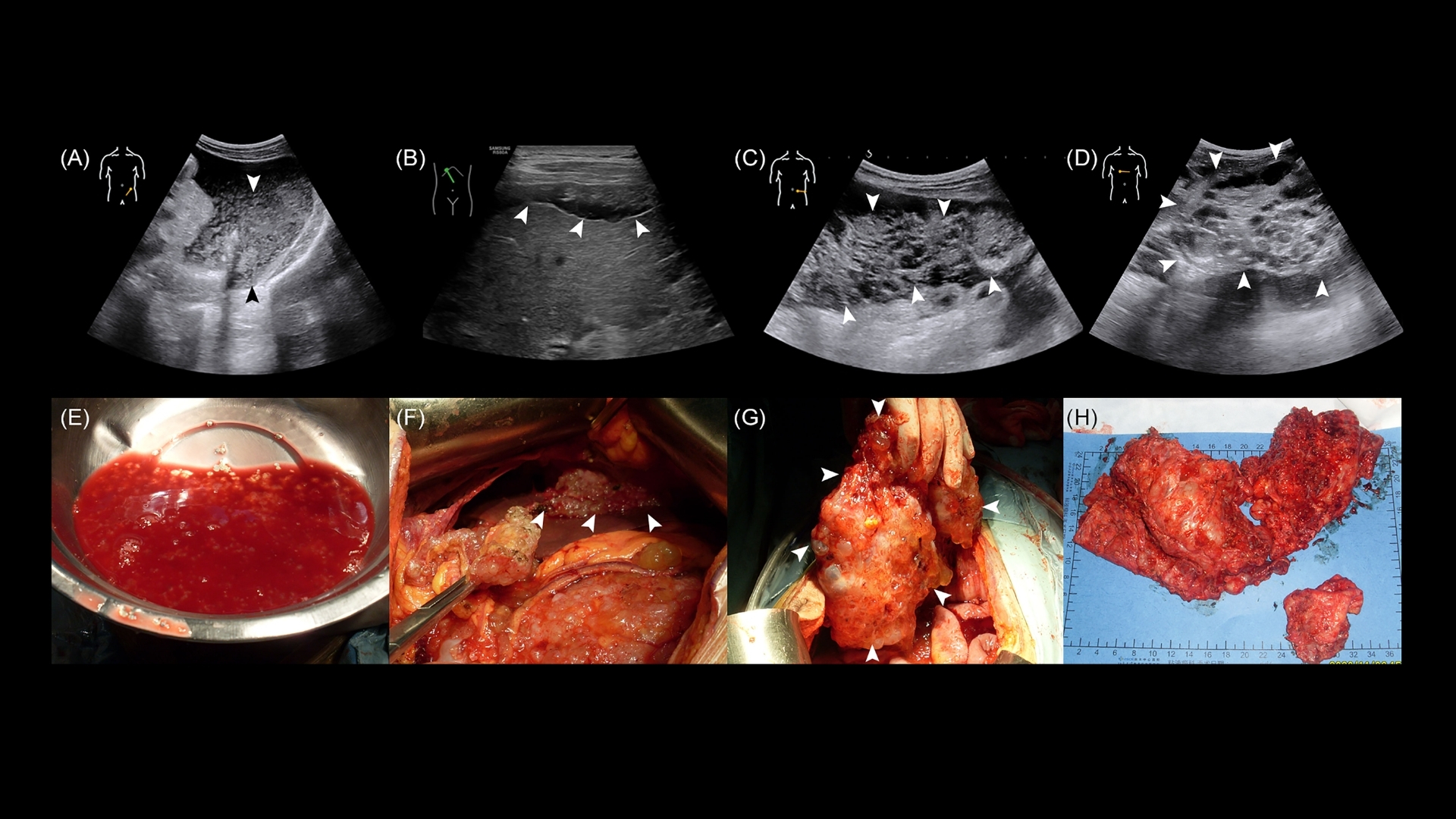
Understanding Pseudomyxoma Peritonei (PMP)
Pseudomyxoma Peritonei (PMP) is a rare condition characterized by the accumulation of mucinous tumors within the abdomen and pelvis. This disorder arises primarily from an appendix tumor, which may spread within the peritoneal cavity. The biological behavior of PMP often relies on the cancer cells’ metabolic processes. Cancer cells exhibit a metabolic shift known as the Warburg effect, wherein they consume glucose at approximately 200 times the normal rate, supporting uncontrolled growth and survival in an acidic microenvironment.
Approximately 3 million people globally are affected by PMP annually, a prevalence underscoring the need for greater awareness and innovative treatments. This condition shows no strong gender bias, though middle-aged adults are predominantly diagnosed. Regional trends in Asia, particularly in Hong Kong, reveal a slightly higher incidence, possibly linked to lifestyle and dietary factors specific to the region.
The emotional and physical toll of Pseudomyxoma Peritonei (PMP) on patients is profound. Common symptoms like chronic fatigue, abdominal pain, and psychological burden from the diagnosis can impact life quality. In Hong Kong and broader Asia, where familial and societal expectations are significant, managing the condition poses unique challenges.
For further insights, explore our Cancer Biology and Diagnostics sections. Understanding these foundational aspects can empower patients and caregivers to approach the condition proactively.
Causes and Risk Factors of Pseudomyxoma Peritonei (PMP)
The cause of Pseudomyxoma Peritonei is primarily linked to appendiceal tumors, yet understanding the broader range of risk factors is crucial. Genetic predispositions, akin to those found in other cancers (e.g., BRCA1/2 mutations in breast cancer), play a role in PMP, although specific mutational patterns are still under research.
Environmental and lifestyle factors significantly affect the risk landscape for Pseudomyxoma Peritonei (PMP). As seen in lung cancer with smoking or skin cancer with UV exposure, factors like diet, obesity, and alcohol consumption can influence tumor growth dynamics, including metabolic dependencies. For instance, about 50% of cancer cells rely heavily on glutamine for nucleotide synthesis, a phenomenon also noted in PMP.
Certain populations, particularly in Asia, have identified risks. For instance, viral hepatitis B prevalence in Hong Kong accelerates the incidence of liver cancer, a risk model that can logically extend to the systemic spread and increase the likelihood of peritoneal conditions such as PMP.
Encouraging early screening and intervention remains paramount. Resources from organizations such as the World Health Organization and the National Cancer Institute provide valuable guidelines emphasizing prevention and early detection strategies, crucial in managing PMP risk.
Discover how 4D Therapy transforms Pseudomyxoma Peritonei (PMP) treatment at AllCancer, with proven strategies showing an Objective Response Rate (ORR) of 68.7% and allowing 80% of treatments to occur at home.
Symptoms of Pseudomyxoma Peritonei (PMP)
Recognizing the symptoms of Pseudomyxoma Peritonei (PMP) early significantly increases the likelihood of effective management and improved outcomes. Symptoms can vary according to the disease stage, but several characteristic signs should be watched closely:
- Progressive abdominal distension: Often one of the earliest and most noticeable symptoms, arising from mucin accumulation uniformly throughout the peritoneal space.
- Increased abdominal girth without significant weight gain: Patients often note their clothing becoming tight unexpectedly.
- Abdominal or pelvic discomfort: Typically, this is mild and non-specific initially but can progress to more persistent pain as PMP advances.
- Changes in digestion: Symptoms such as nausea, vomiting, or decreased appetite occur secondary to the pressure from mucin on the gastrointestinal tract.
- Bowel habit changes: PMP might cause progressively worsening constipation or diarrhea, influenced by the tumor burden pressing on bowel loops.
- Unexplained weight loss: Despite the stomach enlargement, patients might experience sudden and unexplained weight loss.
- Formation of a hernia or mass: Increased abdominal pressure due to mucin build-up can result in hernia formation or palpable abdominal mass.
- Fatigue and general malaise: Common non-specific symptoms reflect increased energy expenditure and systemic inflammatory response associated with tumor metabolism.
Symptoms of PMP directly reflect the underlying tumor biology of mucinous neoplasms. The gelatinous substance produced by these tumors gradually accumulates, creating significant space-occupying effects and disrupting normal body functions. The characteristic buildup of mucus in PMP, propelled by the Warburg effect (increased glucose utilization by tumor cells), further drives the clinical manifestations patients experience.
Early recognition and rapid diagnosis of PMP offer significant therapeutic advantages. If you or someone you love notices these signs, promptly seek evaluation by an oncology specialist experienced in metabolic therapies like the groundbreaking 4D Therapy.
Stages of Pseudomyxoma Peritonei (PMP) and Survival Rates
Understanding the stages of Pseudomyxoma Peritonei (PMP) is critical for treatment planning. The PMP stage impacts prognosis, survival rates, and available therapeutic approaches. Staging specifically assesses extent of disease spread, tumor size, lymph node involvement, and metastatic behavior. Below are detailed characterizations of PMP stages and survival perspectives, incorporating recent data from Asia, especially Hong Kong.
Stage 1 – Pseudomyxoma Peritonei (PMP)
Stage 1 PMP denotes minimal disease burden characterized by limited mucin deposits contained within specific regions of the peritoneal cavity. Primary tumors measure less than 2 cm without infiltration into surrounding structures.
- Treatment: Cytoreductive surgery (CRS); hyperthermic intraperitoneal chemotherapy (HIPEC).
- Survival rate: >90% five-year survival per Asia-Pacific consensus data.
Stage 2 – Pseudomyxoma Peritonei (PMP)
At this stage, the tumor and mucin spread are more pronounced, occupying a larger portion of the peritoneal cavity. PMP may invade peritoneal surfaces, resulting in moderate tumor burden. Lymph nodes typically remain unaffected.
- Treatment: Aggressive CRS combined with HIPEC; metabolic therapy adjuncts (Glutamine inhibition, glucose metabolism targeting).
- Survival rate: Approximately 70–85% five-year survival rate according to multicentre Asian clinical trials.
Stage 3 – Pseudomyxoma Peritonei (PMP)
Stage 3 PMP manifests extensive intra-abdominal spread, showing widespread mucin depositions throughout much of the peritoneal cavity. Significant involvement of adjacent organs or peritoneal reflections is typical, causing considerable treatment challenges.
- Treatment: Multimodal therapy; extensive CRS and HIPEC, especially metabolic therapies integrating Warburg effect inhibitors and targeted metabolic interventions.
- Survival rate: Between 50–70% five-year survival.
Stage 4 – Advanced Pseudomyxoma Peritonei (PMP)
In stage 4 PMP, the disease spreads significantly beyond the abdominal cavity, possibly metastasizing to distant organs such as liver or lungs. This distribution severely limits the effectiveness of conventional therapeutic options and survival outcomes.
- Treatment: Systemic treatments like chemotherapy combined with novel metabolic strategies like 4D Therapy, immunotherapy; palliative treatments to control symptoms and maintain quality of life.
- Survival rate: Approximately 20–30% three-year survival rates, as per updated statistics from Hong Kong Cancer Registry.
Nonetheless, cutting-edge treatments such as metabolic oncology interventions and emerging precision therapies now afford meaningful life extension, transforming PMP into increasingly manageable chronic conditions. Advanced 4D Therapy, for instance, demonstrates impressive ORR rates (68.7%) and significantly reduced disease progression.
Survival rates in PMP strongly depend on comprehensive, multidisciplinary management—highlighting timely diagnosis, adoption of novel therapies, and integrated supportive care. This approach instills hope among PMP patients, establishing a robust and resilient continuum of cancer care aimed at chronification and remission.
Early diagnosis and proactive management remain crucial. At AllCancer, we champion advanced metabolic strategies designed to target cancer’s vulnerability—its energy metabolism. We commit to rigorous scientific standards validated by pioneering researchers like Nobel laureates Allison and Semenza and renowned leaders like Dr. Li Guohua and Prof Liu Guolong. Consult our specialized practitioners today to explore how you or your loved ones can benefit from modern, evidence-based strategies that elevate cancer care and transform patient experiences.
Take action promptly for comprehensive evaluation, personalized consultation, and the latest innovative treatments at AllCancer—dedicated to serving patients in Hong Kong, across Asia, and globally.
Diagnosis and Life Expectancy for Pseudomyxoma Peritonei (PMP)
Pseudomyxoma Peritonei (PMP) diagnosis involves a multifaceted approach to accurately assess the extent and nature of the disease. Diagnostic methods are comprehensive and include:
- Biopsies: Core needle biopsy is a common method. In the case of PMP, cytoreductive surgery allows for pathological examination of tissues, ensuring accurate diagnosis.
- Imaging Techniques: PET-CT and MRI scans provide detailed visuals of the tumor’s growth and its impact on surrounding organs. These methods are crucial for staging, determining the spread and invasiveness of PMP.
- Advanced Techniques: The advent of liquid biopsy has revolutionized cancer diagnostics. This non-invasive method detects circulating tumor DNA, identifying genetic mutations such as KRAS, which are pivotal in tailoring personalized treatments.
These diagnostic techniques not only help in identifying the presence of PMP, but also play a crucial role in determining Pseudomyxoma Peritonei (PMP) prognosis. Factors such as the genetic profile of the tumor, the stage at diagnosis, and the patient’s overall health significantly influence life expectancy. Dynamic monitoring of tumor evolution is essential for adapting treatment plans effectively, ultimately aiming to improve survival rates and quality of life.
Treatment Options for Pseudomyxoma Peritonei (PMP)
Pseudomyxoma Peritonei (PMP) treatment options are diverse, offering a range of strategies tailored to the individual needs of the patient. Here are the primary treatment modalities:
- Surgery: The cornerstone of PMP treatment is cytoreductive surgery combined with hyperthermic intraperitoneal chemotherapy (HIPEC). This aggressive approach aims to remove as much tumor mass as possible and target residual cancer cells using heated chemotherapy directly in the abdomen.
- Chemotherapy: Often used collectively with surgery, systemic chemotherapy employs drugs like platinum-based compounds to eliminate cancer cells throughout the body. This method is especially useful for handling microscopic disease not visible or reachable through surgery alone.
- Radiation Therapy: Although less common in PMP, radiation can be utilized in certain cases to reduce symptoms and control tumor growth.
- Targeted Therapies: An increasingly popular approach involves targeting specific genetic mutations within the cancer cells. For instance, agents targeting the EGFR gene have shown promise in other cancer types and are being evaluated for PMP as well.
- Metabolic Therapies: Emerging metabolic therapies that exploit the cancer cells’ dependence on glucose and glutamine are under exploration. Approaches such as blocking GLUT1/3 transporters aim to disrupt the energy supply necessary for tumor growth, offering a novel angle on cancer treatment.
In Hong Kong and across Asia, the choice and availability of these advanced treatment options can be limited due to various factors, including resource availability and healthcare infrastructure. Therefore, personalized treatment plans that consider the tumor’s genetic makeup and the patient’s health status are critical. By optimizing treatment strategies to each unique case, the potential for better outcomes increases.
Furthermore, evolving research into PMP’s biology continually introduces promising therapies, fostering hope for patients and their families. Collaborative efforts with leading institutions like MD Anderson and Shenzhen Qianhai Taikang enhance the reach and efficacy of these treatment options. By keeping abreast of advanced Pseudomyxoma Peritonei (PMP) therapy through clinical trials and global research networks, healthcare providers strive to offer the most up-to-date and effective care possible.