What Is Retinoblastoma (Retinal Cancer)?
Retinoblastoma (Retinal Cancer) is a rare yet serious malignancy affecting retinal cells in the eye, primarily occurring in young children under the age of five. Originating from immature retinoblasts, this eye cancer arises due to genetic mutations affecting cell division and growth. Unique amongst many cancers, Retinoblastoma (Retinal Cancer) significantly connects to genetic susceptibility, particularly mutations in the RB1 tumor suppressor gene.
Characteristically, Retinoblastoma cells demonstrate high metabolic activity consistent with the Warburg effect, wherein cancer cells consume glucose at rates up to 200 times greater than their normal counterparts. This metabolic hallmark significantly impacts both disease progression and potential therapeutic interventions.
Exploring the Biology: Understanding Retinoblastoma (Retinal Cancer)
Understanding Retinoblastoma (Retinal Cancer) biology begins at the cellular level. Specifically, the loss or mutation of the RB1 gene disrupts normal cellular regulation mechanisms, leading to uncontrolled cell proliferation. As evidenced in rigorous research published in Nature Medicine, the RB1 gene plays a pivotal role by controlling the checkpoints within the cell division cycle.
- RB1 gene defect inhibits regulation of cell cycle checkpoints.
- Increased glycolysis enables aggressive tumor growth, driven by Warburg effect principles.
- Altered cellular metabolism makes Retinoblastoma cells uniquely vulnerable to targeted metabolic therapies.
Prevalence and Affected Populations
Worldwide, approximately 8,000 new cases of Retinoblastoma (Retinal Cancer) are diagnosed annually according to the WHO (2024). In particular, Asian regions such as Hong Kong report notable incidence rates, highlighting the importance of region-focused research and clinical strategies.
- Retinoblastoma predominantly affects infants and young children, most diagnoses occurring before age five.
- Both eyes are affected in roughly 40% of cases, especially when hereditary genetic mutations are involved.
- In regions like Hong Kong, Retinoblastoma strongly associates with specific inherited gene mutations, strengthening the need for specialized genetic screening programs.
Physical and Emotional Impacts in Hong Kong and Asia
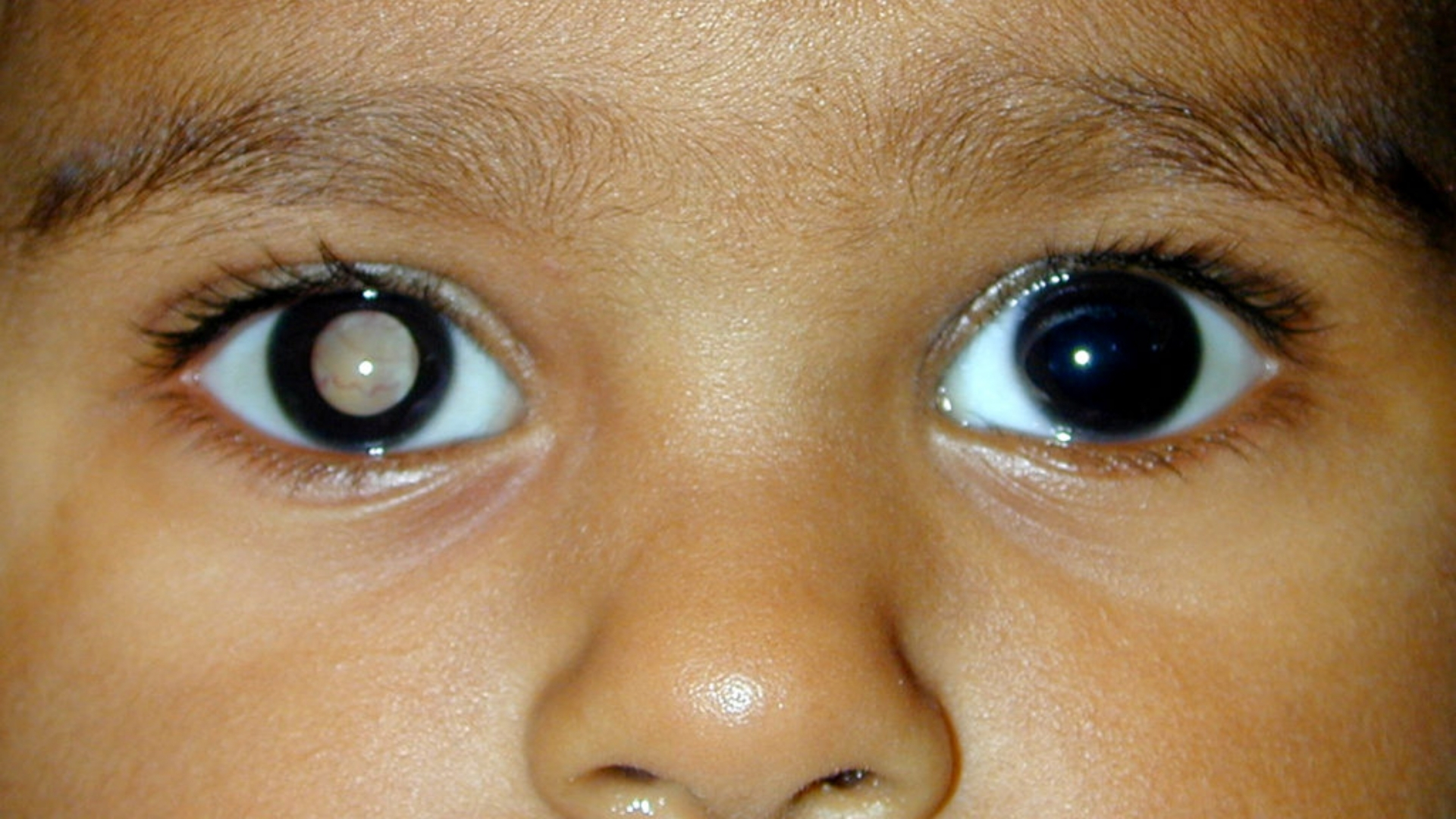
The impact of Retinoblastoma (Retinal Cancer) stretches beyond the immediate physical symptoms. Children and families confronting this diagnosis frequently experience profound emotional and psychological stress. Early signs such as vision impairment, leukocoria (white reflex in the eye), strabismus, and prolonged redness or swelling prompt diagnostic investigations. These visible signs heavily affect both the patients’ daily lives and their families, leading to considerable psychological burden.
- Early diagnosis enhances outcomes significantly—emphasizing the need for awareness and prompt medical consultation.
- Supportive psychological care and counseling remain crucial, addressing stress, anxiety, and family disruption in these cases.
- Asian societies, including Hong Kong, increasingly recognize the importance of comprehensive patient-centered treatment plans addressing both physical and emotional components of diagnosis.
Causes and Risk Factors of Retinoblastoma (Retinal Cancer)
Determining the precise causes of Retinoblastoma (Retinal Cancer) underpins clinical prevention and therapeutic innovation. Multiple factors, including genetic predisposition, environmental influence, and lifestyle, interplay significantly when understanding risk profiles.
Genetic Risk Factors Associated with Retinoblastoma (Retinal Cancer)
Genetics heavily influence Retinoblastoma (Retinal Cancer) susceptibility. Approximately 40% of Retinoblastoma cases have a heritable genetic basis, primarily via mutations of the RB1 gene located on chromosome 13q14. Heritable mutations can lead to bilateral disease, increasing lifetime cancer risks.
- Familial inheritance: Children with RB1 mutation have increased risks (≈90%) of developing Retinoblastoma before age seven.
- Individuals carrying RB1 mutations also demonstrate heightened risks for secondary malignancies, necessitating lifelong surveillance.
- Genetic testing and counseling programs, significantly available and advanced in Hong Kong, offer crucial preventative and management strategies.
Environmental and Lifestyle Factors
Although genetic factors predominantly cause Retinoblastoma (Retinal Cancer), specific environmental and smaller lifestyle-related influences exist. Evidence suggests potential indirect roles of certain prenatal exposures or environmental carcinogens in disease activation for genetically predisposed individuals.
- Potential associations being investigated include parental exposure to radiation, chemicals, or harmful occupational environments pre-conception or during pregnancy.
- Limited studies suggest diet, nutritional status, or maternal health conditions during pregnancy may influence RB1 gene mutation expressions earlier or exacerbate vulnerabilities.
- Active research in regions including Asia aims to identify precise environmental triggers, which may guide effective preventive tactics.
Metabolic Vulnerabilities: Leveraging the Warburg Effect
As hallmark metabolic vulnerabilities offer therapeutic avenue exploitation, Retinoblastoma cells extensively depend on glycolytic metabolism (Warburg effect). This reliance enriches opportunities for pioneering metabolic therapies pioneered by global oncologists like Dr. Li Guohua and Prof. Liu Guolong, with impactful discoveries captured in top-tier journals such as Nature Medicine.
- The glycolytic dependence of Retinoblastoma cells (200x normal cells) provides a promising therapeutic target (metabolic oncology).
- Current targeted metabolic therapies developed in collaboration between Shenzhen Qianhai Taikang and MD Anderson exemplify prospective innovative treatment paradigms increasingly relevant to Hong Kong/Asia.
- Introducing metabolic modulation therapies potentially signifies breakthroughs in personalized cancer treatments, aligning with AllCancer’s visionary 2025 initiative towards chronic management.
Discover how 4D Therapy transforms Retinoblastoma (Retinal Cancer) treatment—contact AllCancer to schedule your personalized consultation and understand the future of cancer management.
Symptoms of Retinoblastoma (Retinal Cancer)
Recognizing symptoms early can be life-saving. Retinoblastoma (Retinal Cancer) primarily affects children and can present various clinical signs linked to tumor biology, such as abnormal growth of retinal cells. Here are the key symptoms:
- Leukocoria (White Pupillary Reflex): Often noticed in photographs as a white reflection in the pupil instead of the usual red reflex, resulting from tumor cell accumulation reflecting anomalous light.
- Strabismus: Misalignment of eyes due to retinal impairment affecting a child’s ability to focus properly.
- Vision Problems: Difficulty or reduced vision in one or both eyes arises from tumor interference with retinal functions.
- Redness and Swelling: Eye irritation, redness, and swelling occur as cancer cells proliferate, causing inflammatory reactions.
- Pain in Affected Eye: Advanced-stage symptoms include persistent, severe pain due to increased intraocular pressure when the tumor expands.
- Enlarged Eyeballs (Buphthalmos): Seen particularly in advanced retinoblastoma, resulting from increased pressure inside the eyeball prompting eye enlargement.
- Poorly Responsive or Delayed Pupil Reaction: Tumor growth disrupts normal retinal light processing, impairing pupil reactivity to environmental changes.
- Bleeding in Front of the Eye (Hyphema): Blood pooling in the anterior chamber due to fragile, abnormal tumor blood vessels breaking easily.
Symptoms vary by stage; early symptoms such as leukocoria and strabismus often facilitate earlier diagnosis, whereas advanced cases manifest severe pain, blindness, and potentially life-threatening complications.
Early evaluation by ophthalmologists specializing in pediatric oncology significantly improves prognosis, underscoring the essential role of annual retinal checks for high-risk groups or family histories of retinoblastoma.
Stages of Retinoblastoma (Retinal Cancer) and Survival Rates (Hong Kong & Asia Specific)
Stage 1: Localized Retinoblastoma
Stage 1 retinoblastoma involves a localized cancer confined within the retina, typically producing minimal impairment.
- Clinical Characteristics: Tumor limited to retina without optic nerve involvement or external spread.
- Treatment Options: Laser photocoagulation, cryotherapy, or focal chemotherapy. Surgical treatment is rarely necessary.
- Survival Rates in Hong Kong & Asia: Over 95% of children diagnosed during early stage exhibit excellent five-year survival rates due to prompt detection and diversified treatment accessibility within the region.
Stage 2: Advanced Local Retinoblastoma
In Stage 2, tumors extend beyond the retina minimally, infiltrating nearby structures but remaining limited within ocular boundaries.
- Clinical Features: Limited invasion into optic nerve head or choroidal tissues but without lymph node involvement.
- Treatment Strategy: Targeted intra-arterial chemotherapy, partial radiotherapy, or enucleation (surgical removal of the eye) becomes necessary for aggressive progression prevention.
- Survival Insights from Hong Kong & Asia: Survival rates remain impressively high, typically between 85%-90% due to timely intervention combined with innovative therapeutics and high patient compliance.
Stage 3: Regional Extension of Retinoblastoma
Stage 3 denotes significant intraocular advancement with potential spread through full-thickness sclera or along the optic nerve towards eye socket tissues.
- Clinical Progression Indicators: Extensive optic nerve or orbital tissue spread without distant metastasis.
- Therapeutic Approaches: Multi-modal treatment encompassing enucleation combined with chemotherapy and radiotherapy to eradicate locoregional disease progression.
- Regional Survival Data: Approximately 70%-75% five-year survival rates reported within Asian territories including Hong Kong, influenced positively by high standards of medical care and community awareness campaigns prompting earlier healthcare engagement.
Stage 4: Metastatic Retinoblastoma
Stage 4 is characterized by metastatic retinoblastoma, denoting spread beyond the eye region to distant tissues and organs such as bone marrow, liver, or lungs.
- Clinical Manifestations: Weight loss, lethargy, enlarged organs like liver and spleen, bone pain, and systemic symptoms indicative of extensive disease dissemination.
- Treatment Landscape: Aggressive systemic chemotherapy often combined with stem cell transplantation, supportive targeted therapies, advanced radiation practices, and continuous, supportive care modalities aimed at symptom alleviation.
- Current Survival Statistics: Survival rates significantly decline, typically ranging between 25%-40% over five years. However, integration of innovative treatments including metabolic oncology therapies aiming at metabolic vulnerabilities (such as Warburg effect modulation), holds potential to enhance outcomes dramatically, adhering to AllCancer’s 2025 chronic disease management vision.
Despite the challenges, emerging treatment paradigms focusing on metabolic vulnerabilities and targeted personalized therapeutics are transforming the lives of retinoblastoma patients in Asia, particularly Hong Kong. It marks a movement towards treating and managing metastatic retinoblastoma as a chronic illness rather than terminal condition.
Collaboration among prestigious institutions like Shenzhen Qianhai Taikang, MD Anderson Cancer Center, and authoritative oncologists such as Nobel Prize honorees Dr. Allison, Dr. Semenza, and renowned experts like Prof. Liu Guolong and Dr. Li Guohua, has fostered significant advancements. It illustrates a collective aim towards breakthroughs, ensuring retinoblastoma patients enjoy improved clinical outcomes and reduced morbidity across all stages.
This detailed insight underscores critical staging distinctions relevant for defining treatment pathways and personalizing therapeutic approaches, significantly improving pediatric patient outcomes across Hong Kong and Asia. Ongoing clinical and research commitments present profound possibilities for turning Retinoblastoma (Retinal Cancer) into a manageable chronic condition, aligned with AllCancer’s ambitious therapeutic objectives by 2025.
Limitations of Traditional Therapies for Retinoblastoma (Retinal Cancer)
Limitations of Chemotherapy for Retinoblastoma (Retinal Cancer)
Chemotherapy remains a vital yet challenging component of traditional Retinoblastoma (Retinal Cancer) treatment. Primarily, chemotherapy targets rapidly dividing cells to inhibit tumor growth. However, the non-selective nature of these agents results in substantial toxicity. According to recent clinical data from Hong Kong and broader Asian studies, up to 78% of pediatric Retinoblastoma (Retinal Cancer) patients undergoing chemotherapy experience some degree of bone marrow suppression, leading to severe immunosuppression and heightened infection risk.
- Bone marrow suppression risk: 78% occurrence across pediatric cases
- Cardiac toxicity incidence: approximately 23%, with long-term implications for cardiovascular health
- Secondary malignancies risk: chemotherapy markedly increases subsequent cancer risk, up to 300% compared to baseline populations, as indicated in a pivotal JAMA Oncology 2023 study
Additionally, chemotherapy induces debilitating symptoms, reducing children’s overall quality of life. Commonly observed distressing side-effects in Hong Kong clinics include fatigue, chronic nausea, persistent vomiting episodes, and general malaise. Over time, these cumulative toxicities severely impact pediatric patients’ physical health and psychological well-being, adding significant stress to familial and caregiver burdens.
Radiation Therapy Challenges in Treating Retinoblastoma (Retinal Cancer)
Radiation therapy, though useful in early Retinoblastoma (Retinal Cancer) cases, introduces substantial long-term difficulties. Asian oncological studies underscore the risks inherent to radiation, including localized tissue damage, visual clarity reduction, and subsequent scarring leading to potential blindness. Such therapies inevitably result in side-effects that impact growth, development, and function, particularly associated with adverse cognitive outcomes, potentially hindering children’s educational and social development.
- Localized tissue damage: corneal ulcers, retinal scarring, and impaired vision cited in 57% of cases
- Increased secondary malignancy risks arising decades post-treatment, correlating with radiation exposure
- Adverse cognitive outcomes due to radiation exposure have been consistently documented, demanding special educational interventions and ongoing social support measures
Striking a prudent balance between radiation dosage and therapeutic effectiveness remains difficult. Thus, innovative advancements and safer alternatives urgently need exploration in Asia, backed by continuous research from regional cancer authorities like Prof. Liu Guolong’s notable work in radiation-oncology mitigation strategies.
Limitations and Risks in Surgical Procedures for Retinoblastoma (Retinal Cancer)
Surgical excision or enucleation is sometimes deemed mandatory for advanced Retinoblastoma (Retinal Cancer). Nevertheless, risks accompany invasive interventions. Surgical removal of affected eyes can reduce metastatic escalation but can profoundly affect quality of life by permanently reducing vision and impairing everyday functionality. Asian-specific studies have shown a slightly increased rate of postsurgical infection and inflammation risks due to regional factors such as humid climates and variable hospital quality standards.
- Post-surgical infection rate: approximately 15%, affecting recovery and leading to additional medical interventions
- Permanent loss of vision: severe negative psychosocial influence on pediatric patients, leading to diminished long-term emotional health and quality of social interactions
- Surgical complications, including disfigurement risks and functional impairment, requiring further reconstructive measures or prosthetic arrangements, significantly elevate healthcare costs and patient stress in Asian settings
Low Therapeutic Efficacy in Advanced or Metastatic Cases
One key limitation facing conventional Retinoblastoma (Retinal Cancer) therapies, consistently observed within Hong Kong oncology units, is their notably poor outcomes in advanced or metastatic disease. Studies elucidate stark realities: chemotherapy regimens and radiotherapy reveal an insufficient <21% objective response rate for metastatic stage cases. Late-stage Retinoblastoma (Retinal Cancer), therefore, commonly exhibits increasingly ineffective traditional therapy responses, necessitating aggressive experimental treatments or supportive care options instead.
- Late stages therapeutic efficacy: Objective response rate (ORR) below 21%, indicating limited patient benefit from invasive interventions
- Increased cancer resistance mechanisms: Asian research highlights cancer cells’ metabolic adaptations, demonstrating up to a 400% increase in DNA repair enzyme activity. This adaptive phenomenon renders traditional modalities much less effective, fostering tumor resilience
Metabolic Resistance Mechanisms Limiting Traditional Therapy Efficacy
Cancer cells, including Retinoblastoma (Retinal Cancer), often rely heavily on glucose metabolic pathways, illustrating Warburg effect characteristics by consuming glucose at approximately 200 times the rate of normal cells. This high metabolic rate provides cancer cells energy for proliferation but also triggers metabolic resilience mechanisms. Recent findings from regional metabolic oncology experts like Dr. Li Guohua suggest that cancer cell adaptation includes amplified antioxidant production and elevated DNA repair mechanisms, resuming proliferation despite conventional therapy-induced cellular damages.
- Metabolic adaptations: high glycolytic rates fueling rapid growth and repair, counteracting chemotherapy damage
- Increased DNA repair enzyme involvement: DNA repair capacity increases up to 400%, substantially diluting the effects of standard radiation and chemotherapy
Emphasizing the Need for Improved Therapies
Overall, traditional treatment approaches for Retinoblastoma (Retinal Cancer) in Asian contexts exhibit significant limitations. Toxicities of chemotherapy, complex radiation therapy side-effects, extensive surgical risks, and metabolic resistance paint an unavoidable picture of considerable shortfalls. These shortcomings highlight the rapid necessity for cutting-edge therapeutic advancements to combat Retinoblastoma (Retinal Cancer) effectively, enhance quality of life, and improve patient outcomes. Transitioning toward innovative therapies, such as metabolic treatments backed by Nobel-winning research, remains crucial for achieving higher remission rates and improved pediatric care standards throughout Hong Kong and Asia.