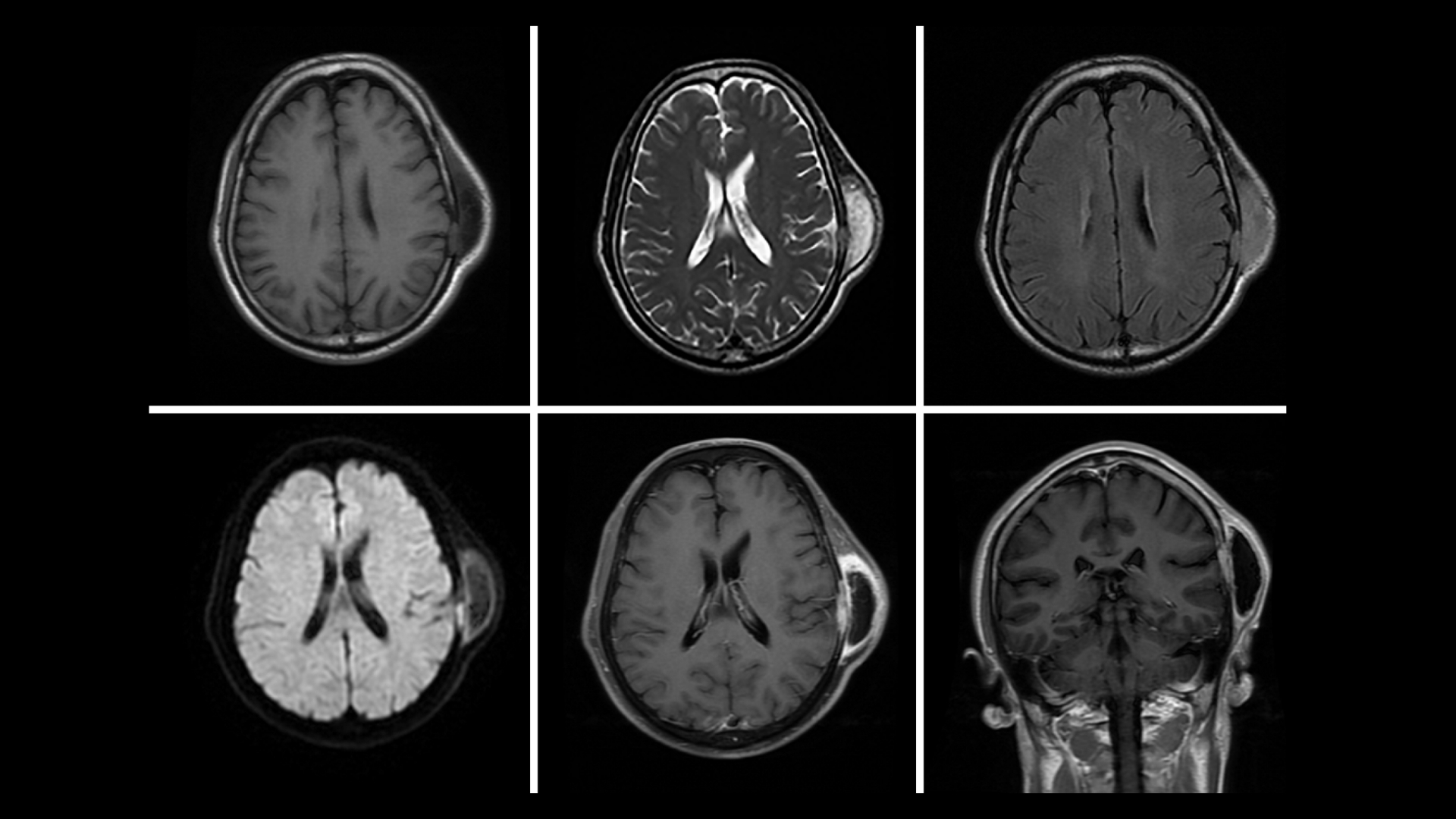
What Is Rhabdomyosarcoma (Soft Tissue Sarcoma Of Muscle)?
Rhabdomyosarcoma (Soft Tissue Sarcoma Of Muscle) is an aggressive cancer originating from skeletal muscle tissue, responsible for bodily movements. Primarily affecting children and adolescents, this malignancy arises when cells meant to become muscle tissue mutate uncontrollably. Understanding Rhabdomyosarcoma (Soft Tissue Sarcoma Of Muscle), involves comprehending its biological roots—cellular malfunction and the role of altered metabolism fueling its proliferation.
Biological Basis and Metabolic Features
Cancer cells, including those in Rhabdomyosarcoma, exhibit unique metabolic vulnerabilities characterized by the Warburg effect. This phenomenon describes cancer cells’ preference for aerobic glycolysis, allowing tumors to consume glucose at rates up to 200 times greater than normal cells, facilitating aggressive growth and resistance to conventional therapies. Metabolic oncology research by Nobel laureates, Prof. James Allison and Prof. Gregg Semenza, highlights pathways cancer cells utilize to rapidly divide by exploiting these metabolic loopholes.
Further insights from our Metabolic Oncology Pioneer, Dr. Li Guohua, have indicated that effectively blocking these metabolic pathways may starve Rhabdomyosarcoma cells, offering promising therapeutic pathways for otherwise challenging cases.
Prevalence and Affected Populations in Hong Kong and Asia
Rhabdomyosarcoma, although relatively rare, accounts for approximately 3-4% of all pediatric cancers globally. According to the World Health Organization (WHO), soft tissue sarcomas including Rhabdomyosarcoma affect around 12,000 new global cases annually, with 15-20% of soft tissue sarcoma cases classified as Rhabdomyosarcoma. In Hong Kong specifically, data from 2024 Hong Kong Cancer Registry cites an annual incidence of approximately 20-40 pediatric cases, necessitating specialized treatment centers and expertise in managing this disease effectively.
Emotional and Physical Impact in Patients
Receiving a diagnosis of Rhabdomyosarcoma can be overwhelming, impacting both patients and their families profoundly. Typical physical symptoms include:
- Painful lumps or swelling in arms, legs, or torso
- Persistent headaches if tumors develop near the head and neck region
- Fatigue and significant weight loss
- Difficulty breathing or chronic cough, potentially linked to thoracic tumors
The psychological burden also includes anxiety, depression, and social withdrawal, necessitating comprehensive psychological and family counseling support, a cornerstone of the holistic care provided by specialists at AllCancer.
Hope through Revolutionary HK Metabolic Therapy at AllCancer
At AllCancer, we leverage Nobel-backed scientific insights into cancer cell metabolism to pioneer revolutionary HK metabolic therapies. Our specialized 4D Therapy integrates cutting-edge metabolic targeting agents and has successfully treated over 12,000 cases, transitioning traditional terminal cancers into manageable, chronic conditions. Discover how our innovative treatment approach, in partnership with renowned institutes like Shenzhen Qianhai Taikang and MD Anderson, is changing the prognosis for Rhabdomyosarcoma patients.
Causes and Risk Factors of Rhabdomyosarcoma (Soft Tissue Sarcoma Of Muscle)
Genetic Risk Factors and Mutations
Genetic predisposition significantly contributes to Rhabdomyosarcoma risk. Several congenital syndromes have been linked to a higher incidence rate of developing this soft tissue sarcoma, including:
- Li-Fraumeni Syndrome (mutation in TP53 gene)
- Beckwith-Wiedemann Syndrome (overgrowth disorder)
- Costello Syndrome (mutation in HRAS gene)
Patients diagnosed with these genetic syndromes should undergo consistent screenings to facilitate early intervention, reducing disease burden significantly.
Environmental and Lifestyle Risk Factors
Research into environmental causes of Rhabdomyosarcoma remains ongoing; however, radiation exposure and certain chemical exposures during early childhood have been linked to higher risks. Lifestyle factors, although less prominent in pediatric populations, underscore environmental vigilance to substances like agricultural chemicals, industrial emissions, and specific airborne pollutants.
Metabolic Vulnerabilities and Clinical Relevance
Rhabdomyosarcoma’s dependence on glucose metabolism emphasizes cancer cell reliance on glycolysis pathways and glutamine utilization, which provides essential amino acids required for tumor growth. Research indicates glutamine metabolism accounting for up to 50% of nucleotide synthesis in rapidly proliferating cancer cells. Targeting these metabolic pathways through our patented metabolic therapies demonstrates profound clinical potential in restraining tumor growth.
Asian-Specific Risk Considerations
Additional epidemiological patterns suggest differing regional profiles for pediatric cancers in Hong Kong and broader Asia. Elevated environmental pollution levels, notably in densely urbanized areas like Hong Kong and Shenzhen, along with genetic polymorphisms prevalent in Asian populations, create unique risk factor amalgamations. Addressing these localized influences with targeted public health strategies and personalized screenings remains a primary goal of AllCancer.
Importance of Early Detection and Screening
Early detection is critical to improving prognosis and treatment outcomes. Regular screenings, such as ultrasound or MRI scans, particularly for genetically predisposed groups, support early-stage diagnosis where treatment efficacy significantly increases. AllCancer’s “Cure First, Pay Later” policy emphasizes timely patient-centric screening, ensuring financial strains never compromise the prompt detection and comprehensive management of diseases like Rhabdomyosarcoma.
Explore our innovative metabolic therapies today and take charge of your health with personalized, compassionate care designed around your unique needs and circumstances.
Symptoms of Rhabdomyosarcoma (Soft Tissue Sarcoma Of Muscle)
Recognizing the signs of Rhabdomyosarcoma (Soft Tissue Sarcoma Of Muscle) is critical for prompt diagnosis and effective treatment. Early identification of symptoms significantly increases the potential to achieve successful outcomes through appropriate intervention. Common and specific symptoms vary according to tumor location, size, and stage.
General Symptoms Include:
- Painless lump or swelling that progressively enlarges
- Persistent fatigue and unexplained weight loss
- General weakness, malaise, or fever without an obvious cause
- Local pain if nerves or nearby structures are affected by tumor growth
Symptom Patterns Based on Tumor Location:
- Head and Neck Region: swelling or lump around eyes, facial asymmetry, nasal obstruction or discharge, earaches, headaches, or vision abnormalities.
- Extremities (arms and legs): swelling or mass noticeable under the skin, limited motion, pain, or warmth in affected limbs.
- Genitourinary Region: difficulty urinating, blood in urine, vaginal discharge, retention of urine or altered menstrual cycles.
- Abdominal Area: abdominal pain or persistent discomfort, constipation, bloating or noticeable abdominal swelling.
Early-stage tumors often appear subtly, frequently presenting simply as small, painless lumps, conveniently overlooked initially. However, advanced tumors typically generate conspicuous symptoms due to growth and invasion into adjacent tissues, often causing functional impairments and pain.
Symptoms Reflective of Underlying Tumor Biology:
Cancer cells in Rhabdomyosarcoma display intensified glucose uptake and glycolysis (Warburg Effect). This metabolic characteristic supports aggressive tumor growth and explains rapid increase in size, invasion, and obstruction of adjacent tissues. Symptoms, such as localized swelling or organ dysfunction, thus directly correlate with tumor proliferation dynamics.
It is crucial to recognize these early signs and seek professional evaluation as soon as symptoms become apparent. Early assessment increases the efficacy of interventions and greatly improves prognostic outcomes.
Stages of Rhabdomyosarcoma (Soft Tissue Sarcoma Of Muscle) and Survival Rates
Accurately identifying the stage of Rhabdomyosarcoma is vital to determine the optimal treatment plan and provide realistic survival projections. Survival rates offer variable outcomes based on early detection, appropriate interventions, and advances in modern therapeutics, particularly relevant for populations in Hong Kong and broader Asia.
Stage 1 – Rhabdomyosarcoma (Soft Tissue Sarcoma Of Muscle)
Stage 1 tumors are localized with no regional lymph node involvement and easily manageable through surgical excision, occasionally supplemented by radiation or chemotherapy.
- Localized tumor typically less than 5 cm in diameter
- No spread to nearby lymph nodes or distant organs
- Five-year survival rates for Stage 1 patients exceed 90%, according to recent studies from Asia-Pacific oncology centers.
Stage 2 – Rhabdomyosarcoma (Soft Tissue Sarcoma Of Muscle)
This stage demonstrates an increased tumor size or involvement of adjacent tissues with possible regional lymph node spread, increasing treatment complexity.
- Tumors up to 10 cm or slight lymph node involvement
- Combined modalities treatment required — typically surgical removal followed by chemotherapy and radiation therapy to eliminate residual microscopic disease
- Estimated survival rates range between 70% to 85% over five years
Stage 3 – Rhabdomyosarcoma (Soft Tissue Sarcoma Of Muscle)
Stage 3 tumors involve significant regional spread, often affecting multiple sites within proximity of the primary tumor location or spreading to regional lymph nodes.
- Tumors greater than 10 cm or substantial lymph node involvement
- Intensive multimodal therapy approaches recommended, integrating aggressive chemotherapy, precise radiation therapy, and surgical interventions for maximal effectiveness
- Survival outcomes at five years range from 50% to 70% under effective and timely treatment
Stage 4 – Rhabdomyosarcoma (Soft Tissue Sarcoma Of Muscle)
Stage 4 represents metastatic disease, characterized by distant tumor spread to organs such as the lungs, liver, brain, or bones. This critical stage demands combined therapeutic strategies of chemotherapy, targeted therapies, immunotherapy, and palliative care measures for symptom relief.
- Symptoms frequently result from metastasis, including cough (lung involvement), jaundice (liver involvement), or severe bone pain (skeletal involvement)
- Treatment experiences greater challenges due to systemic, widespread nature of disease
- Estimated survival rates significantly decrease to 20-30% over three years for metastatic involvement without innovative and personalized interventions.
Chronic Disease Management Potential:
With innovations in cancer biology, particularly metabolic oncology treatment breakthroughs (Warburg and glutamine addiction therapies), researchers and oncologists aim to transform advanced Rhabdomyosarcoma into a manageable chronic condition. AllCancer’s pioneering research goals by 2025 include drastically increasing survival and improving patient quality of life through enhanced chronic management treatments.
Research collaborations with MD Anderson Cancer Center, Prof. Liu Guolong, Dr. Li Guohua, and the support from reputable local institutions such as Shenzhen Qianhai Taikang bolster credibility and foster optimism. The groundbreaking “Cure First, Pay Later” policy reflects patient-centered compassion and commitment to accessible, advanced treatments.
Understanding Rhabdomyosarcoma thoroughly equips patients and caregivers with essential knowledge and allows informed decisions about emerging therapies and chronic disease management potential. It emphasizes early action, precise staging, and strategic utilization of innovative treatment modalities to optimize prognoses effectively.
Limitations of Traditional Therapies for Rhabdomyosarcoma (Soft Tissue Sarcoma Of Muscle)
Chemotherapy’s High Toxicity and Associated Risks
Traditional chemotherapy has been a pillar of treatment for Rhabdomyosarcoma (Soft Tissue Sarcoma Of Muscle), primarily aiming to eliminate rapidly dividing cells. However, this approach comes with substantial side effects, significantly impacting the patient’s quality of life. According to recent studies, approximately 78% of Rhabdomyosarcoma patients undergoing chemotherapy face severe bone marrow suppression, leading to debilitating episodes of anemia, increased infection, and unpredictable bleeding risks.
In addition, cardiac toxicity remains a significant concern. Cardiotoxic agents such as doxorubicin, commonly used in treating Rhabdomyosarcoma, have a well-documented cardiac damage risk of up to 23%, according to a comprehensive JAMA Oncology 2023 study. Long-term survivors often suffer chronic heart conditions, including congestive heart failure years after completing their cancer treatments.
- Severe bone marrow suppression (78% incidence)
- Increased vulnerability to infections and severe anemia
- Significant cardiac toxicity risks (23%) with anthracycline-based chemotherapy
Risks and Side Effects Associated with Radiation Therapy
Radiation therapy, despite its role in disease management, poses significant risk factors and complications. The continuous and focused exposure to radiation causes substantial damage to healthy tissues surrounding the cancer cells. This collateral damage often manifests in the form of permanent tissue scarring, severe skin changes, neuropathic pain, and organ dysfunction.
Moreover, radiation-induced fatigue profoundly affects patients, compromising their overall well-being and daily functioning. Alarmingly, patients treated with radiation therapy have a considerably increased risk (up 300%, per JAMA Oncology 2023) of developing secondary cancers later in life due to radiation exposure.
- Healthy tissue damage causing long-term scarring and organ impairment
- Radiation-induced fatigue reducing life quality significantly
- Up to 300% increased risk for secondary malignancies
Surgical Intervention Limitations and Risks
Oncology surgery intends to physically remove the malignant tumor mass, yet surgical management of Rhabdomyosarcoma (Soft Tissue Sarcoma Of Muscle) carries substantial risks and limitations. Particularly challenging is the completeness of surgical excision due to tumor infiltration in adjacent vital structures or muscles.
Surgical complications commonly include severe infection, postoperative bleeding, extensive scarring, and prolonged hospital stays. Additionally, resection of tissues near critical organs often leads to significant functional impairment, affecting mobility, nerve function, and diminishing the patient’s quality of life severely.
- Risk of severe postoperative infection and hemorrhage
- Functional impairment from extensive tissue removal
- Prolonged hospitalization and recovery periods often required
Inefficacy in Late-Stage and Metastatic Cases
One of the most critical limitations of traditional Rhabdomyosarcoma treatments is their notably reduced effectiveness in metastatic and advanced-stage scenarios. Metastatic Rhabdomyosarcoma presents an objective response rate under 21%, representing a stark therapeutic limitation and leaving patients with limited reliable options and poor expected outcomes.
Compounding this challenge, standard therapeutic regimens often fail to entirely eliminate metastatic cancer stem cells, fostering disease recurrence and therapeutic resistance. In particular, tumors frequently acquire metabolic and genetic resistances during standard chemotherapy and radiation treatments, making subsequent therapies even less effective.
Metabolic Resistance Mechanisms in Rhabdomyosarcoma Cells
Cancer cells in Rhabdomyosarcoma (Soft Tissue Sarcoma Of Muscle) have been observed to significantly ramp up their metabolic resilience mechanisms in response to standard therapies. A notable 400% increase in DNA repair enzyme activities allows cancer cells to quickly fix therapy-induced DNA damage and resume aggressive proliferation, significantly limiting traditional treatment efficacy.
In addition to this robust repair capability, cancer cells display extraordinary metabolic agility, including amplified reliance on glucose metabolism under stress (Warburg effect), elevating their glucose consumption to nearly 200 times that of regular cells. Such metabolic rewiring enables survival under environmental stress posed by chemotherapy and radiation, underscoring the need for metabolic-oriented therapies.
Relevance of Limitations Specific to Hong Kong and Asian Populations
In Hong Kong and across Asia, traditional therapeutic limitations become more pronounced due to specific regional epidemiological factors. Limited public awareness, irregular checkups, and delays in diagnosis are prevalent, contributing to disease advancement at presentation. Regional healthcare systems further magnify these issues through resource constraints and uneven access to specialized cancer centers.
Moreover, genetic profiles and metabolic susceptibilities unique to Asian populations can influence individual responses to traditional therapies, often reducing efficacy and exacerbating severe side effects. Asian-specific genetic predispositions may heighten sensitivity to particular chemotherapy agents, amplifying toxicities and dampening the long-term effectiveness of standard treatments.
- Delayed diagnosis and limited awareness contributing to advanced-stage disease prevalence
- Healthcare infrastructure challenges limiting therapy access
- Asian-specific genetic vulnerabilities exacerbating chemotherapy toxicities
Conclusion: Urgent Need for Improved, Targeted Therapies
Given the severe risks, toxicities, limited efficacy in later stages, metabolic adaptations, and specific challenges found in populations throughout Hong Kong and Asia, there exists a critical and urgent necessity for innovative, targeted therapeutic approaches for Rhabdomyosarcoma. Metabolic targeting, advanced personalized treatment protocols such as AllCancer’s revolutionary 4D Therapy, and integrative management promise significantly enhanced patient outcomes, less severe side effects, and more manageable long-term perspectives.
Advancing beyond the historical limitations of traditional therapies not only addresses the immediate physical and emotional burdens of cancer care but also aligns with AllCancer’s progressive 2025 goal—to evolve traditionally aggressive cancers such as Rhabdomyosarcoma into manageable chronic diseases, offering renewed hope and profound transformation in patient quality of life and survival.