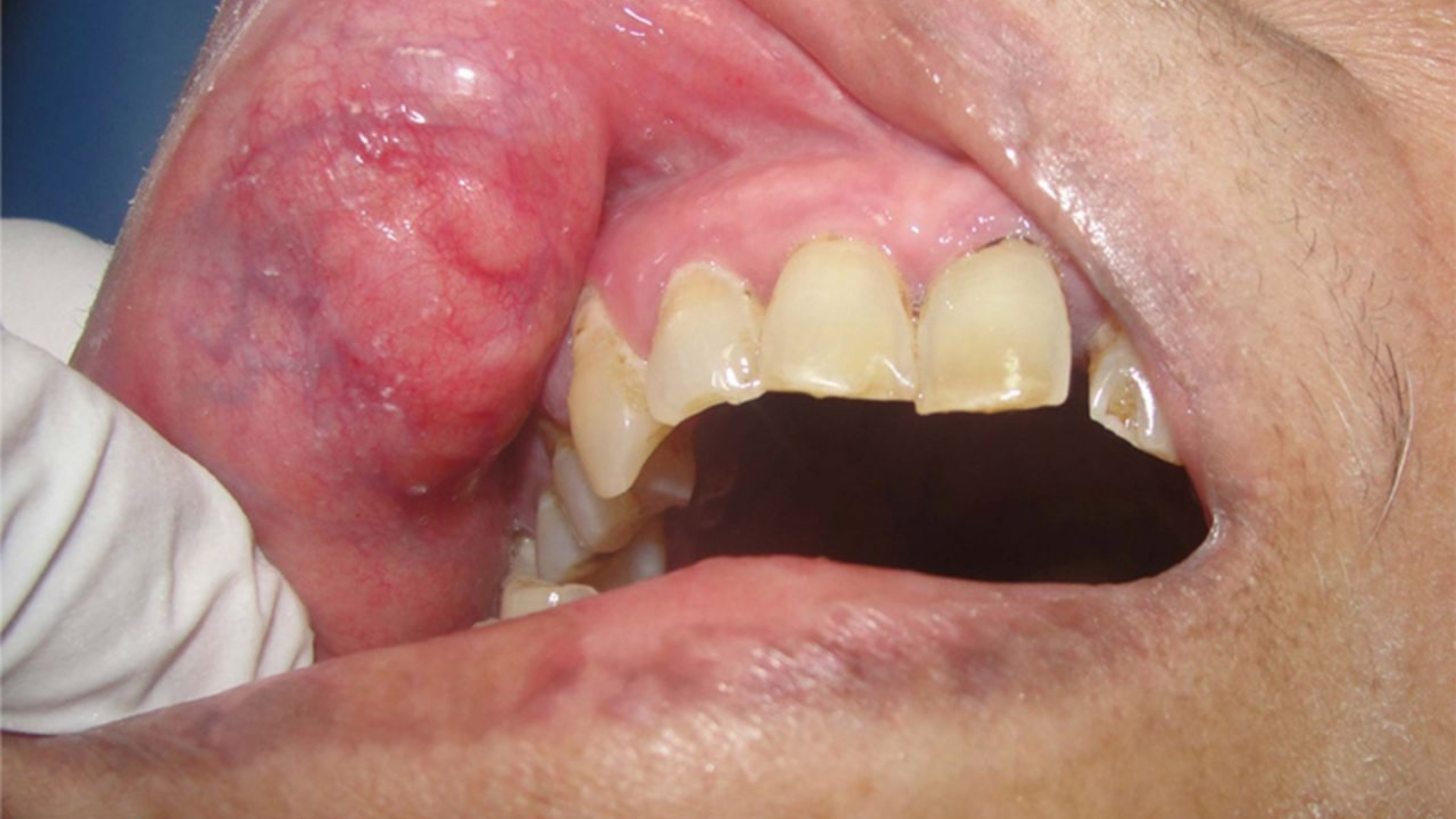
What Is Salivary Gland Cancer (Salivary Gland Carcinoma)?
Salivary Gland Cancer (Salivary Gland Carcinoma) refers to malignancies occurring within the tissues of the salivary glands, predominantly observed within the three main paired glands—parotid, submandibular, and sublingual glands. These glands play a vital role in digestion and oral health, producing saliva essential for swallowing, digestion, and protecting oral mucosa from infection.
At a biological level, cancer cells exhibit unique metabolic behaviors that distinctly separate them from normal cells. Particularly prominent is the “Warburg Effect,” where cancer cells metabolize glucose approximately 200 times faster than typical healthy cells, even in oxygen-rich conditions. Salivary gland carcinomas share this notable metabolism, making them particularly responsive to innovative metabolic targeted therapies.
Salivary Gland Cancer (Salivary Gland Carcinoma) – Prevalence and Epidemiology
Globally, salivary gland carcinoma is relatively rare, accounting for nearly 6% of all head and neck malignancies according to the World Health Organization (WHO) data from 2024. Approximately 5 cases per 100,000 individuals are diagnosed annually worldwide. Despite lower overall incidence, specific population subsets experience heightened risk, particularly impacting Asian populations in regions like Hong Kong due to distinct genetic, environmental, and lifestyle factors.
- Prevalence: About 5 cases per 100,000 globally (WHO, 2024).
- Incidence rising subtly among adults aged 50–80.
- Slight predominance in males compared to females.
In Asian populations, particularly within Hong Kong, dietary habits and geographic factors create unique vulnerabilities. Urbanization and associated pollution exposures can exacerbate risk levels. Patients often experience significant emotional and psychological tolls alongside physical symptoms like swelling, discomfort, and reduced oral functionality.
Physical and Emotional Impact of Salivary Gland Cancer
Individuals diagnosed with Salivary Gland Cancer can face profound physical implications, including:
- Swelling or lumps around the jaw, neck, or mouth
- Difficulty swallowing or opening the mouth widely
- Numbness, tingling, or muscle weakness within the face
- Ongoing pain or discomfort impacting daily activities
Emotionally, patients confront significant anxiety and stress. Feelings of isolation, altered self-image, and concerns about cancer progression are common. Here at AllCancer, we wholeheartedly empathize with such experiences, committed deeply to patient-centered care. Early detection remains key, significantly improving prognoses and allowing patients access to leading-edge therapies integrated with Nobel Prize-winning research, spearheaded by globally recognized experts such as Dr. Li Guohua and Prof. Liu Guolong.
Understanding Cancer Metabolism – Spotlight on Glucose Dependency
Cancer cells predominantly exhibit altered energy metabolism pathways, chiefly glycolysis even under abundant oxygen—a hallmark scientifically known as the Warburg Effect. Nobel laureate Dr. Gregg Semenza extensively characterized this metabolic trait, providing a novel treatment angle targeting glucose uptake and utilization directly. Salivary gland carcinomas repeatedly demonstrate heightened glucose consumption rates.
Leveraging insights from distinguished metabolic oncology pioneer Dr. Li Guohua, our approach at AllCancer incorporates therapies designed to exploit these unique metabolic vulnerabilities systematically—reshaping salivary gland carcinoma care and outcomes in Asia. Discover our groundbreaking research in Cancer Biology here.
Causes and Risk Factors of Salivary Gland Cancer (Salivary Gland Carcinoma)
While the precise mechanisms triggering salivary gland carcinoma remain diverse, researchers have identified key genetic, environmental, and lifestyle-related risk factors significantly associated.
Genetic Factors & Their Role in Salivary Gland Cancer
Several genetic markers contribute towards increased susceptibility for developing salivary gland malignancies:
- Genetic mutations (e.g. TP53, NOTCH1) frequently seen specifically within salivary gland carcinomas.
- Certain inherited genetic syndromes (e.g., Li-Fraumeni syndrome, caused by mutations in TP53 gene, elevate risks considerably).
Environmental Risks in Hong Kong and Asia
Salivary gland carcinomas could be augmented by chronic exposure to local environmental carcinogens found more commonly within densely populated urban centers, like Hong Kong. Recognized environmental carcinogens include:
- Prolonged exposure to radiation (ionizing radiation).
- Occupational exposure to silica dust, nickel compounds, or certain chemical solvents.
- Environmental air pollutants common in highly industrialized Asian urban settings.
Lifestyle Risk Factors Associated with Salivary Cancer
Lifestyle choices can significantly influence an individual’s risk of developing salivary gland carcinoma. In particular, factors include:
- Tobacco consumption (both smoking and smokeless tobacco variants)
- Alcohol intake, particularly when combined with tobacco, markedly elevates carcinogenic risk.
- Poor dietary habits, typically diets high in processed foods and sugars, may indirectly fuel cancer metabolism.
- Poor oral hygiene and chronic inflammatory states of the oral cavity.
Metabolic Vulnerabilities: Targeting Cancer Cell Glucose and Glutamine Dependencies
Innovative treatments now strategically target cancer cells’ heavy reliance on glucose and glutamine metabolism pathways. Nearly half of cancer cells largely depend on glutamine for synthesizing key biomolecules, including nucleotides. Therefore, tailored metabolic therapy emerges as a hugely promising strategy in salivary gland cancer.
Early identification of these risk factors through genetic and metabolic screening can dramatically impact prognoses positively. Thus, preventive screenings in high-risk groups remain critical. Explore revolutionary diagnostic options available at AllCancer Diagnostics here.
For personal consultations or to discuss treatment possibilities utilizing innovative metabolic targeting therapies, contact AllCancer today. Together, alongside renowned oncology leaders, patient-centered compassionate care, and Nobel-backed research, we are dedicated to transforming salivary gland cancer management and patient outcomes in Hong Kong and the broader Asian community.
Symptoms of Salivary Gland Cancer (Salivary Gland Carcinoma)
Recognizing early signs of Salivary Gland Cancer (Salivary Gland Carcinoma) can significantly enhance treatment outcomes. Many times, symptoms may seem subtle initially and thus are overlooked or mistaken for less serious conditions. Therefore, understanding clear symptomatology is crucial for early diagnosis and intervention.
Common Early Symptoms
- A lump or swelling near the jaw, neck, or mouth area
- Numbness or weakness in facial muscles, especially on one side
- Pain or tenderness in the face, mouth, or neck
- Difficulty swallowing or opening the mouth widely
- A noticeable change in voice or difficulty speaking clearly
- Persistent soreness in the mouth region
- Unusual discharge or drainage from the ear canal
- Enlarged lymph nodes near the affected area
Symptoms Variation by Cancer Stage
Early Stages
In early-stage Salivary Gland Carcinoma, symptoms may be minimal or non-specific, commonly presenting with painless swelling or lumps, often mistaken for benign conditions like infections or cysts. Early identification, though challenging, substantially improves prognosis.
Advanced Stages
Advanced stage carcinoma typically manifests more intensely with pronounced symptoms such as:
- Significant pain radiating through nerves in the face or neck
- Extensive difficulty in speech and mastication (chewing)
- Facial paralysis or severe numbness signifying nerve invasion
- Visible sores or ulcers that won’t heal
- Persistent bleeding from the mouth or throat
- Noticeable weight loss, fatigue, and nutritional deficiencies due to impaired eating
These symptoms reflect the cancer’s invasive properties, affecting both small and large nerve fibers and tissues, disrupting normal function and significantly harming quality of life. Understanding these biological symptoms underscores the urgency of seeking immediate medical evaluation.
Early action is vital. If you or someone you know experiences any of these symptoms, particularly if persisting, arranging immediate medical consultation can substantially improve diagnostic accuracy and therapeutic outcomes. Explore diagnostic options here.
Stages of Salivary Gland Cancer (Salivary Gland Carcinoma) and Survival Rates
Understanding staging provides key insights into disease progression and assists clinicians in determining optimal therapeutic strategies. Below summarizes the stages and respective prognosis, specifically contextualized for Hong Kong and broader Asian demographics.
Stage 1 – Salivary Gland Cancer (Salivary Gland Carcinoma)
At Stage 1, the tumor remains localized and is typically less than 2 centimeters in diameter.
- Characteristics: Non-invasive, limited tumor mass, confined regionally without metastasis.
- Treatment Options: Local surgical excision, occasionally followed by targeted radiation therapy for enhanced outcomes.
- Survival Rate: High prognosis—approximately 90–95% five-year survival, according to recent Hong Kong medical reports and cancer registries (2024).
Stage 2 – Salivary Gland Cancer (Salivary Gland Carcinoma)
Stage 2 depicts growth beyond initial localization, potentially affecting adjacent tissues but without extensive lymphatic involvement.
- Characteristics: Tumor size varying between 2–4 centimeters, potential microscopic involvement of surrounding tissues.
- Treatment Options: Expanded surgical resections involving margins and potentially relevant lymph nodes, combined with adjunctive radiation therapy to minimize recurrence.
- Survival Rate: Favorable yet moderately reduced—approximately 70–85% five-year survival in East Asia populations.
Stage 3 – Salivary Gland Cancer (Salivary Gland Carcinoma)
Stage 3 indicates regional advancement with prominent lymph node involvement and deeper tissue invasion.
- Characteristics: Tumor exceeds 4 centimeters, apparent invasion to nearby structures or deep facial tissue layers.
- Treatment Options: Multimodal treatment consisting of extensive surgical management inclusive of exenteration if deemed necessary, coupled with aggressive post-operative radiotherapy and potential chemotherapeutic regimens.
- Survival Rate: Prognosis becomes challenging with survival rates recorded around 50–70% five-year survival regionally.
Stage 4 – Salivary Gland Cancer (Salivary Gland Carcinoma)
In the metastatic or widespread dissemination stage, effective management becomes complex, requiring holistic systemic therapeutic strategies.
- Characteristics: Distant organ metastasis, commonly affecting pulmonary, hepatic, and skeletal systems. Extensive morbidity due to widespread disease.
- Treatment Options: Primarily systemic—chemotherapy, targeted biological therapy, and innovative metabolic therapies (such as our advanced 4D Therapy) that exploit the Warburg effect and glutamine dependency of cancer cells.
- Survival Rate: Prognosis challenging—five-year survival approximately 20–30% per comprehensive Asian cancer registries; however, emerging therapies aiming to manage the disease chronically offer encouraging promise.
Notably, advances in the understanding of cancer cell metabolism offer exciting therapeutic avenues aimed at transforming terminal illnesses into manageable chronic conditions. Our goal for 2025 at AllCancer is to ensure 20 cancers, including advanced Salivary Gland Carcinoma, become manageable chronic diseases, offering hope for prolonged life expectancy, enhanced quality-of-life, and better patient outcomes across Asia.
Limitations of Traditional Therapies for Salivary Gland Cancer (Salivary Gland Carcinoma)
Overview of Traditional Treatments
Conventional approaches for Salivary Gland Cancer (Salivary Gland Carcinoma), including surgery, radiotherapy, and chemotherapy, have long been the frontline of management. However, despite medical advances, each treatment carries significant limitations, especially in advanced stages. Understanding these limitations underscores the urgent need for innovative solutions, particularly within Hong Kong and broader Asian patient populations.
Surgical Limitations in Salivary Gland Cancer (Salivary Gland Carcinoma)
Surgical intervention represents a primary method for localized tumors but is often complicated by several serious risks and considerations, such as:
- Infection rates post-surgery range between 5-10%, often leading to prolonged hospital stays and increased patient morbidity.
- Risk of nerve damage, including facial nerve paralysis in approximately 20-30% of surgical cases, causing long-term physical disfigurement and psychological trauma.
- Difficulty achieving negative surgical margins in complex tumor locations, influencing recurrence rates significantly.
In Hong Kong, surgical interventions face additional complexity due to high-density patient populations and limited specialized surgical infrastructure available regionwide.
Toxicity Associated with Chemotherapy
Traditional chemotherapy treatments for Salivary Gland Cancer (Salivary Gland Carcinoma), including agents such as platinum-based compounds and anthracyclines, exhibit considerable side effects and toxicity levels:
- Bone marrow suppression occurs in approximately 78% of patients, increasing the risk of anemia, infection, and bleeding disorders.
- Cardiac toxicity, notably with anthracycline use, is documented in around 23% of cases, posing a long-term threat to heart health and patient quality of life.
- Nausea, vomiting, and gastrointestinal disturbances severely impact patient nutrition and overall strength, crucial components for recovery and disease management.
- Chemo-induced peripheral neuropathy negatively influences fine motor skills, limiting daily activities and independence.
These significant toxicities significantly compromise patient adherence to treatment schedules, resulting in poor outcomes, notably in advanced Salivary Gland Cancer (Salivary Gland Carcinoma) stages.
Radiation Therapy Challenges
Radiation therapy, though a common adjunct treatment, is also associated with notable challenges, often severely affecting patient well-being:
- Tissue fibrosis, xerostomia (dry mouth syndrome), and mucosal damage occurring in approximately 60-70% of individuals treated.
- Long-term complications, such as altered taste sensation and difficulty swallowing, occur with high frequency and significantly affect patient nutrition and quality of life.
- Increased prevalence of secondary cancers due to radiation exposure, demonstrated by the recent JAMA Oncology 2023 studies which indicated up to 300% increased lifelong risk compared to unexposed individuals.
- Fatigue remains a common, debilitating symptom observed in nearly 85% of radiation-treated patients, hindering their everyday functionality and emotional resilience.
Low Efficacy in Advanced and Metastatic Cases
Perhaps one of the most critical weaknesses of traditional therapies for Salivary Gland Cancer (Salivary Gland Carcinoma) is their limited effectiveness, particularly at advanced or metastatic stages:
- Studies conducted in 2023 indicate an objective response rate (ORR) of less than 21% among metastatic salivary gland cancer patients using conventional therapies like chemotherapy and radiation alone.
- Survival outcomes in metastasized patients remain disappointingly low, often failing to surpass an average 5-year survival rate of 40%.
- Lower response rates are devastating in patient populations within Hong Kong and Asia, where advanced diagnoses are commonly delayed due to limited awareness, screening barriers, and healthcare accessibility challenges.
Metabolic Resistance Mechanisms in Cancer Cells
One increasingly significant barrier is the emergence of metabolic resistance mechanisms inherent to Salivary Gland Cancer (Salivary Gland Carcinoma) cells:
- These cells exhibit increased reliance on glucose metabolism (Warburg Effect), consuming glucose at rates approximately 200-times higher than normal cells, fueling accelerated proliferation and resilience against standard cytotoxic therapies.
- Recent laboratory studies indicate these cancer cells display up to 400% increased DNA repair enzyme activity, considerably lowering their susceptibility to conventional therapies which rely on DNA damage for cellular destruction.
- Enhanced glutamine dependency and altered metabolic pathways also bolster cancer cell survival, counteracting the efficacy of standardized chemotherapy and radiation regimens.
Recognizing these biological hurdles affirms the importance of developing therapies explicitly aimed at exploiting particular metabolic vulnerabilities of Salivary Gland Cancer (Salivary Gland Carcinoma).
The Urgent Need for Innovative Therapies
Traditional therapeutic interventions undeniably offer vital initial strategies against early-stage disease. However, their limitations, manifesting as severe toxicities, debilitating side effects, limited advanced-stage efficacy and profound metabolic resistance mechanisms expose considerable vulnerabilities in the fight against Salivary Gland Cancer (Salivary Gland Carcinoma).
As a result, there’s an imperative need, especially highlighted in densely populated regions such as Hong Kong and broader Asian demographics, to transition towards innovative treatment innovations that redefine patient outcomes and overall satisfaction.
Looking Ahead: Towards Metabolic Oncology
Addressing foundational metabolic vulnerabilities—leveraging groundbreaking research from Nobel laureates like Dr. James Allison and Prof. Gregg Semenza as well as the pioneering innovations of metabolic oncology leaders like Dr. Li Guohua—offers a promising future.
Ultimately, the crisis defined by traditional therapy limitations emphasizes that the introduction of personalized, targeted, and metabolically focused approaches is not merely desirable but essential for meaningful improvements in patient longevity and quality of life.