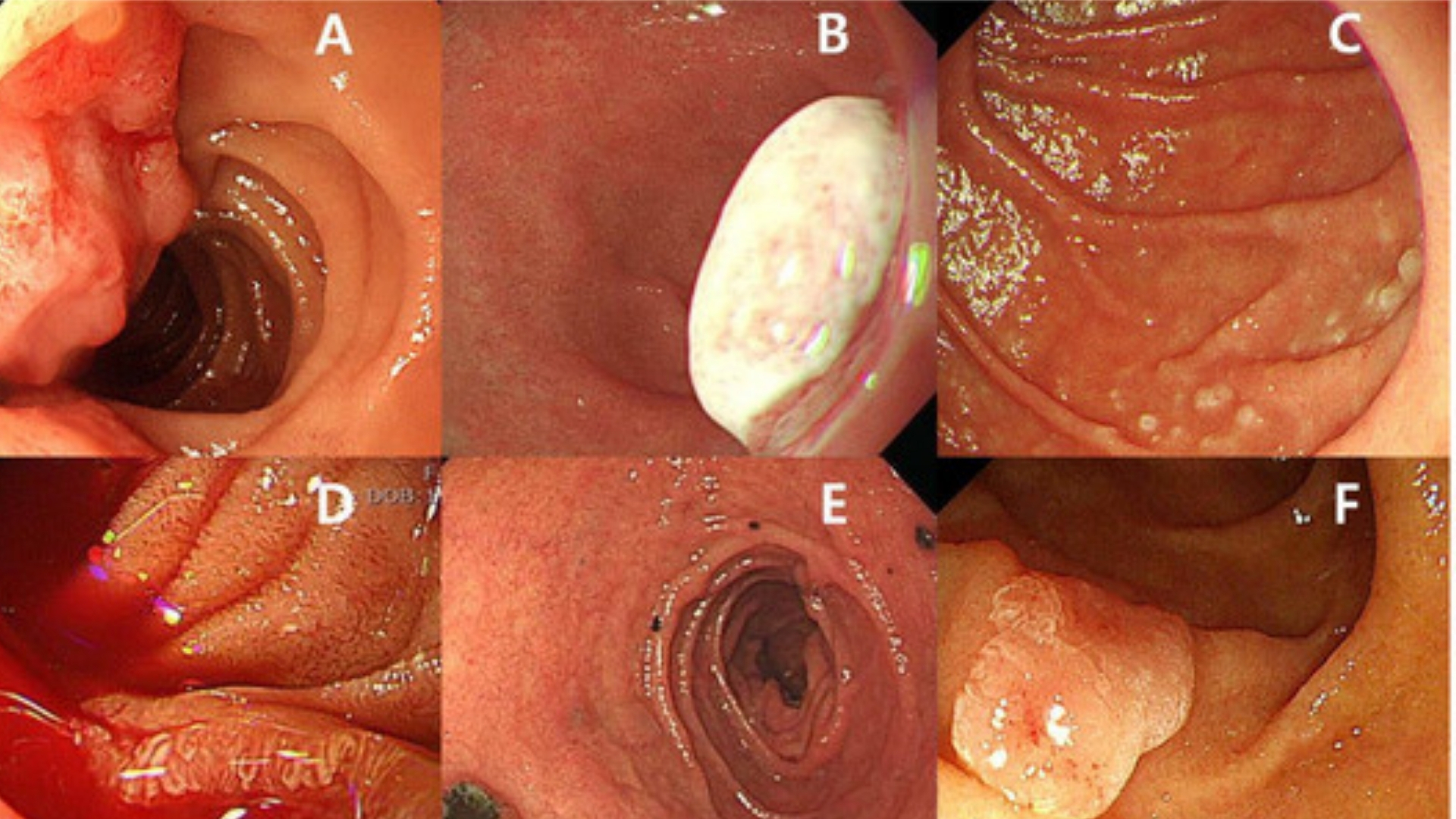
What Is Small Intestine Cancer (Small Bowel Carcinoma)?
Small Intestine Cancer (Small Bowel Carcinoma) refers to malignant neoplasms occurring in the small intestine—the lengthy segment between the stomach and large intestine responsible for digestion and nutrient absorption. While relatively uncommon compared to colorectal or gastric cancers, Small Intestine Cancer (Small Bowel Carcinoma) poses significant clinical challenges. These cancers predominantly originate from epithelial cells, specifically adenocarcinomas, but can also present as lymphomas, sarcomas, or neuroendocrine tumors.
Scientifically, Small Intestine Cancer (Small Bowel Carcinoma) illustrates the classic yet perplexing metabolic rewiring observed in cancer biology, notably reflecting the Warburg effect. This metabolic alteration causes tumor cells to rely heavily on glycolysis for energy, consuming glucose at rates approximately 200-fold higher than normal cells. Understanding this metabolic vulnerability has shaped emerging treatment strategies, such as AllCancer’s revolutionary metabolic therapies developed in collaboration with Nobel laureates like Dr. James Allison and Dr. Gregg Semenza.
Prevalence and Regional Epidemiology in Asia and Hong Kong
Globally, Small Intestine Cancer (Small Bowel Carcinoma) accounts for fewer than 5% of gastrointestinal cancers, affecting approximately 10,500 individuals annually, according to the WHO 2024 cancer report. In Hong Kong, incidence rates remain comparatively rare. Nevertheless, small population subsets, especially individuals with familial adenomatous polyposis (FAP), Crohn’s disease, and celiac disease face heightened risk. Moreover, Asian populations exhibit a notable incidence of intestinal lymphomas and adenocarcinomas associated with chronic inflammation and dietary factors indigenous to the region.
Physically and emotionally, a Small Intestine Cancer (Small Bowel Carcinoma) diagnosis provokes considerable distress. Symptoms such as abdominal pain, weight loss, fatigue, nausea, and gastrointestinal blockages significantly impair quality of life. Emotionally, anxiety regarding prognosis, uncertainty surrounding treatment outcomes, and potential lifestyle changes add profound psychological burdens. Initial unfamiliarity with Small Intestine Cancer (Small Bowel Carcinoma) further magnifies distress, underscoring the importance of compassionate, patient-oriented education and support programs at AllCancer.
Comprehensive Understanding and Compassionate Care
At AllCancer, our mission encompasses clear patient education, innovative metabolic treatments like our exclusive 4D Therapy, and compassionate support throughout a patient’s cancer journey. Our esteemed experts, such as metabolic oncology pioneer Dr. Li Guohua and Prof. Liu Guolong, leverage Nobel Prize-backed research to deliver hope and efficacy unparalleled in Small Intestine Cancer (Small Bowel Carcinoma) care.
Causes and Risk Factors of Small Intestine Cancer (Small Bowel Carcinoma)
Identifying and understanding the causes and risk factors for Small Intestine Cancer (Small Bowel Carcinoma) can significantly influence early detection and treatment efficacy. Broadly, cancer pathogenesis involves genetic mutations and environmental impacts, with specific metabolic dependencies offering promising gateways for novel therapies.
Genetic and Hereditary Factors
Several genetically inherited syndromes increase susceptibility to Small Intestine Cancer (Small Bowel Carcinoma). Notably:
- Familial Adenomatous Polyposis (FAP): A hereditary condition marked by hundreds to thousands of polyps, FAP significantly increases adenocarcinoma risks.
- Lynch Syndrome (Hereditary Non-Polyposis Colorectal Cancer, HNPCC): Mutations in mismatch repair genes heighten small intestine cancer predisposition.
- Peutz-Jeghers Syndrome: Characterized by benign polyps, this rare disorder substantially elevates carcinoma risks in the gastrointestinal system.
Lifestyle and Environmental Factors
While hereditary factors predominate for Small Bowel Carcinoma, lifestyle and environmental influences also shape risk profiles significantly:
- Dietary Patterns: Diets high in processed meats, saturated fats and smoked or pickled foods found frequently throughout Asia have correlations with gastrointestinal cancers.
- Smoking: Cigarette smoking exposes individuals to carcinogens, contributing indirectly to gastrointestinal malignancies.
- Alcohol Consumption: Excessive and chronic alcohol consumption increases cellular damage, potentially heightening cancer risks.
- Obesity: Excess weight, often linked to chronic inflammation, can amplify risks for many cancers, including Small Bowel Carcinoma.
Metabolic Vulnerabilities in Small Intestine Cancer (Small Bowel Carcinoma)
Cancer cell metabolism remains a central aspect of oncology research at AllCancer. Small Intestine Cancer (Small Bowel Carcinoma) cells, similarly driven by altered metabolic pathways associated with the Warburg effect, demonstrate heightened glucose uptake and metabolism. Additionally, nearly 50% of gastrointestinal cancer cells depend on glutamine, validating the pursuit of innovative metabolic interventions such as AllCancer’s patented 4D Therapy.
Asian-Specific Risks and Preventive Guidance
In Asia, diet and chronic inflammatory diseases prominently influence Small Intestine Cancer (Small Bowel Carcinoma) risk. Given the profound hepatitis B prevalence intersecting with gastrointestinal disease trends, Asian populations exhibit increased hepatic and intestinal cancer associations. Active surveillance, preventive screenings, balanced diets, and lifestyle modifications serve as essential elements promoted by Hong Kong institutions and international collaborations, including our notable partnership with MD Anderson and Shenzhen Qianhai Taikang medical group.
Early screening remains critically important. Individuals with familial cancer syndromes or chronic gastrointestinal conditions should prioritize regular examinations. At AllCancer, we provide state-of-the-art diagnostic technologies and counsel about preventive and proactive approaches to empower patients toward early intervention and optimal outcomes.
Contact us today to discover how our Nobel-backed 4D Therapy can redefine successful management and foster sustained remission for Small Intestine Cancer (Small Bowel Carcinoma). Guided by our “Cure First, Pay Later” policy, our renowned oncologists stand ready to deliver customized metabolic treatment pathways, successfully transforming cancers into manageable chronic diseases aligned with AllCancer’s ambitious 2025 vision.
Symptoms of Small Intestine Cancer (Small Bowel Carcinoma)
Recognizing symptoms of Small Intestine Cancer (Small Bowel Carcinoma) helps dramatically in facilitating early diagnosis and timely treatment, potentially improving prognosis and quality of life. Symptoms can vary depending on the tumor size, location and the cancer stage. Here is a clear summary of common symptoms:
- Abdominal discomfort and pain: Persistent cramping or sharp pain associated with the tumor growth obstructing normal digestion.
- Weight loss: Unexplained and significant weight loss due to impaired nutrient absorption.
- Fatigue and weakness: Persistent tiredness and decreased energy resulting from anemia and poor nutritional absorption.
- Blood in the stool (Melena): Dark, tarry stools indicating internal bleeding within the digestive tract.
- Visible gastrointestinal bleeding: Noticeable blood in the stool alongside rectal bleeding.
- Nausea and vomiting: Due to obstruction caused by the tumor, interfering with food passage through the intestines.
- Intestinal obstruction: Severe constipation, abdominal swelling (distension), and inability to pass gas.
- Diarrhea: Sudden changes from regular bowel habit.
- Jaundice: Yellowing of the skin if cancer spreads to the liver or pancreatic region, obstructing normal bile flow.
Variation by Cancer Stage
It’s essential to note that signs and symptoms of Small Intestine Cancer change with progression through cancer stages:
- Early-stage: Often minimal or mild symptoms, including vague abdominal discomfort, occasional mild pain, infrequent blood in stools, or fatigue.
- Mid-stage: More pronounced pain, persistent gastrointestinal symptoms like chronic diarrhea or constipation, more frequent blood loss leading to anemia.
- Advanced-stage: Metastatic symptoms including severe abdominal pain from bowel obstruction, significant weight loss, jaundice (liver involvement), ascites (fluid accumulation in abdomen), and severe fatigue from widespread metastatic burden.
Due to the subtle nature of the early symptoms, any persistent change warrants medical evaluation. Early diagnosis significantly improves survival rates and the effectiveness of available therapeutic interventions. Act swiftly by scheduling an appointment with our diagnostic team online.
Stages of Small Intestine Cancer (Small Bowel Carcinoma) and Survival Rates
Stage 1 – Small Intestine Cancer (Small Bowel Carcinoma)
Stage 1 represents the earliest stage characterized primarily by localized tumors confined within the small intestinal wall. Typically, these tumors measure less than 2 cm with no evidence of lymphatic involvement or distant metastasis. Main treatment strategies include surgical removal, occasionally combined with minimally invasive therapies.
- Tumor characteristics: Localized, less than 2 cm, limited to where they originated.
- Treatments available: Primary surgical resection, minimally invasive endoscopic removal techniques.
- Survival rate: Upwards of ~90% 5-year survival rate.
Stage 2 – Small Intestine Cancer (Small Bowel Carcinoma)
Stage 2 Small Intestine Cancer exhibits increased tumor size or deeper penetration in the intestinal wall layers, yet still no evidence of lymph node involvement or distant metastatic spread. Treatment intensifies at this stage, involving surgery and potential adjuvant chemotherapy or radiation therapy following surgical resection.
- Tumor characteristics: Larger size (> 2cm), invade deeper into intestine layers, yet no lymphatic spread.
- Treatments available: Surgery complemented by adjuvant chemotherapy and/or selective regional radiation.
- Survival rate: Around 70–85% 5-year survival.
Stage 3 – Small Intestine Cancer (Small Bowel Carcinoma)
Stage 3 indicates that the cancer has spread to nearby lymph nodes but not to other distant organs. Comparatively advanced, this represents a stage necessitating aggressive multimodal treatments combining surgery, systemic chemotherapy, and targeted radiation therapy to mitigate further disease progression.
- Tumor characteristics: Presence of regional lymphatic invasion, tumors often larger with pronounced local invasion.
- Treatments available: Multimodal interventions including surgery, chemotherapy, systemic treatments, and targeted radiation therapies.
- Survival rate: Approximately 50–70% 5-year survival.
Stage 4 – Small Intestine Cancer (Small Bowel Carcinoma)
This stage defines the spread (metastasis) of Small Intestine Cancer to distant organs including the liver, lungs, and bones, significantly complicating treatment due to systemic spread. Treatment predominantly focuses on systemic methods, such as targeted therapies, immunotherapy, and innovative metabolic treatments facilitating disease chronicity.
- Tumor characteristics: Distant metastasis, significant symptoms stemming from organ dysfunction and tumor burden.
- Treatments available: Systemic chemotherapy, targeted therapy, immunotherapy, advanced metabolic treatments, and supportive healthcare.
- Survival rate: 20–30% 3-year survival.
Considering recent advances, such as innovative metabolic therapies leveraging cancer metabolic vulnerabilities like Warburg effect (high glucose consumption) and glutamine dependency, transforming Stage 4 Small Intestine Cancer into chronic disease management is increasingly achievable.
Our comprehensive approach combines personalized diagnostics, targeted metabolic therapies, and compassionate patient support networks. Explore groundbreaking advancements including 4D Therapy innovations, and join our pioneering model for chronic Small Intestine Cancer management.
Limitations of Traditional Therapies for Small Intestine Cancer (Small Bowel Carcinoma)
Understanding the Drawbacks of Chemotherapy
Chemotherapy remains a cornerstone treatment for Small Intestine Cancer (Small Bowel Carcinoma). However, its efficacy is often overshadowed by significant drawbacks. Chemotherapeutic agents target rapidly dividing cells indiscriminately, affecting both cancerous and normal cells. Consequently, this leads to severe side effects profoundly impacting patients’ quality of life.
Statistically, chemotherapy carries substantial risks, including a staggering 78% likelihood of bone marrow suppression, presenting patients with increased vulnerability to infections. Alarmingly, a substantial 23% of individuals undergo cardiac toxicity, which poses long-term cardiac risks and significantly limits the therapeutic window of chemotherapy.
- 78% risk of bone marrow suppression
- 23% incidence of cardiac toxicity
- Worsening quality of life due to fatigue, anemia, and susceptibility to infections
Moreover, chemotherapy drugs frequently trigger debilitating symptoms such as nausea, vomiting, neuropathy, and fatigue. These issues hinder patients’ capacity to maintain normal daily activities, subsequently impacting emotional wellbeing and psychological resilience significantly.
Radiotherapy: Concerns and Complications
Radiation therapy is commonly used alongside surgery and chemotherapy to manage Small Intestine Cancer (Small Bowel Carcinoma). Nonetheless, this modality is rarely a standalone solution, as its limitations remain considerable. Radiation impacts not only malignant tissues but also healthy cells surrounding the target areas.
Patients receiving radiotherapy often experience acute side effects, including skin irritation, severe fatigue, gastrointestinal disturbances, and inflammation of nearby healthy organs such as the liver or kidneys. Beyond short-term consequences, long-term complications include scar tissue formation and even irreversible tissue damage.
- Severe fatigue and physical debilitation during treatment cycles
- Potential gastrointestinal distress, impacting nutrient absorption and quality of life
- Formation of scar tissue causing chronic pain and digestive issues
Surgical Risks Associated with Small Intestine Cancer (Small Bowel Carcinoma)
Surgery is regularly recommended as a frontline approach to physically remove cancerous tissues. Although potentially curative in early-stage diagnoses, the invasiveness of surgery inherently carries risks. Patients may face postoperative infections, bleeding complications, or unintended damage to adjacent vital structures, further complicating postoperative recovery.
Moreover, surgery for Small Intestine Cancer (Small Bowel Carcinoma) often demands extended hospital stays, amplifying the emotional and psychological stress experienced by patients and their families. For more vulnerable populations, especially elderly patients, the risk of surgery-related complications is significantly heightened.
- Incidence of surgical infections leading to prolonged hospital stay
- Risk of internal bleeding requiring secondary interventions
- High surgical morbidity rates among older and frail patients
Low Efficacy in Advanced Cancer Stages
One particularly distressing limitation of traditional therapies is their limited success rate in late-stage Small Intestine Cancer (Small Bowel Carcinoma). Clinical evidence prominently reveals that traditional chemotherapy offers less than a 21% objective response rate (ORR) in metastatic cases, underscoring a desperate need for alternative, more effective solutions.
For late-stage Small Intestine Cancer (Small Bowel Carcinoma), the cancer frequently develops resistance to conventional treatments. This resistance limits the effectiveness of therapy, compelling oncologists and patients to urgently explore innovative interventions capable of bypassing standard-resistant mechanisms.
Secondary Cancer Risks and Metabolic Resistance Mechanisms
Perhaps one of the most concerning limitations of traditional cancer therapies is the heightened risk of developing secondary malignancies after prolonged treatment. According to recent findings presented in JAMA Oncology (2023), patients treated with conventional radiation or chemotherapy protocols face up to a shocking 300% increased risk of secondary cancers.
Additionally, Small Intestine Cancer (Small Bowel Carcinoma) cells demonstrate sophisticated metabolic resistance mechanisms. Notably, cancer cells exhibit up to a 400% increase in DNA repair enzyme activity under stressful treatment conditions. This surge enables cancer cells to rapidly repair damaged DNA and continue proliferating despite sustained chemotherapy or radiotherapy.
- Extensive increase (400%) in cancer-cell DNA repair capabilities, fostering profound chemotherapeutic resistance
- Increased likelihood of secondary malignancies, escalating patient anxiety concerning long-term survival
- Critical necessity to discover metabolic vulnerabilities for improved oncology strategies
Specific Challenges within Hong Kong and Asian Populations
Within Hong Kong and throughout the Asian continent, the limitations of conventional cancer therapies take additional significance. Genetic predispositions, dietary habits, and lifestyle factors unique to these populations potentially amplify distinct vulnerabilities and reaction profiles to traditional treatments.
Epidemiologically, Asian populations often present with unique metabolic and physiological responses to chemotherapy drugs, leading to variable treatment tolerances and potentially more pronounced side effects. Hence, it is critical to consider regional-specific oncology research efforts that address these population-specific treatment challenges thoroughly.
Considering these profound limitations, it becomes clear why innovations such as metabolic and targeted therapies hold promise. The oncology community, including stakeholders in Hong Kong and Asia, urgently requires therapies offering greater precision, dramatically lower risk profiles, and improved quality of life.