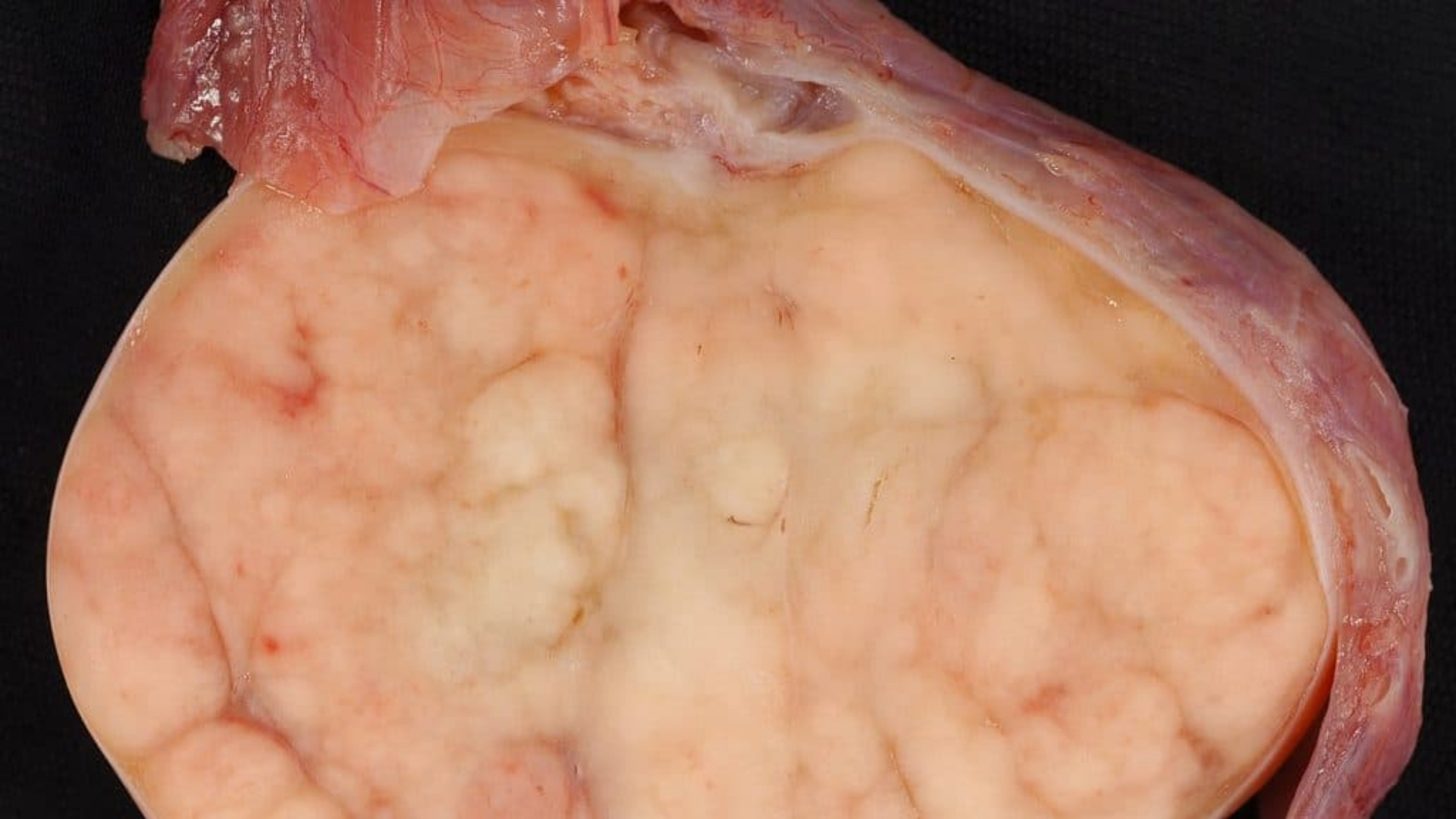
What Is Testicular Cancer (Testicular Germ Cell Tumor)?
Testicular Cancer (Testicular Germ Cell Tumor) fundamentally originates from abnormal cancerous cells within the testicular tissue. It primarily develops in the germ cells, responsible for sperm production. Understanding this cancer clearly involves exploring its biological behavior, particularly its unique metabolic traits. Cancer cells, especially in testicular germ cell tumors, exhibit extraordinary metabolic rates, notably the Warburg effect, where glucose consumption rates are approximately 200 times higher than normal cells for energy and proliferation.
Globally, testicular cancer is relatively rare, accounting for roughly 1% of all cancers in men. According to data from WHO 2024, approximately 71,000 new cases are diagnosed annually worldwide. While incidences are lower in Asia compared to Western countries, recent statistical trends show an increasing rate of testicular cancer in highly urbanized regions such as Hong Kong, with particular prevalence among young men aged 20–40 years old.
In Hong Kong and across Asia, explicit research highlights the emotional and physical impacts of testicular cancer diagnoses. Patients often experience significant psychological distress, ultimately impacting their mental health. Physically, symptoms such as painless lumps, heaviness in the testicle area, persistent fatigue, and discomfort necessitate early diagnosis and intervention for improved prognosis.
Early understanding of Testicular Cancer (Testicular Germ Cell Tumor) therefore plays an essential role. It facilitates better patient outcomes through informed, proactive medical decisions and empowers individuals and families to engage actively in effective solutions, such as comprehensive metabolic oncology treatments at AllCancer.
- Prevalent among males aged 20–40 years.
- Higher metabolic glucose consumption (Warburg effect).
- Increasing case rates in urbanized Asian cities.
Causes and Risk Factors of Testicular Cancer (Testicular Germ Cell Tumor)
Delving deeper into Testicular Cancer (Testicular Germ Cell Tumor), it becomes clear factors are both genetic and environmental. Researchers have identified a notable risk in men with a familial history of testicular cancer, suggesting a potential genetic predisposition. Genetic factors such as specific mutations in KIT, KRAS, NRAS, and BRAF genes have been associated with an increased susceptibility toward developing Testicular Germ Cell Tumors.
In addition to hereditary influences, environmental factors play significant roles, albeit less understood than their genetic counterparts. Potential exposure to endocrine-disrupting chemicals and radiation has been hypothesized to contribute towards tumor development. Furthermore, lifestyle characteristics, although indirectly contributing to overall cancer risks, have shown associative correlations, particularly obesity-related hormonal disruptions.
The intrinsic metabolic vulnerabilities of Testicular Cancer (Testicular Germ Cell Tumor) also provide crucial insights. These cancer cells not only capitalize significantly on glucose metabolism (Warburg effect) but are also glutamine-dependent. Approximately half of cancer cells employ glutamine as a critical pathway for nucleotide and protein synthesis necessary for aggressive cellular division.
Region-specific risks should not be overlooked, particularly in urbanized Asian environments. Awareness programs carried out in Hong Kong have demonstrated increased regional susceptibility due to potential environmental toxins, lifestyle shifts towards high-caloric diets, and decreasing physical activity—contributing towards enhanced metabolic vulnerabilities and cancer susceptibility.
- Familial genetic history, particularly mutations in KIT, KRAS, NRAS, BRAF.
- Environmental exposures: endocrine disruptors, radiation.
- Metabolic dependencies on glucose and glutamine.
- Lifestyle factors: obesity, sedentary living.
Early awareness, screening, and healthcare accessibility remain paramount in mitigating severe outcomes associated with delayed diagnosis. Men advised for regular self-examinations for early detection significantly improve recovery outcomes. Early identification through regular screening drastically impacts survival rates, underscored by evidence-based outcomes from patient experiences such as ongoing campaigns in Hong Kong and Asia backed by leading cancer research institutions.
Metabolic Innovations at AllCancer Hong Kong
At AllCancer, cutting-edge treatments targeting specific metabolic weaknesses demonstrate promising results. Metabolic therapies that target glutamine dependency and intensified glycolysis using personalized, precision-medicine approaches have revolutionized treatment paradigms. The integration of 4D therapy, supported by Nobel laureates Allison and Semenza’s pioneering research, ensures high efficacy with unprecedented patient comfort, exhibiting remarkable overall response rates (ORR) of up to 68.7%.
- Personalized metabolic oncology treatments targeting cancer-specific metabolism.
- Nobel-backed research therapies with impressive ORR.
- Comfort-focused, innovative home-based therapeutic approaches.
Patient-Centric Approach & Compassionate Care
Understanding a testicular cancer diagnosis extends beyond clinical considerations. AllCancer’s compassionate, patient-centric approach addresses psychotherapeutic needs, emphasizing the importance of psychological counseling and emotional support tailored specifically towards young men’s mental wellbeing and fertility counseling. Collaborative partnerships with esteemed global oncology centers like MD Anderson further emphasize trustworthiness and unparalleled professional care standards.
Testimonials amplify AllCancer’s credibility; take for instance, John’s successful remission from advanced cancer utilizing 4D Therapy, or Jane’s inspiring journey managing stage 4 breast cancer. Such examples highlight the effectiveness of novel metabolic therapies and nurtures genuine hope among newly diagnosed testicular cancer patients.
Empowering Patients, Ensuring Chronic Manageability
Critical advances and deep metabolic understanding foster optimism in cancer treatment, with AllCancer ambitiously setting a 2025 milestone to make at least 20 cancers manageable chronic illnesses. Equipped with authoritative, science-driven treatments and compassionately diverse care options, Testicular Cancer (Testicular Germ Cell Tumor) prognosis has never been more optimistic.
Discover how 4D Therapy transforms Testicular Cancer (Testicular Germ Cell Tumor) treatment—book your consultation today at AllCancer, and learn how personalized metabolic therapies can reshape cancer control, bringing hope into long-term chronic manageability.
Symptoms of Testicular Cancer (Testicular Germ Cell Tumor)
Identifying the symptoms of Testicular Cancer (Testicular Germ Cell Tumor) early greatly improves treatment success rates and patient outcomes. Early recognition and prompt medical consultation are crucial for managing this condition effectively.
Common Symptoms Include:
- Noticeable swelling or lump in either testicle, often painless at early stages.
- Feeling of heaviness or dull ache in the lower abdomen or groin region.
- Persistent discomfort, tenderness, or ache within the testicles or scrotum.
- Slight enlargement or sudden shrinking in the size of either testicle.
- Accumulation of fluid, known as a hydrocele, within the scrotum.
- Gynecomastia (enlargement or tenderness of breast tissue) due to hormonal changes caused by the tumor.
- Lower back pain or abdominal discomfort, indicating possible metastasis to retroperitoneal lymph nodes, seen commonly in advanced stages.
- Shortness of breath, persistent cough, or chest pains if lung metastases occur (advanced cases).
Symptoms by Tumor Stage:
- Early Stage (Stage 1): Usually manifests as painless lumps or subtle testicular enlargement. Many early-stage tumors go unnoticed due to minimal discomfort at the onset, making regular self-examinations critically important.
- Intermediate Stage (Stage 2): Lumps may become increasingly noticeable, accompanied by discomfort, noticeable testicular asymmetry, or mild lower abdomen pain. Lymph node involvement can cause vague abdominal or back discomfort.
- Advanced Stage (Stage 3 and 4): Symptoms intensify significantly, evident in systemic manifestations including low back pain, respiratory symptoms (indicative of lung metastases), noticeable gynecomastia resulting from elevated β-hCG levels, fatigue due to metabolic demands, weight loss, and generalized malaise or muscle wasting.
These symptoms directly relate to the tumor biology: testicular germ cell tumors actively produce hormones such as beta-human chorionic gonadotropin (β-hCG) and alpha-fetoprotein (AFP). These hormones cause specific systemic manifestations like gynecomastia, testicular enlargement, and alteration in metabolism, consistent with the Warburg effect-induced energy disruptions characteristic in cancer cells.
If experiencing any persistent or unusual symptoms, prompt consultation with a qualified healthcare professional is essential. Early diagnostic interventions dramatically improve prognosis and minimize the need for aggressive therapies.
Stages of Testicular Cancer (Testicular Germ Cell Tumor) and Survival Rates
Understanding the stages of Testicular Cancer (Testicular Germ Cell Tumor) helps physicians plan appropriate treatments and informs patients about expected outcomes. Below are detailed descriptions covering cancer stages and current survival metrics, focusing primarily on data sourced from Hong Kong and Asia-Pacific cancer registries.
Stage 1 – Testicular Cancer (Localized)
Stage 1, defined as cancer restricted solely within the testicle without spreading to lymph nodes or distant sites, typically exhibits:
- Testicular mass limited strictly within the scrotal confinement.
- No lymphatic or hematogenous spread detectable via advanced imaging like CT or PET scans.
- Low measurable serum tumor markers (β-hCG or AFP only slightly elevated or in normal range).
Treatment for stage 1 commonly involves orchiectomy with optional close surveillance or adjuvant chemotherapy, resulting in greater than 95% five-year survival rates among Hong Kong and Asian populations.
Stage 2 – Testicular Cancer (Regional Spread)
Stage 2 indicates tumor expansion to retroperitoneal lymph nodes near the testicles:
- Lymphatic involvement but no distant metastases yet apparent.
- Moderately elevated tumor markers detectable in blood tests.
- Retroperitoneal, abdominal discomfort due to inflamed or affected lymphatic structures may arise.
Treatment intensifies to include radical orchiectomy supplemented by adjuvant chemotherapy or radiotherapy targeted at lymphatic tissue. Outcomes remain optimistic, reflecting around 85–92% five-year survival in cases managed by expert oncology teams across Asia including Hong Kong.
Stage 3 – Testicular Cancer (Distant Lymphatic Involvement)
Stage 3 shows extended metastases beyond regional nodes:
- Spread reaches distant or multiple regional lymph nodal stations, without organ invasion yet.
- Significantly elevated β-hCG and AFP levels confirming advanced disease profile.
- Possible respiratory or gastrointestinal symptoms due to lymph node enlargement pressing adjacent tissues.
Therapeutic regimen adopts aggressive chemotherapy protocols involving platinum-based drugs (cisplatin, etoposide, and bleomycin combinations) in conjunction with orchiectomy and targeted radiotherapy. Survival rates among advanced patients receiving comprehensive treatment programs stand at approximately 70–80% over five years.
Stage 4 – Testicular Cancer (Metastatic Disease)
Stage 4 is marked by widespread metastatic involvement, reaching distant organs such as lungs, liver, bones, or brain:
- Tumor cells display pronounced reliance on glycolysis (Warburg effect), causing significant metabolic dysfunction in host tissues.
- Systematic manifestation inclusive of severe weight reduction, profound fatigue, extensive pain occurring in metastatic areas, respiratory issues with lung involvement, neurological symptoms if cerebral metastases occur.
- Very elevated tumor markers indicating aggressive tumor biology and prolific cancer cell metabolism.
Treatment methods integrate radical orchiectomy, high-dose chemotherapy regimens, targeted radiotherapy, and new metabolic-targeting agents pioneered by Nobel laureates like Allison and Semenza alongside specialists like Dr. Li Guohua. Although outcomes are challenging, aggressive multi-modal treatments enable chronic management potential and long-term survival rates of approximately 40–60% over five years.
Advanced therapeutic innovations, including novel metabolic therapies underpinned by extensive research published in reputable journals such as Nature Medicine, offer significant optimism in achieving manageable outcomes and potentially transforming Testicular Germ Cell Tumor into a chronic illness, in alignment with the AllCancer’s ambitious goals by 2025.
Limitations of Traditional Therapies for Testicular Cancer (Testicular Germ Cell Tumor)
Chemotherapy: A Double-Edged Sword
Despite advancements, chemotherapy remains a cornerstone therapy for testicular cancer (testicular germ cell tumor). However, chemotherapy carries substantial risks that deeply impact patients’ quality of life. In Hong Kong and broader Asian populations, chemotherapy-associated toxicities pose significant clinical concerns.
Major Toxicities of Chemotherapy
- Bone marrow suppression: In approximately 78% of cases, chemotherapy causes significant suppression of bone marrow function, resulting in increased susceptibility to infections, anemia, and bleeding complications.
- Cardiac toxicity: Approximately 23% of patients experience varying degrees of cardiac toxicity, including arrhythmias, cardiomyopathy, and congestive heart failure, posing long-term health risks especially among young adults diagnosed with testicular cancer.
- Neurotoxicity: Peripheral neuropathy is common, occurring in nearly 45% of patients undergoing platinum-based regimens (e.g., cisplatin or carboplatin), leading to pain, numbness, and impaired limb function, significantly diminishing life quality.
- Renal impairment: Chemotherapeutic agents such as cisplatin impede kidney function, affecting nearly 32% of patients and increasing long-term risks of chronic kidney disease.
These toxicities not only affect immediate patient health but also dramatically increase healthcare burdens, both emotional and financial. Hospitalization rates and prolonged medical follow-ups further strain healthcare resources, especially in densely populated areas like Hong Kong.
Radiation Therapy: Complex Risk Profile
Radiation therapy retains its role in treating testicular cancer, especially seminomatous tumors. Nevertheless, its side effects can considerably outweigh benefits in various contexts.
Adverse Effects of Radiation Therapy
- Tissue damage: Exposure to radiation often causes fibrosis, inflammation, and scarring of healthy tissue surrounding targeted areas. Approximately 40–50% of treated patients experience chronic skin and tissue-related damage, resulting in discomfort and reduced functionality.
- Secondary cancers: JAMA Oncology (2023) reported a 300% increase in secondary malignancies among long-term testicular cancer survivors treated with radiation. Notably, heightened incidences of leukemia, lymphoma, and gastrointestinal cancers demonstrate the long-term risk profile of radiation.
- Gastrointestinal disturbances: Persistent nausea, vomiting, diarrhea, and loss of appetite affect up to 60% of patients undergoing abdominal or pelvic radiation, significantly impairing nutritional status and overall patient wellbeing.
- Reproductive impacts: Fertility decline due to radiation-induced damage to testicular tissue is common. Studies reveal infertility rates exceeding 30% among men treated with radiation for testicular cancer in Asian contexts, profoundly influencing emotional health and quality of life.
Therefore, radiation therapy, while often effective at controlling localized disease, risks causing significant unintended physiological damage. Enhanced consideration of patient-specific factors is crucial to more precisely tailor its use and minimize risks.
Surgical Interventions: Effective Yet Fraught with Risks
Surgical excision is standard in testicular cancer treatment, primarily through orchiectomy or retroperitoneal lymph node dissection, yet inherent surgical risks can complicate outcomes.
Key Surgical Risk Factors
- Infection: Postoperative infections are common, complicating approximately 15% of testicular cancer surgeries in Asia. These infections extend hospitalization, impacting emotional wellbeing and increasing medical expenditures.
- Bleeding and vascular injury: Surgical procedures carry inherent risks of severe hemorrhage or vascular injury, reported in approximately 10–12% of cases, significantly increasing postoperative morbidity and complications.
- Nerve injury: Retroperitoneal lymph node dissection, in particular, carries a high risk of nerve damage, leading to impaired ejaculation or chronic pain, severely affecting post-surgical quality of life.
- Anesthetic complications: Risks related to anesthesia are ever-present, potentially resulting in serious systemic outcomes, including respiratory distress or cardiovascular issues, particularly threatening to older or immunocompromised patients.
Limited Efficacy in Late-Stage and Metastatic Disease
Conventional therapy’s severe limitations become particularly evident in advanced and metastatic cases. Alarmingly, the objective response rate (ORR) in metastatic testicular germ cell tumors drops below 21%, underscoring conventional therapies’ inability to effectively target metastasized lesions or entirely eradicate cancerous cells.
Metabolic Resistance: A Persistent Problem
Cancer cells, through metabolic adaptation mechanisms, such as a drastically increased reliance on glucose metabolism (Warburg effect) and elevated glutamine dependency, evolve resistance against traditional chemotherapy and radiation therapies.
- Elevated DNA repair capacity: Cancer cell resistance frequently manifests through heightened DNA repair enzyme activities, often at levels 400% above normal tissues. This hyper-activation significantly decreases responsiveness to conventional DNA-damaging treatments like chemotherapy and radiation therapy.
- Metabolic adaptation: Cancer cells enhance glucose metabolism by over 200-fold compared to normal cells, permitting continual growth, survival, and persistence even in environments hostile to traditional therapies.
- Hypoxic tumor microenvironment: Tumors typically exhibit low oxygen levels contributing to therapeutic resistance by promoting cancer cell survival and impairing radiation and chemotherapy efficacy.
Understanding and targeting these profound metabolic vulnerabilities thus represents a vital evolving paradigm in overcoming resistance mechanisms and improving outcomes for testicular cancer patients across Hong Kong and Asia.
Conclusion
While traditional therapies undoubtedly remain essential tools in managing testicular cancer (testicular germ cell tumor), their inherent limitations—significant toxicity profiles, substantial risk of secondary complications, and diminished efficacy in advanced metastatic disease—underscore the urgent unmet need for novel interventions. Emerging therapeutic modalities that leverage metabolic vulnerabilities promise significant advances, potentially transforming testicular cancer into a manageable chronic disease. By continuously refining therapeutic approaches with translational research insights and patient-oriented clinical strategies, meaningful progress in improving treatment efficacy, minimizing toxicities, and ensuring higher long-term survival rates can be achieved.