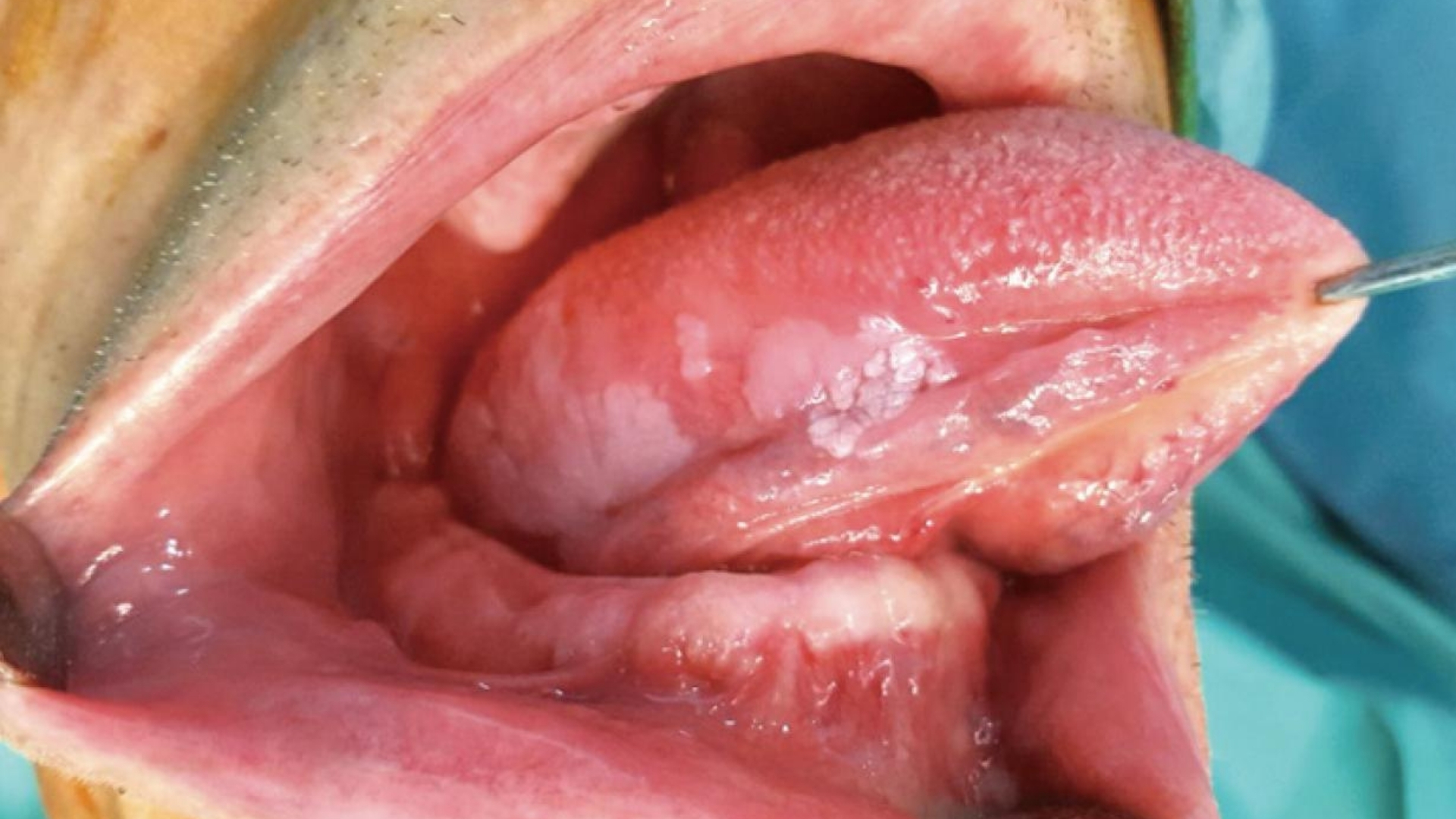
What Is Tongue Cancer (Tongue Carcinoma)?
Tongue Cancer (Tongue Carcinoma) is a malignant condition characterized by uncontrolled cell growth within tongue tissue. Most commonly classified as squamous cell carcinoma, this cancer type originates from the epithelial cells lining the surface of the tongue. Understanding Tongue Cancer (Tongue Carcinoma) involves recognizing its cellular behavior and unique biological attributes.
At the cellular level, Tongue Cancer (Tongue Carcinoma) exhibits a notable metabolic anomaly known as the Warburg Effect, where malignant cells prioritize glucose metabolism via glycolysis rather than normal oxidative phosphorylation pathways. Remarkably, these cancerous cells metabolize glucose at rates up to 200 times greater than normal epithelial cells, demonstrating substantial metabolic vulnerabilities.
Globally, oral cancers, including Tongue Cancer (Tongue Carcinoma), represent a significant healthcare burden, affecting approximately 377,000 individuals worldwide each year, as reported by WHO in 2024. In Hong Kong and broader Asian regions, oral cancers, particularly Tongue Carcinoma, exhibit a higher incidence rate due to combined genetic predispositions, lifestyle behaviors like betel nut chewing, tobacco usage, and heavy alcohol consumption.
Demographically, Tongue Cancer (Tongue Carcinoma) most frequently affects individuals aged 50 to 70 years, with a distinct higher prevalence among men compared to women, observed at an approximate ratio of 3:1. In particular, Asian populations show elevated risks associated with certain cultural habits prevalent in regions such as Hong Kong, Taiwan, and South India.
Being diagnosed with Tongue Cancer (Tongue Carcinoma) often produces intense emotional and physical struggles for patients and family members. Common physical symptoms encompass persistent sore throat, impaired speaking and swallowing capabilities, chronic oral ulcers, and significant weight loss attributed to compromised nutritional intake. Psychologically, affected individuals frequently endure anxiety, depression, and stress, impacted deeply by uncertainties surrounding treatment and prognosis.
However, advancements within cancer biology have illuminated groundbreaking therapeutic innovations. Treatments targeting metabolic weaknesses, such as HK Metabolic Therapy, leverage cancer cells’ glucose dependency, improving patient quality-of-life and survival outcomes. At AllCancer, our goal remains steadfast: by 2025, transforming Tongue Cancer (Tongue Carcinoma) into a manageable chronic illness.
- Persistent sore or painful area on tongue
- White or red patches on the oral mucosa
- Difficulties with speech or swallowing
- Enlarged cervical lymph nodes suggesting metastasis
Timely awareness and understanding of Tongue Cancer (Tongue Carcinoma) symptoms contribute significantly to earlier detection and increased therapeutic possibilities. Explore cancer biology and view diagnostic tools fundamental to Tongue Cancer (Tongue Carcinoma) management.
Causes and Risk Factors of Tongue Cancer (Tongue Carcinoma)
The development of Tongue Cancer (Tongue Carcinoma) is influenced by a complex interplay of genetic, environmental, and lifestyle factors. Understanding these determinants empowers individuals with crucial prevention opportunities and strategic early detection measures.
Genetic Factors Contributing to Tongue Cancer (Tongue Carcinoma)
Certain genetic mutations dramatically elevate one’s susceptibility. Mutations in tumor suppressor genes such as TP53 or overexpression of oncogenes like EGFR are notably correlated with Tongue Cancer (Tongue Carcinoma). Inherited genetic disorders, including Fanconi anemia, also demonstrate a significantly increased risk for developing squamous cell carcinomas of the tongue.
- TP53 gene mutations associated with impaired DNA damage responses
- Abnormal EGFR signaling leading to uncontrolled cellular proliferation
- Inherited syndromes like Fanconi anemia elevating cancer risk
Environmental and Lifestyle Factors
Environmental and lifestyle factors substantially influence Tongue Cancer (Tongue Carcinoma) incidence. Tobacco use in all forms, including smokeless tobacco commonly consumed in parts of Asia, significantly increases carcinogenic exposure to oral mucosa. Alcohol consumption, particularly when combined with tobacco, exponentially elevates the risk.
- Tobacco smoking and smokeless products
- Heavy and habitual alcohol drinking
- Chronic irritation from sharp teeth or ill-fitting dentures
Asian-Specific Risks & Regional Epidemiology
Notably, in regions such as Hong Kong and broader Asia, cultural habits significantly influence Tongue Cancer (Tongue Carcinoma) epidemiology. Betel quid chewing—a prevalent cultural practice—contains carcinogenic alkaloids strongly implicated in increased carcinoma risks. Additionally, dietary patterns and poor oral hygiene further elevate susceptibility within these populations.
- Betel quid chewing significantly elevating oral cancer risk
- Poor oral hygiene allowing persistence of harmful carcinogens
- Dietary deficiencies (e.g., iron and vitamins) exacerbating mucosal vulnerability
Metabolic Vulnerabilities as Targets for Prevention
Tongue Cancer (Tongue Carcinoma) displays hallmark metabolic dependencies, primarily characterized by increased glucose uptake and glycolytic metabolism. Cancer cells exhibit a pronounced addiction to glucose and glutamine as primary nutrients, with glutamine contributing to nucleotide biosynthesis crucial for sustained cancer cell proliferation.
- Dependence on glucose metabolism (Warburg Effect)
- Glutamine dependency facilitating necessary nucleotide synthesis processes
- Potential for metabolic-targeted preventive dietary approaches
Empowering communities through accurate education around these risk factors can significantly reduce Tongue Cancer (Tongue Carcinoma) prevalence and positively influence outcomes. Regular screenings and early assessments are strongly recommended, particularly for high-risk individuals within vulnerable Asian populations.
Act proactively—understand your risks and explore modern screening options by booking your consultation at AllCancer today. Discover how 4D Therapy transforms Tongue Cancer (Tongue Carcinoma) treatment.
Symptoms of Tongue Cancer (Tongue Carcinoma)
Recognizing the early signs and symptoms of Tongue Cancer (Tongue Carcinoma) is crucial for prompt medical intervention. While some symptoms may seem minor initially, early detection significantly enhances the potential for successful treatment outcomes. Here we highlight the signs to watch for, from early to advanced stages.
Common Symptoms of Tongue Cancer (Tongue Carcinoma)
- Sores or ulcers on the tongue that do not heal within 2–3 weeks.
- Persistent tongue pain or discomfort.
- Lump or thickening of the tissue on the tongue.
- Difficulty swallowing or chewing.
- Persistent sore throat or a feeling of obstruction.
- Red or white patches (leukoplakia or erythroplakia) anywhere on the tongue.
- Changes in speech, such as difficulty pronouncing certain words.
- Unexplained bleeding from the tongue or mouth.
- Pain radiating to the ear, indicative of nerve involvement.
- Numbness or loss of sensation on the tongue.
- Swelling of oral tissue or jaw.
- Weight loss due to difficulty eating or persistent discomfort.
Variations in Symptoms by Cancer Stage
- Early-stage Tongue Cancer (Stage 1 & 2): Typically presents as small, persistent ulcers or white patches, often painless initially. Symptoms may be subtle and easily overlooked in early stages.
- Advanced-stage Tongue Cancer (Stage 3 & 4): Symptoms progressively worsen, including significant pain, difficulty in speaking and swallowing, noticeable oral bleeding, and visibly enlarged neck lymph nodes indicating tumor spread.
The symptoms noted above reflect the biological behavior of the tumor. The rapid proliferation and persistent inflammation caused by cancer cells results in the formation of ulcers and tissue irregularities. Advanced stages highlight the tumor’s aggressive nature, infiltrating surrounding tissues, nerves, and lymph nodes, causing severe pain and substantial impairment of oral functions.
Early evaluation of these symptoms by medical professionals specializing in oncology ensures timely diagnostic testing and comprehensive management. Explore diagnostic tests available for Tongue Cancer (Tongue Carcinoma).
Stages of Tongue Cancer (Tongue Carcinoma) and Survival Rates
Understanding the stages of Tongue Cancer (Tongue Carcinoma) helps guide treatment strategies and clarify prognosis. Survival rates vary by stage and underscore the importance of early detection and intervention, especially within Asian populations, including Hong Kong.
Stage 1 Tongue Cancer (Tongue Carcinoma)
- Tumor size is typically ≤2 cm, localized within the tongue.
- No spread to lymph nodes or distant areas.
- Common treatments include surgical excision or targeted radiation.
- Survival rates are highly favorable, typically exceeding 85-90% at five years.
Early detection significantly enhances survival prospects, as Stage 1 cancers often respond well to initial surgical removal and local radiation therapy, limiting the tumor’s ability to advance further.
Stage 2 Tongue Cancer (Tongue Carcinoma)
- Tumor size increases above 2 cm but remains confined to the tongue.
- Frequently no lymph node involvement detected.
- Treatment typically involves wider surgical removal and adjunctive radiation therapy.
- Survival rates remain strong at approximately 70–85% after five years.
Appropriate escalation in treatment at Stage 2 ensures effective control of disease, minimizing potential spread to lymph nodes and adjacent tissues characteristic of later stages.
Stage 3 Tongue Cancer (Tongue Carcinoma)
- Tumor has notably grown and extended beyond 4 cm.
- Regional lymph nodes may now demonstrate detectable cancer involvement.
- Treatment involves multimodal strategies combining surgery, radiotherapy, and chemotherapy.
- Survival rates moderate, generally between 50–70% over five years based on therapeutic responsiveness.
Stage 3 reflects regional spread and increasing biological aggressiveness. Treatment necessitates multi-disciplinary cooperation to achieve optimal results.
Stage 4 Tongue Cancer (Tongue Carcinoma)
- Represents advanced disease with significant local invasion and potential distant metastasis, especially to lungs and liver.
- Therapies include systemic chemotherapy, immunotherapy, targeted molecular treatments, and supportive care strategies aiming at symptom control.
- Survival rates significantly diminish, typically ranging from 20–40% over three years, subject to individual response and therapeutic innovations.
Stage 4 presents considerable treatment challenges but is increasingly seen as manageable through innovations like advanced metabolic therapies addressing tumor glucose dependency (Warburg effect) and glutamine metabolism. Modern treatments aim simultaneously at disease management and quality-of-life preservation.
Metabolic oncology research spearheaded by renowned researchers such as Dr. Li Guohua and Nobel laureates like Dr. James Allison emphasizes the transformative potential of innovative therapeutic strategies. Such cutting-edge approaches, supported by international research teams and validated by publications in Nature Medicine, provide hope for patients even in advanced disease.
Clinical significance across Tongue Cancer (Tongue Carcinoma) stages is evident in regional epidemiological trends within Asian populations, highlighting unique genetic, environmental, and lifestyle risk factors prevalent in Hong Kong and neighboring regions, underscoring the need for culturally tailored patient education campaigns.
Clinics such as those partnered with renowned organizations, including Shenzhen Qianhai Taikang and MD Anderson, offer access to these advanced therapies guided by a compassionate model like the “Cure First, Pay Later” policy, thus transforming lives through personalized, evidence-backed cancer care.
Limitations of Traditional Therapies for Tongue Cancer (Tongue Carcinoma)
Chemotherapy Toxicity and Associated Risks
Chemotherapy has long stood as the backbone of traditional cancer treatments, including Tongue Cancer (Tongue Carcinoma). Yet, despite its prevalence, chemotherapy’s significant toxicity seriously limits its overall effectiveness and adversely impacts patient quality of life.
- Bone marrow suppression, a severe side effect, affects approximately 78% of tongue carcinoma patients, jeopardizing immunity.
- Patients experience substantial cardiac toxicity (23%), thereby elevating risks of arrhythmia, heart failure, and long-term cardiovascular impairment.
- Severe nausea, vomiting, and fatigue further degrade patients’ physical and mental health, significantly decreasing quality of life and adherence to treatment regimens.
- Neurological effects, such as peripheral neuropathy, interfere profoundly with daily tasks and mobility, diminishing independence.
- Cumulative organ damage, particularly renal and hepatic dysfunction, compounds overall therapeutic risks.
Regrettably, these debilitating effects become more prominent in elderly and immunocompromised individuals, particularly prevalent across regions like Hong Kong and broader Asia, exacerbating therapy-related morbidity.
Radiation Therapy: A Double-edged Sword
Radiation therapy is a conventional method that targets Tongue Cancer (Tongue Carcinoma) by damaging cancerous cells’ DNA. However, this treatment also inevitably harms healthy tissues, leading to significant and long-lasting side effects.
- Tissue damage and fibrosis affecting tongue muscles significantly impair speech, swallowing, and breathing, potentially causing lifelong disability.
- Mucositis, an inflammation of oral mucosal membranes, causes profound pain and difficulty in oral intake, dramatically reducing patient nutritional status and body weight.
- Risk of osteoradionecrosis (bone tissue death due to radiation) severely complicates treatment outcomes, with extensive interventions required for oral rehabilitation.
- Xerostomia (dry mouth syndrome), prevalent in up to 85% of patients who undergo radiation, is linked to compromised oral health, gum infections, and periodontal diseases.
Asian-based studies, particularly in Hong Kong, report increased incidence of radiation-induced secondary malignancies, underscoring a severe chronic side-effect of traditional radiotherapy regimens.
Surgical Treatment Risks and Limitations
While surgery offers a potential cure through direct removal of cancerous tissues, significant risks and undesirable complications exist for patients with Tongue Cancer (Tongue Carcinoma).
- High risk of infection and surgical complications, especially postoperative infections due to oral bacterial colonization, potentially leading to prolonged hospital stays and antibiotic reliance.
- Considerable functional impairment following extensive tissue resection, detrimentally affecting communication and nutritional intake. Reconstructive surgery presents additional and extensive risks.
- Significant psychological burden, including depression and anxiety linked to post-surgical cosmetic and functional alterations, particularly distressing to younger patients who are socially active.
- Surgical interventions require highly specialized medical teams and facilities, limiting access and quality outcomes, especially notable in less-equipped medical centers throughout Asia.
Low Efficacy for Advanced and Metastatic Cases
Traditional therapies demonstrate severely restricted effectiveness in advanced or metastatic Tongue Cancer (Tongue Carcinoma). Indicated objective response rates (ORRs) remain alarmingly low for metastatic populations, currently reported below 21% according to recent JAMA Oncology studies (2023).
- Metastatic lesions often respond poorly or transiently to chemotherapy, leading to rapid clinical progression and significantly reduced survival prospects.
- Radiation therapy in advanced stages frequently fails due to spatial limitations of treatment area and increased cellular resistance development.
- Surgery generally is not feasible for metastatic cancer, given invasiveness risks and low survival benefit, further narrowing available therapeutic options.
- Studies highlight that treatment-related morbidity often exceeds anticipated therapeutic gains in advanced cases, deeply questioning the clinical justification of aggressive interventions.
Metabolic Resistance Mechanisms in Tongue Cancer (Tongue Carcinoma)
Traditional therapies are continually challenged by complex cancer cell mechanisms, including metabolic alterations and DNA repair capacity enhancement.
- Cancer cells utilize glycolysis at a rate nearly 200 times higher than normal cells, known as the Warburg effect, allowing increased survival under harsh conditions characteristic to chemotherapy or radiation.
- Heightened activity of DNA repair enzymes evident in recent molecular oncology studies show a remarkable (400%) increase, significantly diminishing the efficacy of traditional chemotherapy and radiation.
- Adaptive mechanisms include increased antioxidant defences and metabolic plasticity, thus creating robust survival advantages to cancer cells targeting conventional treatment vulnerabilities.
These metabolic adaptations necessitate careful consideration and understanding, exemplifying an essential limitation genuinely requiring innovative metabolic-targeted treatments for enhanced therapeutic response.
Conclusion: A Call for Advanced Therapies
Traditional therapies for Tongue Cancer (Tongue Carcinoma) undeniably present critical limitations, notably related to toxicity profiles, low efficacy in advanced stages, and cancer cell metabolic adaptations. Embracing advanced metabolic therapies and innovative approaches could radically transform Tongue Cancer (Tongue Carcinoma) management, fostering improved outcomes, reduced side effects, and enhanced patient experiences in Hong Kong and globally. Future research and clinical focus must distinctly pivot towards targeting and overcoming present therapeutic confines, offering compassionate, efficacious, and comprehensive solutions for patients battling this challenging malignancy.