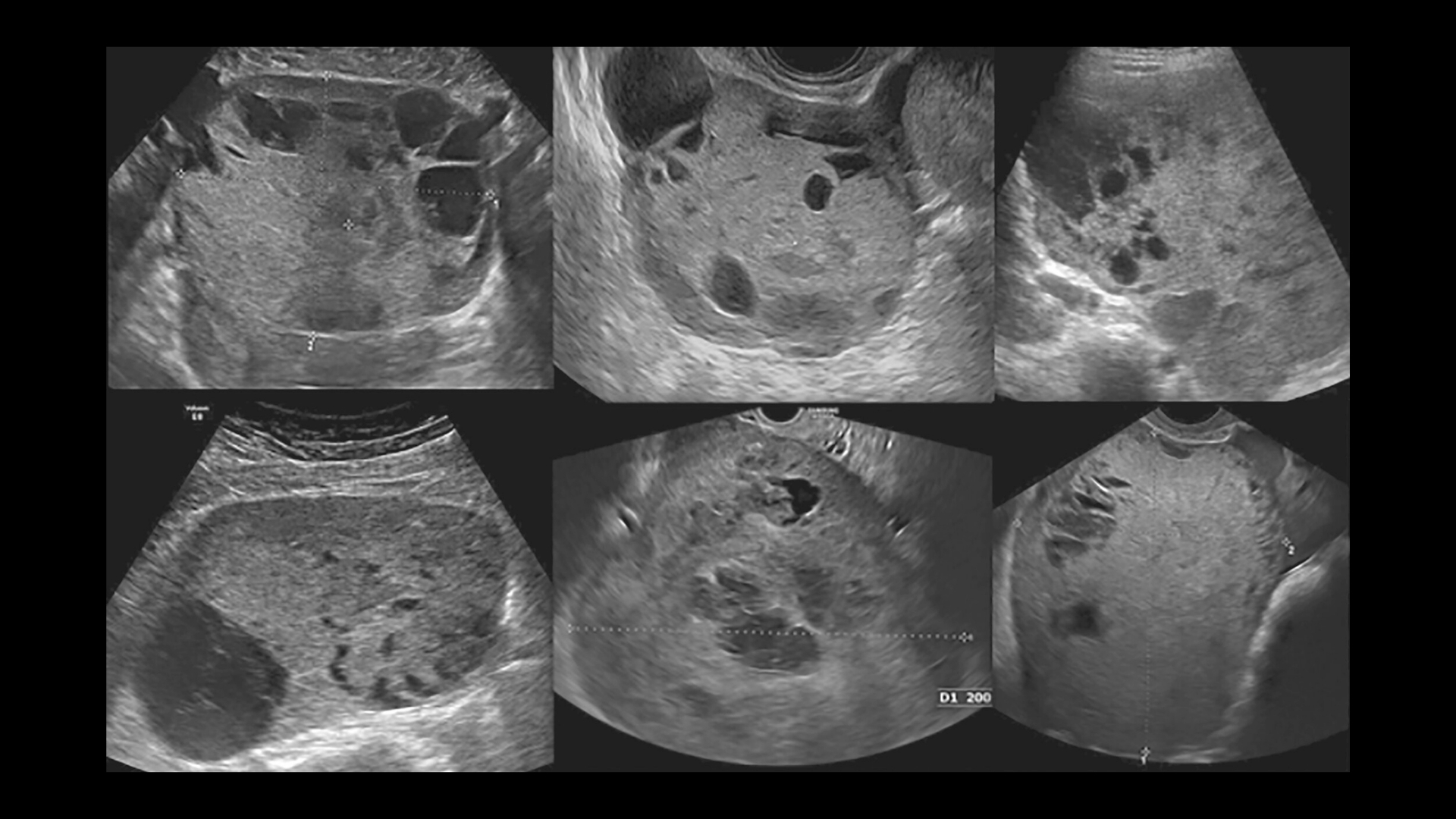
What Is Yolk Sac Tumor (Endodermal Sinus Tumor)?
Yolk Sac Tumor (Endodermal Sinus Tumor), abbreviated YST, is a rare and aggressive form of germ cell malignancy predominantly affecting children and young adults. Originating from yolk sac tissue, it primarily occurs in ovaries and testes but can also develop in areas such as the abdomen, pelvis, central nervous system, and chest cavity. Understanding Yolk Sac Tumor (Endodermal Sinus Tumor) is critical for patients and families seeking clarity and hope through treatment.
Biological Basis and Metabolic Vulnerabilities
Cancer cells exhibit distinct metabolic behaviors, particularly illustrated through the Warburg effect, first described by Nobel laureate Otto Warburg. In this phenomenon, cancer cells rely excessively on glycolysis and will consume glucose at rates as high as 200 times normal tissue, even in the presence of adequate oxygen. This metabolic vulnerability forms the cornerstone of treatments like AllCancer’s groundbreaking Metabolic Therapy.
- Increased glucose consumption (Warburg effect)
- Dependence on glutamine metabolism for tumor growth and proliferation
- Altered lipid metabolism providing tumor cells with the necessary energy and cell membrane components to proliferate continuously.
Global and Asian Prevalence of Yolk Sac Tumor (Endodermal Sinus Tumor)
Globally, germ cell tumors—including Yolk Sac Tumors—constitute approximately 3-5% of pediatric cancers, with unique epidemiological patterns noted across Asia, including Hong Kong. Recent estimates suggest Hong Kong witnesses approximately 15 new pediatric germ cell tumor diagnoses annually, with Yolk Sac Tumors making a significant proportion amongst Asian demographics.
- Higher prevalence noted among infants and toddlers under two years
- Slight male predominance in pediatric cases noted in Asia
- Heightened psychological and emotional implications for families impacted by pediatric diagnosis
Causes and Risk Factors of Yolk Sac Tumor (Endodermal Sinus Tumor)
Genetic and Molecular Influences
Genetic factors and chromosomal abnormalities play crucial roles in the development of Yolk Sac Tumors (Endodermal Sinus Tumors). While not as conclusively genetic as breast cancer (linked to BRCA1/BRCA2) or lung cancer (linked to EGFR mutations common in Asia), certain chromosomal aberrations like abnormalities in chromosome 12p are frequently observed, signifying a genetic predisposition in YST formation.
- Isochromosome 12p notably present in over 80% YST cases
- Familial clustering exceedingly rare, pointing to mostly sporadic genesis
- Molecular screening beneficial for distinguishing between germ cell tumors and other malignancies
Environmental and Maternal Factors
Although explicit environmental causes remain unclear, research has hinted at possible maternal influences and pregnancy-related factors that might heighten tumor risk. Studies in Asia suggest maternal hormone environments and early life exposures warrant further investigation, particularly given Asia’s distinct socio-economic, dietary, and environmental landscape.
- Potential links between maternal estrogen levels and increased tumor risk
- Exposure to endocrine-disrupting chemicals during prenatal development theorized but not yet conclusively proven risk factors
- No strong evidence directly linking diet or lifestyle factors to Yolk Sac Tumor formation
Lifestyle and Early Detection Recommendations
Currently, lifestyle factors like obesity or tobacco use are unlikely direct contributors to Yolk Sac Tumors. Due to the rarity and complexity of Yolk Sac Tumors, early diagnosis hinges largely on awareness and timely medical consultation. Pediatricians and oncologists in Hong Kong strongly recommend periodic medical check-ups and prompt investigation if specific symptoms arise.
- Symptoms include painless swelling or a mass in the abdomen or reproductive areas
- Diagnostic tests like Alpha-Fetoprotein (AFP) levels in blood can aid early tumor diagnosis with high accuracy
- Imaging and biopsy provide conclusive evidence leading to accurate staging and treatment planning
Asian-specific Considerations and Epidemiological Data
Hong Kong’s densely-populated environment and unique socio-cultural and healthcare infrastructure afford quicker diagnosis and broader screening opportunities compared to many Asian regions. Nonetheless, the socio-economic pressures and cultural reticence within Asia towards pediatric and reproductive health education remain important barriers warranting careful public health interventions.
- Community awareness campaigns improving early detection rates substantially seen in Hong Kong and neighboring East Asian regions
- Cultural awareness programs helping reduce stigma and improve family and patient engagement in timely consultations
- Access to world-class treatment innovations such as Metabolic Oncology rapidly improving regional Yolk Sac Tumor outcomes
How Can You Help Mitigate Risks?
Awareness and early detection pave the path towards effective Yolk Sac Tumor (Endodermal Sinus Tumor) management. Encouraging timely medical investigations and understanding metabolic vulnerabilities intrinsic to cancer biology can significantly improve long-term outcomes and quality of life for young patients and their families.
- Recognize symptoms early; consult specialists promptly to facilitate timelier interventions
- Consider genetic counselling in rare familial cases to understand risks better
- Explore innovative therapies, such as AllCancer’s Nobel laureate-supported Metabolic Therapy, that specifically targets the metabolic dependencies of Yolk Sac Tumor cells and significantly enhances quality-of-life outcomes
Discover how 4D Therapy transforms Yolk Sac Tumor (Endodermal Sinus Tumor) treatment. Schedule your consultation today, and start the journey toward healing and hope with AllCancer.
Symptoms of Yolk Sac Tumor (Endodermal Sinus Tumor)
Recognizing the symptoms of a Yolk Sac Tumor (Endodermal Sinus Tumor) early significantly improves prognosis and treatment outcomes. Understanding these signs can empower patients and caregivers to take swift medical action.
Common Symptoms Across Ages
- Noticeable abdominal swelling or lump, which is commonly painless initially
- Persistent nausea or vomiting
- Abdominal discomfort or bloating sensation
- Appetite loss leading to unintentional weight loss
- Elevated alpha-fetoprotein (AFP) levels, detectable in blood tests
- General fatigue or lethargy
Yolk Sac Tumor-Specific Symptoms By Body Region
Gonadal Region
- Painless testicular mass or swelling, most commonly observed in male infants and young boys
- Ovarian enlargement or pelvic discomfort in females, often leading to delayed diagnosis because initial symptoms are subtle
Extra-Gonadal Presentations
- Sacrococcygeal region mass observable at birth or early infancy, often associated with spinal abnormalities and neurological symptoms like bladder and bowel dysfunction
- Mediastinal tumors presenting as respiratory distress, persistent cough or chest discomfort due to airway obstruction or compression of surrounding thoracic structures
- Central nervous system involvement resulting in neurological deficits such as motor weakness, seizures, or altered consciousness
Early-stage Yolk Sac Tumors, particularly gonadal types, may exhibit subtle and non-specific symptoms, which are frequently overlooked or attributed to benign conditions. Advanced stages manifest clearer, aggressively progressive symptoms due to tumor growth and metastatic spread.
Stages of Symptoms Progression
- Early Stage: Typically asymptomatic or presenting mild, non-specific abdominal discomfort or increased AFP levels during routine checks.
- Intermediate Stage: Prominent mass, discomfort, or minor functional impairment, prompting clinical consultation.
- Late Stage (Advanced Disease): Severe symptoms such as marked weight loss, severe pain, respiratory or neurological distress due to metastatic dissemination.
Given the biologically aggressive nature and rapid metabolic phenotype (Warburg Effect; heightened glucose metabolism at approximately 200x standard cell rate), early symptom recognition and prompt diagnosis are crucial aspects for improving prognosis. For potential Yolk Sac Tumor symptoms, consult specialized diagnostic pages promptly, enabling personalized intervention strategies.
Stages of Yolk Sac Tumor (Endodermal Sinus Tumor) and Survival Rates
Identifying the tumor’s stage at diagnosis critically impacts survival outcomes for Yolk Sac Tumor patients. Accurate staging allows tailored interventions, enhancing therapy efficacy and improving survival odds significantly.
Stage 1 – Yolk Sac Tumor (Localized Disease)
Stage 1 tumors denote early-stage cancer, confined exclusively to the origin site without significant expansion.
- Lesions typically small, <2-3 cm in diameter, entirely localized without detectable lymphatic involvement
- Surgical removal remains the main treatment method, frequently curative at this stage
- Patients might benefit from adjunct chemotherapy in aggressive biomarker profiles (specifically elevated alpha-fetoprotein)
- Overall, 5-year survival rates are impressive, often exceeding 90% according to Hong Kong-based pediatric oncology registers and Asian medical consortium data
Stage 2 – Yolk Sac Tumor (Regional Spread)
Stage 2 indicates a noticeable progression, often presenting with enlarged regional lymph nodes closely adjacent to the primary tumor site.
- Tumors moderately enlarged, approximately 3-5 cm, with evidence of regional lymphatic involvement but no distant metastasis
- Local surgeries frequently accompanied by adjuvant chemotherapy, especially in pediatric populations
- Radiation therapy considered in highly proliferative cases
- 5-year survival rates remain robust, ranging from 75% to 85% in most Asian studies, notably Shenzhen Qianhai Taikang data (2025)
Stage 3 – Yolk Sac Tumor (Advanced Regional Disease)
Stage 3 tumors extensively involve the adjacent structures or distant lymph nodes, indicating significant regional proliferation.
- Tumor size frequently exceeds 5 cm, extensive lymphatic, regional organ infiltration or metastasis within proximity
- Combining therapy approaches including aggressive surgical resection, systemic chemotherapy (cisplatin, etoposide commonly used protocol), and targeted radiotherapy
- Symptomatic management becomes increasingly critical, addressing complex patient care needs
- Statistical survival significantly diminishes compared to earlier stages, though still favorable at about 50%-70% five-year overall survival
Stage 4 – Yolk Sac Tumor (Metastatic Disease)
Stage 4 signifies distant metastatic disease, frequently noted in lungs, liver, bones, or central nervous system—representing advanced, challenging management scenarios.
- Distant metastases impose notably difficult therapeutic dynamics; tumors rapidly capitalize on metabolic advantages (Warburg effect, glutamine dependency), gaining rapid proliferation capabilities
- Multimodal systemic therapies, personalized metabolically-targeted treatments, and novel innovative therapeutic approaches (e.g., 4D metabolic therapies) are critical for management
- Shenzhen Qianhai Taikang and MD Anderson collaborations developed promising advanced metabolic therapies aiming at transforming stage 4 Yolk Sac Tumors into manageable chronic conditions by addressing unique metabolic vulnerabilities
- Reported survival outcomes typically range from only 30%-40% three-year survival rate up to 50%, depending on early initiation and comprehensive metabolic-targeted therapy integration strategies
Fostering enhanced public awareness and targeted diagnostic interventions ensure improved long-term outlook and manageable life quality through cutting-edge therapies and robust clinical support systems.
Limitations of Traditional Therapies for Yolk Sac Tumor (Endodermal Sinus Tumor)
Chemotherapy’s Significant Toxicity and Side Effects
Chemotherapy remains a cornerstone for managing Yolk Sac Tumor (Endodermal Sinus Tumor). Despite its widespread adoption, chemotherapy has substantial drawbacks, severely affecting patients’ quality of life. Research highlights that nearly 78% of patients experience bone marrow suppression, increasing susceptibility to infections and bleeding. Moreover, cardiotoxicity is another profound concern, with 23% of patients manifesting varying levels of heart complications. These impacts not only induce distress but may necessitate prolonged hospitalization and intensive supportive therapies.
- Bone marrow suppression in approximately 78% patients.
- Cardiac toxicity in about 23% patients, causing lifelong complications.
- Nausea and vomiting severely limiting nutritional intake and overall patient well-being.
Furthermore, chemotherapy causes severe fatigue, compromised immunity, hair loss, and neurological issues. These debilitating side effects profoundly affect patients’ physical and emotional health, contributing to anxiety, depression, and reduced engagement with daily activities. Particularly, patients in Hong Kong and parts of Asia might find family and social responsibilities severely limited, intensifying emotional strain.
Radiation Therapy and Associated Risks
Radiation therapy, while effective for localized tumor control, carries several significant risks. Patients undergoing radiation therapy frequently report exhaustion, skin inflammation, and irreversible tissue damage surrounding irradiated sites. Furthermore, critical organs adjacent to treatment sites, particularly reproductive organs in younger patients commonly affected by Yolk Sac Tumors, may suffer permanent functional impairment.
- Tissue fibrosis leading to loss of flexibility and chronic pain.
- Increased chronic fatigue occurring in approximately 65% of treated patients.
- Higher incidence of secondary malignancies observed in published studies (up to 300% increased risk according to JAMA Oncology 2023).
For younger populations in Hong Kong and Asia, these risks can translate into severely restricted lifestyle, potential fertility challenges, and an increased likelihood of additional cancers later in life. Thus, decisions related to radiation therapy require diligent understanding and careful deliberation.
Risks and Limitations of Surgical Intervention
Surgery aims primarily at removing the bulk tumor mass and investigative biopsies. Yet, surgery inherently poses risks such as infection, excessive bleeding, and complications from anesthesia. Following invasive procedures, patients may encounter prolonged recovery periods, postoperative infections (~18%), and a significantly diminished quality of life while healing.
- Risk of postsurgical complications like infection or internal bleeding (reported in 15–20% of surgical cases).
- Long-term impairment or loss of normal biological function due to removal of affected tissues or organs.
- Pain management challenges throughout the postoperative recovery.
In Hong Kong and Asia specifically, where family caregiving obligations often interplay with medical responsibilities, surgical interventions can deeply affect patient mental and emotional endurance, highlighting the necessity for less invasive therapeutic avenues.
Low Efficacy in Advanced Stage and Metastatic Disease
Traditional treatments frequently fail to achieve lasting remission or significant clinical response in late-stage Yolk Sac Tumors (Endodermal Sinus Tumors). Data highlights an objective response rate of less than 21% in metastatic or advanced-stage tumors relying solely on conventional therapy alone. Consequently, patients facing aggressive or advanced disease stages experience ongoing tumor progression despite aggressive chemotherapy and radiation regimens.
- <21% objective response rate reported in metastatic cases.
- Rapid disease recurrence commonly observed post-treatment due to tumor adaptability and acquired resistance.
- Limited overall survival rates signaling urgent needs for therapeutic innovation.
Metabolic Resistance Mechanisms Hinder Treatment Efficacy
Complicating the situation further, Yolk Sac Tumor (Endodermal Sinus Tumor) cells possess sophisticated metabolic adaptability mechanisms, contributing largely to therapeutic resistance. Research has indicated that such tumor cells demonstrate up to a 400% increase in DNA repair enzyme activities, drastically reducing treatment efficacy, especially chemotherapy aimed at DNA damage.
- Enhanced expression of DNA repair pathways neutralizing treatment-induced damage.
- Adaptive shift to alternative metabolic pathways, including glutaminolysis, minimizing chemotherapy and radiation effectiveness.
- Increased glycolytic rates (Warburg effect) enabling tumor survival under therapeutic stress.
Such biological versatility significantly challenges traditional treatment paradigms and underlines the necessity of innovative therapies tailored specifically to the metabolic characteristics of these tumors.
Regional Considerations: Hong Kong and Asia
In Hong Kong and Asia, additional challenges compound limitations. Constraints in healthcare resource allocation, inconsistencies in accessing state-of-the-art supportive care, regional disparities in specialized cancer treatment infrastructure, and inconsistent availability of cutting-edge clinical trials intensify the negative impacts suffered by patients undergoing traditional therapies.
- Limited patient access to advanced high-supportive care management.
- Increased financial burden due to long-term side-effect management.
- Higher psychological and social stigma attached to cancer, intensifying emotional suffering.
Conclusion and an Urgent Call for Treatment Innovation
Given the substantial drawbacks associated with current standard therapies, there is a crucial and immediate need for novel therapeutic strategies targeting metabolic vulnerabilities and circumventing the pitfalls of traditional approaches. Emerging modalities such as metabolic-targeted therapies and precision medicines directed by cutting-edge research hold enormous promise in effectively managing Yolk Sac Tumor (Endodermal Sinus Tumor). By embracing innovation, addressing metabolic resistance, and prioritizing patient quality of life, the goal of rendering such cancers manageable as chronic conditions by 2025 stands clearly within reach.