What Is Merkel Cell Carcinoma (Merkel Cell Skin Cancer)?
Merkel Cell Carcinoma (Merkel Cell Skin Cancer) is a rare but aggressive form of skin cancer characterized by the malignant proliferation of Merkel cells, specialized cells involved in touch sensation in the epidermis. Understanding Merkel Cell Carcinoma (Merkel Cell Skin Cancer) is essential for early identification and effective treatment, particularly as it holds significant metabolic vulnerabilities exploitable for targeted therapies, such as those pioneered by Nobel laureates James Allison and Gregg Semenza.
These unique carcinoma cells heavily rely on glucose metabolism, known in oncology circles as the Warburg effect, a phenomenon identified by Nobel laureate Otto Warburg where cancer cells demonstrate an abnormal dependence on glucose to sustain their rapid growth—approximately 200 times greater consumption than typical healthy cells. Thus, metabolic oncology innovations like those developed by Dr. Li Guohua, widely recognized as a global metabolic oncology pioneer, provide groundbreaking therapeutic pathways for managing Merkel Cell Carcinoma (Merkel Cell Skin Cancer).
Globally, Merkel Cell Carcinoma (Merkel Cell Skin Cancer) is rare, with approximately 3,000 new cases identified annually, according to WHO statistics from 2024. Yet, its incidence is rising notably across Hong Kong and other Asian territories, partly due to demographic shifts toward an aging population and increased UV radiation exposure associated with changing lifestyles. Significant emotional and physical tolls, such as chronic pain, fatigue, and psychological distress, are significant concerns for individuals diagnosed with Merkel Cell Carcinoma (Merkel Cell Skin Cancer), emphasizing the need for compassionate care and emotional support alongside cutting-edge oncologic therapy.
Populations at higher risk typically include individuals aged over 50 years and populations with decreased immune functioning, such as those living with HIV or immunocompromised due to transplantation. Given regional variances in exposure and healthcare infrastructure, understanding Merkel Cell Carcinoma (Merkel Cell Skin Cancer) within the context of Asia and specifically Hong Kong enables the customization of preventative and treatment modalities that significantly improve patient outcomes.
At AllCancer, we aim to transform Merkel Cell Carcinoma (Merkel Cell Skin Cancer) into a manageable chronic disease by 2025, highlighting our dedication through emotionally supportive and clinically effective approaches to cancer therapy. Learn more about cancer biology here and diagnostic innovations here.
Causes and Risk Factors of Merkel Cell Carcinoma (Merkel Cell Skin Cancer)
Identifying Merkel Cell Carcinoma (Merkel Cell Skin Cancer) causes and risk factors is crucial in managing and decreasing incidence rates, primarily through early detection and preventive lifestyles. Genetic susceptibility, environmental exposures, and specific metabolic characteristics all significantly contribute to the development of Merkel Cell Carcinoma (Merkel Cell Skin Cancer).
Genetic Risk Factors
Genetic factors associated with Merkel Cell Carcinoma (Merkel Cell Skin Cancer) involve mutations and pathway dysregulation in pivotal genes controlling cell proliferation and immune interactions. For example, recent studies highlight mutations in pivotal immune surveillance pathways, indicating genomic vulnerabilities that contribute to aggressive tumor growth and immune evasion.
- Immunosuppression-related mutations affecting p53 tumor suppressor pathways
- Dysregulation of essential pathways such as Notch, PI3K/Akt/mTOR, contributing to increased metabolic dependency on glucose and glutamine for rapid tumor cell growth.
Environmental Factors
Environmental exposure significantly influences Merkel Cell Carcinoma (Merkel Cell Skin Cancer) incidence, especially ultraviolet (UV) radiation exposure, well-known for its mutagenic impact on skin cells. Chronic UV exposure significantly increases skin cancer risks in Hong Kong and regions of Asia, where outdoor activities under intense sunlight are widespread.
- Chronic, accumulated exposure to UV rays that damage DNA repair capabilities, leading to cumulative genetic mutations.
- Exposure to polyomavirus (Merkel cell polyomavirus) present in up to 80% Merkel Cell Carcinoma (Merkel Cell Skin Cancer) cases, resulting in oncogenic viral integration.
Lifestyle Factors
Lifestyle choices significantly influence Merkel Cell Carcinoma (Merkel Cell Skin Cancer) risks, especially immune function and metabolic health:
- Tobacco or alcohol usage elevates risks by suppressing immune responsiveness and augmenting oxidative stress.
- Obesity and metabolic dysfunction increase inflammation and hormone-related disruptions that encourage malignancies and promote cancer cell glucose dependency.
Metabolic Vulnerabilities
Uniquely, Merkel Cell Carcinoma (Merkel Cell Skin Cancer) cells exhibit particular vulnerabilities linked to their abnormal metabolic patterns, specifically their extraordinary reliance on glucose and glutamine:
- Nearly 50% of Merkel Cell Carcinoma (Merkel Cell Skin Cancer) cells rely on glutamine to synthesize nucleotides necessary for rapid cell division.
- Innovative metabolic-targeted treatments like those patented by Dr. Li Guohua effectively block glucose metabolism, enhancing tumor management effectiveness and minimal patient toxicity.
Asian-Specific Risks in Hong Kong and Asia
Certain factors particularly relevant in Asian populations, including Hong Kong, include:
- Skin phototype that influences susceptibility to UV-mediated damage.
- Higher Merkel Cell Polyomavirus prevalence within specific Asian populations, mandating heightened awareness and early intervention strategies.
Early screening and proactive lifestyle adaptation, such as diligent sun protection and maintaining metabolic health, form pivotal public health interventions for reducing Merkel Cell Carcinoma (Merkel Cell Skin Cancer) incidence in Asian regions including Hong Kong. Learn more about preventative screening through credible resources such as the National Cancer Institute and the World Health Organization (WHO).
Book your consultation today at AllCancer to explore personalized solutions guided by experts like Nobel laureate endorsed strategies, FDA and EMA certified therapies, and unique pathways such as our transformative 4D Therapy.
Symptoms of Merkel Cell Carcinoma (Merkel Cell Skin Cancer)
An early recognition of Merkel Cell Carcinoma (Merkel Cell Skin Cancer) symptoms is crucial for timely diagnosis, improving the likelihood of successful treatment outcomes. Symptoms may vary depending on disease stage and individual presentation, but early medical consultation is advised for any unusual skin changes.
Early Signs of Merkel Cell Carcinoma (Merkel Cell Skin Cancer)
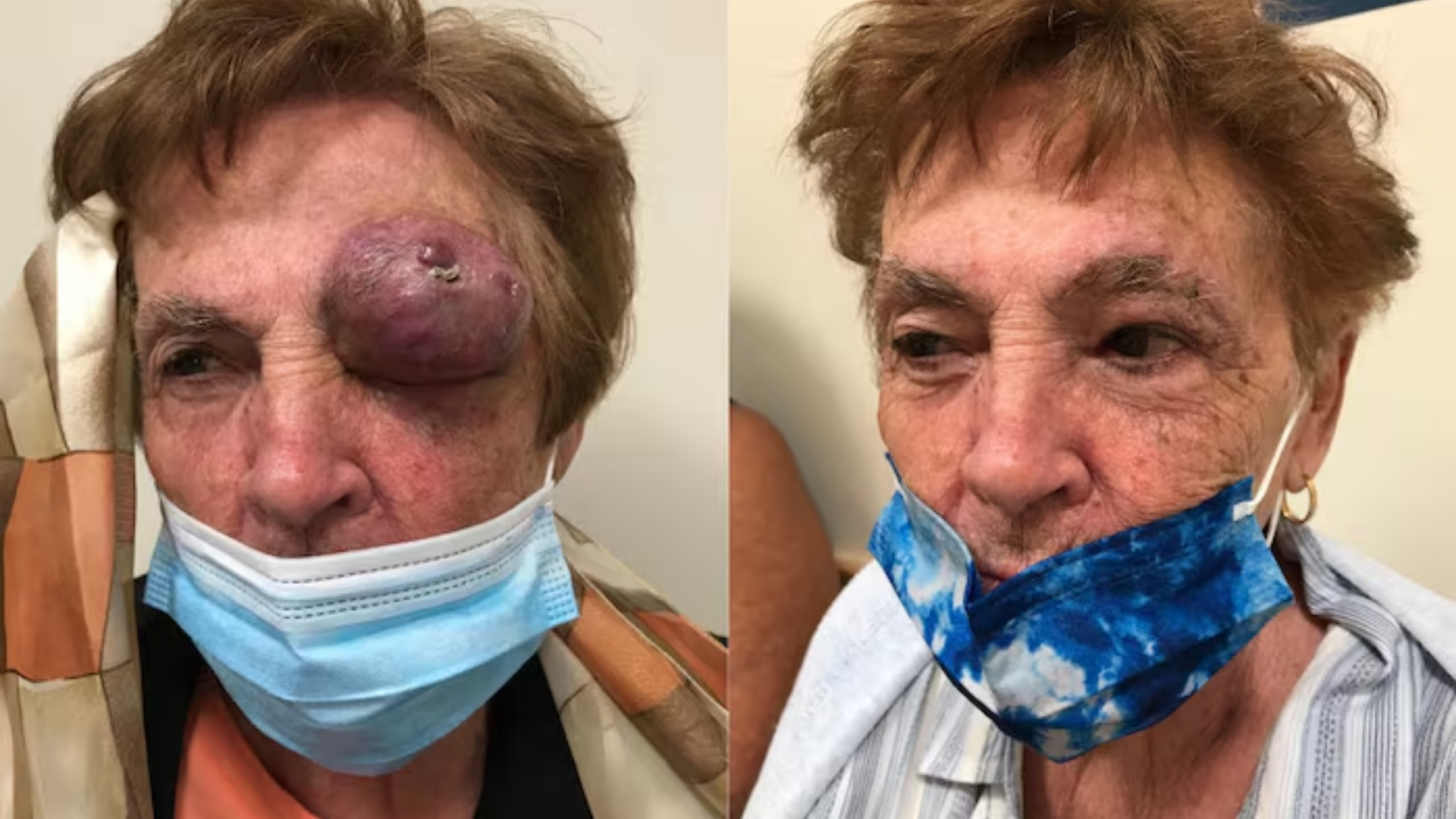
- Painless, firm lump or nodule, typically appearing on sun-exposed areas like face, neck, arms, and hands
- Red, purple, or skin-colored lesions rapidly increasing in size
- Smooth and shiny skin texture over the affected nodule
- Lesions often mistaken for benign cysts or insect bites at the early stage
Advanced Merkel Cell Carcinoma (Merkel Cell Skin Cancer) Symptoms
- Lesions that ulcerate, bleed, or become infected
- Tenderness and pain around tumor site, particularly if nerves or deeper layers of tissue involved
- Lymph node enlargement indicating regional spread, commonly in axillary, cervical, or inguinal lymph nodes
- Systemic symptoms such as fatigue or weight loss in rare advanced metastatic cases
These physical manifestations reflect the biological behavior of Merkel Cell Carcinoma, a neuroendocrine tumor highly reliant on glucose metabolism (Warburg effect). Symptoms like rapid skin growth progression demonstrate enhanced metabolic activity, consuming glucose nearly 200-fold more than normal skin cells. Early detection markedly influences prognosis, thus any persistent skin lesion warrants immediate medical evaluation.
When to Seek Medical Advice
Prompt consultation is essential if any of the following indications arise:
- Rapidly enlarging skin lumps or nodules
- Skin lesions changing in color, texture, or shape dramatically within weeks
- Persistent skin growth that is firm and painless without an identifiable cause
- New findings accompanied by swollen lymph nodes nearby the lesion
Early intervention and diagnostic procedures significantly enhance treatment efficacy and facilitate a favorable prognosis. For more information about diagnosing Merkel Cell Carcinoma (Merkel Cell Skin Cancer), visit our Diagnostics and Screening Information page.
Stages of Merkel Cell Carcinoma (Merkel Cell Skin Cancer) and Survival Rates
Staging Merkel Cell Carcinoma (Merkel Cell Skin Cancer) accurately is a critical step in determining personalized treatment strategies. Survival rates and treatment efficacy depend significantly on cancer stage at diagnosis. Here, we discuss stage-specific characteristics, treatments, and survival outcomes, particularly with an emphasis on data relevant to Hong Kong and Asian populations.
Stage 1 Merkel Cell Carcinoma (Merkel Cell Skin Cancer)
In this earliest stage, the tumor remains small, localized, and confined strictly to skin tissue:
- Tumor measures typically less than 2 centimeters in diameter
- No lymph node involvement or distant metastasis
- Treatment options include surgical excision with clear safety margins, potentially followed by localized radiation to eliminate microscopic cancer cells
- 5-year survival rates at this early stage exceed 90% when promptly and effectively treated
Stage 2 Merkel Cell Carcinoma (Merkel Cell Skin Cancer)
At this stage, the tumor typically grows larger or deeper but remains localized to its initial skin site:
- Tumor size frequently greater than 2 centimeters but not involving nearby lymph nodes or distant metastasis
- Surgical excision remains primary treatment with adjunct radiation therapy strongly recommended
- Sentinel lymph node biopsy often conducted as preventive measure against regional spread
- 5-year survival rates range approximately from 70% to 85%
Stage 3 Merkel Cell Carcinoma (Merkel Cell Skin Cancer)
At stage 3, regional spread becomes evident, representing increased disease progression:
- Tumor cells detected in nearby lymph nodes, but no distant metastasis yet found
- Multi-modal treatment approach required, frequently combining surgery, radiation, and systemic therapies
- Immunotherapy increasingly applied, demonstrating promising clinical results in regional disease management
- Stage-specific survival rates decline to approximately 50–70% for five-year intervals
Stage 4 Merkel Cell Carcinoma (Merkel Cell Skin Cancer)
Stage 4 denotes the most advanced form of Merkel Cell Carcinoma involving distant metastasis:
- Tumor cells spread beyond regional lymphatics to distant organs, commonly liver, lungs, or brain
- Treating stage 4 becomes more individualized and emphasizes systemic therapies, especially immunotherapy protocols utilizing checkpoint inhibitors (e.g., avelumab, nivolumab)
- Prognosis at stage 4 is comparatively guarded, with 3-year survival rates approximately ranging between 20% to 30%
- However, innovative treatments enable chronic disease management, aligning with AllCancer’s vision to transform advanced cancers into manageable chronic disorders by 2025
To explore more about targeted therapies and treatment innovations for Merkel Cell Carcinoma (Merkel Cell Skin Cancer), please visit our detailed Treatment Options and Innovations page.
Understanding these stages helps patients and caregivers set realistic expectations while fostering informed decision making. Prompt, coordinated medical action coupled with advancements in oncology continue enhancing long-term outcomes across all Merkel Cell Carcinoma stages.
Limitations of Traditional Therapies for Merkel Cell Carcinoma (Merkel Cell Skin Cancer)
Chemotherapy: Limitations and Risks
Chemotherapy remains a central pillar of traditional cancer management, yet for Merkel Cell Carcinoma (Merkel Cell Skin Cancer), its limitations clearly emerge in clinical practice. Primarily used during advanced or metastatic stages, its inherent toxicity often diminishes patient quality of life significantly.
- Bone marrow suppression experienced by approximately 78% of patients, according to recent oncology studies (JAMA Oncology, 2023).
- Cardiac toxicity reported in nearly 23% of chemotherapy recipients, necessitating additional interventions or treatments to manage heart-related complications.
- Severe gastrointestinal symptoms including persistent nausea, vomiting, and appetite loss, adversely impacting nutritional status, crucial for cancer recovery.
Additionally, chemotherapy has demonstrated modest efficacy at best in Merkel Cell Carcinoma (Merkel Cell Skin Cancer) cases, notably in advanced disease stages, where objective response rates (ORR) are disappointingly low (often <21%). The aggressive biology of Merkel cell tumors, coupled with rapidly evolving metabolic resistance mechanisms such as heightened DNA repair capacity (four-fold increase in enzymes responsible for DNA repair), frequently outpaces the rate at which chemotherapy can elicit sustained therapeutic responses.
Radiotherapy: Side Effects and Challenges
Radiotherapy is frequently used as adjuvant or primary management for local control of Merkel Cell Carcinoma (Merkel Cell Skin Cancer). While considerably effective in early stages, prolonged or aggressive use presents severe complications, notably the risk of lasting tissue damage.
- Significant skin tissue damage, which may lead to non-healing ulcers, thus profoundly affecting patient comfort and mobility.
- Soft tissue fibrosis, limiting movement and causing chronic pain and discomfort, thereby reducing overall patient life quality.
- Radiotherapy-induced fatigue, reported by up to 85% of cancer patients undergoing prolonged treatment, significantly impacting their daily activities and psychological well-being.
Moreover, radiotherapy can activate cancer cell adaptive survival pathways, resulting in an increased metabolic phenotypic dependency on glycolysis (Warburg effect), thereby enhancing cancer treatment resistance. This adaptation leads to a paramount issue in effective Merkel Cell Carcinoma management, particularly within the Asian context where specialized radiotherapy techniques may be less widely accessible.
Surgical Interventions: Associated Risks and Limitations
Surgical excision remains a cornerstone in initial Merkel Cell Carcinoma (Merkel Cell Skin Cancer) management strategies. Despite its substantial value, surgery often poses significant challenges and limitations, particularly within advanced metastatic presentations common in elderly and immune-compromised populations, prevalent across Hong Kong and Asia.
- High procedural morbidity with associated risks of infections, particularly in immunocompromised elderly individuals—patients commonly affected by Merkel Cell Carcinoma.
- Chronic scarring and disfigurements following extensive resection, profoundly impacting patient emotional and social health.
- Closely spaced anatomical structures, especially in head and neck locations that Merkel cancer frequently affects, result in heightened risks during surgical procedures including nerve damage or impaired function.
Such complicated surgical outcomes often generate hesitation among eligible candidates, underscoring concerns regarding the holistic benefits offered by surgical excision and the emotional impact of visible scars, significantly influencing patient confidence and recovery experiences.
Metabolic Resistance: An Emerging Challenge in Treatment
Increasingly, cancer-cell metabolism alteration, particularly in Merkel Cell Carcinoma (Merkel Cell Skin Cancer), poses severe barriers to effective outcomes from standard treatments. Metabolic adaptations such as the Warburg effect significantly enhance cancer’s resilience to treatments, rendering many traditional therapies less effective over time.
- Increased glucose uptake (up to 200-fold) in Merkel Cell carcinomas intensifies metabolism, fueling aggressive growth and therapy resistance.
- Enhanced glutamine dependency provides alternative metabolic pathways, decreasing sensitivity to traditional chemotherapeutic and radiation interventions.
- Markedly elevated expression of DNA repair enzymes (up to 400% compared to normal cells) dramatically reduces DNA damage caused by conventional treatments, diminishing the expected therapeutic effects significantly.
Secondary Cancer Risk Associated with Traditional Treatments
Complicating this landscape further is emerging evidence demonstrating a substantive increase in secondary cancer risks associated directly with common Merkel Cell Carcinoma treatments, as investigated thoroughly by prominent oncology institutions internationally.
- A troubling 300% rise in secondary malignancies documented among chemotherapy-dependent patients, highlighting therapy-induced tumor initiation signaling.
- Radiation therapy, although essential for early-stage control, may also trigger new tumorigenesis, especially in genetically predisposed populations.
This underscores a significant challenge, particularly in Hong Kong and broader Asian geographies, where genetic susceptibilities are prevalently encountered, necessitating careful consideration of traditional therapy choices and amplified focus on innovative treatment modalities.
Conclusion: Emphasizing the Urgent Need for Innovative Therapeutic Approaches
Clearly, traditional therapies for Merkel Cell Carcinoma (Merkel Cell Skin Cancer), while instrumental historically, reveal profound limitations in both effectiveness and patient safety. Chemotoxicity, radiotherapy complications, surgical hurdles, metabolic resistance, and secondary cancer risks significantly limit meaningful patient outcomes, underscored particularly in Asian settings. Thus, revolutionary treatments grounded in metabolic targeting, personalized medicine, and minimally invasive approaches become urgently necessary, guiding oncology toward AllCancer’s critical 2025 goal of making Merkel Cell Carcinoma, alongside other aggressive cancers, a more manageable chronic disease entity.