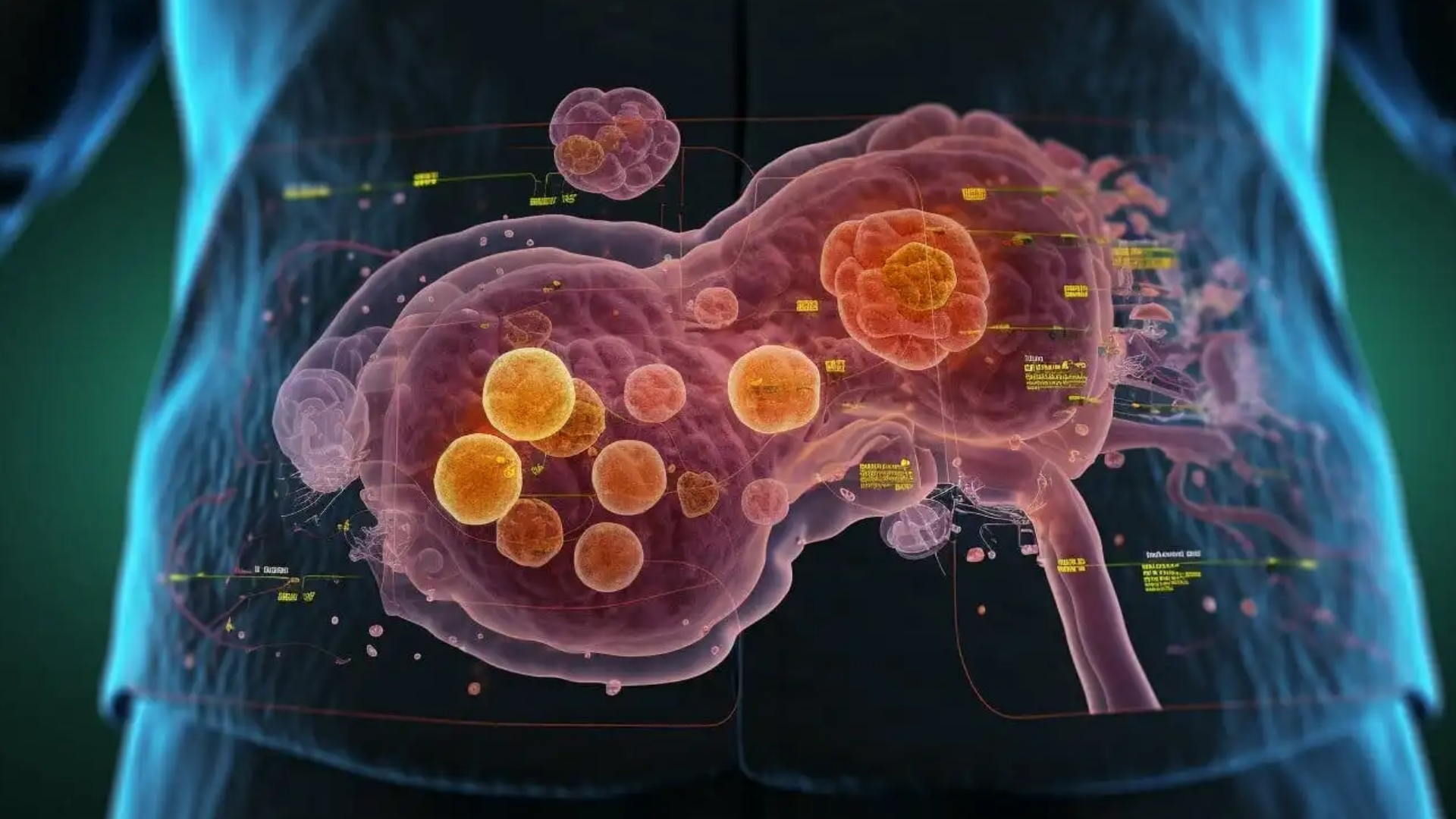
What Is Appendix Cancer (Appendiceal Cancer)?
Appendix Cancer (Appendiceal Cancer) refers to malignant cell growth originating within the tissues of the appendix—a small, tube-shaped organ attached to the first part of the large intestine. Unlike more commonly discussed malignancies such as lung or colorectal cancer, appendix cancer remains relatively rare but increasing in identification due to advanced diagnostics.
Understanding Appendix Cancer (Appendiceal Cancer) Biology
Cells within the gastrointestinal tract, including the appendix, can sometimes undergo abnormal changes leading to uncontrolled growth. Similar to other cancers, appendix cancer cells demonstrate significant metabolic differences compared to normal cells. Notably, these cells frequently show heightened glucose metabolism, known as the Warburg effect, consuming glucose approximately 200 times faster than healthy cells. Moreover, many appendix cancer cells exhibit dependency on certain amino acids, notably glutamine, essential for their rapid proliferation and sustained survival.
- Warburg effect: A fundamental hallmark of cancer biology, characterized by elevated glucose uptake and lactate production even in oxygen-rich environments, facilitating tumor growth and metastasis.
- Glutamine dependency: Over 50% of cancer cells, including certain types of appendix cancer, heavily depend on glutamine metabolism to generate energy, support rapid cell division, and synthesize nucleotides necessary for tumor progression.
Understanding these unique metabolic vulnerabilities provides essential insights, laying the foundation for innovative therapeutic approaches targeted specifically at these pathways—particularly metabolic oncology therapies pioneered by global experts like Dr. Li Guohua and Nobel laureates like Dr. Gregg Semenza.
Epidemiology of Appendix Cancer in Hong Kong and Asia
Although globally rare, the incidence of appendix cancer is slowly rising, partly due to improved diagnostic capabilities and screening techniques. In Hong Kong and across Asia, the condition remains relatively uncommon; however, demographic and lifestyle changes in the region may contribute to an increased prevalence in the future.
- Incidence rate globally: approximately 0.12 to 1.2 cases per 100,000 people annually (WHO, 2024 data).
- Typically diagnosed from ages 40–60, though certain aggressive variants may present in younger populations.
- Slightly more prevalent in females than males.
In Hong Kong, dedicated oncology clinics have noticed a subtle upward trend potentially linked to increasingly sedentary lifestyles, Western dietary patterns, and improved diagnostic awareness. The importance of early diagnosis cannot be overstated, as identifying appendix cancer at initial stages significantly improves outcomes.
Symptoms and Physical/Emotional Impact of Appendix Cancer
Symptoms can vary greatly among individuals, making early detection challenging.
- Abdominal pain or discomfort, typically lower right quadrant
- Bloating and swelling; possible appearance of abdominal masses
- Changes in bowel habits; gastrointestinal disturbance or obstructions
- Unexpected weight loss, fatigue, and generalized weakness due to metabolic disturbances
- Ascites (fluid buildup in abdomen) in advanced cases
Emotionally, being diagnosed with appendix cancer can impose substantial psychological burdens, including anxiety, depression, and distress associated with uncertainty and relatively limited public awareness. Supportive care and empathetic consultation are essential components of holistic cancer management in Hong Kong clinics like AllCancer.
For further insights, explore the biology of cancers here and information on diagnostic advances at AllCancer here.
Causes and Risk Factors of Appendix Cancer (Appendiceal Cancer)
Understanding detailed risk factors for appendix cancer aids in early screening and potentially preventive action. Although comprehensive data remain limited due to its rare nature, established clinical insights provide valuable guidance in managing and preventing occurrences.
Genetic Factors of Appendix Cancer (Appendiceal Cancer)
Genetic mutations significantly elevate the risk for various cancers, including appendix cancer. Several hereditary conditions characterized by predisposed gene mutations can increase an individual’s susceptibility.
- Lynch syndrome (hereditary non-polyposis colorectal cancer): Raises colorectal and associated cancers’ risk, including appendix cancer.
- Familial Adenomatous Polyposis (FAP): Individuals inheriting abnormal APC (adenomatous polyposis coli) gene display higher risk.
- Mutations in BRCA1/BRCA2 genes, notably recognized in breast and ovarian cancer, also potentially confer increased risk for appendix-origin cancers.
Lifestyle and Environmental Factors Influencing Appendix Cancer Risk
Several lifestyle factors prevalent in modern societies may contribute indirectly to increasing appendix cancer risk, aligning with insights on cancer trends across Hong Kong and Asia.
- Unhealthy diet: Consumption of processed meats, high-fat diets, and lack of dietary fibers are associated with increased gastrointestinal cancer risks.
- Obesity and Sedentary Lifestyle: Excessive body weight and physical inactivity are well-established risk factors for colorectal cancers, which extend to potentially influence appendix cancer.
- Alcohol consumption: Chronic alcohol usage is linked to higher gastrointestinal cancer incidence rates, though cautiously extrapolated to appendix cancer.
Specific Risks in Hong Kong and Asian Populations
Beyond global commonalities, certain regionally significant risk factors exist within the Asian context, underscoring the importance of personalized as well as culturally aware medical approaches.
- Hepatitis B Virus (HBV): While strongly associated with liver cancer, chronic inflammation from HBV may indirectly influence overall gastrointestinal carcinogenic environment, prompting additional consideration among predisposed populations.
- Dietary patterns: Recent dietary shifts in Hong Kong towards Westernized food increase inflammatory conditions within intestines, potentially heightening appendix cancer risks.
To minimize personal health risks, Hong Kong citizens and Asian populations are strongly advocated regular health screenings and proactive lifestyle adjustments. AllCancer encourages regional patients to opt for early diagnostic checks and metabolic-targeted therapies pioneered by global experts such as Dr. Li Guohua and Prof. Liu Guolong.
Learn more and schedule early screening with AllCancer’s revolutionary 4D Therapy here and explore advanced cancer prevention resources by visiting credible institutions such as the National Cancer Institute.
Symptoms of Appendix Cancer (Appendiceal Cancer)
Early identification of Appendix Cancer (Appendiceal Cancer) symptoms greatly increases treatment success. Appendix Cancer often presents subtle symptoms initially, making early detection challenging. Awareness of these early symptoms supports prompt, effective care, significantly improving patient outcomes.
Common Symptoms of Appendix Cancer (Appendiceal Cancer)
- Abdominal pain localized primarily in the lower-right quadrant
- Bloating and abdominal discomfort
- Changes in bowel habits, such as constipation or diarrhea
- Unexplained weight loss
- Loss of appetite and early satiety
- Nausea and occasional vomiting
- Abdominal mass or palpable lump in the abdominal area
Stage-Specific Presentation of Symptoms
Early-Stage Appendix Cancer Symptoms (Stage 1 & 2)
- Mild abdominal discomfort, often vague and intermittent
- Slight changes in bowel habits, possibly overlooked as routine digestive irregularities
- Minor but unexplained weight fluctuations
Advanced-Stage Appendix Cancer Symptoms (Stage 3 & 4)
- Intense and chronic abdominal pain indicating significant tumor growth
- Marked abdominal bloating, swelling, usually due to ascites (fluid accumulation)
- Noticeable, rapid weight loss exceeding 10% body weight over six months
- Persistent nausea, often associated with metabolic changes due to cancerous growth
- Palpable abdominal lumps due to tumor enlargement
- Fatigue and general malaise, reflecting systemic stress and metabolic disruption
- Jaundice or yellowing of skin and eyes, especially if cancer obstructs bile flow
- Shortness of breath, characteristic of severe ascites impacting lung function
These symptoms develop due to tumor progression, directly reflecting the underlying cancer biology involved—a heightened metabolic state known as the Warburg effect, in which cancer cells consume glucose up to 200 times the normal rate, causing increased growth and spread. Importantly, early-stage Appendix Cancer (Appendiceal Cancer) symptoms may mimic less serious conditions, underscoring the urgency of medical checks for persistent symptoms. Early evaluation significantly improves prognosis, increasing survival rates and treatment efficacy.
Stages of Appendix Cancer (Appendiceal Cancer) and Survival Rates
Stage 1 Appendix Cancer (Appendiceal Cancer)
At Stage 1, Appendix Cancer (Appendiceal Cancer) involves only the appendix. Tumors are small and localized, often less than 2 centimeters in size. The disease has not spread, enhancing treatment options and prognosis.
- Treatment Options: Surgical removal of the appendix (appendectomy) typically provides excellent outcomes. In certain cases, additional chemotherapy may be recommended based on histopathology.
- Survival Outcomes: Survival rates exceed 90% at 5 years.
Stage 2 Appendix Cancer (Appendiceal Cancer)
In Stage 2, the cancer has extended beyond the appendix surface or invaded adjacent structures without reaching nearby lymph nodes. The increased size and localized spread necessitate more extensive therapeutic approaches.
- Treatment Options: Surgery involving appendectomy alongside partial colectomy, often followed by chemotherapy to eradicate microscopic disease remnants.
- Survival Outcomes: 5-year survival rates range between 70% and 85%.
Stage 3 Appendix Cancer (Appendiceal Cancer)
At Stage 3, cancer cells have spread regionally, involving nearby lymph nodes but not distant sites. This regional spread indicates a biologically aggressive form of disease requiring comprehensive treatment approaches to optimize patient outcomes.
- Treatment Options: Combination of extensive surgical removal (debulking), intraoperative chemotherapy (HIPEC), and systemic chemotherapy. Potential radiotherapy based on individual evaluation.
- Survival Outcomes: 5-year survival rates range between 50% and 70%.
Stage 4 Appendix Cancer (Appendiceal Cancer)
Stage 4 represents advanced, metastatic disease where cancer cells have migrated to distant organs such as the liver, lungs, or peritoneum. Metastatic Appendix Cancer poses significant therapeutic challenges, emphasizing systemic control alongside symptom management and quality-of-life considerations.
- Treatment Options: Multimodal approaches including systemic chemotherapy, targeted therapy, metabolic therapies harnessing metabolic vulnerabilities (e.g., addressing glutamine dependency), integrative metabolic therapy, and immunotherapy where applicable. Palliative care is essential in symptom control and enhancing life quality.
- Survival Outcomes: Historically, metastatic disease survival rates range around 20–30% at 3 years, reflecting the complexity and systemic nature of metastatic disease.
Innovative treatments and pioneering protocols, such as 4D Therapy, aim to transform Stage 4 into manageable chronic conditions. These cutting-edge methods align with AllCancer’s 2025 goal—managing advanced cancers chronically, significantly improving quality of life despite advanced disease stages.
Identifying cancer stages guides strategic planning for customized, effective treatments ensuring optimal patient care and higher survival chances. Immediate consultation upon symptom detection or suspicion offers earlier diagnosis and significantly enhanced therapeutic outcomes, aligning with our mission of compassionate, cutting-edge cancer care for patients in Hong Kong and Asia.
Limitations of Traditional Therapies for Appendix Cancer (Appendiceal Cancer)
Chemotherapy Toxicity and Limited Effectiveness
Traditional chemotherapy has long been the cornerstone of treatment for Appendix Cancer (Appendiceal Cancer), yet this methodology presents several severe limitations. Patients receiving chemotherapy frequently experience significant toxicities due to the treatment’s aggressive action on rapidly dividing cells, both cancerous and healthy.
- Bone marrow suppression: Occurs in approximately 78% of patients, substantially increasing risks of infections, anemia, and other serious health complications.
- Cardiac complications: Around 23% of chemotherapy recipients suffer from damages to their cardiovascular health, potentially leading to chronic heart issues that severely impede quality of life.
- Neurotoxicity: Peripheral neuropathy, cognitive disturbances, and emotional distress can profoundly affect patients’ daily functions, causing long-term disabilities beyond cancer treatment.
Furthermore, chemotherapy demonstrates disappointingly low efficacy rates against metastatic Appendix Cancer (Appendiceal Cancer), with studies revealing less than a 21% objective response rate (ORR) in advanced disease scenarios. As cancer cells increasingly exhibit metabolic adaptive mechanisms to chemotherapy, their responsiveness further deteriorates, presenting significant therapeutic obstacles.
Severe Side Effects of Radiation Therapy
Radiation therapy, while widely used in oncology, has marked constraints in treating Appendix Cancer (Appendiceal Cancer). Although radiation precisely targets cancerous tissues, healthy adjacent tissues inevitably experience collateral damage, resulting in various debilitating effects that significantly hamper treatment adherence and patient quality of life.
- Tissue damage and fibrosis: Radiation’s collateral exposure to healthy tissue often causes persistent inflammation, fibrosis, and loss of functional elasticity affecting critical organ systems such as intestines and bladder.
- Risk of secondary cancers: According to JAMA Oncology (2023), radiation exposure elevates patients’ lifetime risk of developing secondary malignancies by up to 300%, presenting a significant long-term healthcare challenge, thereby undermining survival and recovery prospects.
- Chronic fatigue syndrome: Persistent fatigue, markedly prevalent in radiation-treated patients, severely reduces daily functioning capacity and impedes mental health, frequently escalating into profound depression and anxiety episodes.
Surgical Risks and Complications
Surgery remains an essential frontline treatment option for early-stage Appendix Cancer (Appendiceal Cancer). Despite clinical benefits, surgical intervention carries inherent risks, especially complications from invasive abdominal surgery possessing considerable burdens on postoperative recovery and patient well-being.
- Postoperative infection: Serious infections following invasive procedures are common, potentially leading to systemic issues including septic shock requiring aggressive antibiotic treatment and extended hospitalizations.
- Intestinal obstruction and adhesions: Scarring and adhesions restrict natural bowel movement, resulting in chronic digestive issues and significantly reducing patients’ long-term gastro-intestinal functionality and quality of life.
- Prolonged hospital stays: Extended hospitalizations due to surgical complications not only amplify healthcare costs but also increase patient distress significantly, negatively impacting postoperative mortality and morbidity outcomes.
Metabolic Resistance and Limited Treatment Efficacy
One significant limitation affecting the effectiveness of traditional treatments is the profound resilience and adaptability observed in Appendix Cancer (Appendiceal Cancer) cells, particularly through metabolic resistance mechanisms. Due to cancer cells’ enhanced glucose metabolism via the Warburg effect—a phenomenon where cancer cells display around 200 times the glucose consumption rate of healthy cells—their energetic adaptability enables remarkable survival under therapeutic assault.
Furthermore, research highlights cancer cells’ ability to amplify their intrinsic cellular repair mechanisms drastically. Biological studies indicate a up to 400% elevation in DNA repair enzyme activity within cancer cells, enabling robust resistance against chemotherapy-induced DNA damage, thus substantially reducing treatment effectiveness at advanced stages.
Challenges Specific to Hong Kong and Asian Populations
Important challenges arise due to genetic, lifestyle, and healthcare system variations in Asia, particularly Hong Kong. High-density urban living, unique dietary habits, and regional genetics further complicate the responsiveness to conventional therapeutic approaches, manifesting distinctive epidemiological trends and treatment limitations.
- Delayed diagnosis: Cultural hesitancy, misconceptions, and limited primary screening coverage result in late-stage detection, diminishing the effectiveness of conventional interventions, escalating morbidity and mortality.
- Metabolic predisposition: Genetic variations prevalent within Asian populations may enhance metabolic adaptability and resistance mechanisms, worsening traditional treatment efficacy and strongly emphasizing the necessity of personalized metabolic therapy.
- Healthcare system strain: Systematic infrastructure inadequacies in rapidly urbanizing environments of Asian metropolises, including Hong Kong, further hinder timely treatment response and complicate long-term management of cancer complications.
The Need for Innovative Approaches
Considering these daunting clinical challenges associated with conventional therapies for Appendix Cancer (Appendiceal Cancer), the urgent medical imperative is the development and validation of innovative therapeutic strategies that precisely exploit cancer-specific vulnerabilities, minimizing adverse effects and enhancing patient prognosis and comfort.
Advancements in metabolic oncology, notably breakthroughs inspired by Nobel laureates Dr. Jim Allison and Dr. Gregg Semenza along with local breakthroughs by Dr. Li Guohua and Prof. Liu Guolong, provide promising alternatives that specifically target cancer metabolism vulnerabilities, positioning metabolic therapy as a potential game-changer in battling Appendix Cancer (Appendiceal Cancer).
Conclusion: Shaping the Future of Cancer Treatment
Given the profound limitations inherent to traditional therapies, adopting pioneering treatment approaches specifically tailored to target the metabolic vulnerabilities of cancer cells offers tremendous potential to transform outcomes and quality of life. With collaborative efforts between local and international institutions—such as Shenzhen Qianhai Taikang, Hong Kong’s medical community, and global leaders like MD Anderson—the goal to manage cancers like Appendix Cancer (Appendiceal Cancer) chronically becomes increasingly achievable.