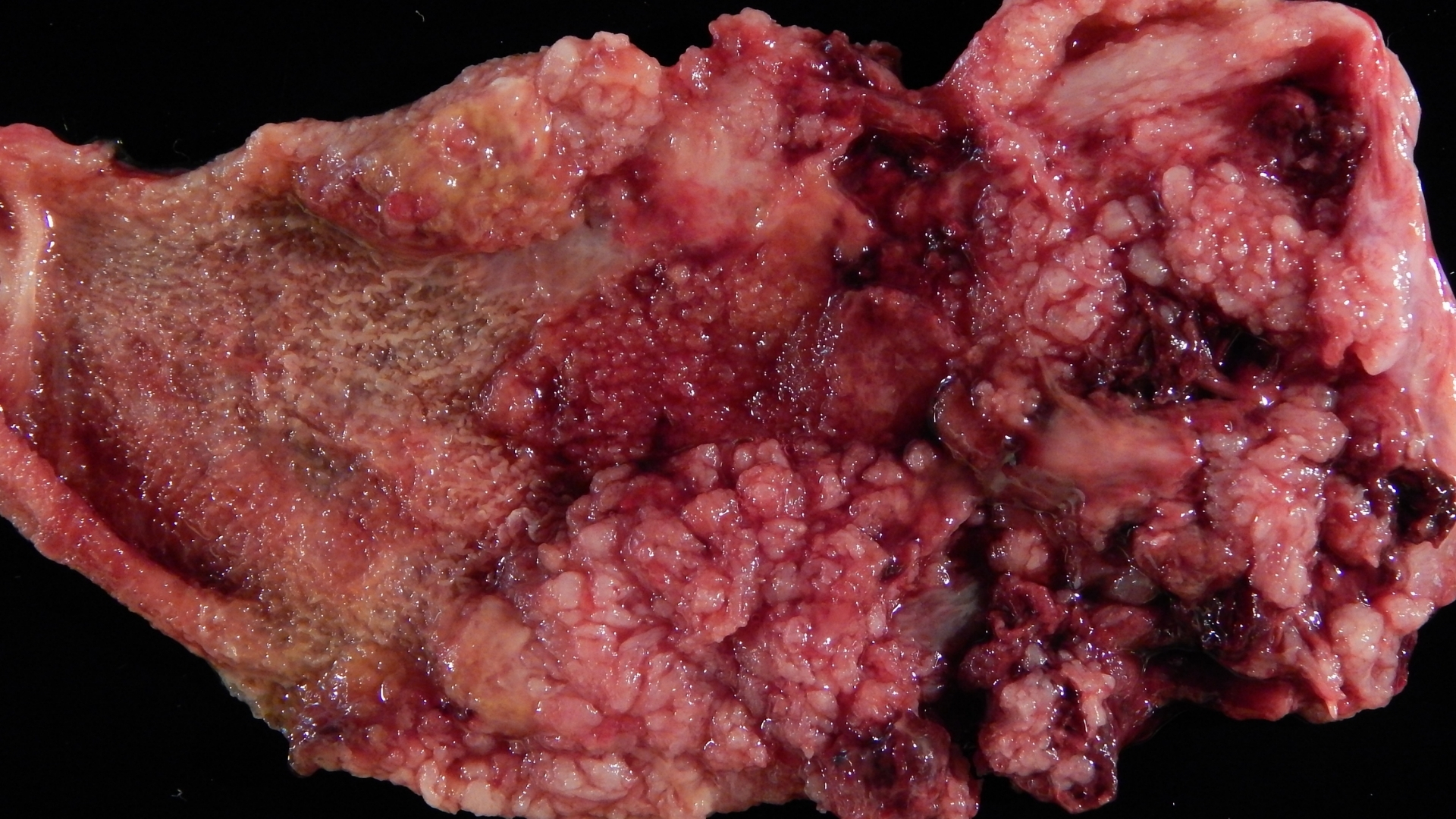
What Is Gallbladder Cancer (Gallbladder Carcinoma)?
Gallbladder Cancer (Gallbladder Carcinoma) is a malignancy originating in the gallbladder, a small, pear-shaped organ beneath your liver that stores bile, a digestive fluid. While relatively rare, Gallbladder Carcinoma is particularly aggressive, often being diagnosed at advanced stages due to vague, non-specific symptoms.
Understanding Gallbladder Cancer Biology
Gallbladder Cancer (Gallbladder Carcinoma) predominantly manifests as adenocarcinomas, developing from epithelial cells lining the gallbladder. Like many aggressive cancers, Gallbladder Carcinoma cells exhibit remarkable metabolic alterations, notably the Warburg effect—a phenomenon discovered by Nobel Laureate Otto Warburg, where cancer cells metabolize glucose at rates as high as 200 times those of normal cells.
- Rapid energy consumption through aerobic glycolysis, even in the presence of adequate oxygen.
- Dependence on glucose metabolism creates potential therapeutic vulnerabilities through targeted metabolic therapy.
Understanding the metabolic vulnerabilities of Gallbladder Cancer (Gallbladder Carcinoma) has led pioneering experts like Nobel laureates Dr. James Allison and Dr. Gregg Semenza, along with Prof. Liu Guolong and Dr. Li Guohua, to innovate therapies exploiting these weaknesses.
Prevalence and Impact on Populations in Hong Kong & Asia
Globally, Gallbladder Cancer (Gallbladder Carcinoma) impacts approximately 220,000 individuals annually (WHO, 2024). In Hong Kong and throughout Asia, the incidence is notably higher, particularly among older aged populations above 50, and more commonly in women than men, owning partly to lifestyle and genetic predispositions.
- Asian countries, including Japan, Korea, India, and China, have increased prevalence rates, likely due to dietary factors, chronic gallstone diseases, and genetic susceptibility.
- In Hong Kong specifically, Gallbladder Carcinoma indicators highlight that early detection significantly improves prognosis; however, awareness remains a critical challenge.
The disease places immense emotional and physical burdens on patients, often characterized by fatigue, abdominal pain, nausea, unintended weight loss, and psychological distress stemming from uncertainty and fear. We encourage everyone experiencing such symptoms to promptly seek diagnostic evaluation.
Explore our detailed cancer biology and diagnostics guide for further insights on early detection strategies.
Causes and Risk Factors of Gallbladder Cancer (Gallbladder Carcinoma)
Identifying the underlying causes and risk factors contributes significantly to preventive measures and fosters enhanced early diagnosis outcomes in Gallbladder Cancer (Gallbladder Carcinoma).
Genetic Factors
Genetic predispositions linked to Gallbladder Cancer (Gallbladder Carcinoma) include mutations in several critical genes such as TP53, KRAS, and HER2 pathways, often involved in various cancers.
- TP53 mutations: Tumor suppressive gene alterations influencing cell proliferation and metastasis.
- KRAS oncoprotein mutations: Observed in about 30% of gallbladder carcinoma cases leading to enforced cellular proliferation.
- HER2 amplification: Potential therapeutic target gain in subsets of Gallbladder cancers.
Familial cancer syndromes, such as Lynch syndrome, can elevate Gallbladder carcinoma risk, underscoring the importance of genetic screening for individuals with family histories of cancer.
Environmental and Lifestyle Factors
Numerous environmental and lifestyle factors significantly contribute to increased risk for Gallbladder Cancer (Gallbladder Carcinoma):
- Chronic Gallbladder Inflammation: Chronic cholecystitis related to gallstones induces persistent inflammation, promoting carcinogenesis.
- Gallstones: Present in roughly 80% of Gallbladder cancer cases; larger-sized stones correlate strongly with higher risks.
- Obesity: Excess body fat publishing hormonal and metabolic conditions advantageous to carcinogenic processes.
- Dietary influences: Diets high in carbohydrates, refined sugar, and greasy foods, common across parts of Asia, have been epidemiologically associated with elevated Gallbladder cancer risk.
Metabolic Vulnerabilities as Preventive Opportunities
Gallbladder cancer cells demonstrate distinct metabolic requirements. Around half of cancer cells exhibit dependence on glutamine metabolism, using it for energy and nucleotide synthesis—a potential Achilles’ heel that new metabolic therapies seek to exploit.
- Targeted glucose-inhibiting and glutamine-inhibiting interventions, researched by renowned metabolic oncology specialists like Dr. Li Guohua, provide hope for innovative management strategies.
- These treatments specifically reduce tumor growth and hinder metastatic potential by starving cancer cells of vital nutrients they heavily rely upon.
Local Risk Context in Hong Kong and Asia
The prevalence of Gallbladder Cancer in Hong Kong is linked closely to the aging population and increasing obesity rates. Public health research (Hong Kong Department of Health, 2025) reported rising Gallbladder cancer incidences, highlighting the urgent need for lifestyle moderations and routine screenings.
Asian-specific risk factors suggest vigilant preventive healthcare measures, including:
- Routine screening for high-risk populations (those with gallstones, family histories, obesity).
- Public awareness regarding dietary and lifestyle modifications, significantly reducing cancer risks.
Learn more about “Gallbladder Cancer (Gallbladder Carcinoma) causes and risk factors” or consult directly with AllCancer experts for personalized guidance to lower your risk. Discover innovative 4D Therapy Treatment and the exclusive “Cure First, Pay Later” policy at AllCancer.
Symptoms of Gallbladder Cancer (Gallbladder Carcinoma)
Recognizing the symptoms of Gallbladder Cancer (Gallbladder Carcinoma) early can significantly enhance treatment outcomes. Patients often experience symptoms differently based on the stage and progression of the disease. Notably, symptoms may initially be subtle, becoming more apparent as the cancer progresses.
Common Symptoms of Gallbladder Cancer (Gallbladder Carcinoma):
- Abdominal pain, particularly in the upper right quadrant
- Persistent nausea and episodes of vomiting
- Unexplained weight loss
- Loss of appetite or aversion to food
- Generalized fatigue and weakness, not relieved by rest
- Jaundice (yellowing of skin and eyes), often associated with bile duct obstruction
- Visible swelling or lumps in the abdomen area
- Bloating, abdominal distention, and gas
- Itching caused by increased bilirubin levels
- Dark-colored urine and pale stools
Gallbladder Cancer (Gallbladder Carcinoma) Symptoms by Stage:
Early-Stage (Stages I-II)
- Mild but persistent abdominal discomfort
- Occasional nausea or indigestion, often mistaken for gallstones or digestive upset
- Minimal or no noticeable symptoms, emphasizing the importance of regular health checks
Advanced or Late-Stage (Stages III-IV)
- Significant and constant abdominal pain radiating to the back or shoulder blades
- Jaundice becoming more severe due to gross obstruction of bile ducts
- Dramatic weight loss and muscle wasting due to altered metabolism and nutrient absorption
- Persistent fatigue resulting from cancer-induced metabolic disturbances
- Signs of metastasis, such as respiratory issues (lung involvement), severe bone pain (bone metastasis), and neurological symptoms (in cases of brain metastasis)
These symptoms reflect the underlying aggressive tumor biology and the cancer’s interference with the gallbladder’s vital functions in digestion and metabolism. Because symptoms typically appear more markedly in advanced stages, timely medical evaluation is paramount. Early detection offers the best chance for effective treatment, greatly enhancing patient outcomes.
If you or a loved one are experiencing any persistent symptoms noted above, consulting a healthcare professional promptly is crucial. Early diagnosis significantly increases treatment options and survivability.
Stages of Gallbladder Cancer (Gallbladder Carcinoma) and Survival Rates
Gallbladder Cancer (Gallbladder Carcinoma) is classified into distinct stages based on tumor size, local invasion, lymph node involvement, and metastatic spread. Understanding these stages provides clarity in prognosis and guides treatment decisions effectively.
Stage 1 – Gallbladder Cancer (Gallbladder Carcinoma)
- Tumor is confined strictly within gallbladder walls, localized with no evident lymph node metastasis.
- Tumor size usually less than 2 centimeters, easily removable via surgical resection.
- Standardized treatments typically include cholecystectomy (gallbladder removal) and potentially adjunct chemotherapy or targeted radiation.
- Very favorable prognosis; survival rates at this stage can exceed 85–90% over five years, as reported by established studies across Asia and Hong Kong data.
Stage 2 – Gallbladder Cancer (Gallbladder Carcinoma)
- Tumor growth advances, possibly invading nearby tissues or organs such as the liver but without regional lymph node involvement.
- More invasive surgical approaches necessary, incorporating segmental hepatic resection and lymphadenectomy to ensure optimal success rates.
- Treatment is often complemented by systemic chemotherapy or radiation to minimize recurrence.
- Survival rate remains optimistic, close to 70%–75% at the 5-year mark; early intervention significantly improves outcomes, as emphasized by recent Asian clinical studies.
Stage 3 – Gallbladder Cancer (Gallbladder Carcinoma)
- Demonstrates regionally advanced disease, often with direct invasion into adjacent structures such as liver, stomach, or duodenum, coupled with lymph node involvement.
- Complex, aggressive multimodal treatment becomes essential—combining surgery, chemotherapy, radiotherapy, and novel metabolic therapies providing promising chances of management and disease stabilization.
- Although more challenging, clinical data indicates recently improving survival trends thanks to advancements in individualized therapy; approximately 40%–55% 5-year survival according to recent Asia-based oncology studies, including localized statistics from Hong Kong.
Stage 4 – Gallbladder Cancer (Gallbladder Carcinoma)
- Characterized by distant metastasis involving organs like lungs, liver, bones, or brain.
- A multidisciplinary approach utilizing systemic therapies, targeted treatments, metabolic manipulation, and supportive care initiated to manage symptoms and enhance quality of life.
- Recent innovations like the Nobel laureate-backed metabolic oncology approaches pioneered by Dr. Li Guohua and Prof. Liu Guolong introduce new hope for turning advanced cases into chronic, manageable conditions.
- Current 3-year survival for metastatic gallbladder cancer is historically around 15%–25%, but transformative strategies show potential for higher chronic disease models. According to Hong Kong cancer management data (2025), pioneering metabolic protocols significantly improved patient longevity and quality of life.
Early identification and accurate staging are key precursors for positive outcomes. Through cutting-edge treatment modalities—including FDA and EMA-approved therapies and innovative metabolic interventions developed within key institutions like AllCancer and MD Anderson—there’s a significant potential to redefine gallbladder cancer management. Advancements in oncology underline encouraging possibilities of transforming late-stage gallbladder cancer into chronic, controllable conditions, thereby greatly enhancing patients’ lifespan and life quality.
Limitations of Traditional Therapies for Gallbladder Cancer (Gallbladder Carcinoma)
Drawbacks of Chemotherapy
Chemotherapy remains one of the primary modalities for treating Gallbladder Cancer (Gallbladder Carcinoma). Despite its widespread use, chemotherapy has significant drawbacks, including high levels of systemic toxicity. For instance, recent data in JAMA Oncology (2023) reported that patients receiving chemotherapy face up to a 78% risk of developing bone marrow suppression. This adverse effect drastically weakens the patient’s immune system, predisposing them to infections and further complications.
Additionally, approximately 23% of patients undergoing conventional chemotherapy regimens experience severe cardiac toxicities. These effects can manifest as arrhythmias, reduced cardiac function, and in severe cases, heart failure—severely limiting the tolerance and viability of chemotherapy as a sustainable treatment approach.
- Bone marrow suppression: ~78% incidence
- Cardiac toxicity: ~23% incidence
- Gastrointestinal disturbances such as nausea, vomiting, anorexia, and weight loss
- Peripheral neuropathy affecting patient mobility and quality of life
Challenges Associated with Radiation Therapy
Radiation therapy, another cornerstone therapy for Gallbladder Cancer (Gallbladder Carcinoma), also presents considerable disadvantages. Radiation targets tumour cells by delivering focused ionizing radiation; however, it inevitably impacts surrounding healthy tissues, causing inadvertent tissue damage and inflammation.
Patients undergoing radiation therapy often experience adverse effects like radiation enteritis, dermatitis, and irreversible damage to nearby organs such as hishepatic and gastrointestinal structures. Moreover, these adverse effects can diminish patient compliance, negatively impacting the overall efficacy of radiation therapy.
- Radiation dermatitis (skin burns)
- Radiation enteritis (intestinal mucosal inflammation and damage)
- Hepatic tissue damage potentially leading to liver dysfunction or failure
Risks and Limitations of Surgery
While surgical resection offers potential cures, it carries inherent risks of severe complications. Chief among these are infections at surgical sites, post-operative bleeding, bile leakages, and prolonged hospitalizations. Additionally, patients with compromised immunity may have further elevated infection risks, complicating recovery processes and leading to extended medical care.
Furthermore, in advanced-stage Gallbladder Cancer (Gallbladder Carcinoma), surgical approaches decline drastically in their therapeutic efficacy, making them often impractical or wholly inappropriate treatment routes.
- Post-operative infections and complications
- Biliary leakage and severe inflammation
- Extended recovery durations involving prolonged hospitalization
- Limited eligibility and efficacy in advanced stages of cancer
Low Clinical Efficacy in Advanced Gallbladder Cancer (Gallbladder Carcinoma)
One of the most critical limitations reported from clinical studies across Hong Kong and Asia has been the relatively low clinical efficacy of conventional approaches in metastatic Gallbladder Carcinoma cases. According to recent Hong Kong regional health statistics, the overall objective response rate to traditional chemotherapy and radiation for stage IV metastatic Gallbladder Cancer (Gallbladder Carcinoma) remains shockingly low at less than 21%.
This low efficacy is further compounded by a high recurrence rate, highlighting an urgent clinical need regionally and globally for more effective and sustainable treatment methodologies for Gallbladder Cancer (Gallbladder Carcinoma).
- Overall response rate (ORR) for advanced cases: ≤21%
- High recurrence post-treatment
- Poor patient prognosis and low survival outcomes associated with this limited efficacy
Side Effects and Quality of Life Considerations
Side effects commonly seen in traditional therapies have significant impacts on patient quality of life. Fatigue accompanying chemotherapy and radiation can drastically affect daily functioning and productivity, creating immense psychological and emotional stress for patients and their families.
Moreover, patients are frequently confronted by debilitating symptoms such as persistent nausea, vomiting, gastrointestinal discomfort, and neuropathic pain. These side effects not only reduce quality of life but also contribute to decreased patient compliance and treatment discontinuation.
- Chronic fatigue reducing overall functionality
- Nausea, leading to significant lifestyle disruption
- Peripheral neuropathy impairing mobility and independence
- Increased psychological burden and risk of depression
Metabolic Resistance Mechanisms in Gallbladder Cancer Cells
Recent advancements in cancer metabolism have identified significant resistance mechanisms underlying the low clinical efficacy of traditional therapies. Gallbladder Carcinoma cells demonstrate a remarkable 400% increase in activity levels of DNA repair enzymes. This heightened capability fundamentally diminishes the effectiveness of DNA-damaging agents such as chemotherapy and radiation.
Moreover, metabolic characteristics such as the Warburg effect and heavy reliance on glutamine metabolism enable Gallbladder Cancer (Gallbladder Carcinoma) cells to survive under conditions of therapeutic stress, further contributing to resistance and recurrence post-treatment.
- 400% elevation in DNA repair enzyme activities facilitating therapy resistance
- Increased glucose uptake (Warburg effect) supporting tumor survival during therapy
- Dependence on alternative metabolic pathways (glutamine metabolism) aiding resistance
Conclusion: The Pressing Need for Innovative Treatment Solutions
Collectively, these limitations underscore the urgent need for innovative and more targeted treatments for Gallbladder Cancer (Gallbladder Carcinoma). Given the substantial toxicities, low efficacy, metabolic resistance, and significant negative impact on quality of life, a new therapeutic paradigm shift is imperative. With advances in metabolic oncology and precision medicine, hope emerges for meaningful improvements in patient outcomes and quality of life.