Picture this: you unlock your phone, and a leaderboard updates every five seconds. A chat window lets you drop tactics to teammates across the country. That’s the current reality of mobile esports apps, nudging the UK gaming scene toward a fresh standard of connectivity and competition.
Step 1: Install the Right App and Create a Profile
Begin by picking an app that supports the game you love. For League of Legends, Riot’s Mobile League App offers ranked play and live stats. If you’re into first‑person shooters, Call of Duty: Mobile gives you instant access to UK servers. When you sign up, fill in your country, age, and preferred language. That data helps the app route you to local tournaments and community events.
Step 2: Join a Local Team or Community
Most apps feature a “Teams” section where you can filter by region. Look for squads that list “UK” or “London” in their description. Joining a team gives you scheduled scrims and invites to regional qualifiers. Aim for a group that meets at least twice a month; regular practice keeps your skills sharp and your network growing.
Step 3: Participate in Scheduled Tournaments
Every month, the app will push notifications for upcoming tournaments. For example, the UK Mobile Esports Cup runs a 48‑hour bracket every third Saturday. Register within 24 hours of the notification to secure a spot; otherwise, you’ll be queued behind earlier sign‑ups. These tournaments can award up to £2,000 to the winner, and the experience is priceless for learning match‑specific strategies.
Step 4: Analyse Your Performance Data
After each match, the app generates a performance report. Focus on the “Average Reaction Time” metric; a figure above 250 ms indicates you’re lagging behind the UK average of 210 ms. Use the built‑in training mode to practice quick reflexes and track your progress weekly. If your win‑rate dips below 55 % for two consecutive weeks, consider switching your primary role or reviewing your gameplay with a coach.
Common Mistake: Ignoring Network Stability
Many players assume any 4G connection is fine, but a 5 Mbps upload speed can cause significant latency. Test your network with the app’s “Ping Test” feature before a big match. If your ping is over 80 ms, switch to a Wi‑Fi hotspot or a different carrier. Ignoring this can cost you a tournament win and your reputation in the community.
How Mobile Esports Apps Are Shaping the Future of UK Gaming
Beyond competitive play, these apps are becoming hubs for casual gamers and content creators. Streamers can broadcast their matches directly to the app, reaching a built‑in audience of 150,000 UK users. Meanwhile, developers use the app’s analytics to tweak game balance for the UK market, ensuring that new patches address region‑specific issues. The result is a feedback loop that tightens the connection between player experience and game design.
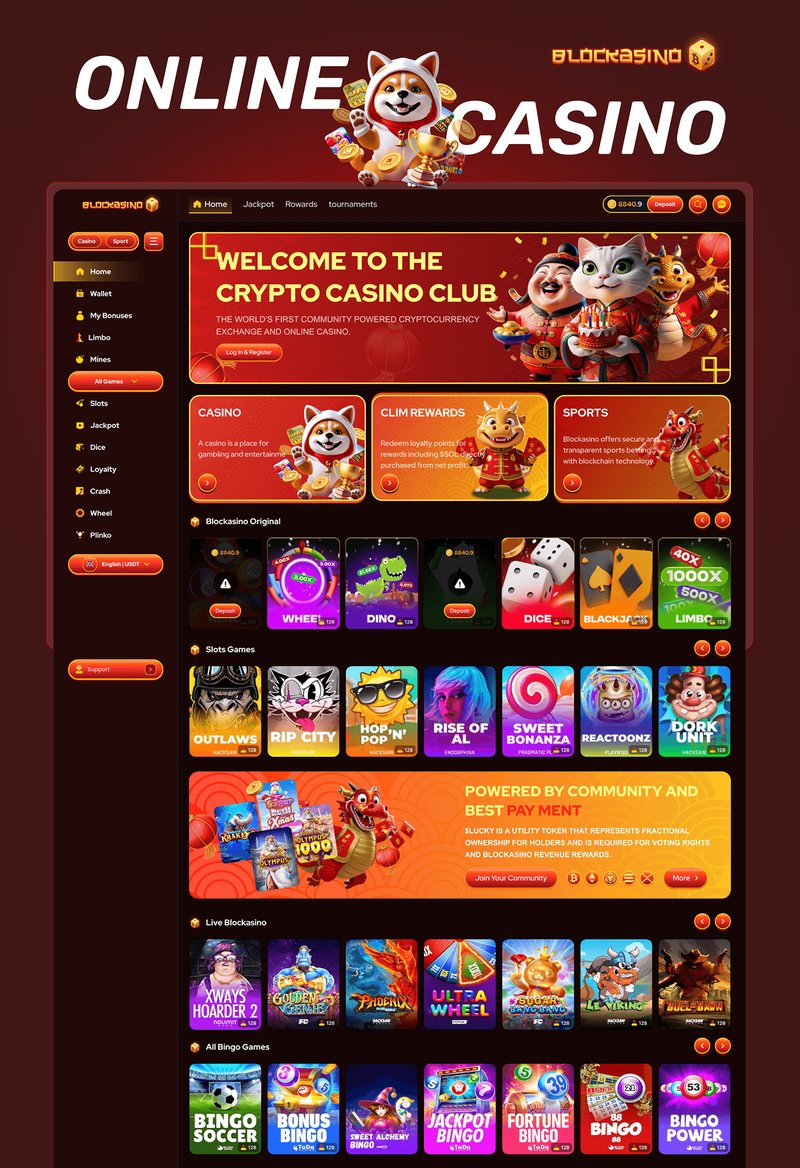
Bridge to Online Gaming Entertainment
When you’re not grinding for a trophy, you can switch gears and explore other online gaming entertainment options. A popular choice for many UK gamers is jokabet, which offers a variety of virtual tournaments that blend skill and chance.
Step 5: Keep Updating and Stay Informed
Game updates roll out quarterly, each bringing new mechanics that can shift the meta. Subscribe to the app’s newsletter or follow its official Twitter account for patch notes. If a new weapon is introduced in a shooter, the app will provide a quick tutorial video. Staying ahead of these changes keeps you competitive and prevents you from falling behind.
Step 6: Leverage Community Resources
Many apps host forums where you can ask questions or share tips. Look for threads titled “UK Strategy Guide” or “Local Server Issues.” The community often shares free coaching sessions or trade‑up offers that can elevate your gameplay without extra cost. Engaging regularly also boosts your reputation score, which can unlock exclusive skins and in‑app rewards.
Final Thought
Mobile esports apps are no longer just a convenience; they’re the backbone of the UK gaming ecosystem. By installing the right app, joining a local team, participating in tournaments, analysing data, and avoiding network pitfalls, you position yourself at the forefront of this shift. The future of gaming in the UK is mobile, data‑driven, and community‑centric—ready for anyone who’s willing to take the first step.
Frequently Asked Questions
What makes mobile esports apps popular in the UK?
They provide instant leaderboards, real-time strategy sharing, and global team connectivity, making competition faster and more engaging.
Which app is best for League of Legends players?
Riot’s Mobile League App offers ranked play, live stats, and easy cross‑platform interaction for LoL fans.
Can I play other games on the same platform?
Yes, many apps support multiple titles, letting you switch between games with the same profile and social features.
How do these apps improve teamwork?
They enable real‑time chat, shared tactics, and quick matchups across regions, strengthening coordination and strategy.